Sequencing Skills Reading Worksheets for 4-Year-Olds
5 filtered results
-
From - To
Enhance your 4-year-old's reading journey with our Sequencing Skills Reading Worksheets! Designed specifically for young learners, these engaging worksheets help children develop vital sequencing skills that improve comprehension and storytelling abilities. By practicing with fun activities that include pictures and simple texts, children will learn to arrange events in logical order, fostering critical thinking and reasoning. Our worksheets cater to various learning styles, ensuring that each child remains engaged and motivated. With colorful illustrations and age-appropriate content, your little ones will enjoy every moment of practice while building a strong foundation in reading. Download your worksheets today and watch them thrive!
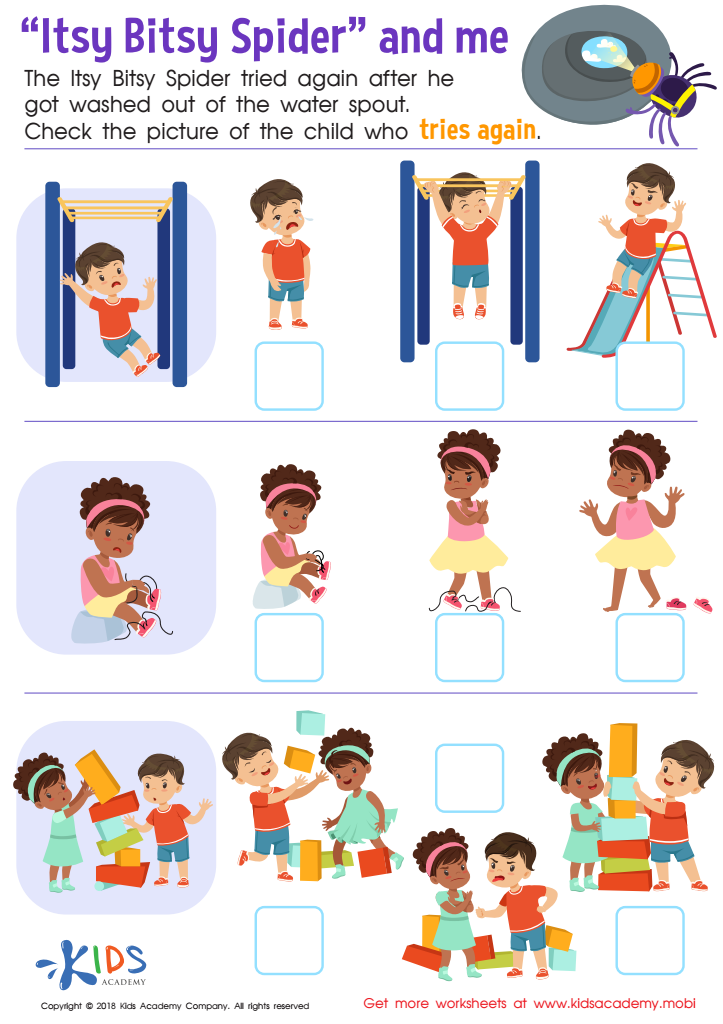
Itsy Bitsy Spider and Me Worksheet
 Assign to My Students
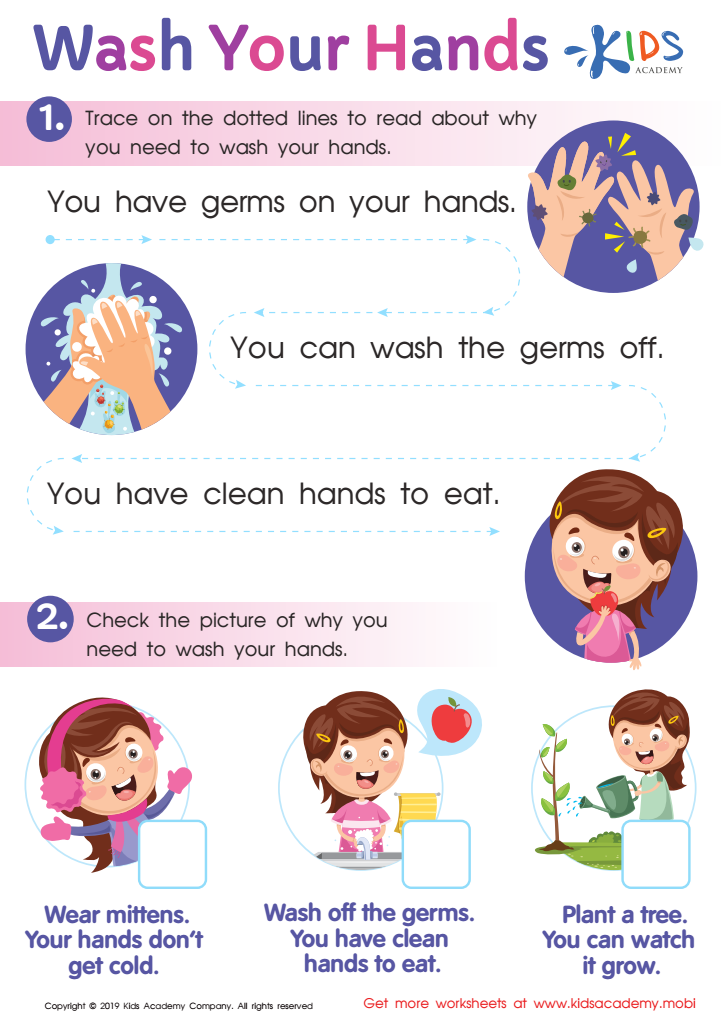
Wash Your Hands Worksheet
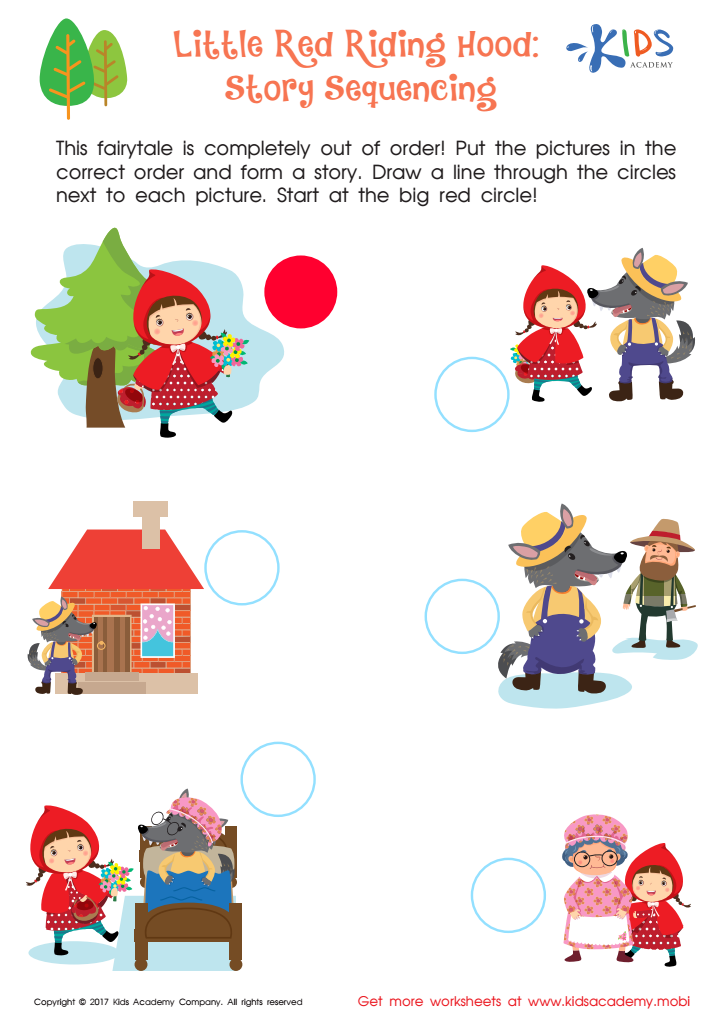
Story Sequencing Printable
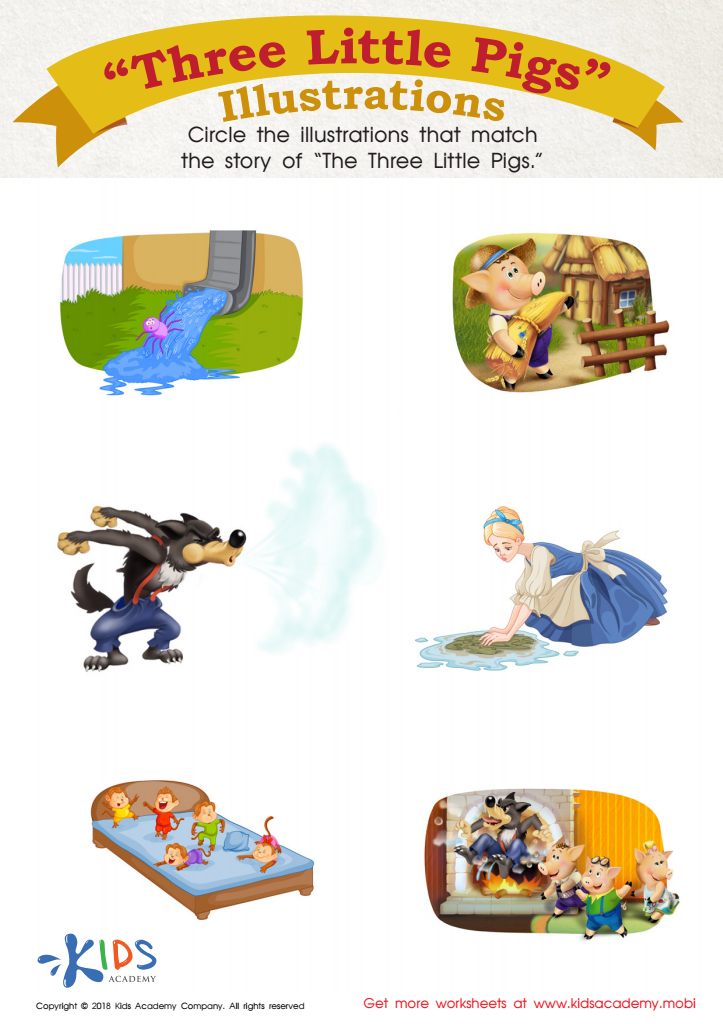
Three Little Pigs: Illustrations Worksheet
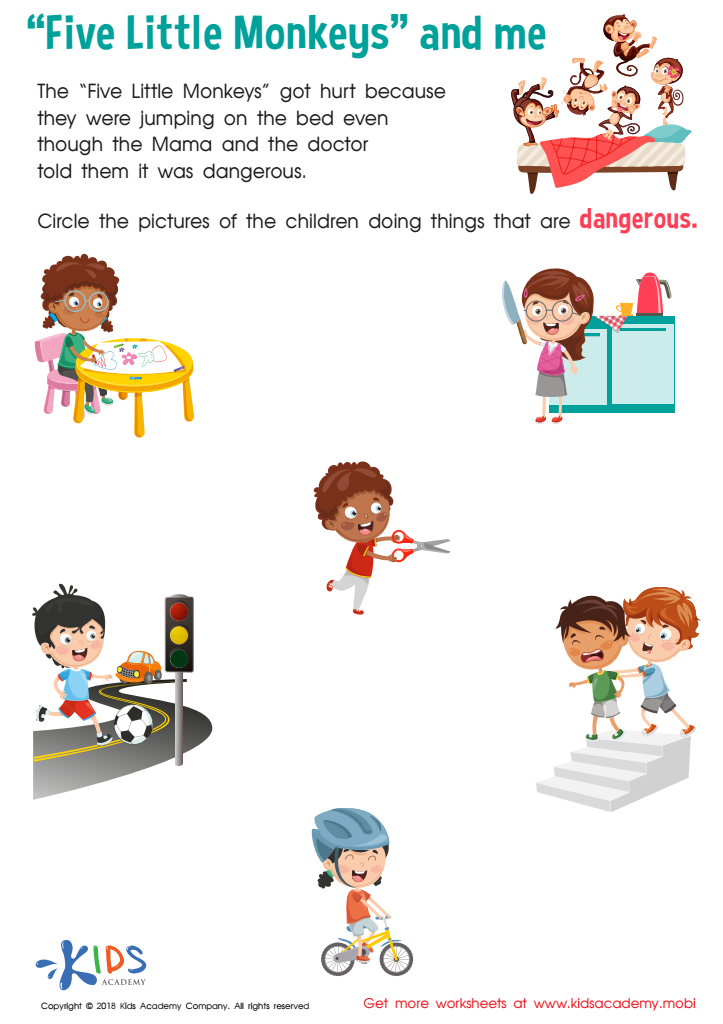
Five Little Monkeys and Me Worksheet








Sequencing skills are crucial for young children's reading development, and parents or teachers should prioritize them, particularly for 4-year-olds. These skills help children understand the order of events, which is fundamental in comprehending stories, following directions, and making sense of everyday experiences. When children learn to sequence, they can better recall and narrate stories or retell events, giving them confidence in their language abilities.
Additionally, sequencing fosters critical thinking and organizational skills. In a structured environment, such as routines at home or classroom activities, children develop the ability to predict outcomes, recognize patterns, and identify relationships between events. These cognitive abilities extend beyond reading, aiding problem-solving skills in math and science.
Engaging children in sequencing activities through storytelling, picture books, and interactive games enhances their cognitive development and reading comprehension. These foundational skills can create enthusiastic and proficient readers in the future. By providing the tools to strengthen sequencing skills, parents and teachers not only support children's literacy but also equip them for lifelong learning. In essence, cultivating sequencing skills is a pivotal step in nurturing well-rounded, independent thinkers who are ready to tackle the joys and challenges of reading and beyond.








