Animal identification Science Worksheets for 4-Year-Olds
4 filtered results
-
From - To
Discover our engaging Animal Identification Science Worksheets designed specifically for 4-year-olds! These playful and educational resources encourage young learners to explore the fascinating world of animals through fun activities. With vibrant illustrations and easy-to-follow prompts, children will develop essential observation and classification skills as they identify various animals. Our worksheets promote critical thinking, enhance vocabulary, and support early science learning in a stimulating way. Perfect for both home and classroom use, these worksheets foster curiosity about nature and ignite a lifelong love for learning. Download now and watch your little ones dive into the exciting adventures of the animal kingdom!
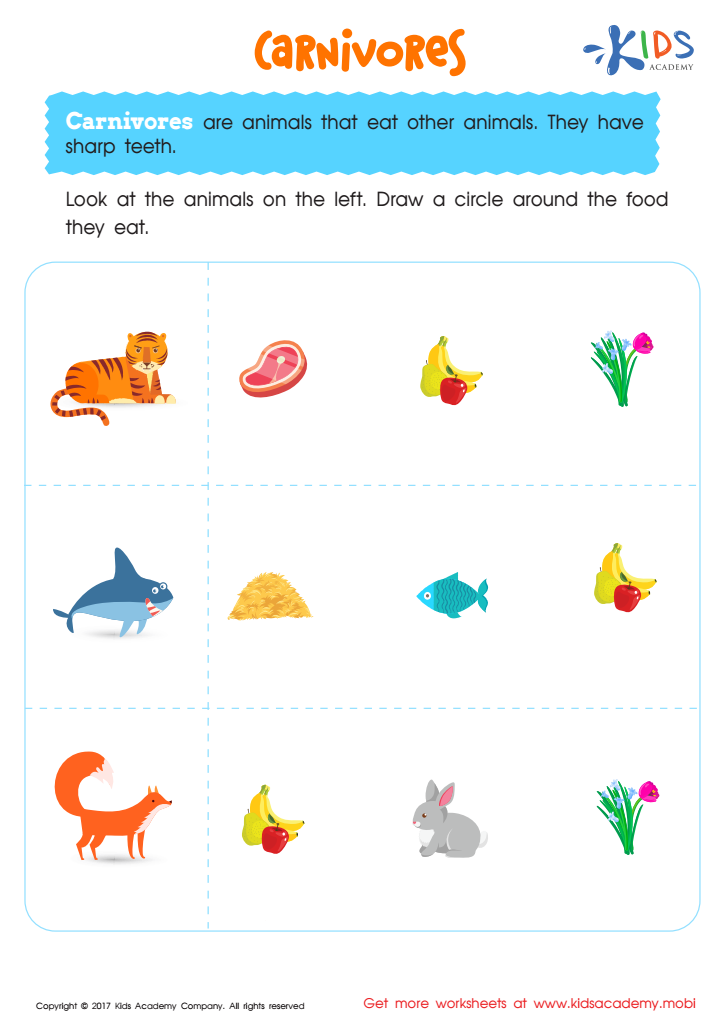
Carnivores Worksheet
 Assign to My Students
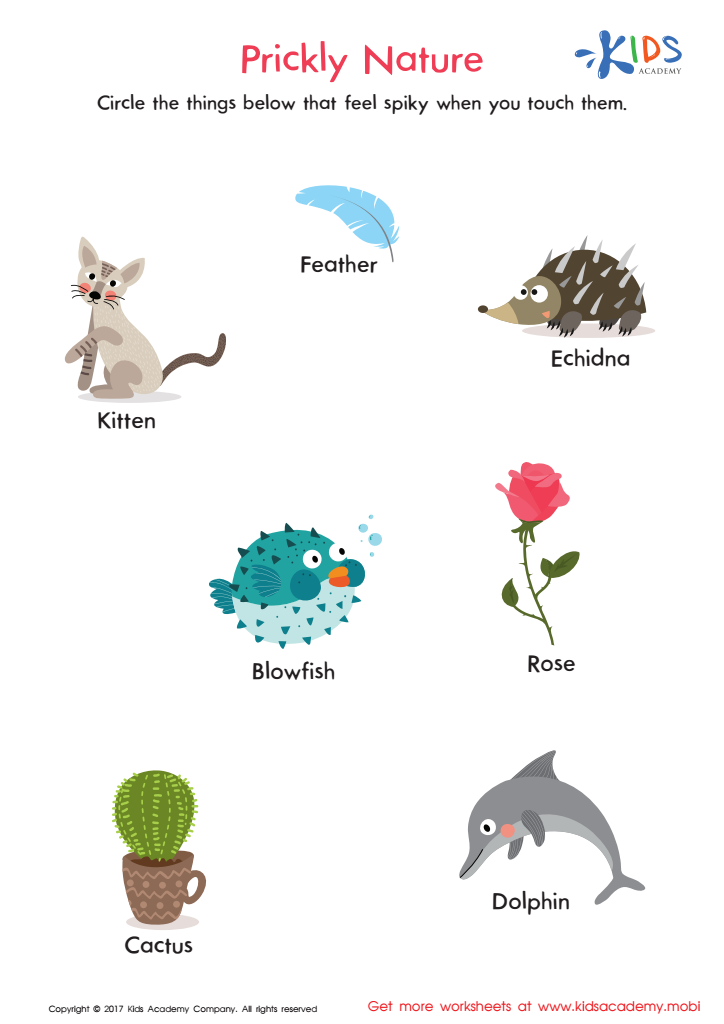
Prickly Nature Worksheet
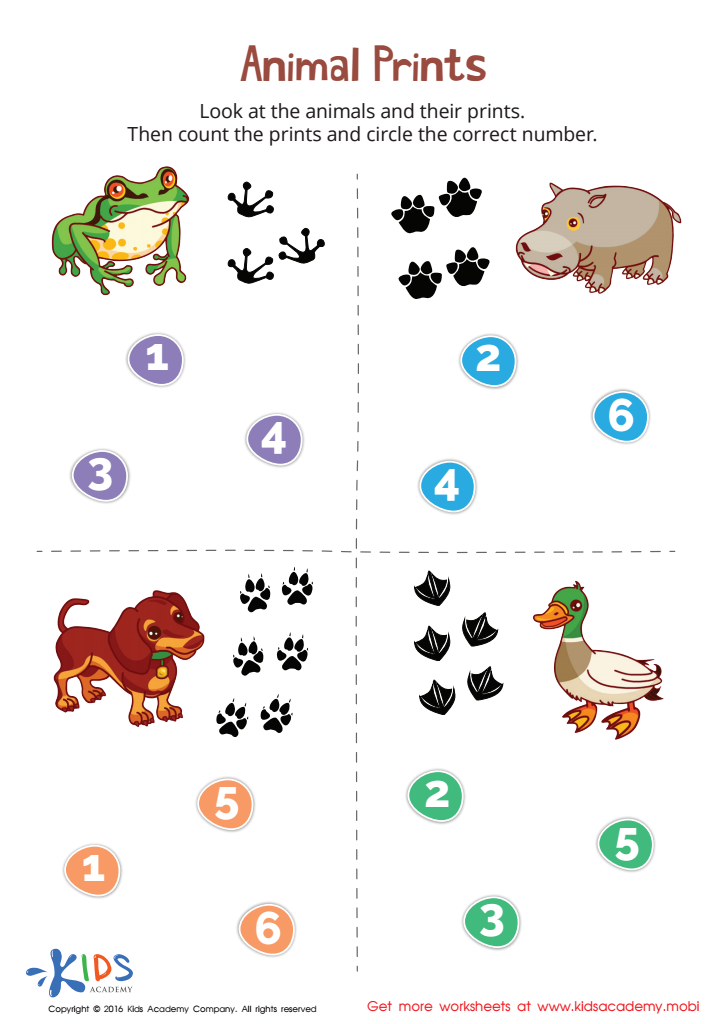
Animal Prints Match-Up Worksheet
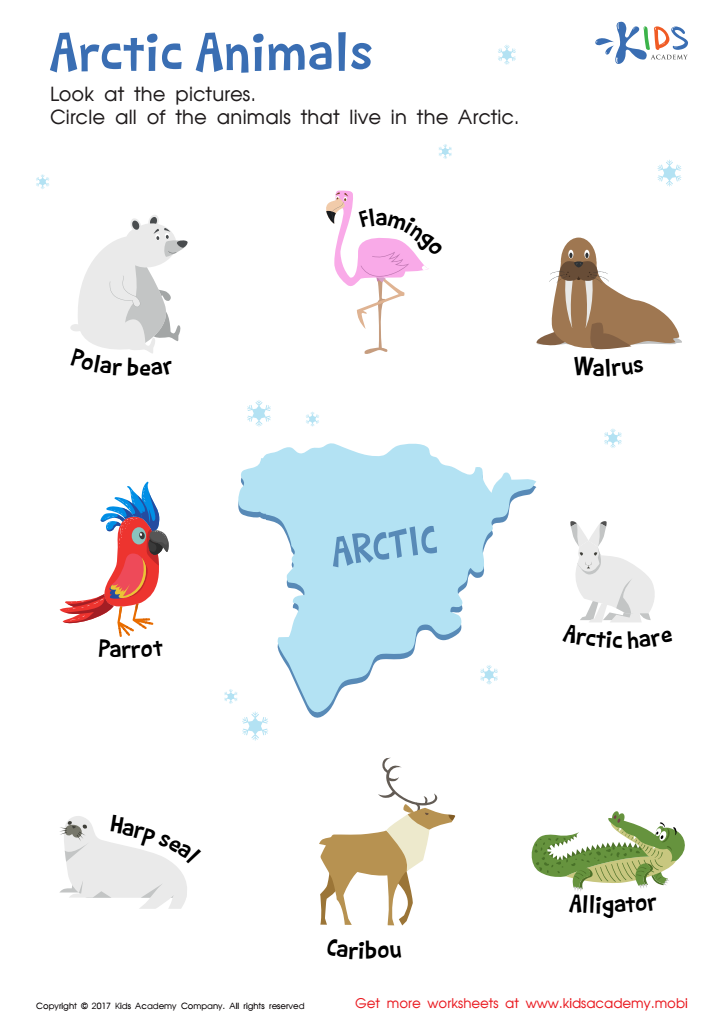
Arctic Animals Worksheet






%20(1).jpg)

Animal identification science is an important and engaging subject for 4-year-olds, and it holds significant value for both parents and teachers. At this age, children are naturally curious about the world around them, and learning about animals can satisfy that curiosity while fostering a love for nature. Understanding different animals teaches kids to recognize and identify various species, enhancing their observational skills and building their cognitive development.
Furthermore, animal identification can promote compassion and empathy towards living beings, instilling values of respect and care for the environment. This lays the foundation for responsible stewardship as children grow. By making connections between known animals and their habitats, behaviors, and diets, young learners also begin to understand ecosystems, enhancing their literacy and reasoning skills.
Parents and teachers can incorporate animal identification into fun activities such as nature walks, storybooks, or art projects, making learning an interactive and enjoyable experience. Additionally, this focus encourages family and community discussions about wildlife, promoting collaboration and shared discovery. Overall, integrating animal identification science into early education helps develop foundational skills, nurtures an appreciation for biodiversity, and inspires the next generation to conserve nature.







