Letter recognition Upper & Lowercase Letters Worksheets for Ages 5-6
23 filtered results
-
From - To
Enhance your child's literacy skills with our engaging Upper & Lowercase Letters Worksheets designed for ages 5-6! These worksheets focus on letter recognition, helping young learners identify and differentiate between uppercase and lowercase letters through fun activities. Each worksheet features vibrant illustrations and interactive exercises that make learning enjoyable and effective. As children trace, match, and color letters, they build confidence in their reading and writing abilities. Ideal for preschool and kindergarten settings, these resources support early education goals and cater to various learning styles. Start your child's journey towards literacy success today with our easy-to-use worksheets!

Find Lowercase Letters g h i Worksheet
 Assign to My Students


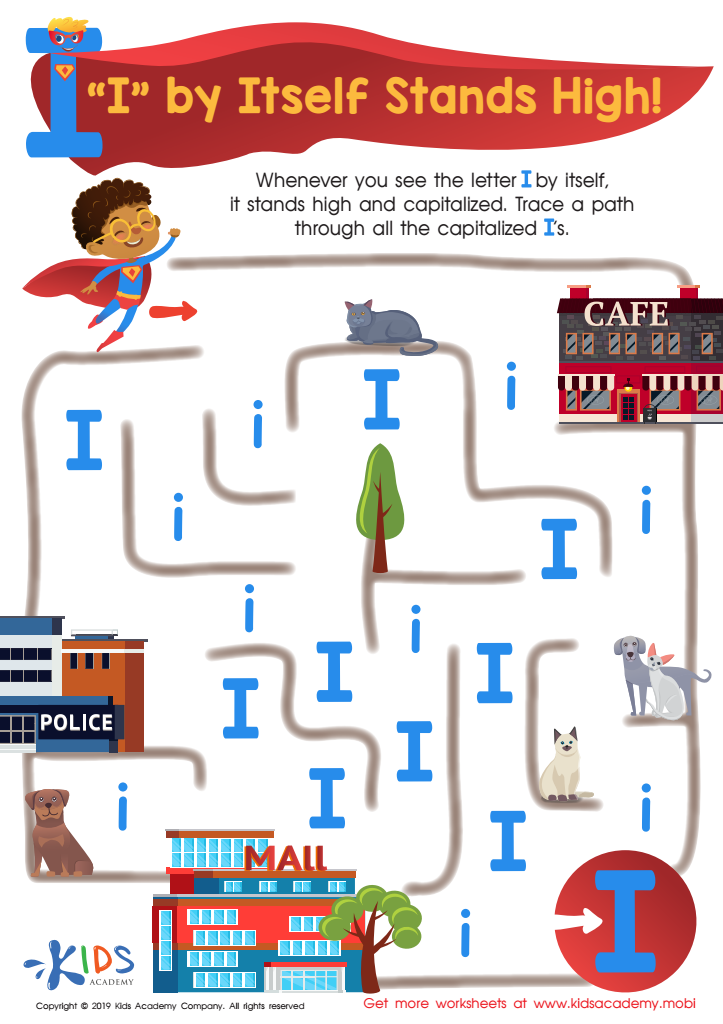
I Stands High Worksheet
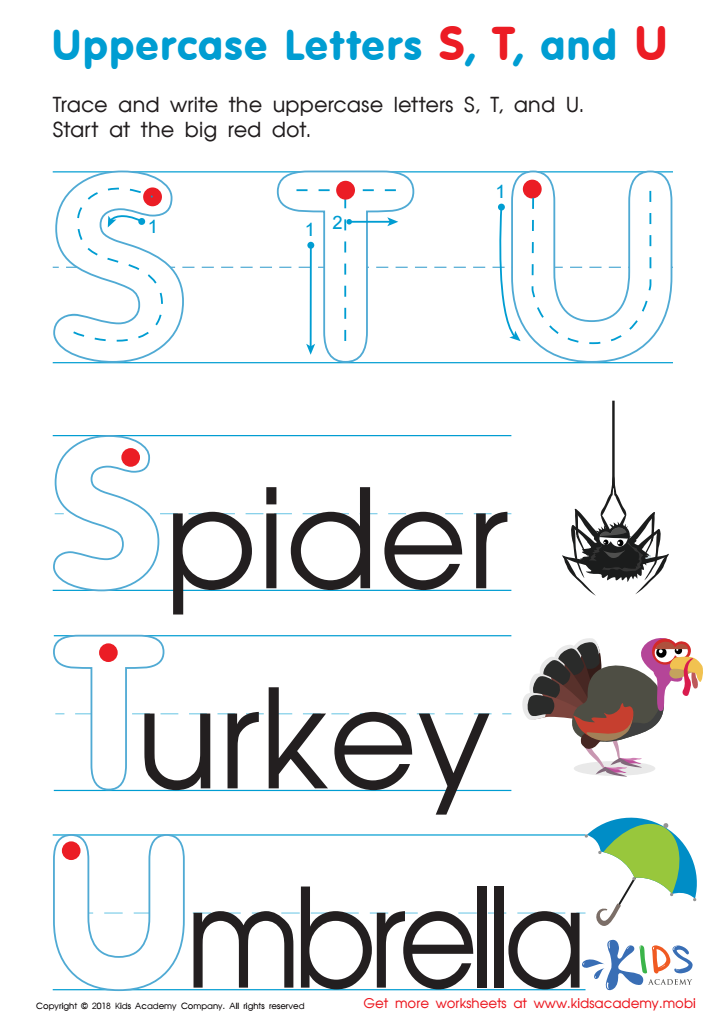
Uppercase Letters S, T, and U Worksheet
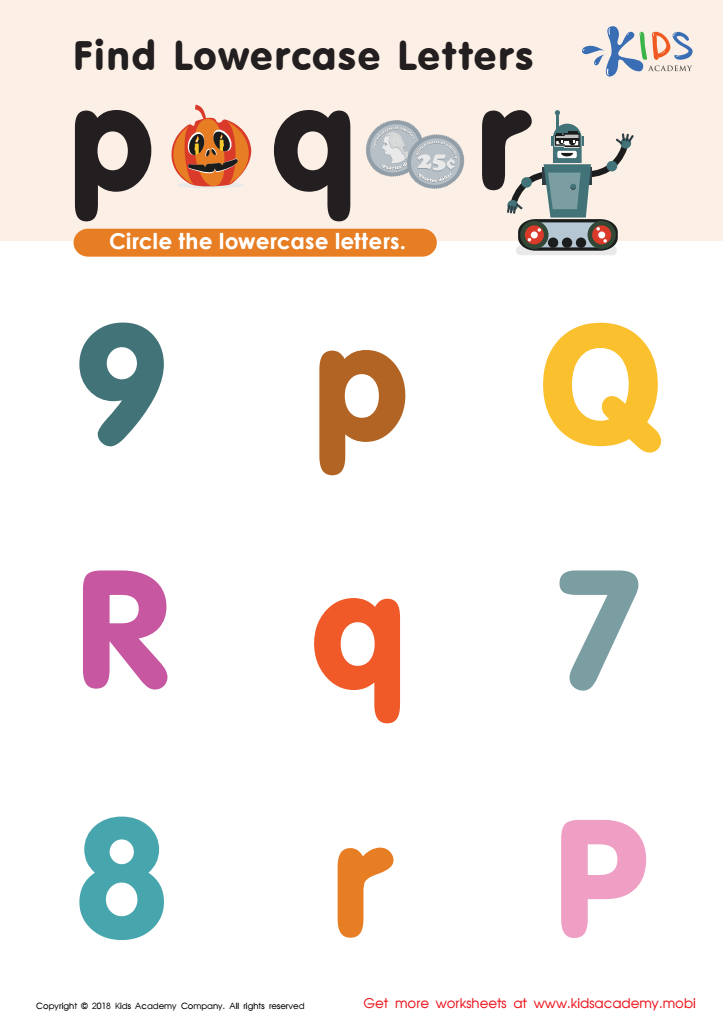
Find lowercase Letters p q r Worksheet
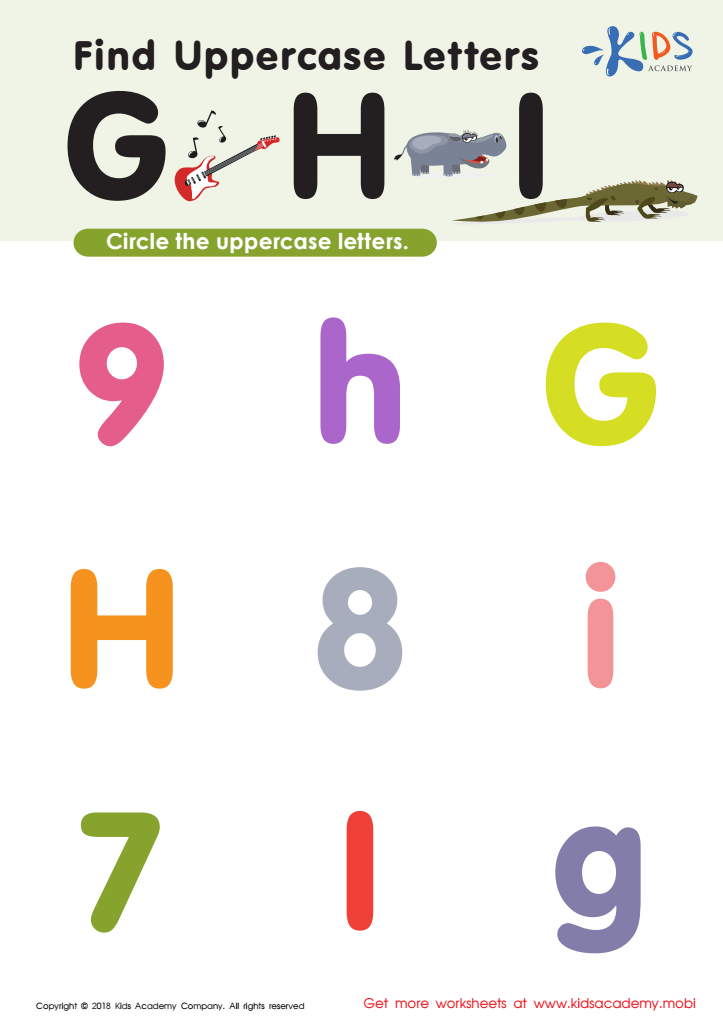
Find Uppercase Letters G, H, and I Worksheet
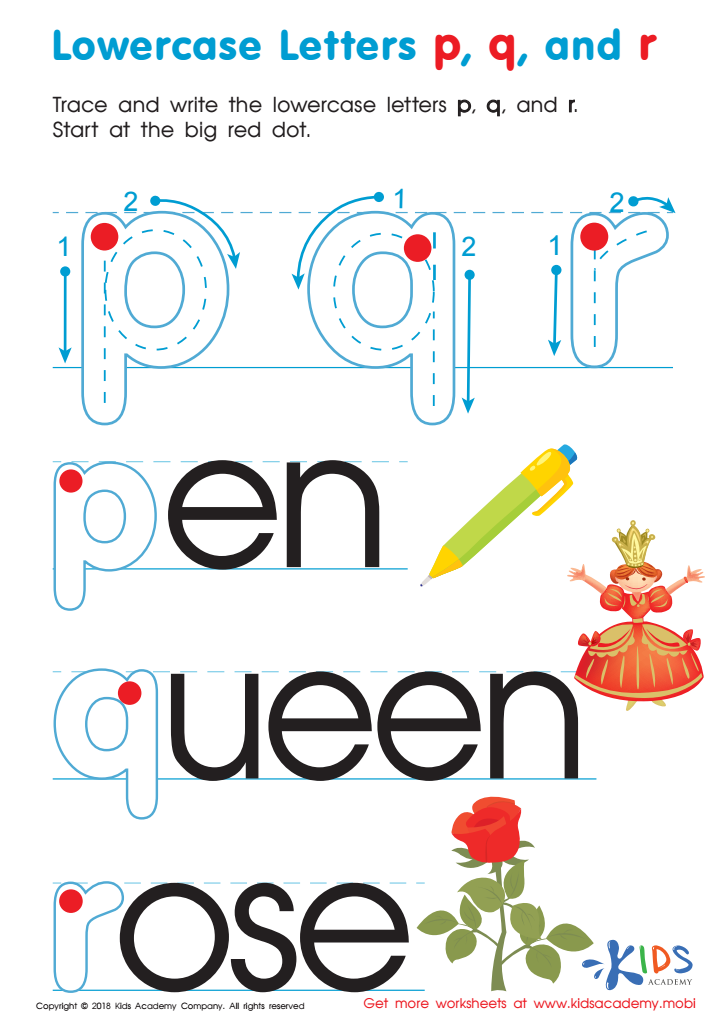
Lowercase Letters p q r Worksheet
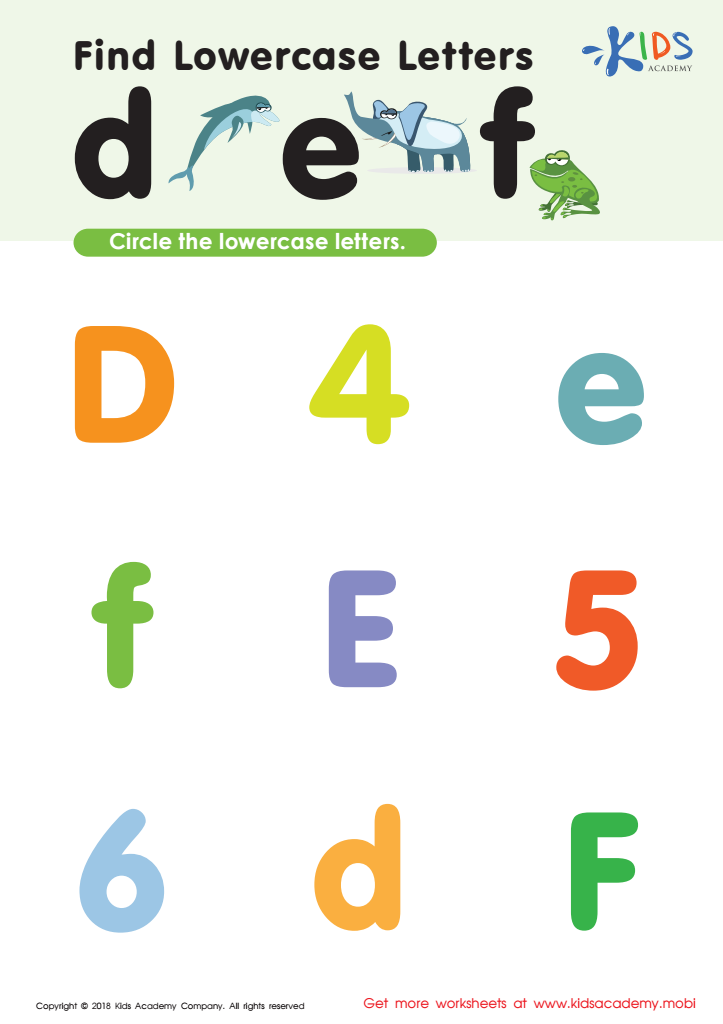
Find Lowercase Letters d e f Worksheet
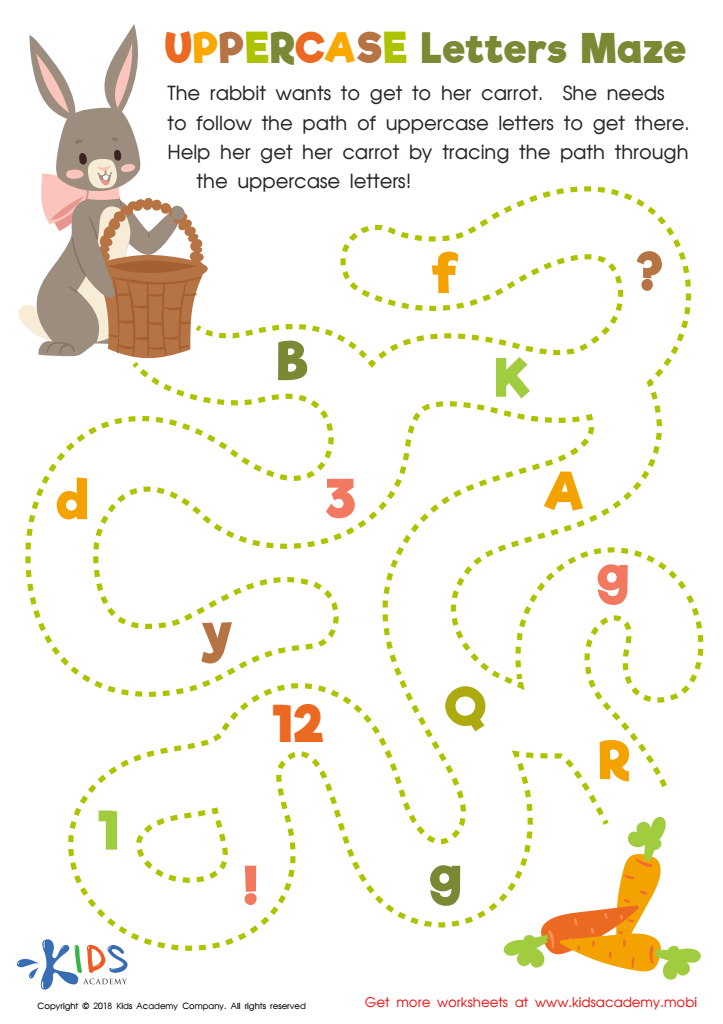
Uppercase Letters Maze Worksheet
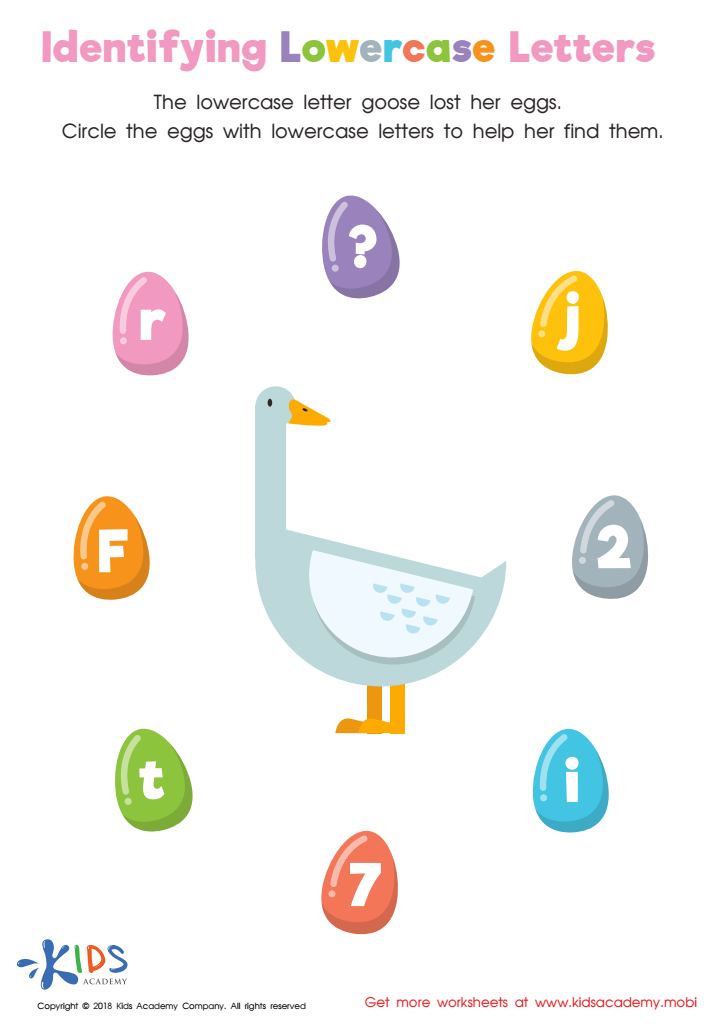
Identifying Lowercase Letters Worksheet
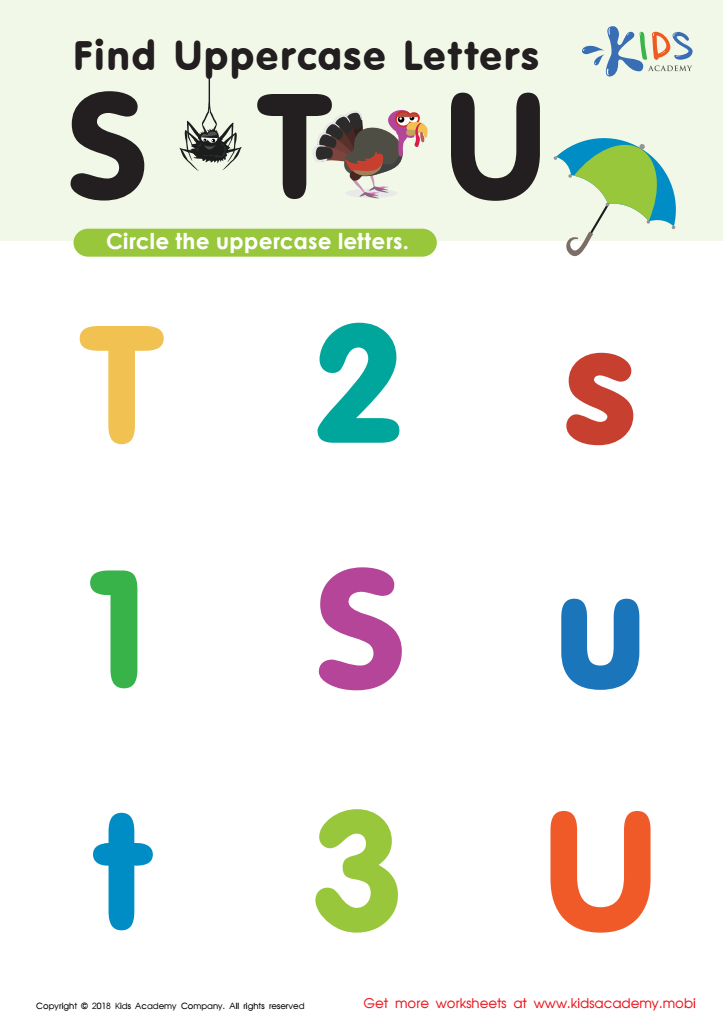
Find Uppercase Letters Worksheet
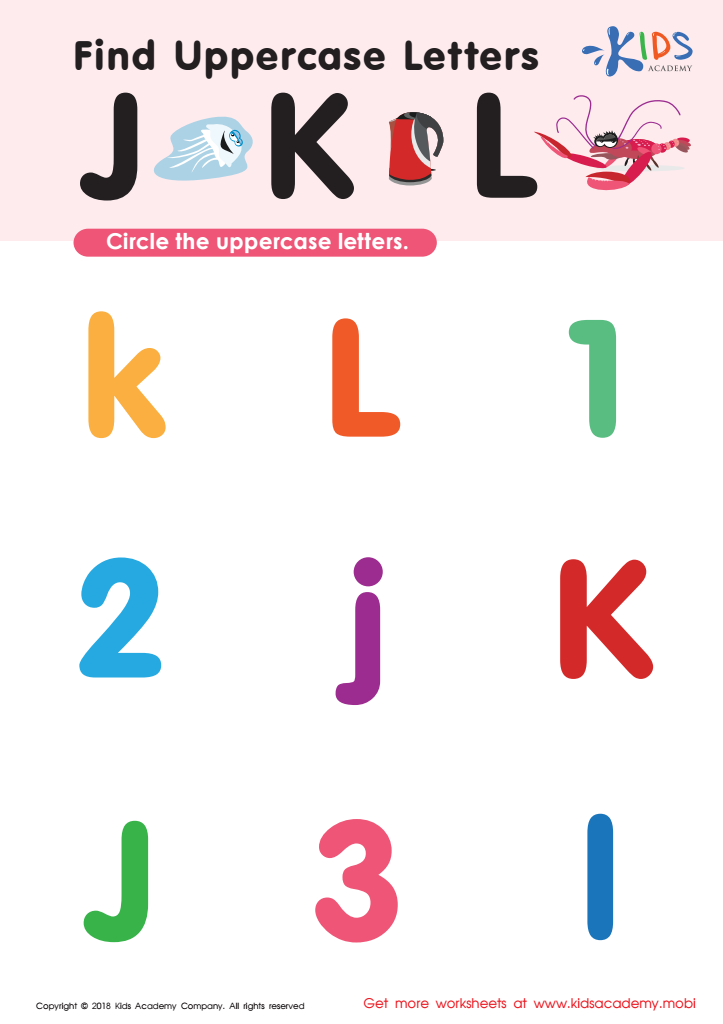
Find Uppercase Letters J, K, and L Worksheet
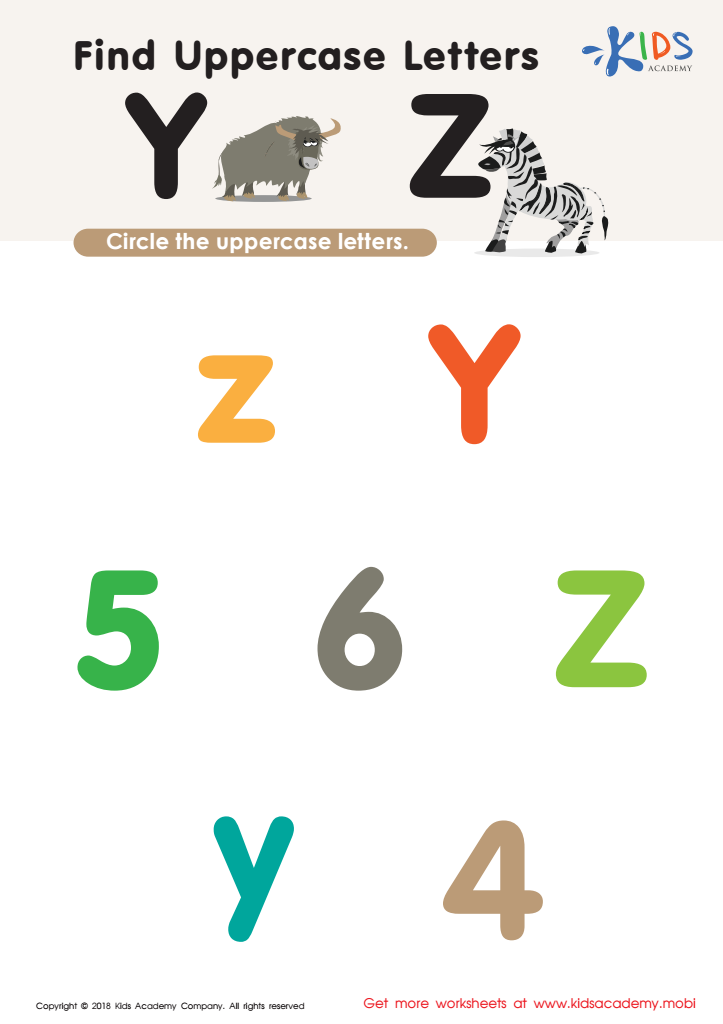
Find Uppercase Letters Y Z Worksheet
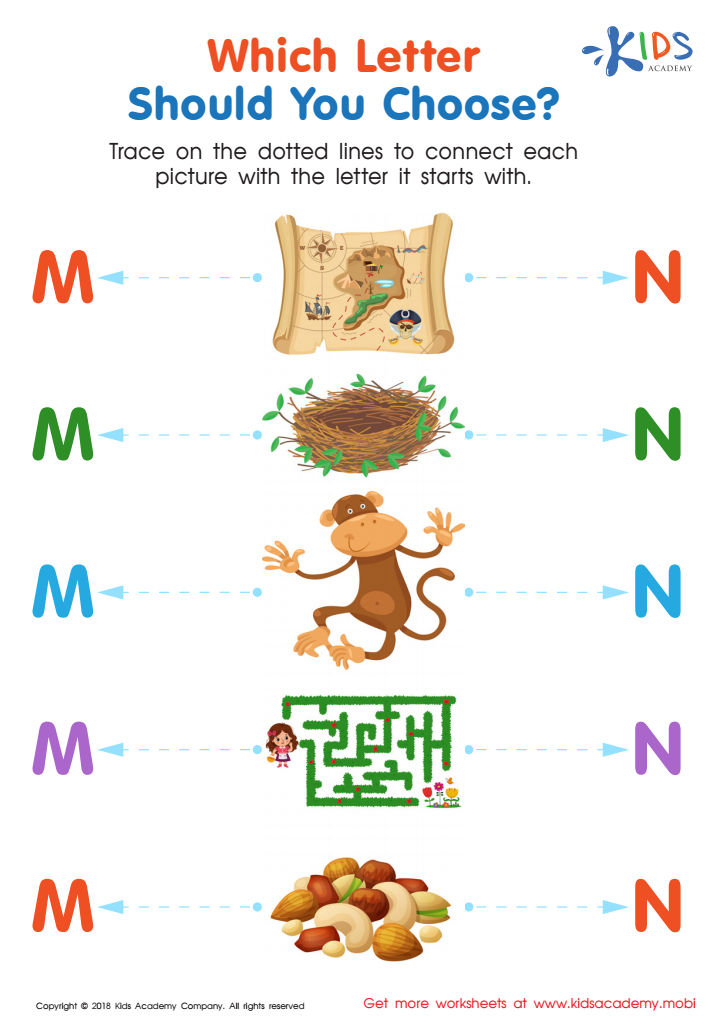
Which Letter Should you Choose? Worksheet
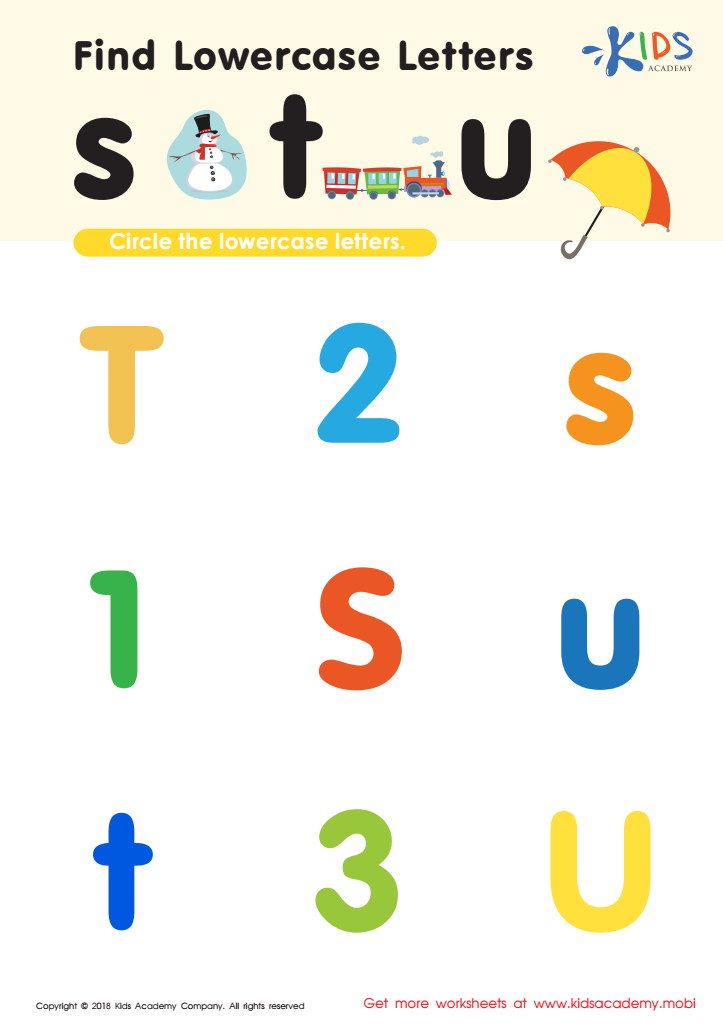
Find lowercase Letters s t u Worksheet
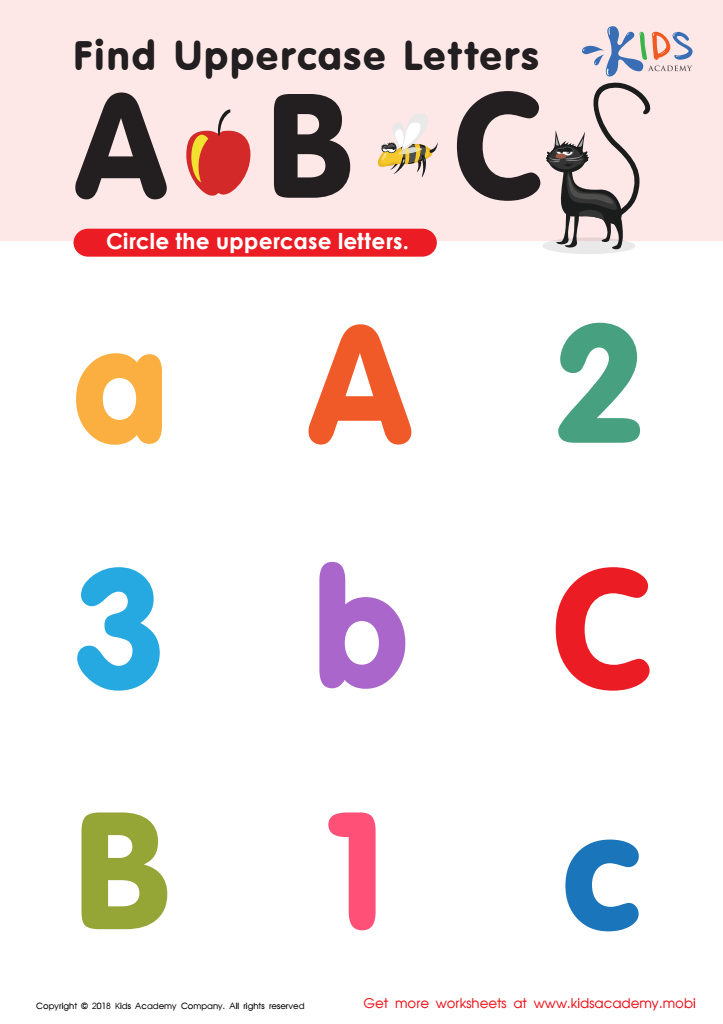
Find Uppercase Letters A, B, and C Worksheet
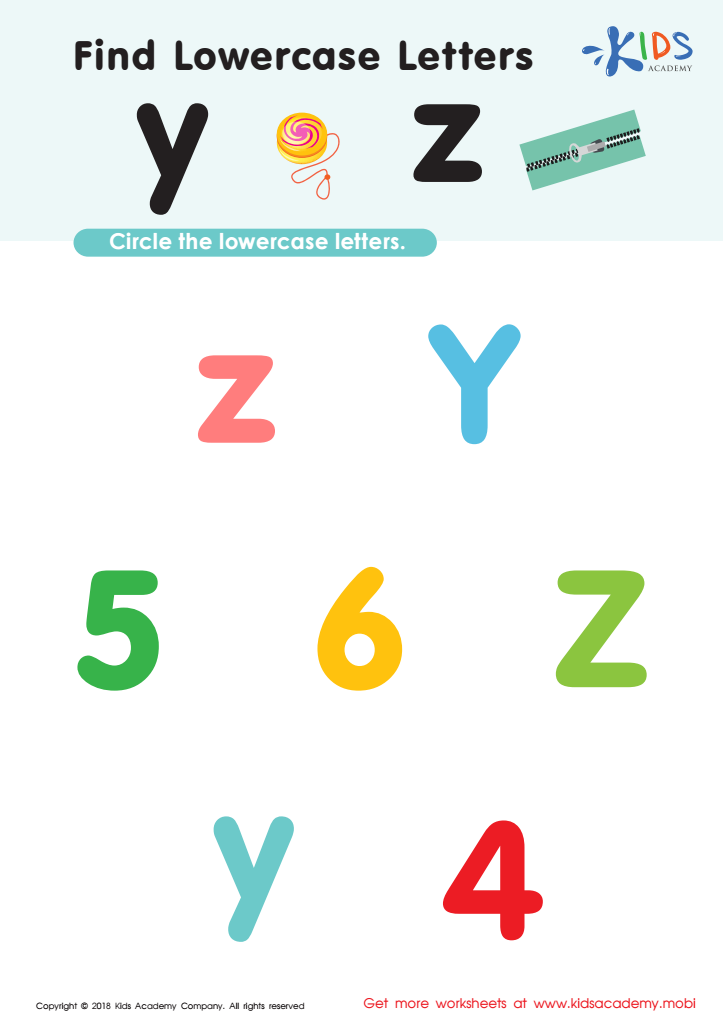
Find Lowercase Letters y z Worksheet
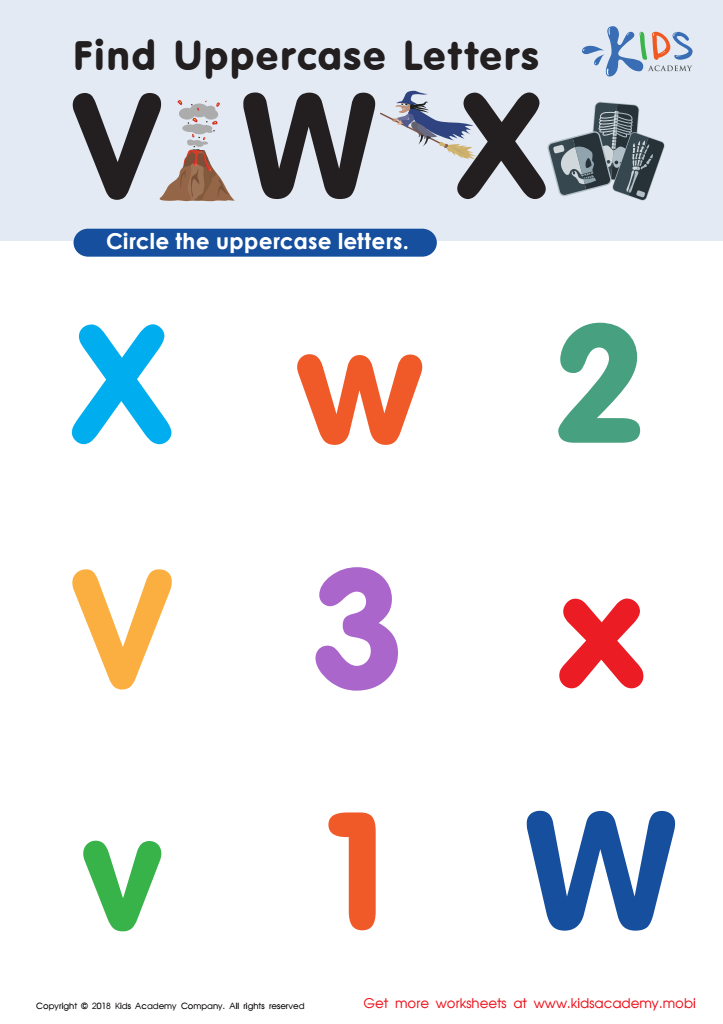
Find Uppercase Letters V, W, X Worksheet
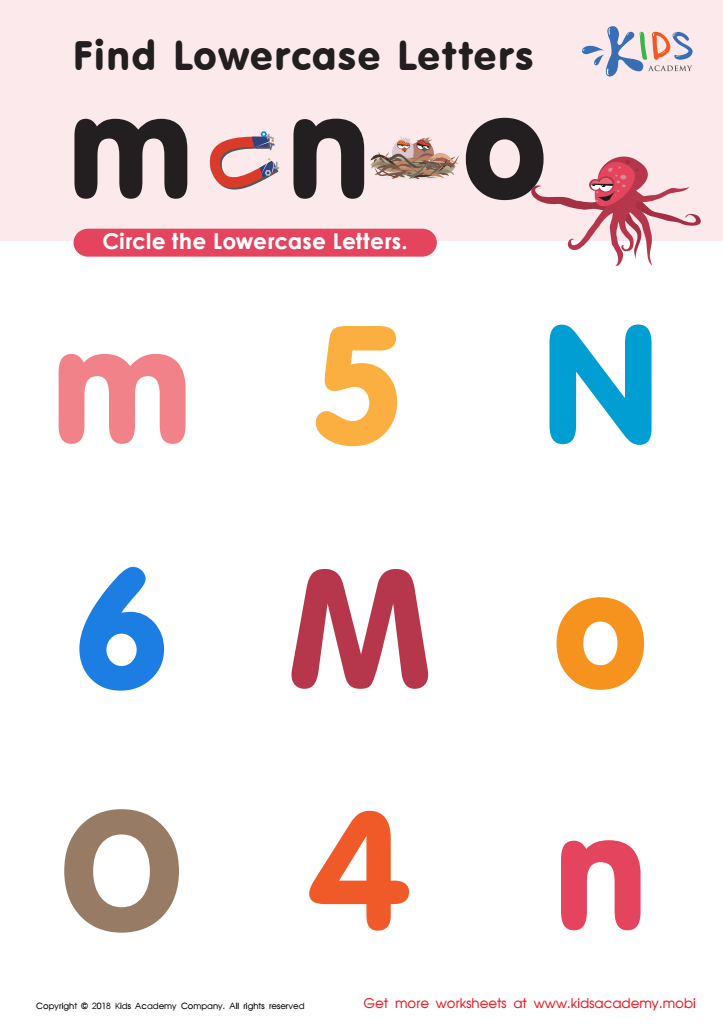
Find Lowercase Letters m n o Worksheet
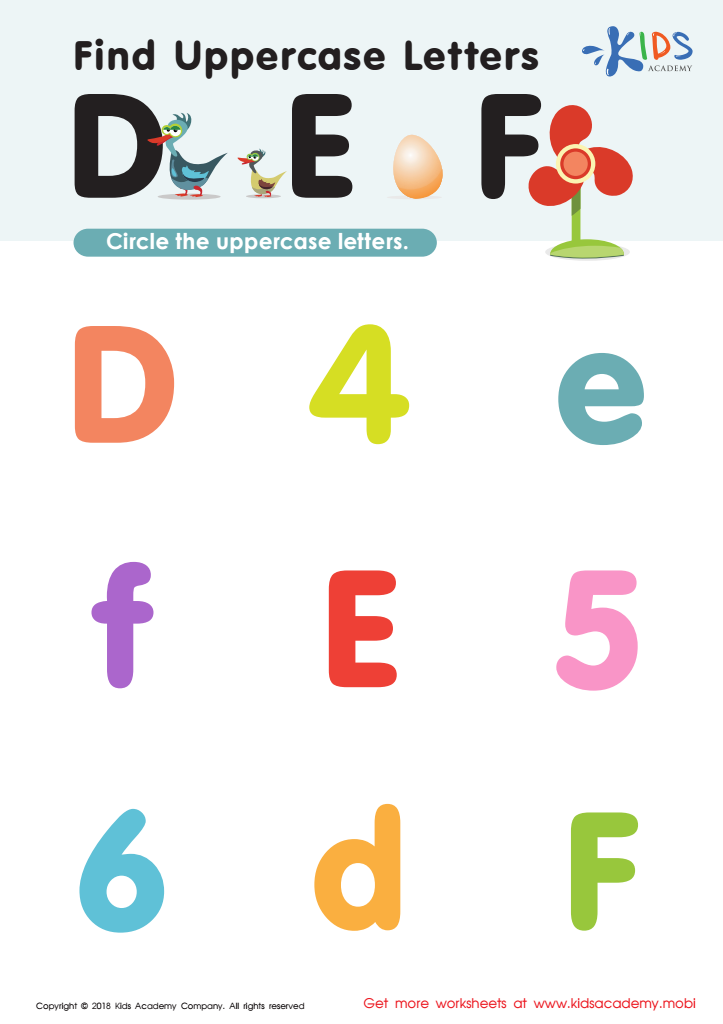
Find Uppercase Letters D, E, and F Worksheet
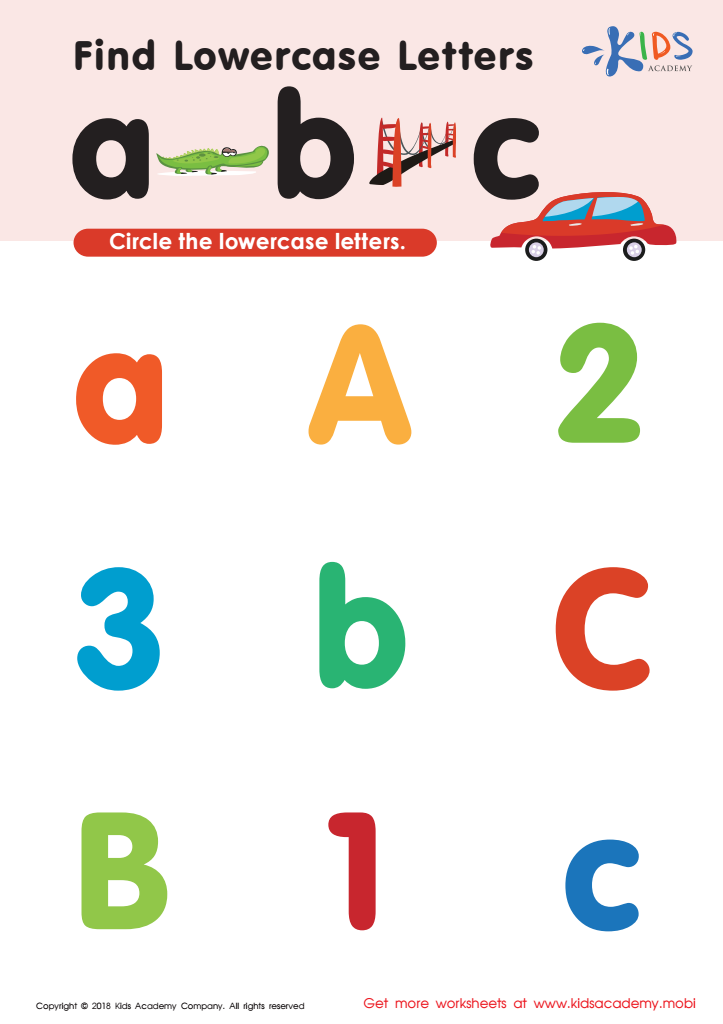
Find lowercase letters a b c Worksheet
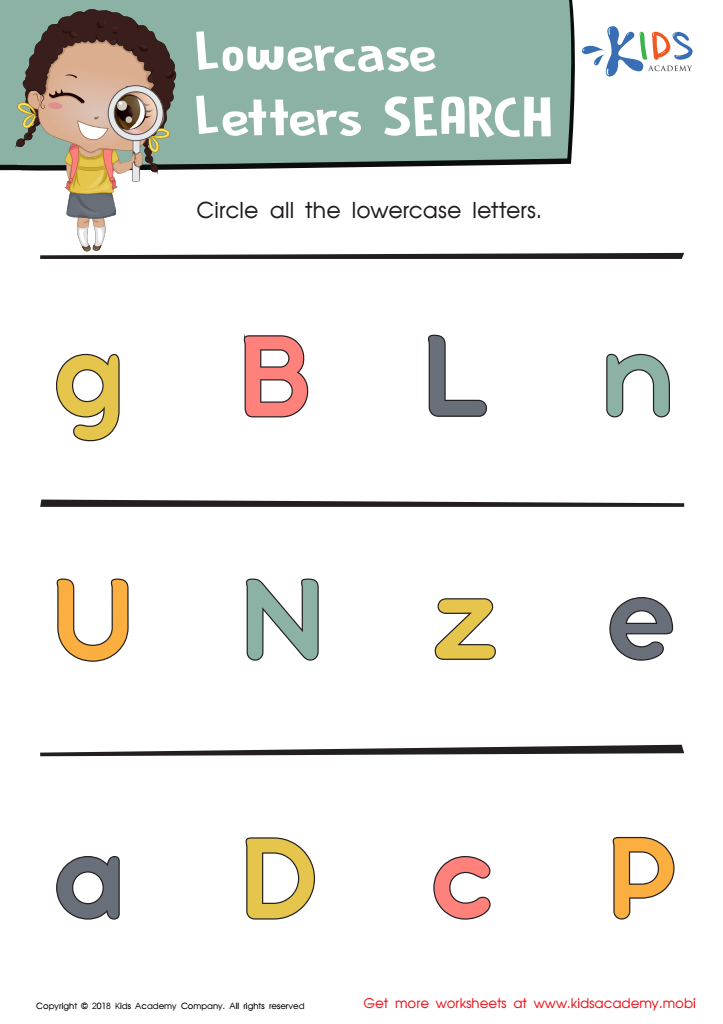
Lowercase Letters Search: Assessment Worksheet
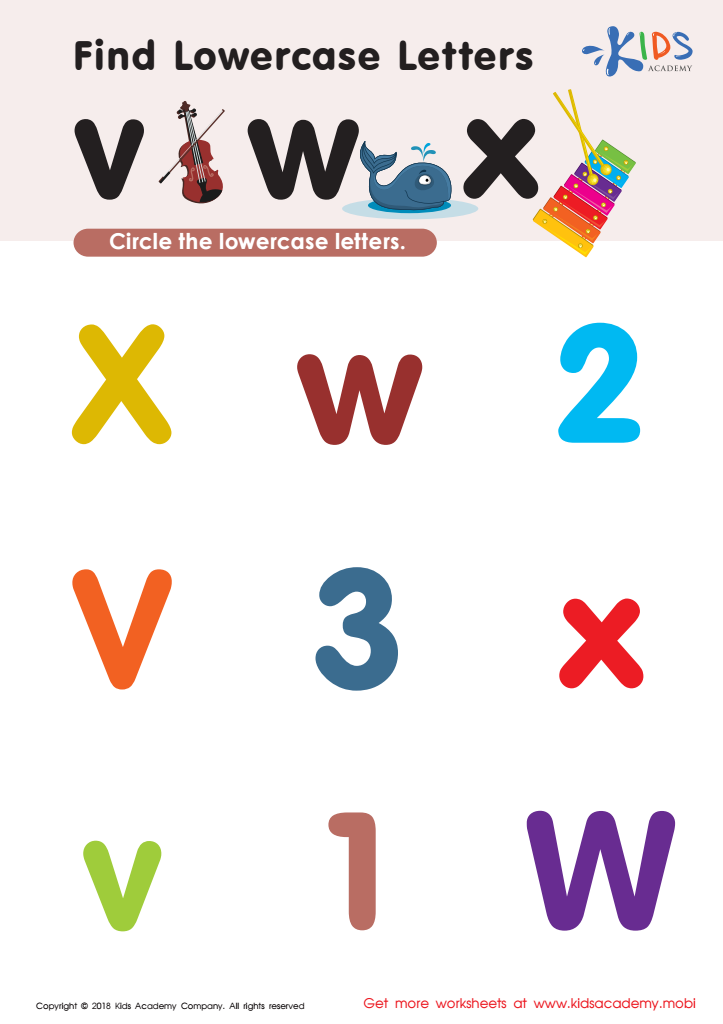
Find Lowercase Letters v w x Worksheet
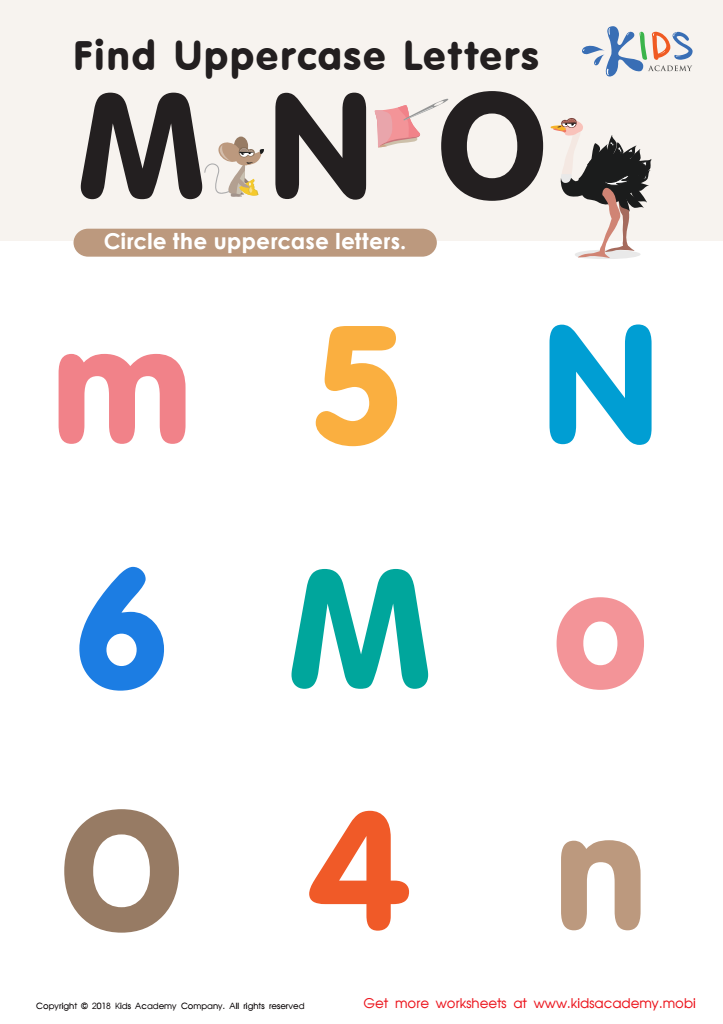
Find Uppercase Letters M, N, and O Worksheet






Letter recognition, both uppercase and lowercase, is an essential foundational skill for children aged 5-6 as they embark on their reading and writing journeys. At this age, children are rapidly developing their literacy skills, and recognizing letters helps them understand the relationship between sounds and written language.
Uppercase letters often serve as the first exposure to the alphabet, commonly appearing at the beginning of sentences, names, and titles. Familiarity with these letters helps children engage with various texts, boosting their confidence and promoting early reading. Moreover, learning lowercase letters is equally crucial, as these letters constitute the majority of written language.
By mastering both uppercase and lowercase letters, young learners will enhance their phonemic awareness, aiding in their ability to decode and spell words. This skill directly impacts their overall literacy development, influencing their success in the classroom. When teachers and parents actively support letter recognition, they nurture children's cognitive skills, vocabulary growth, and love for reading. Engaging in fun activities such as games, songs, and crafts that incorporate letter recognition can make learning enjoyable and interactive. Ultimately, fostering these skills at an early age sets children on a path toward lifelong literacy and academic success.







