Animal identification Worksheets for Ages 5-6 - Page 2
48 filtered results
-
From - To
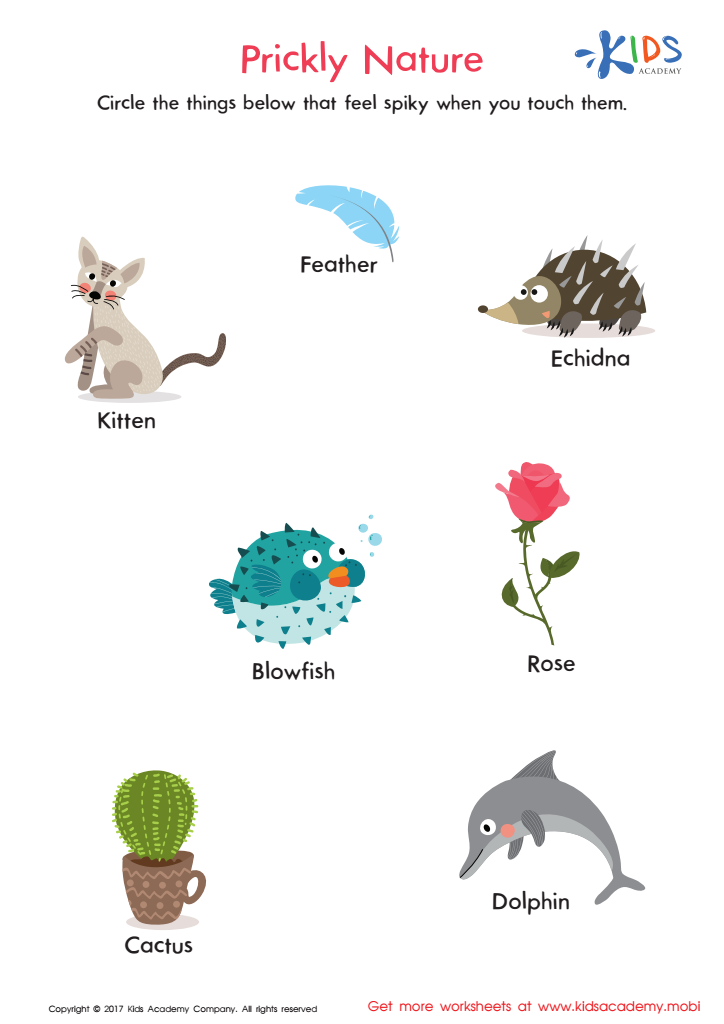
Prickly Nature Worksheet
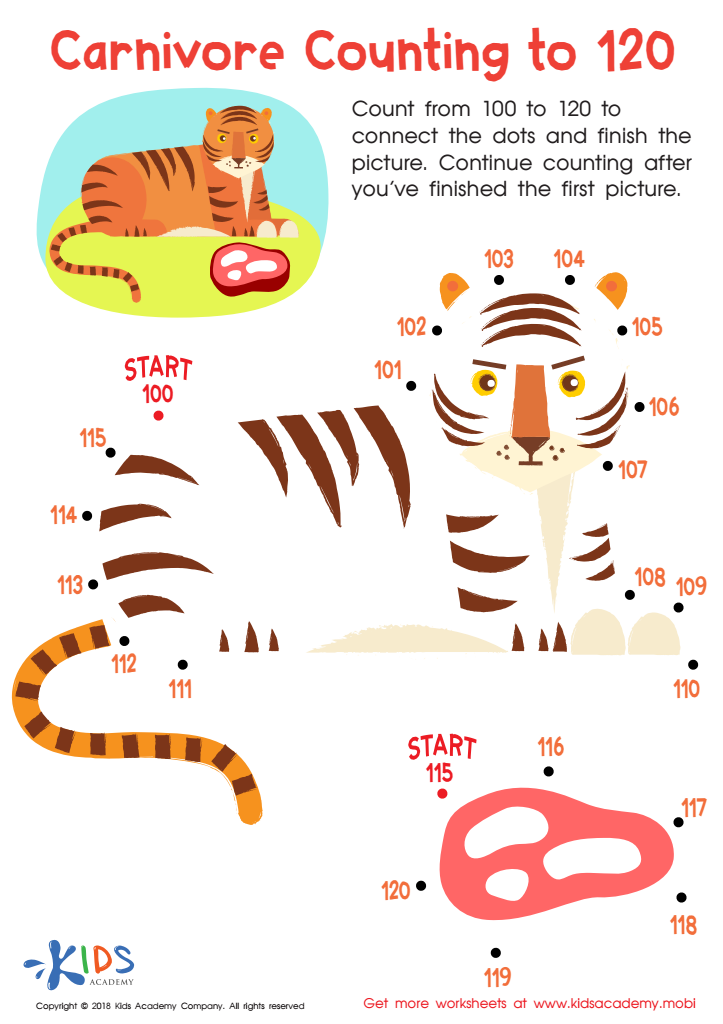
Carnivore Counting to 120 Worksheet
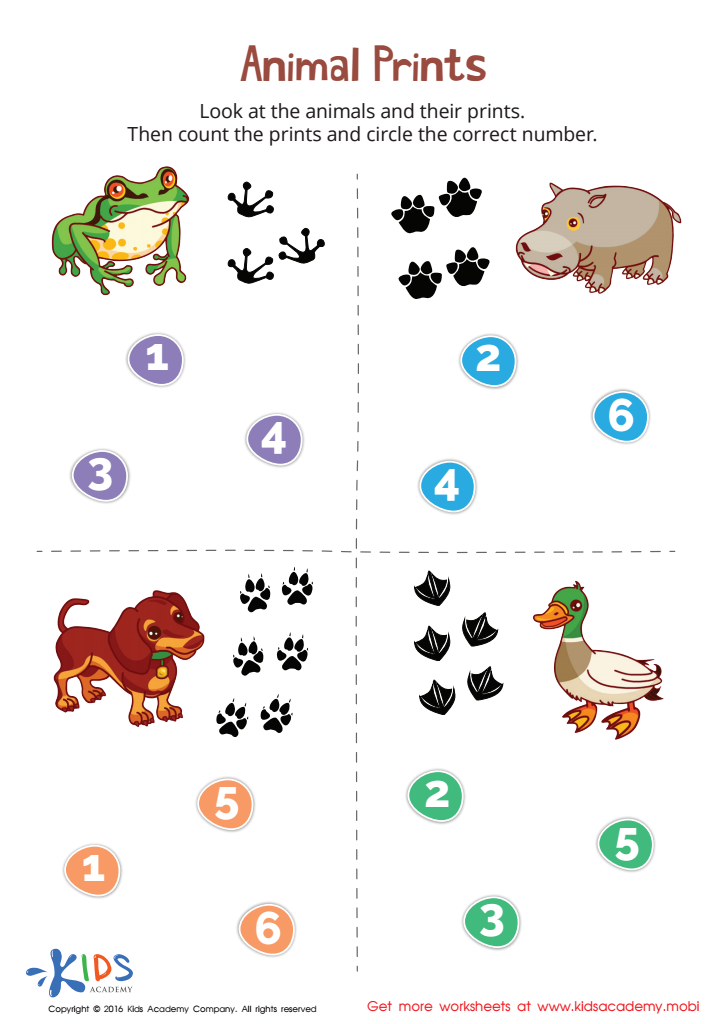
Animal Prints Match-Up Worksheet
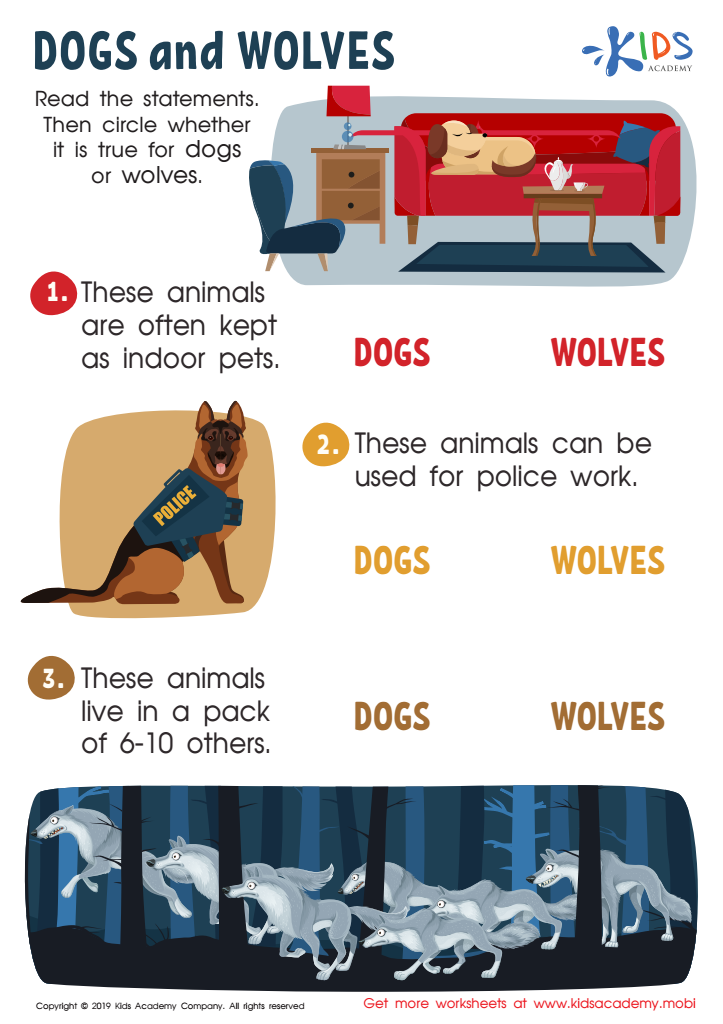
Dogs and Wolves Worksheet
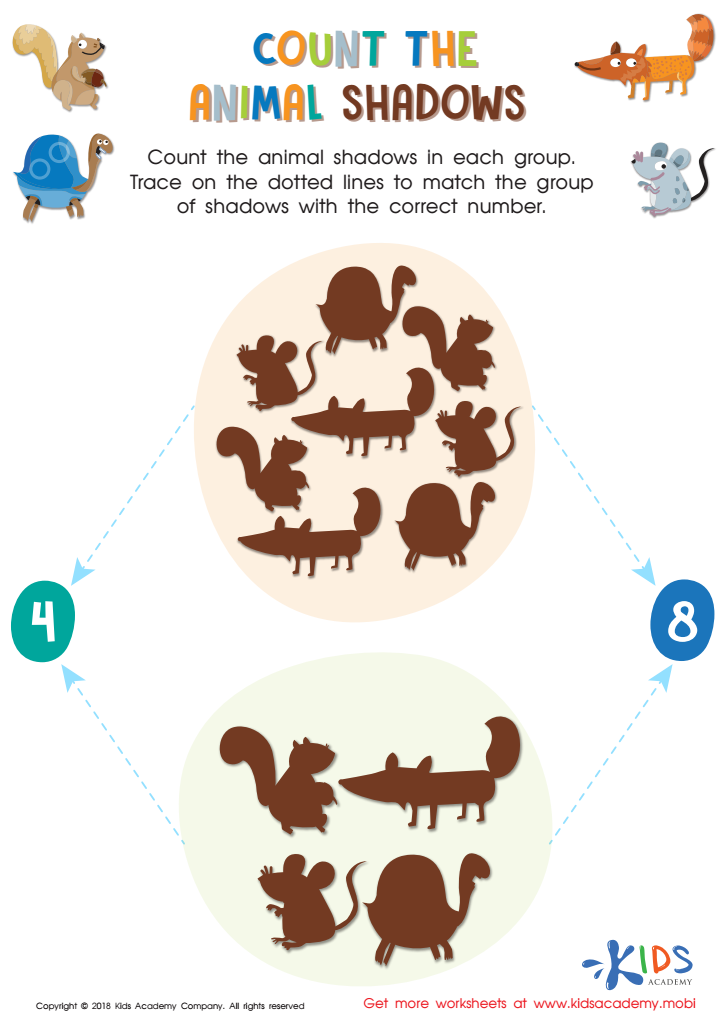
Count the Animal Shadows Worksheet
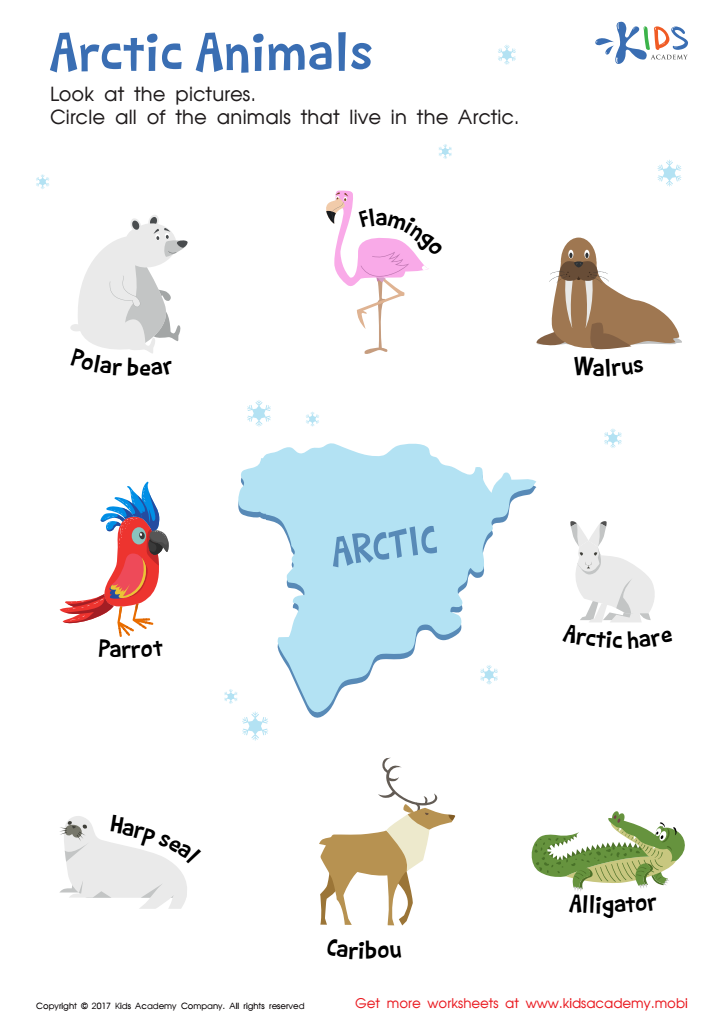
Arctic Animals Worksheet

Turkey Thanksgiving Day Worksheet
 Assign to My Students
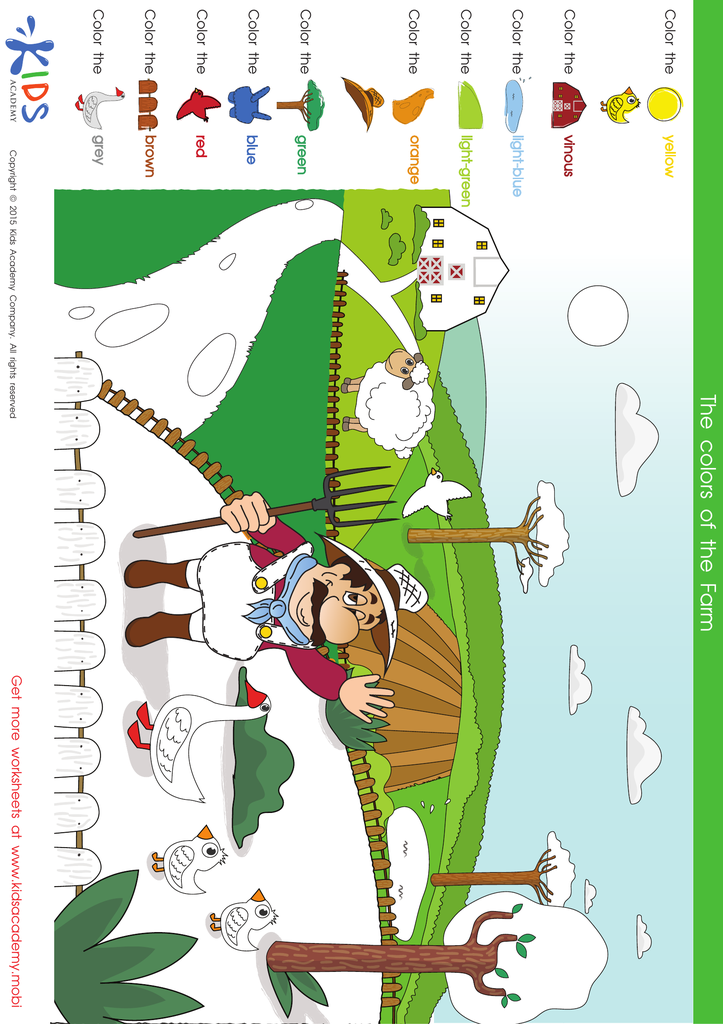
Color the Farmer and His Geese Coloring Pages
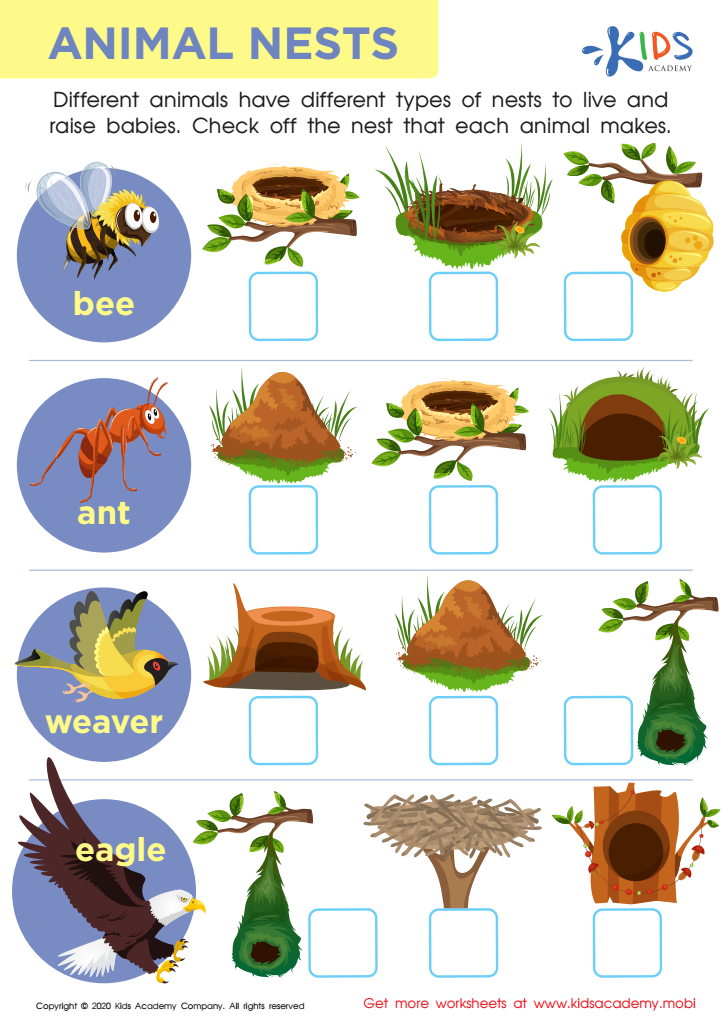
Animal Nests Worksheet
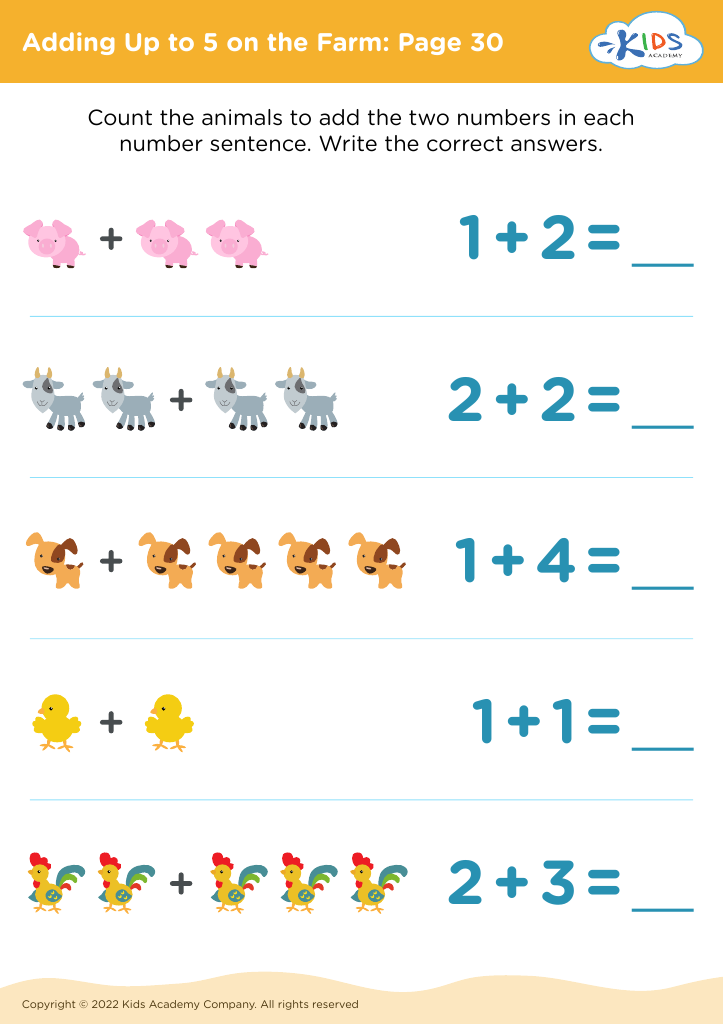

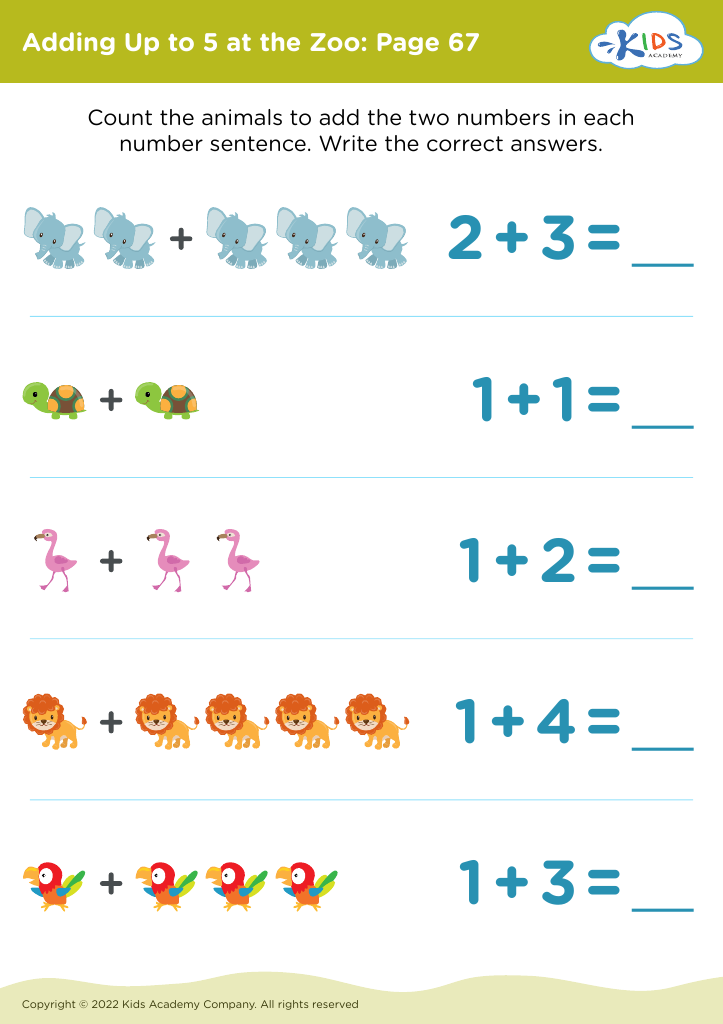
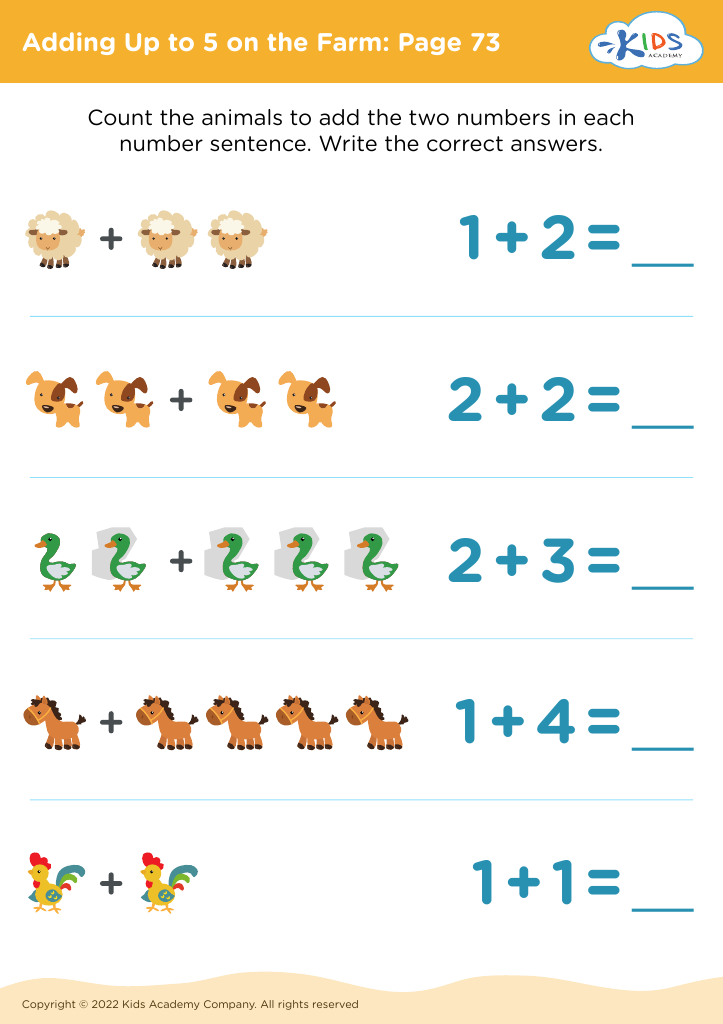
Great Hornbill Worksheet
Assign to My Students
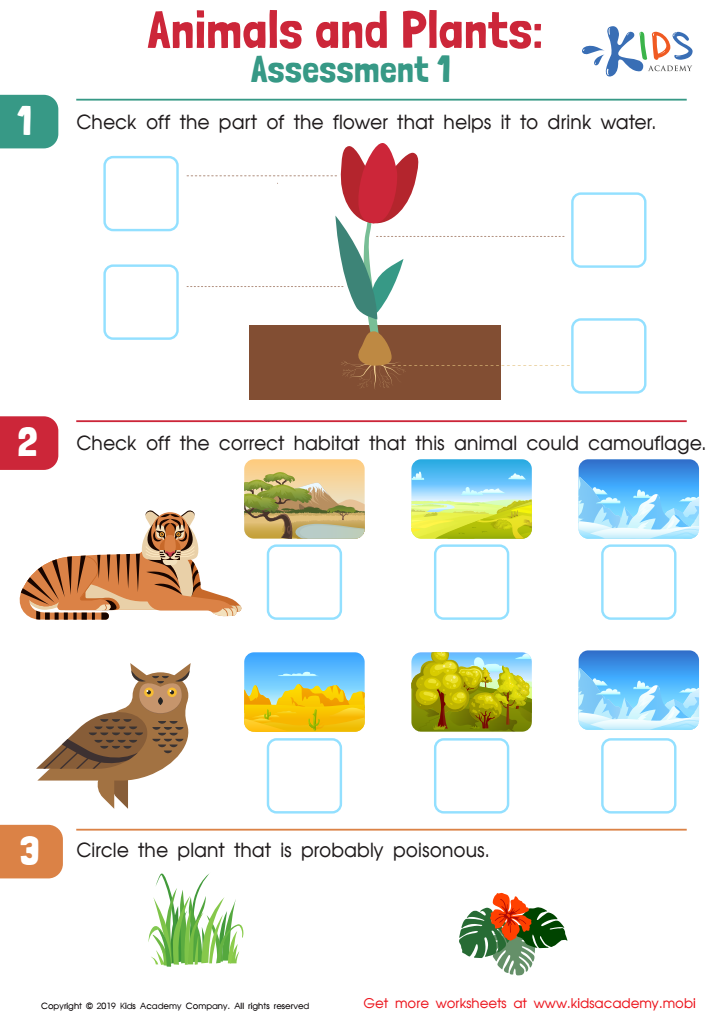
Animals and Plants: Assessment 1 Worksheet








Animal identification is valuable for young children for several reasons. First, it enhances their understanding of the natural world. By learning about various animals and their distinctive features, children develop observational skills that foster curiosity and critical thinking.
Second, animal identification encourages empathy and respect for living beings. When children can recognize and name different animals, they grow more conscious of their unique characteristics and habitats, leading them to appreciate biodiversity and the importance of conservation.
Moreover, this knowledge can support language development. As children learn new names and descriptions, their vocabulary expands, facilitating communication skills crucial for their academic journey.
Animal identification also ties into broader educational themes, such as science and geography, making it a multidisciplinary approach. It promotes experiential learning, where children can engage through field trips, interactive lessons, or storytelling, making learning both effective and enjoyable.
Finally, teaching children about animals provides opportunities for bonding. Parents and teachers can engage in discussions, read books, or visit zoos together, fostering connections and enriching the learning experience. Overall, incorporating animal identification into early education helps cultivate a well-rounded, compassionate, and knowledgeable individual.








