Fraction simplification Worksheets for Ages 5-6
9 filtered results
-
From - To
Discover engaging fraction simplification worksheets designed specifically for children ages 5-6! Our resources help young learners grasp the foundational concepts of fractions through colorful and interactive activities. With a focus on making fraction simplification fun, these worksheets include an array of exercises that encourage critical thinking and problem-solving skills. Kids will practice identifying and reducing fractions, fostering a deep understanding of numerical relationships. Perfect for classroom use or at-home learning, our worksheets promote independent learning, boost confidence, and prepare children for future math challenges. Explore our collection today and help your child develop a strong mathematical foundation!
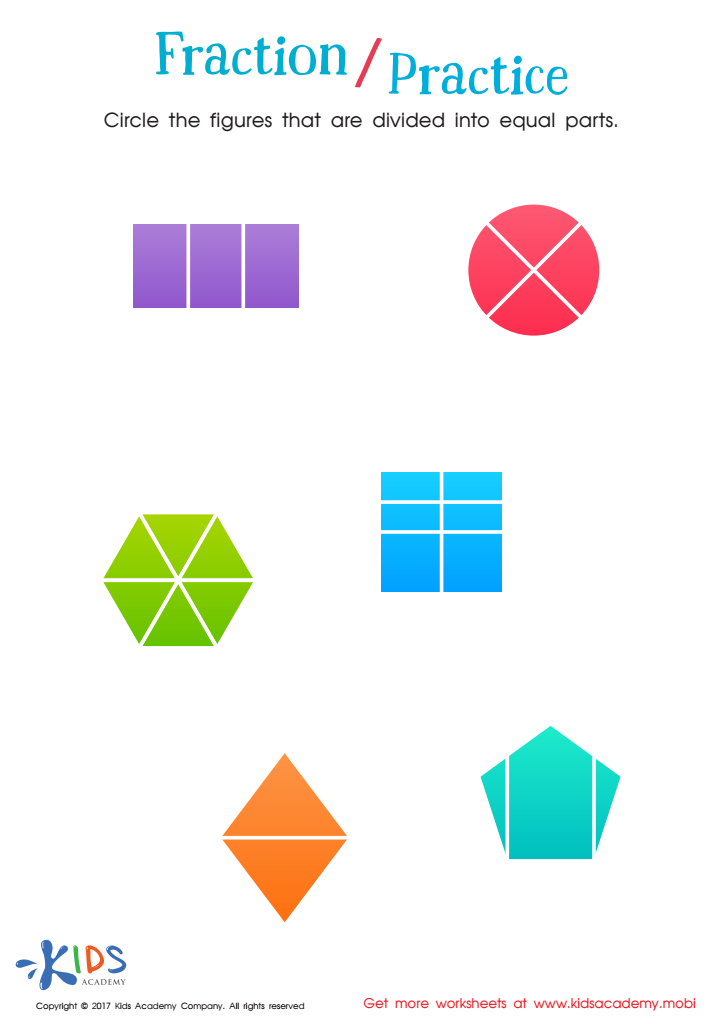
Fractions: Shapes Worksheet
 Assign to My Students
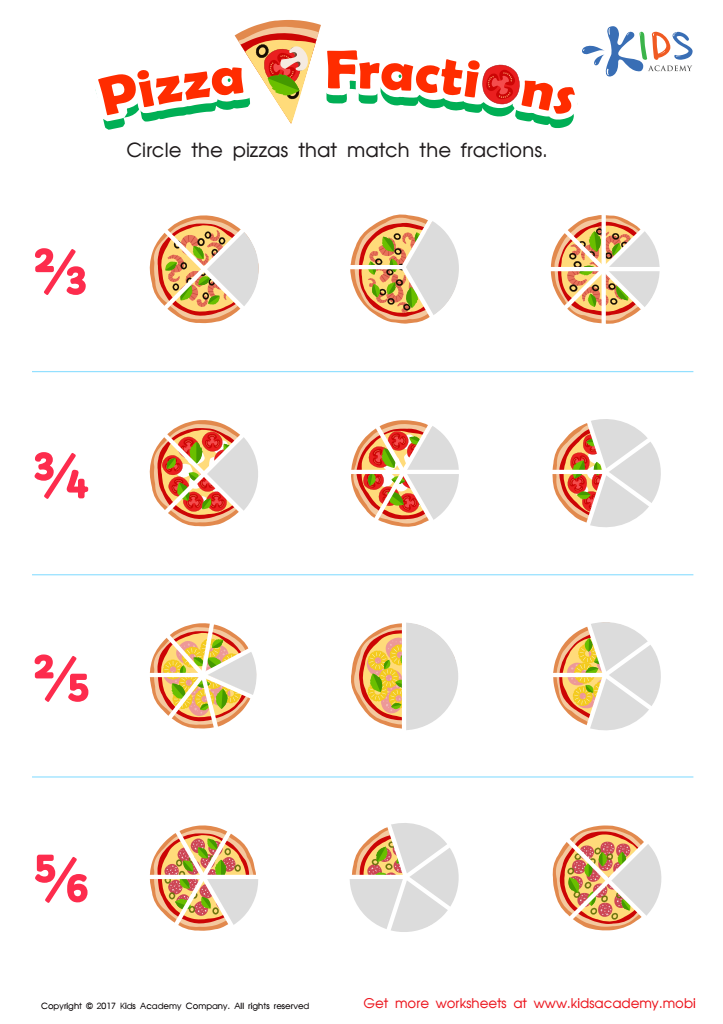
Fractions: Pizza Printable
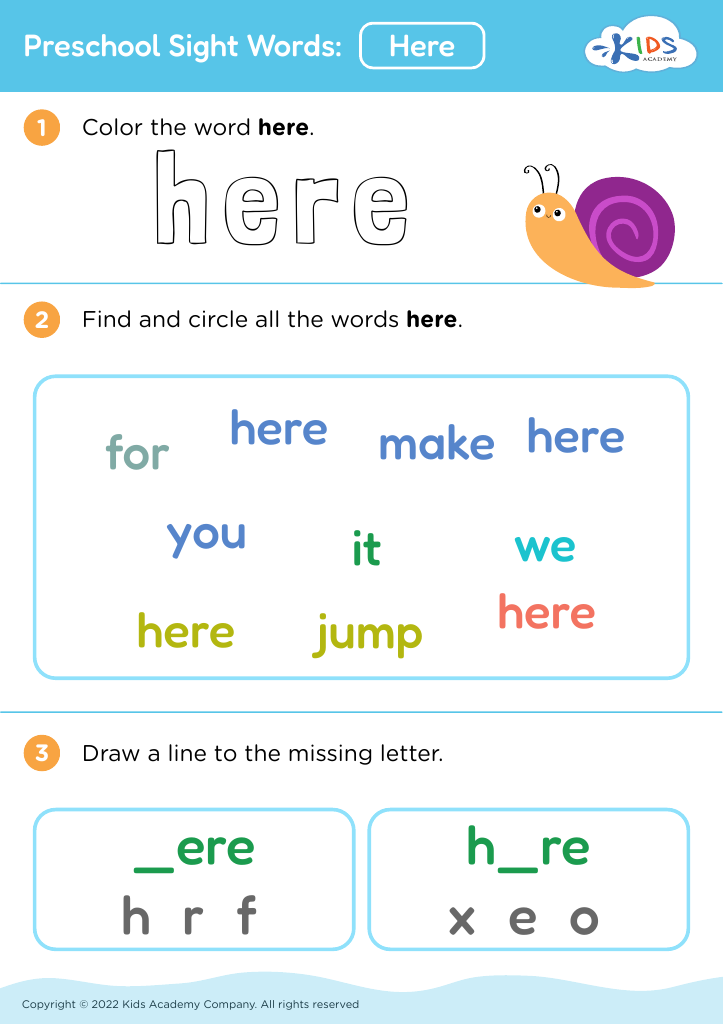
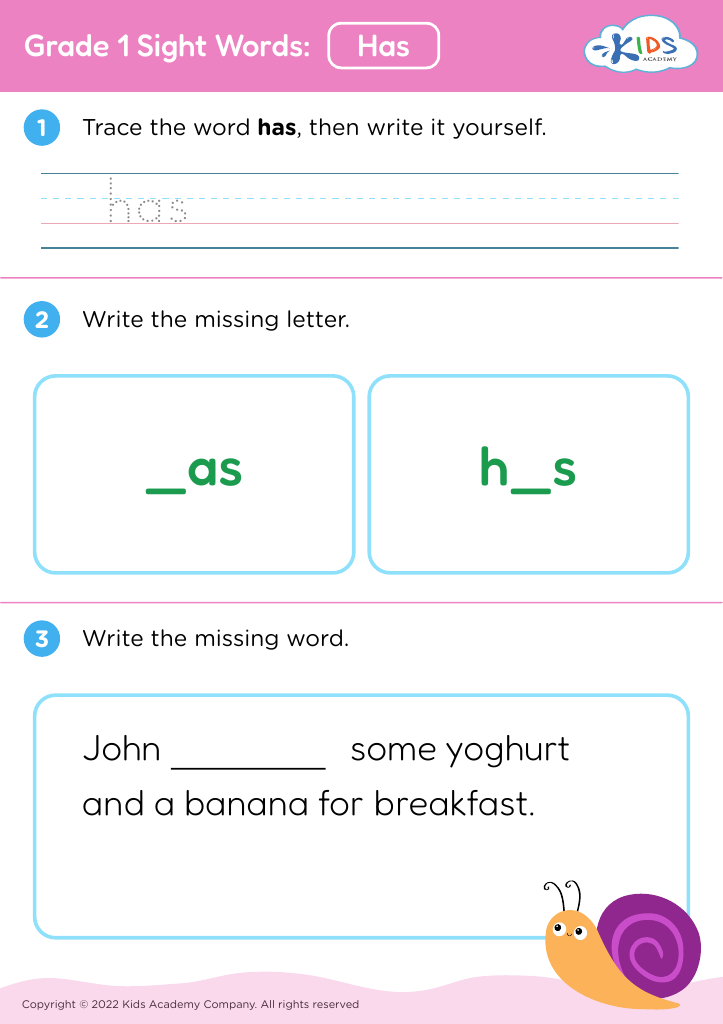





Teaching fraction simplification to children aged 5-6 lays the groundwork for their mathematical understanding. While it may seem advanced for this age group, introducing the concept through fun and engaging activities can foster a positive attitude towards math. Simplifying fractions helps children grasp the idea of parts of a whole, which is essential for their development in numeracy.
Fractions are a fundamental concept in mathematics that appear in everyday life—whether dividing a pizza, sharing toys, or measuring ingredients for a recipe. By familiarizing children with basic fractions and the idea of simplification, parents and teachers set the stage for deeper mathematical concepts later on. This early exposure not only enhances problem-solving skills but also sharpens critical thinking.
Furthermore, simplifying fractions facilitates connections to other areas in math, such as addition, subtraction, and multiplication. Encouraging children to actively simplify fractions can boost their confidence, as they realize they can manipulate numbers and understand relationships between them.
Ultimately, caring about fraction simplification means valuing a child's overall mathematical growth, creating a strong foundation for their future academic success, and equipping them with essential life skills related to math and reasoning.








