Shape identification Worksheets for Ages 5-6
23 filtered results
-
From - To
Explore our engaging Shape Identification Worksheets designed specifically for children ages 5-6! These printable resources help young learners develop essential skills by recognizing and categorizing various shapes. With vibrant illustrations and fun activities, our worksheets make learning enjoyable and interactive. Kids will practice identifying shapes like circles, squares, triangles, and more, while enhancing their ability to describe and differentiate between them. Perfect for classroom or home use, these worksheets encourage creativity and strengthen observational skills. Download our shape identification worksheets to inspire your child's love for learning while building a strong foundation in geometry! Dive into fun educational adventures today!
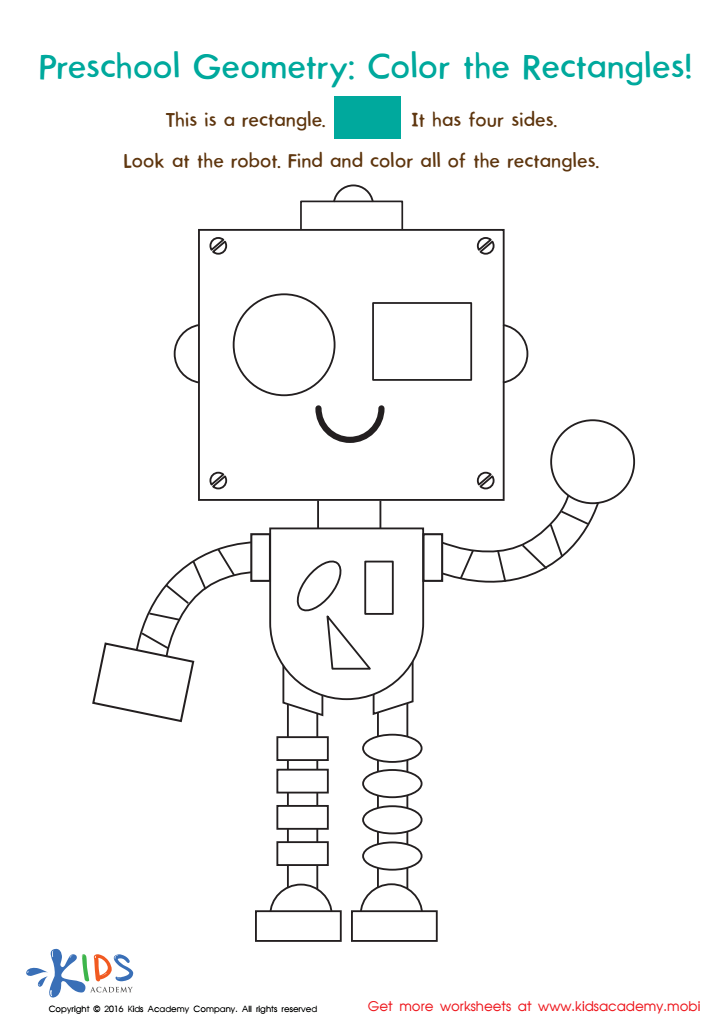
Geometry Worksheet
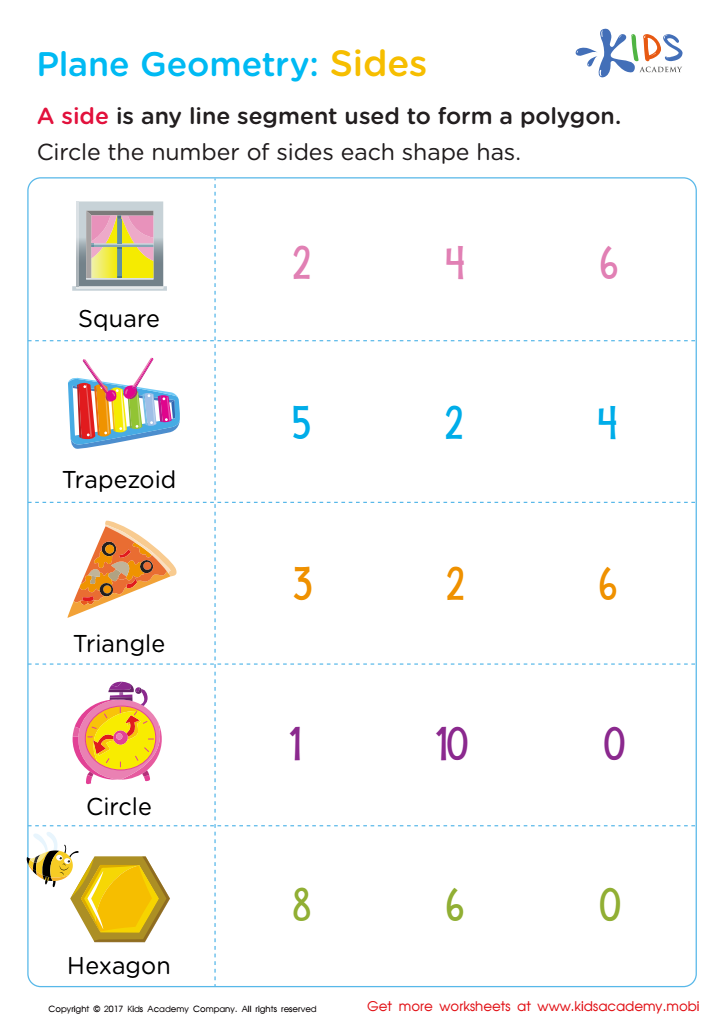
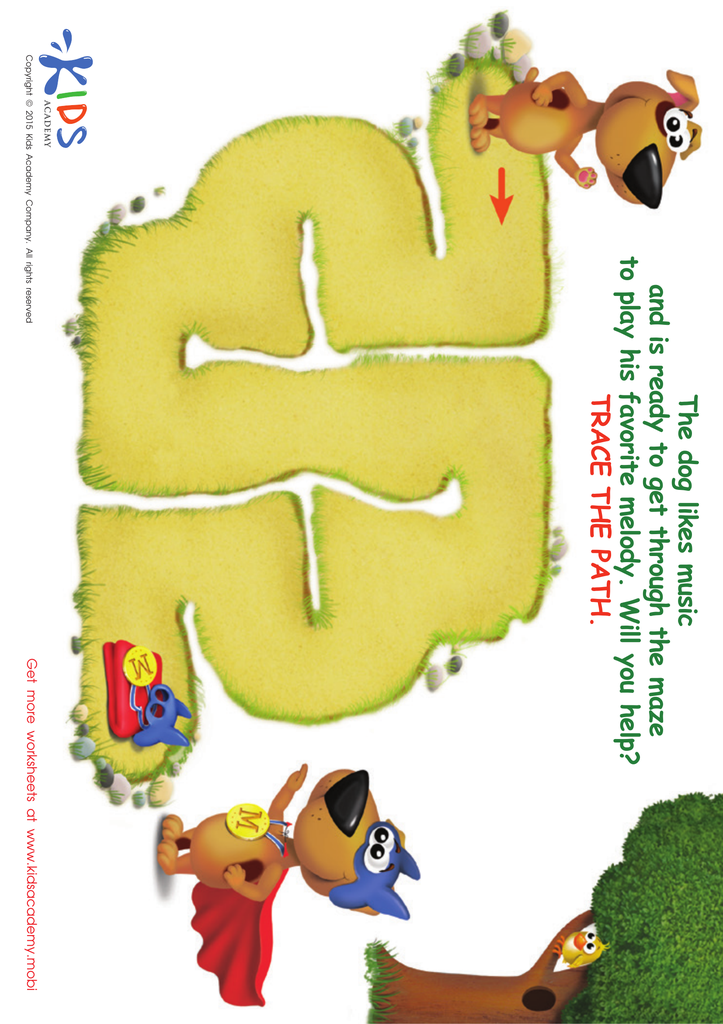
Superman Maze Worksheet
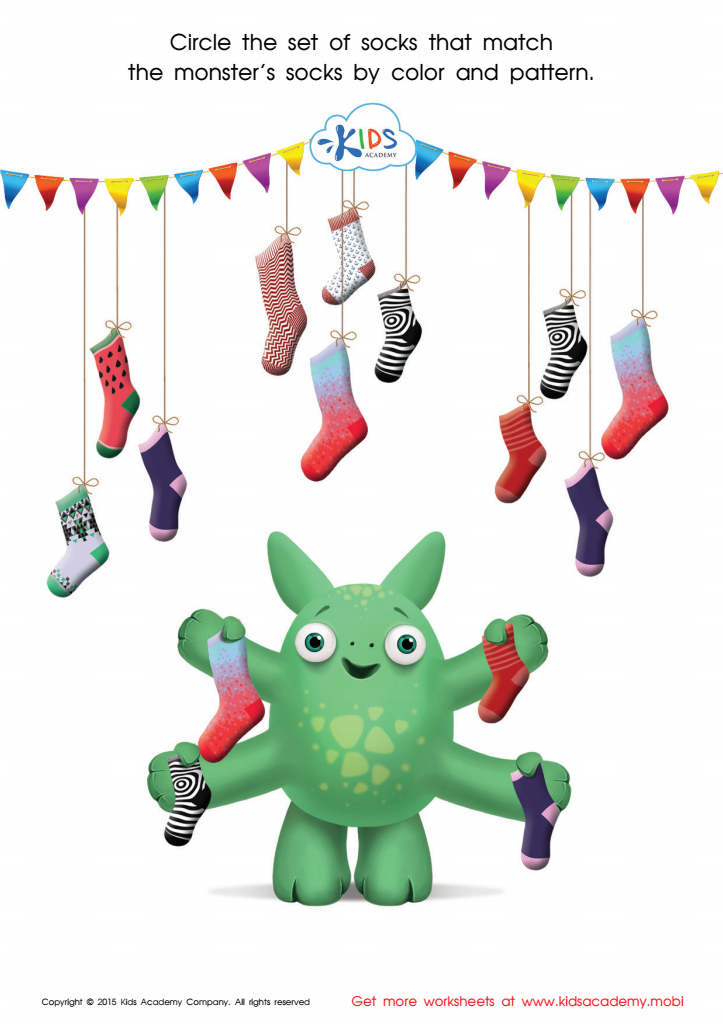
Sort the Monster's Socks Worksheet
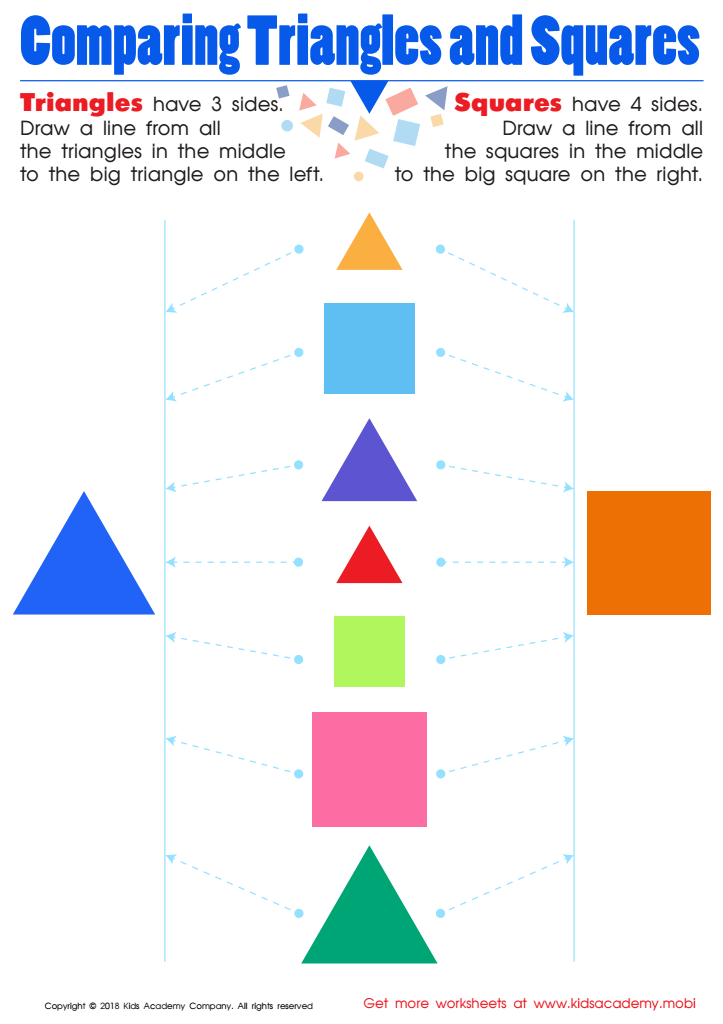
Comparing Triangles Squares Worksheet
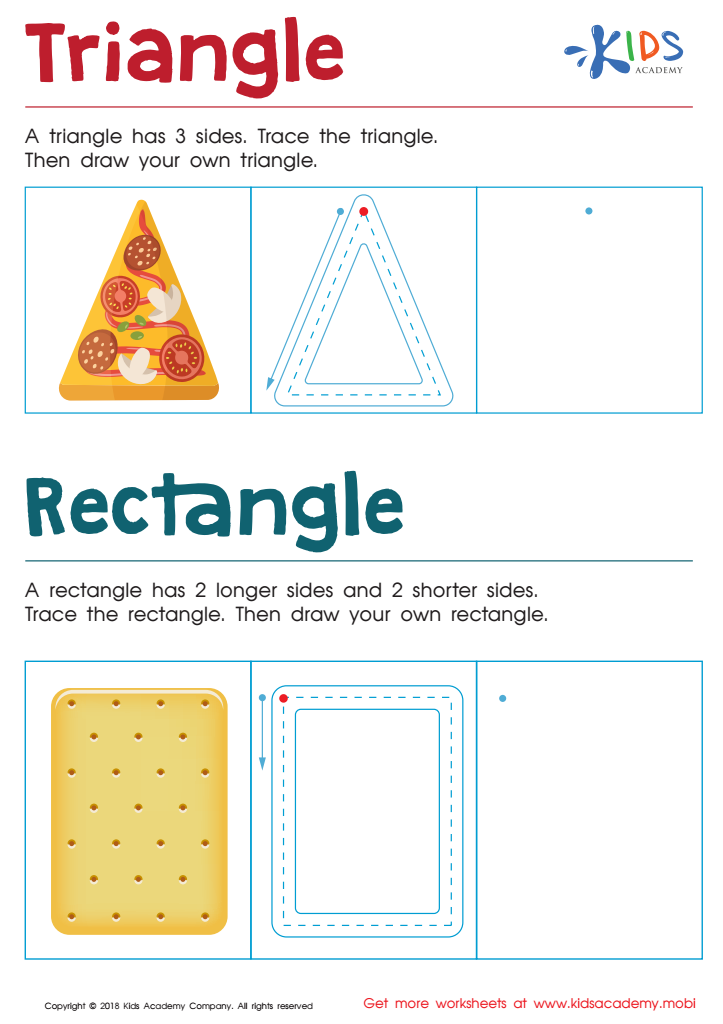
Triangle Rectangle Worksheet
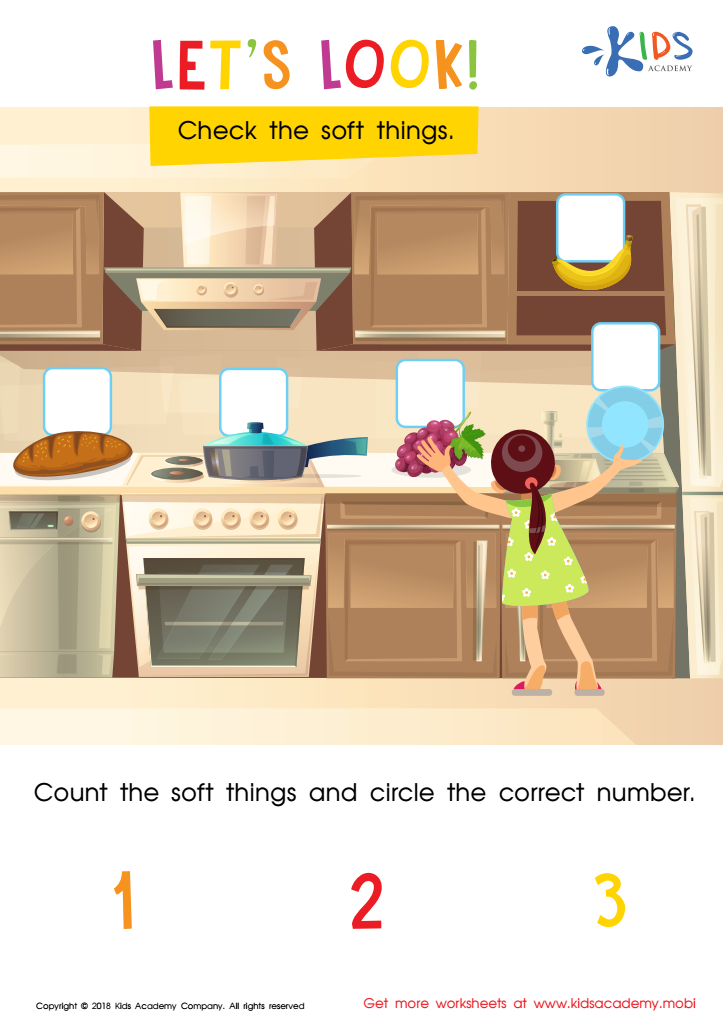
Let's Look! Assessment Worksheet
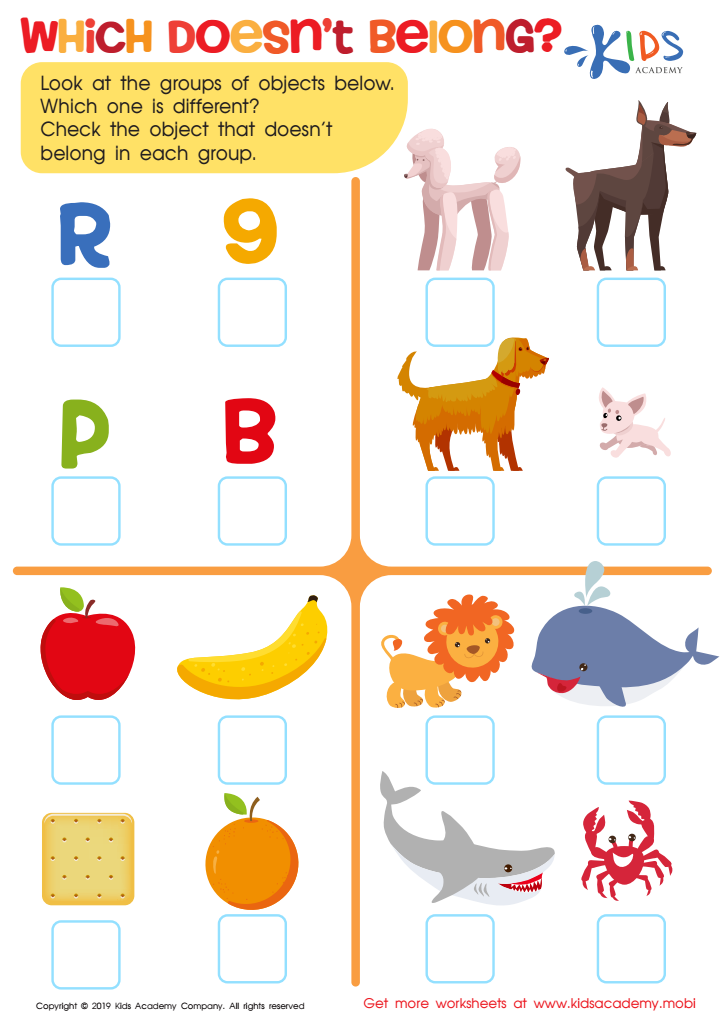
Which Doesn't Belong? Worksheet
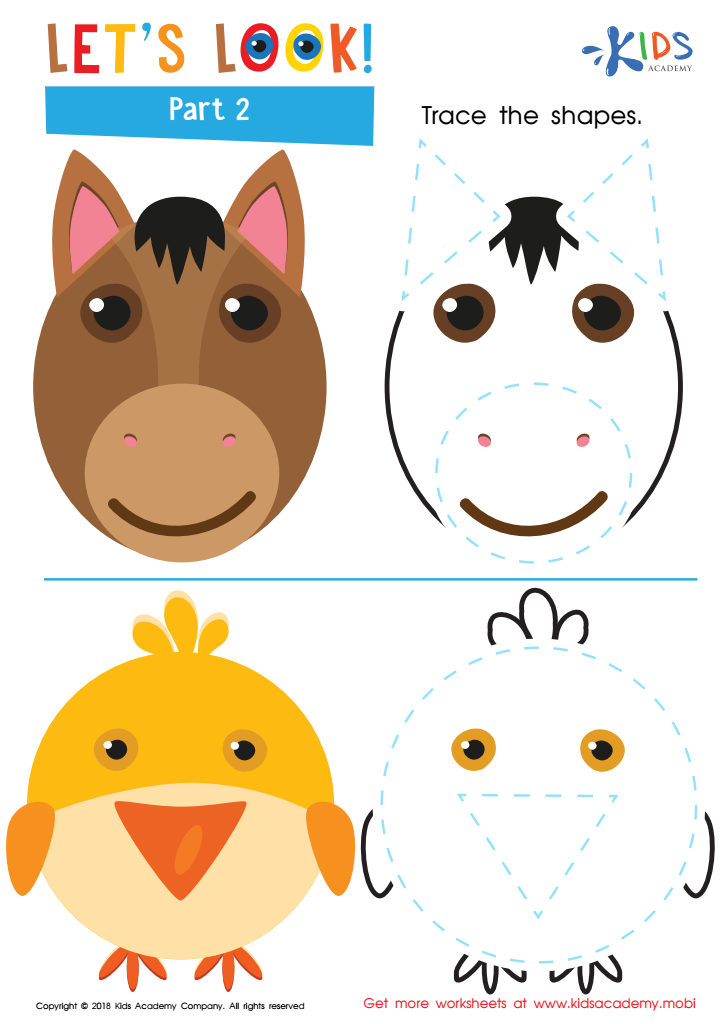
Let's Look! Part 2 Worksheet
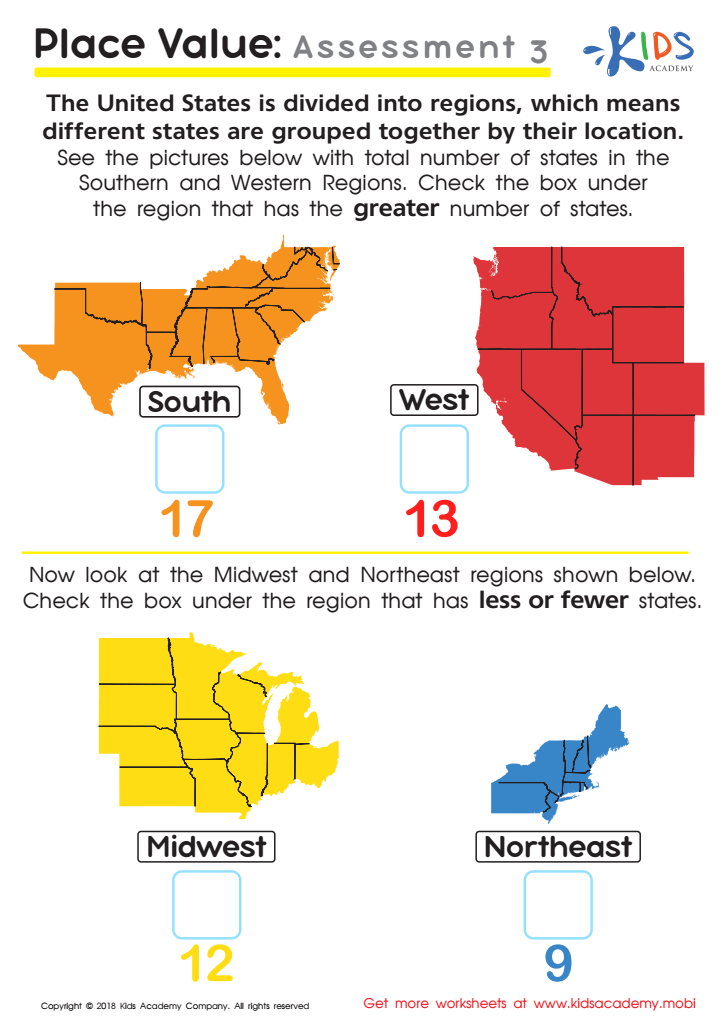
Place Value: Assessment 3 Worksheet
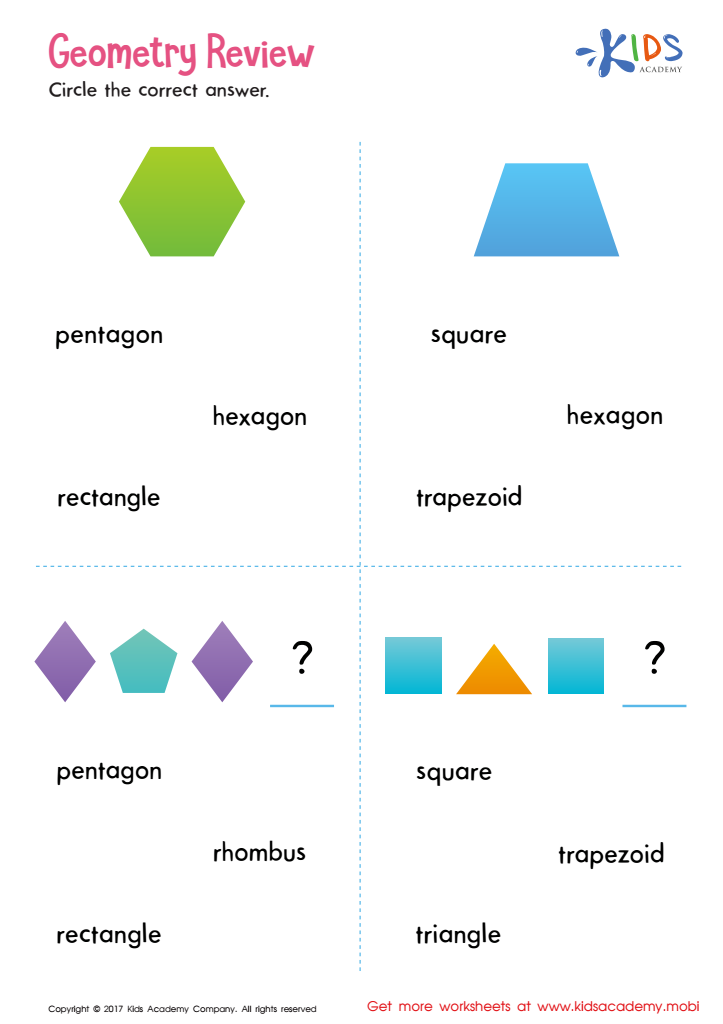
Geometry Review Printable
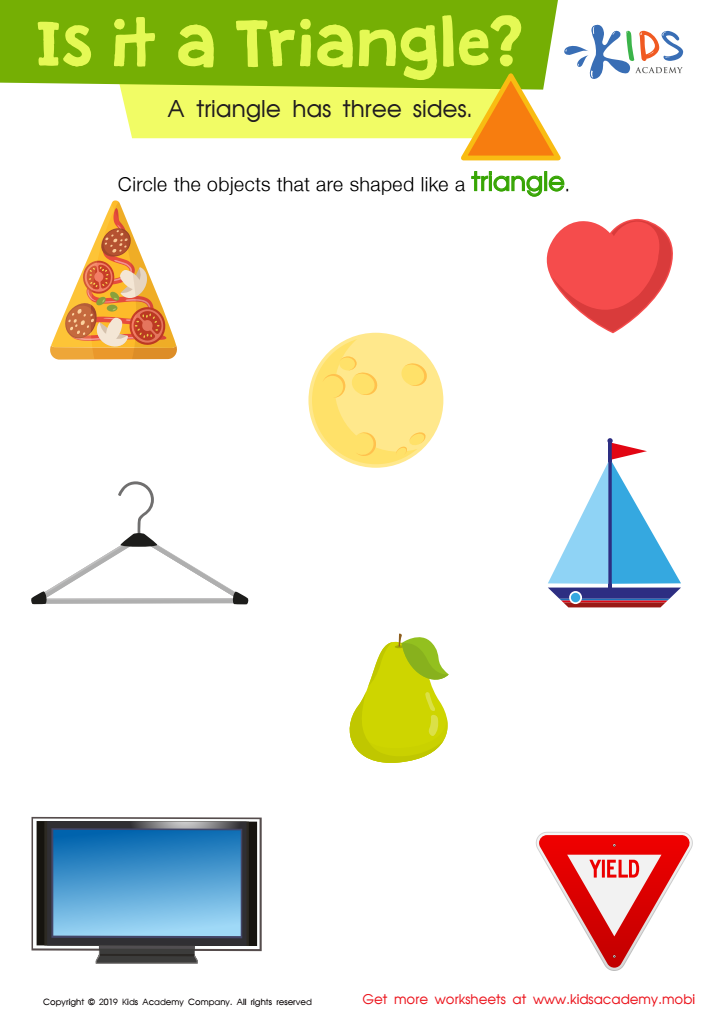
Is It a Triangle? Worksheet
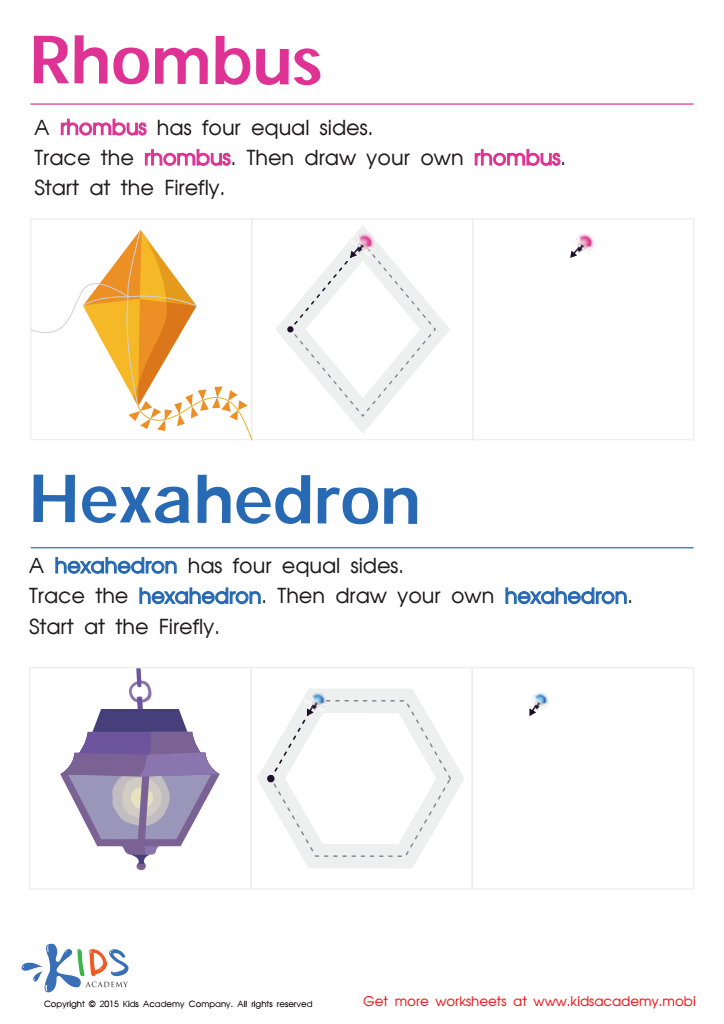
Draw a Rhombus And a Hexahedron Printable
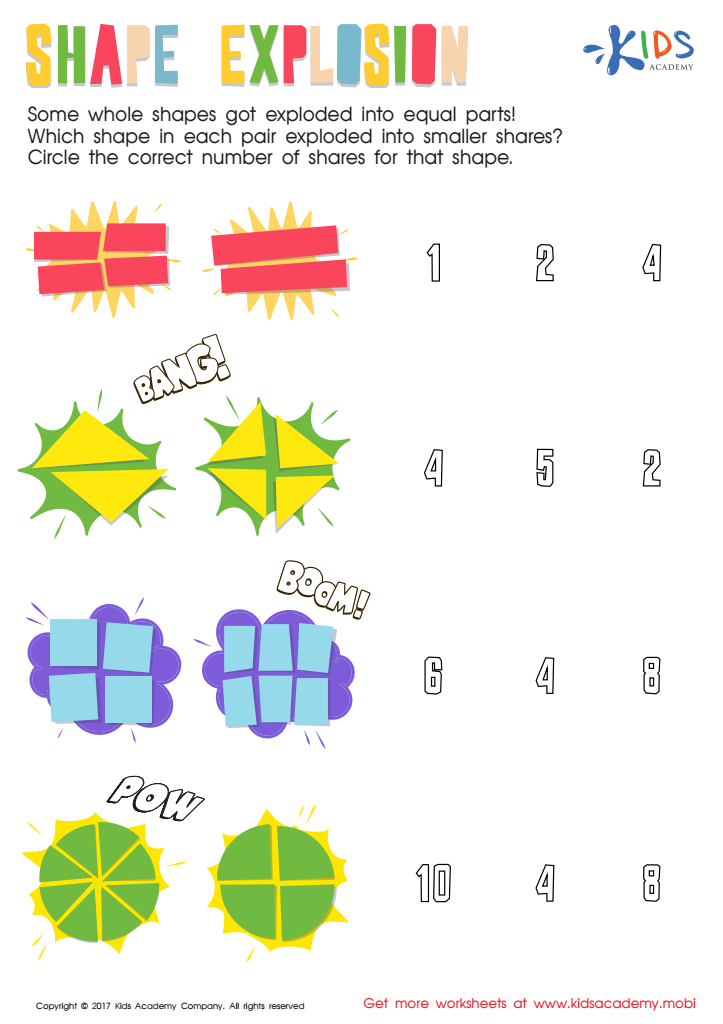
Shape Explosion Worksheet
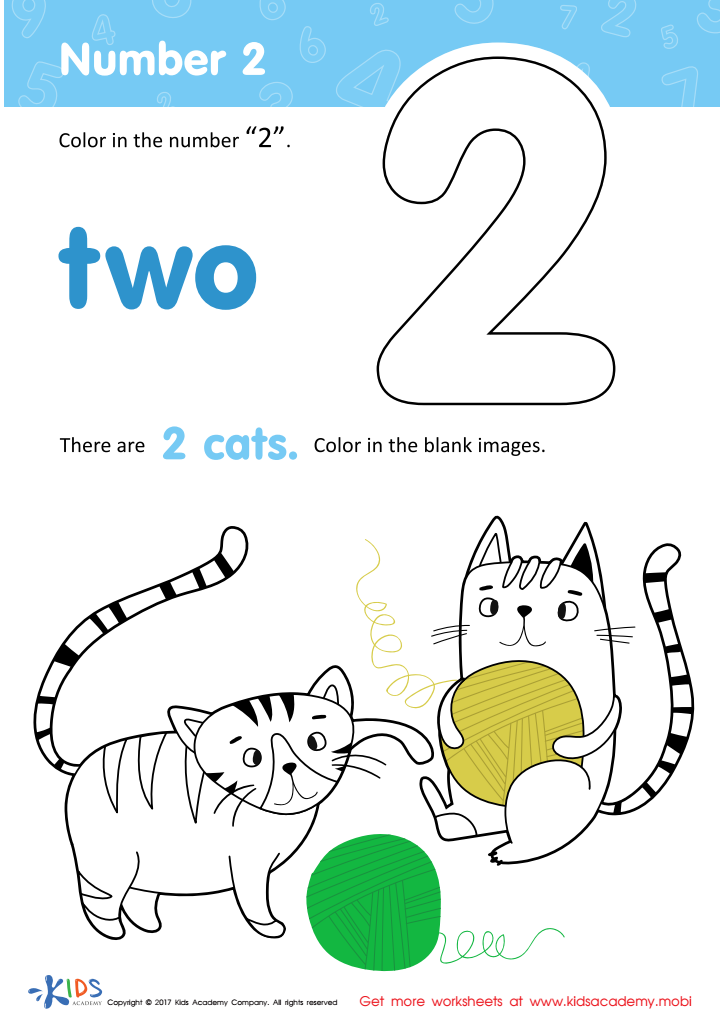
Number 2 Printable
 Assign to My Students
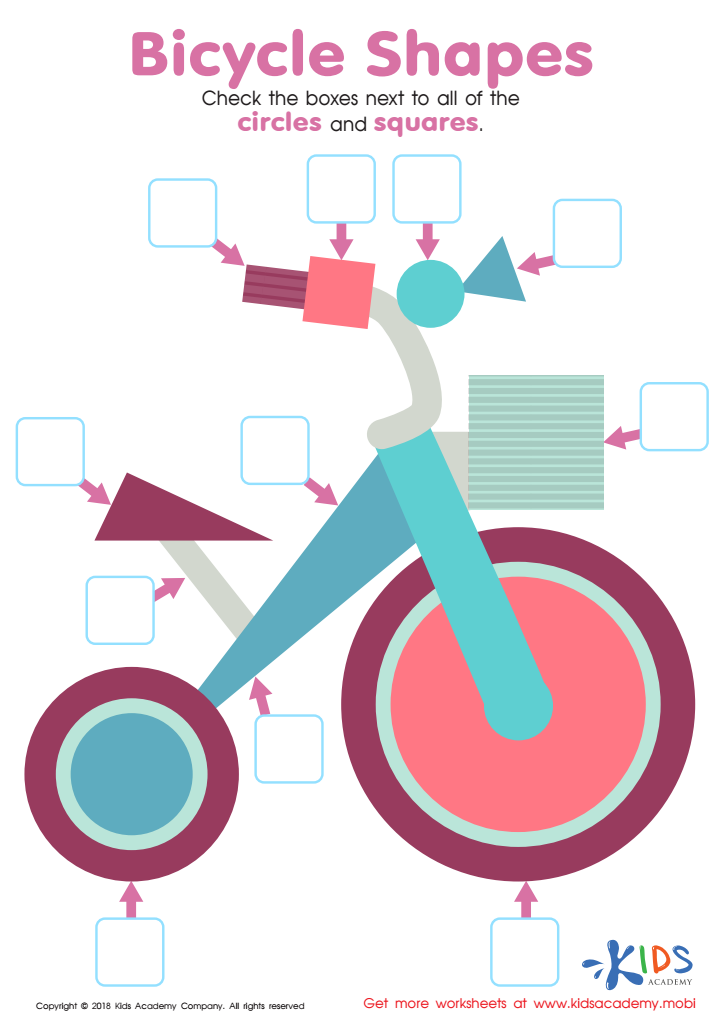
Bicycle Shapes Worksheet
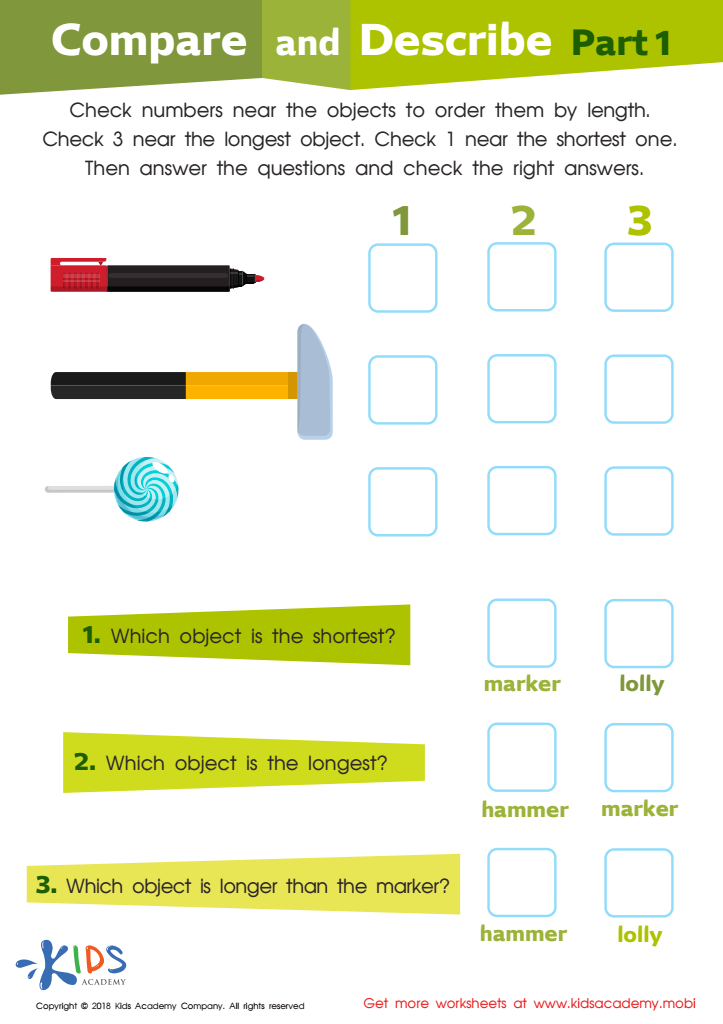
Compare and Describe: Part 1 Worksheet
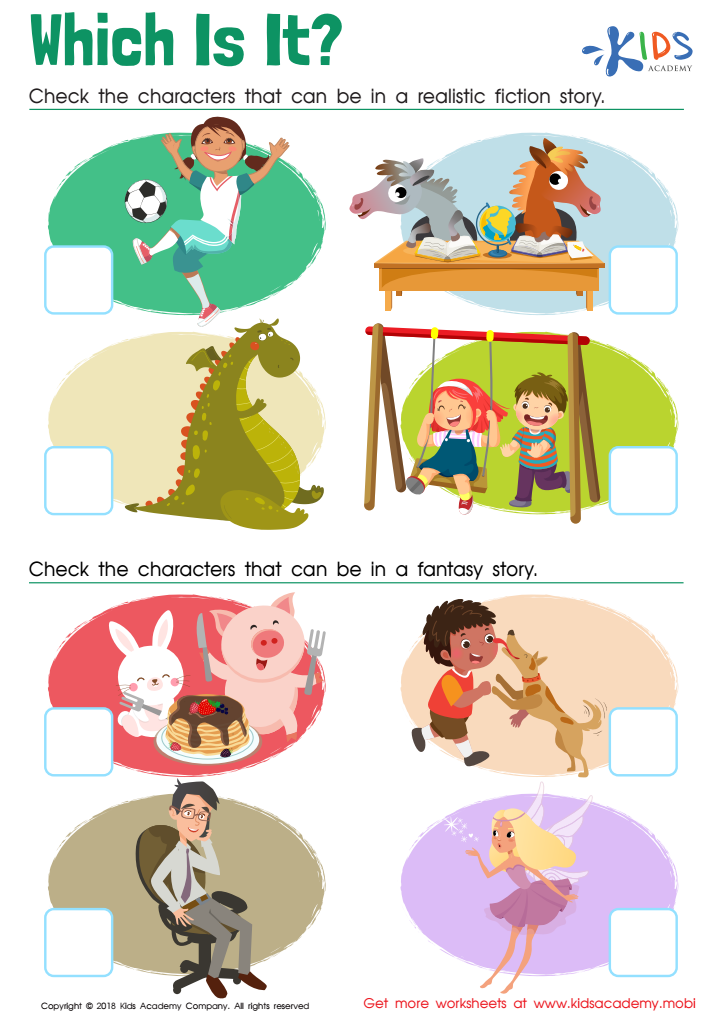
Which Is It? Worksheet
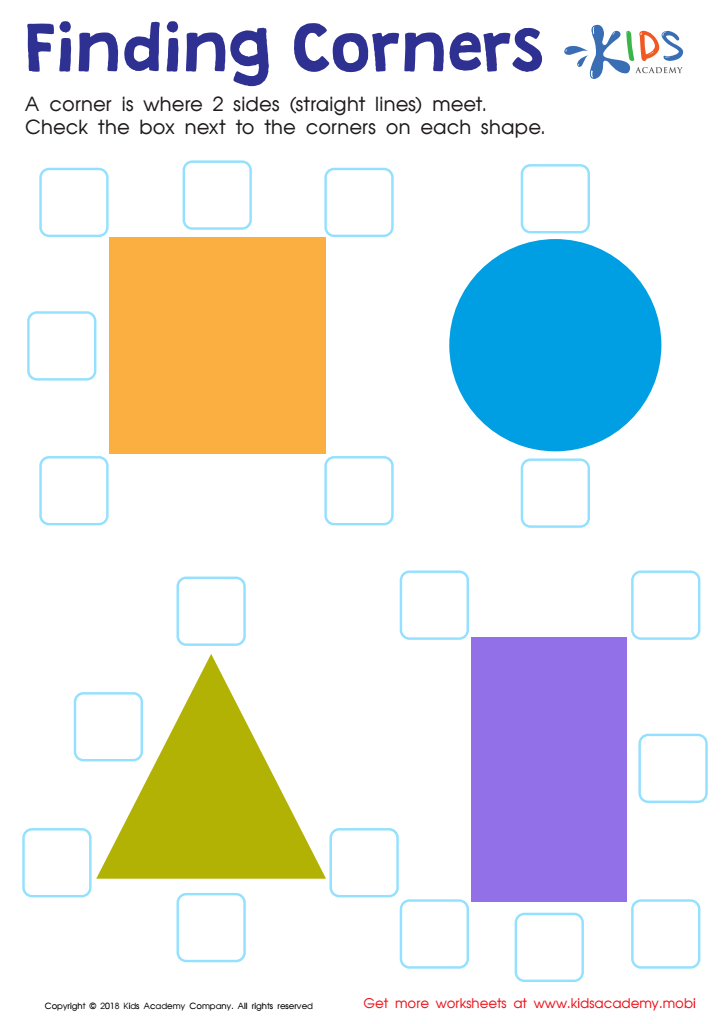
Finding Corners Worksheet
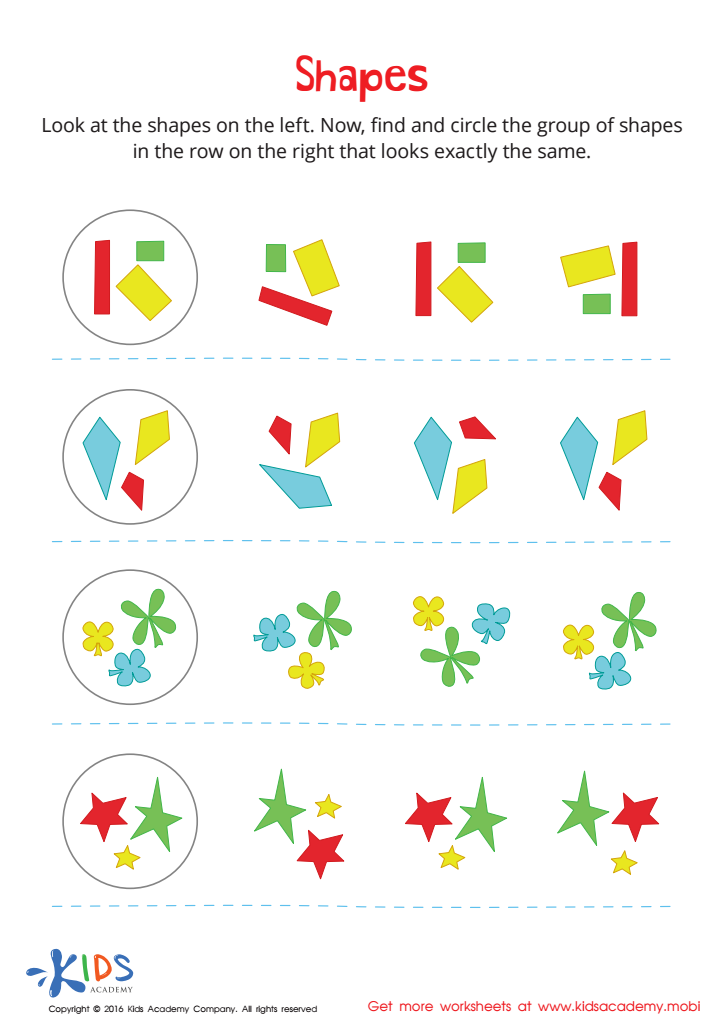
Shapes Worksheet
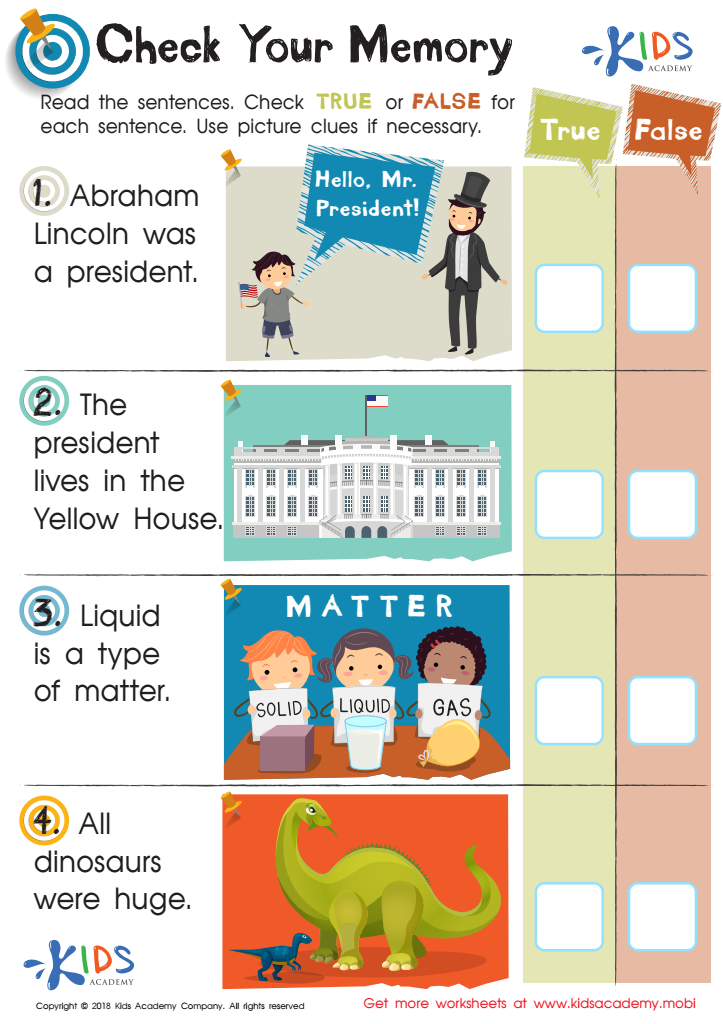
Check Memory Worksheet






Shape identification is a fundamental skill for children aged 5-6, serving as a building block for various cognitive and developmental milestones. Parents and teachers should prioritize this learning area for several reasons.
Firstly, understanding shapes enhances spatial awareness—a crucial skill for daily navigation and problem-solving. By recognizing different shapes, children develop the ability to visualize and manipulate objects in their environment, making them more adept at tasks like drawing, building, and even later math operations.
Secondly, shape identification fosters early mathematical understanding. Shapes often serve as the first introduction to geometry, allowing children to classify and categorize objects, paving the way for more complex mathematical concepts. It also aids in enhancing vocabulary, as teachers and parents can introduce related terms and encourage descriptive language.
Furthermore, engaging activities surrounding shape identification can improve fine motor skills through hands-on exploration, such as drawing, cutting, and assembling shape-based crafts. Social skills can also be developed as children collaborate in group activities focused on shapes.
Overall, prioritizing shape identification contributes to holistic development, where cognitive, linguistic, and motor skills converge, making it a critical focus for both parents and educators during these formative years.








