Problem-Solving Skills 2D Shapes Worksheets for Ages 5-6
7 filtered results
-
From - To
Enhance your young learner's problem-solving skills with our engaging 2D Shapes Worksheets designed for ages 5-6. These thoughtfully crafted activities not only introduce foundational knowledge of shapes such as circles, squares, triangles, and rectangles but also challenge children to think critically and creatively. Each worksheet encourages reasoning through fun exercises, such as matching, sorting, and identifying shapes in various contexts. This interactive approach fosters cognitive development while making learning enjoyable. Perfect for homeschooling or classroom use, our worksheets support early math education and build essential skills that set the stage for future academic success. Explore the exciting world of shapes today!
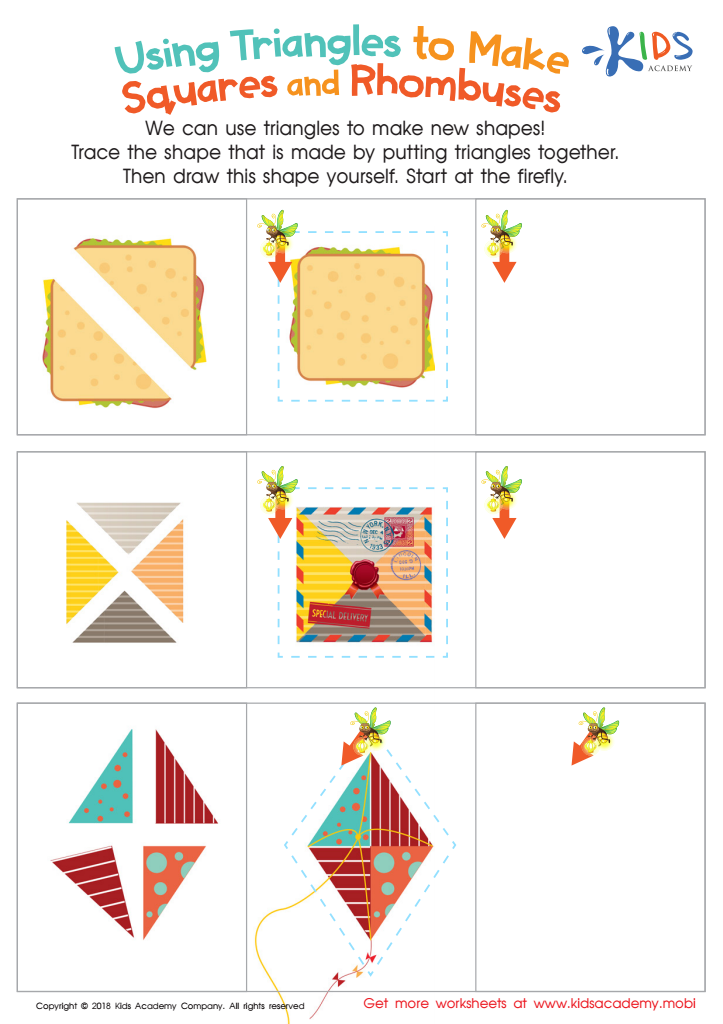
Using Triangles to Make Squares and Rhombuses Worksheet
 Assign to My Students

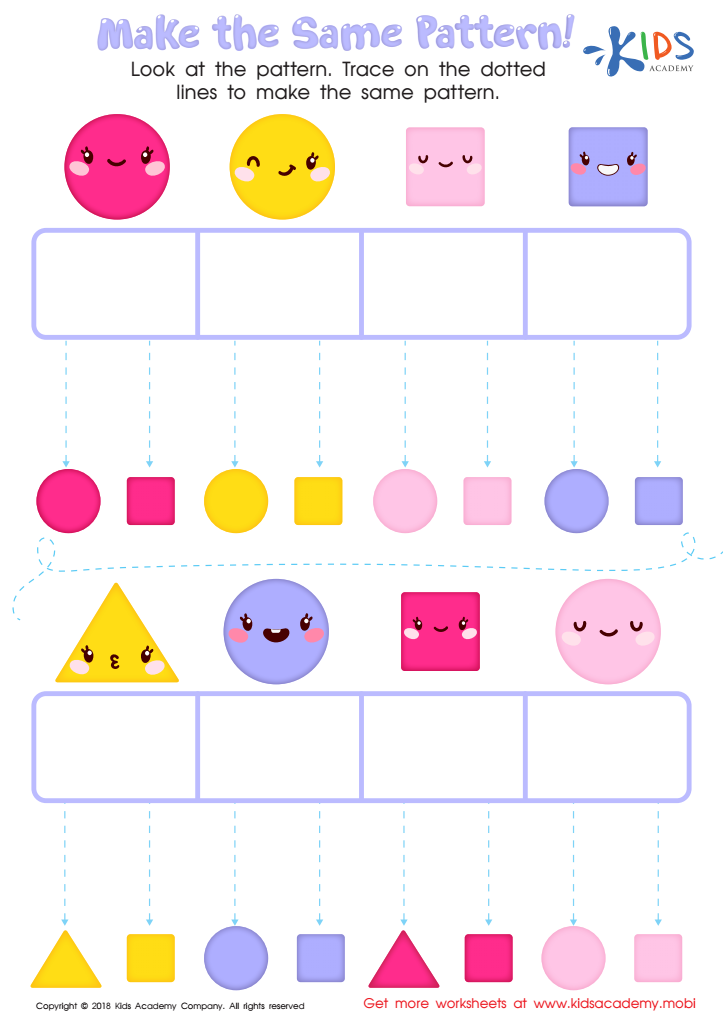
Make the Same Pattern Worksheet
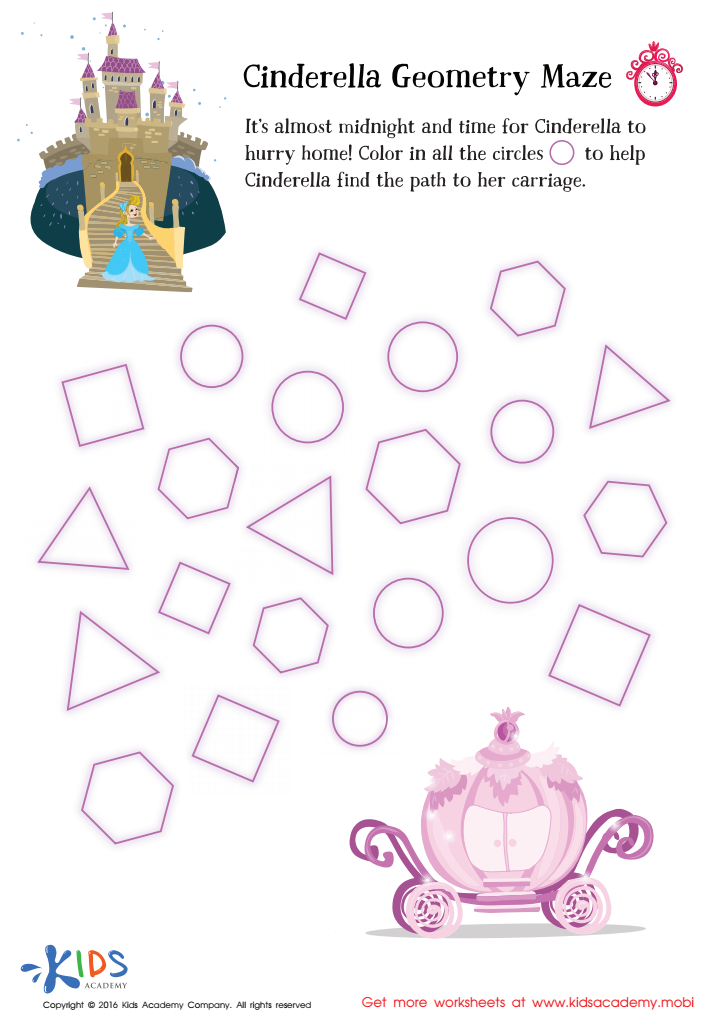
Cinderella Geometry Maze Worksheet
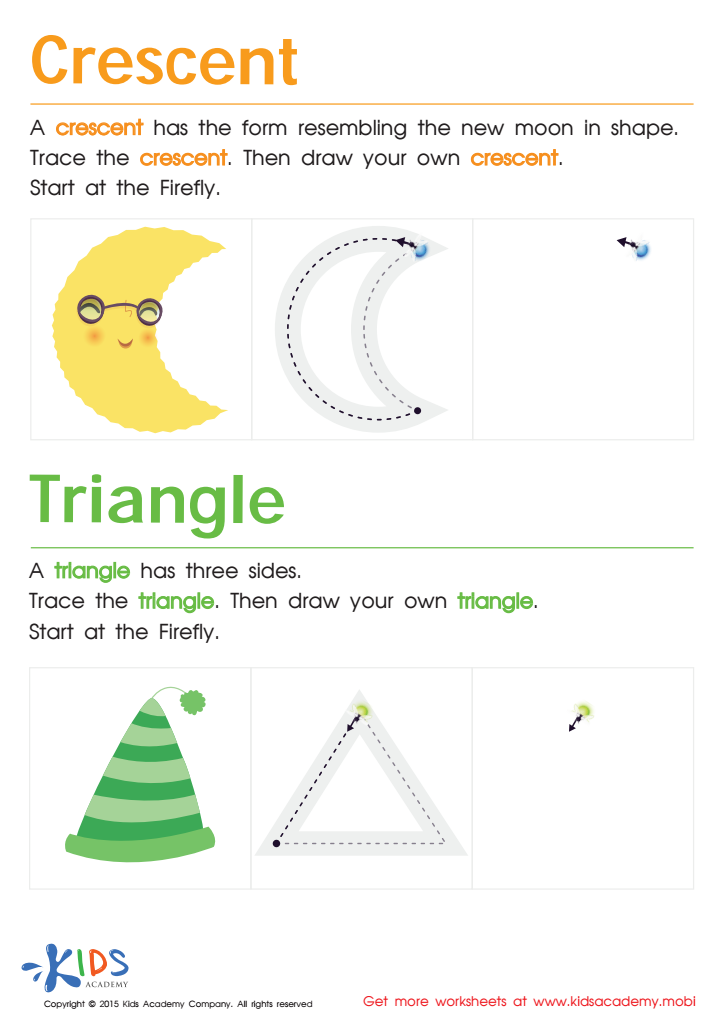
Learning to Draw Crescents And Triangles Worksheet
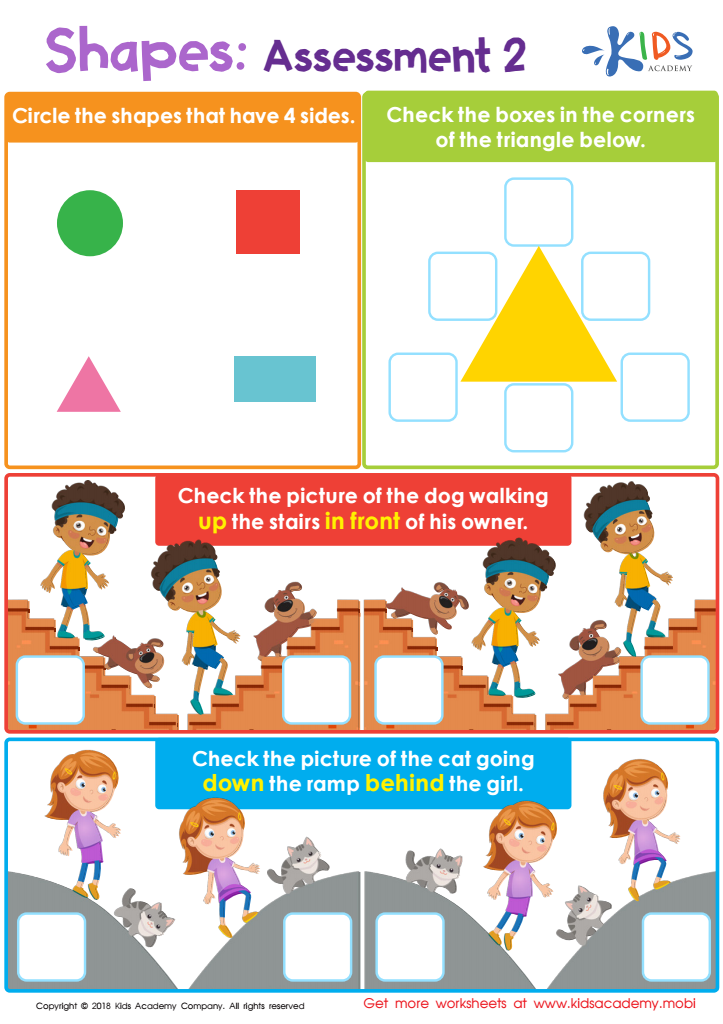
Shapes: Assessment 2 Worksheet
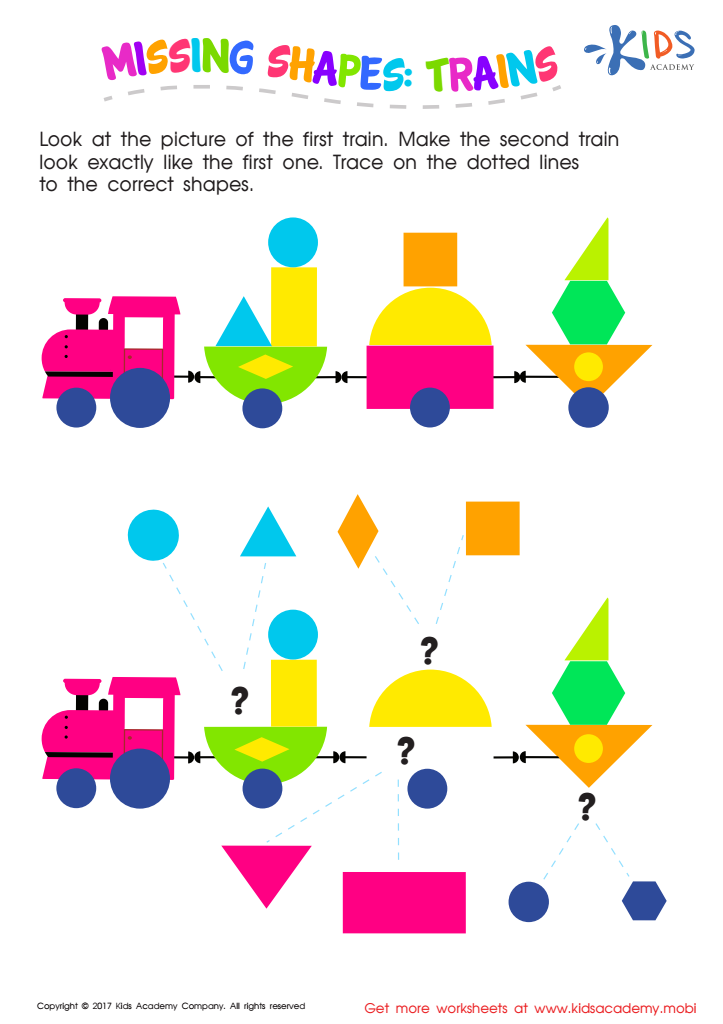
Missing Shapes: Trains Worksheet
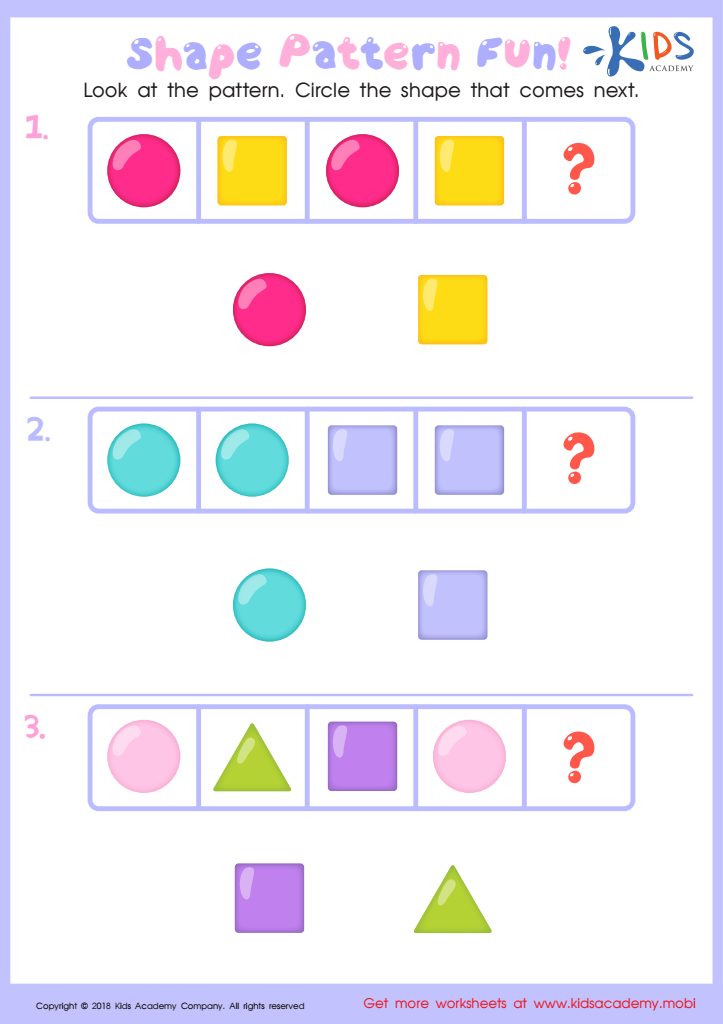
Shape Pattern Fun Worksheet








Problem-solving skills, especially in the context of 2D shapes, are essential for children ages 5-6 as they lay the foundation for critical thinking and cognitive development. Understanding 2D shapes not only enhances math skills but also promotes spatial awareness, which is crucial for tasks such as reading maps or recognizing patterns in everyday life.
When parents and teachers prioritize problem-solving with 2D shapes, they help children develop logical reasoning and creative thinking. Engaging in activities that involve identifying, comparing, and manipulating shapes fosters curiosity and encourages exploration, key components of effective learning for this age group.
Moreover, mastering 2D shapes aids in the development of fine motor skills through drawing, cutting, and constructing with shapes. These activities enhance coordination and encourage hand-eye coordination, which are vital for later academic tasks like writing.
Furthermore, problem-solving activities are often cooperative, promoting social interaction and communication. Children learn to share ideas, negotiate, and celebrate successes, building teamwork skills.
In essence, cultivating problem-solving skills related to 2D shapes not only enriches a child's mathematical robustness but also nurtures essential life skills, contributing holistically to their early development.