Basic Addition Numbers Worksheets for Ages 5-6 - Page 2
38 filtered results
-
From - To
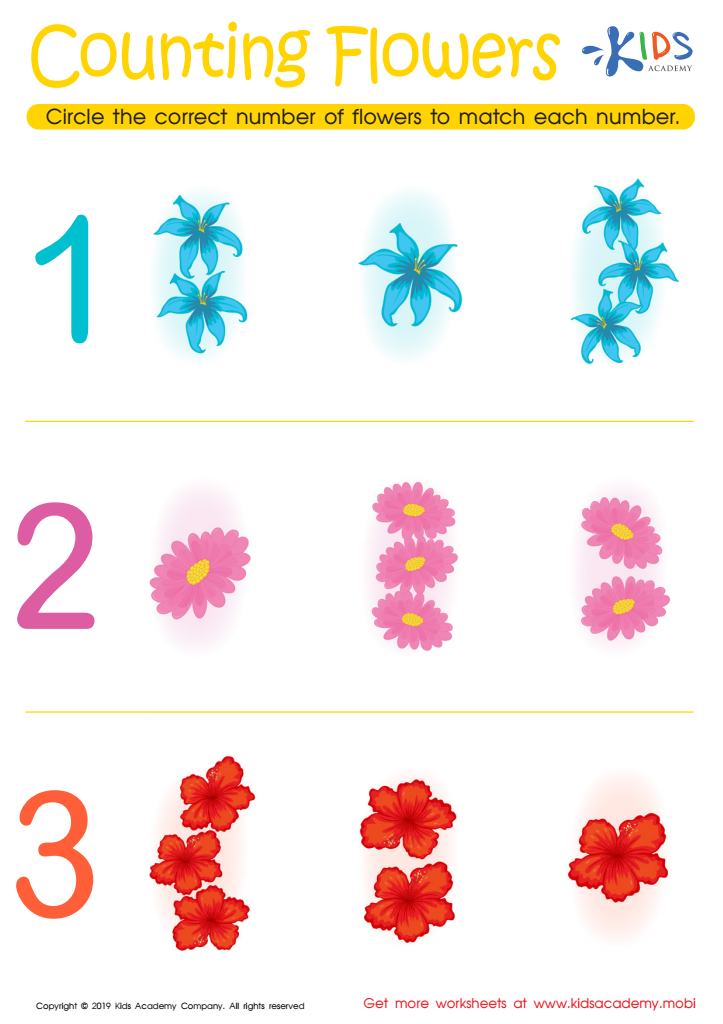
Counting Flowers Worksheet
 Assign to My Students
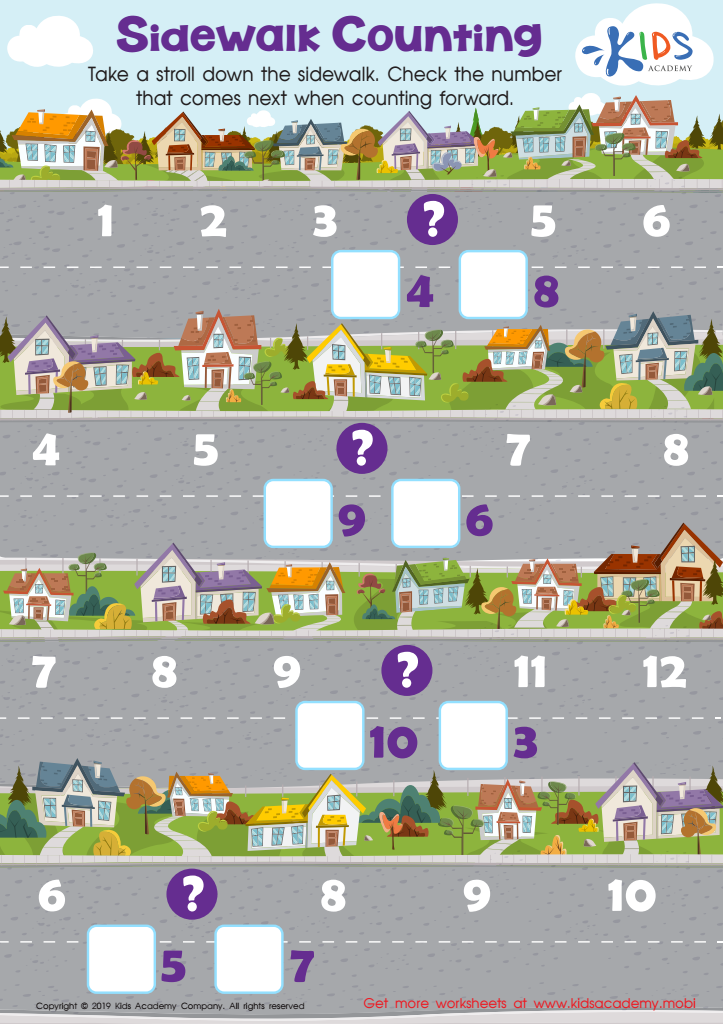
Sidewalk Counting Worksheet
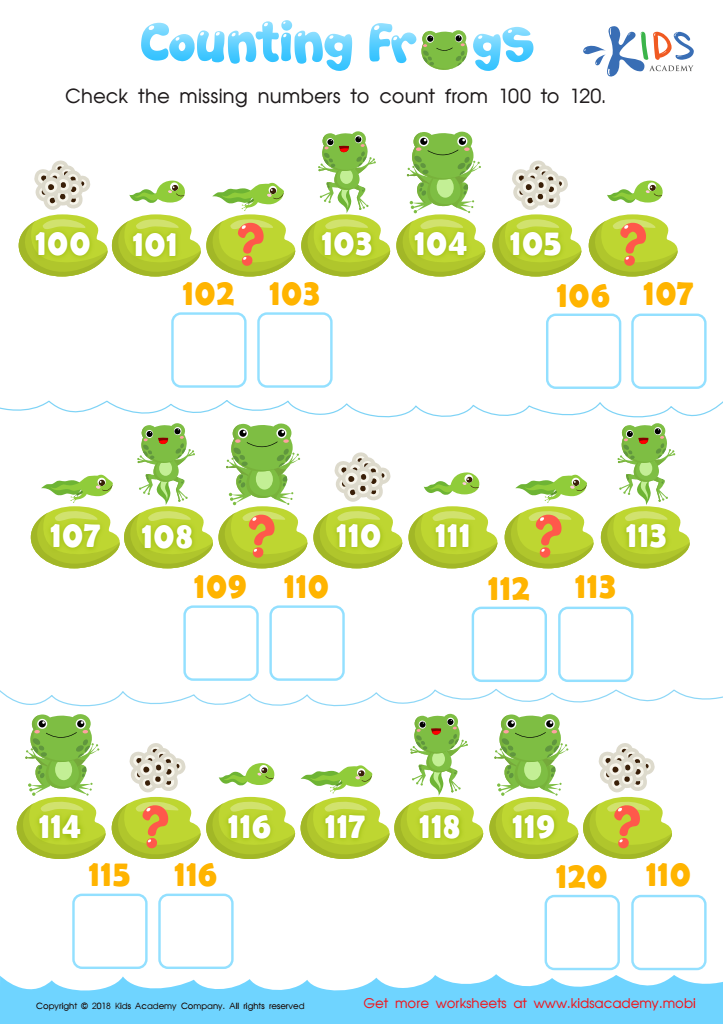
Counting Frogs Worksheet
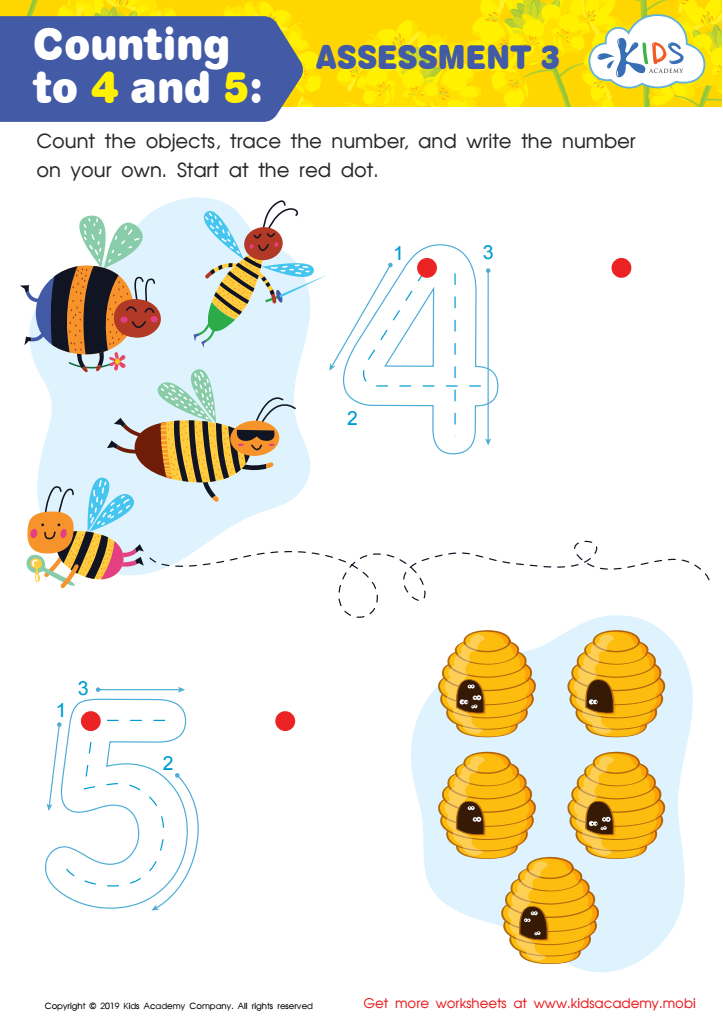
Counting to 4 and 5: Assessment 3 Worksheet
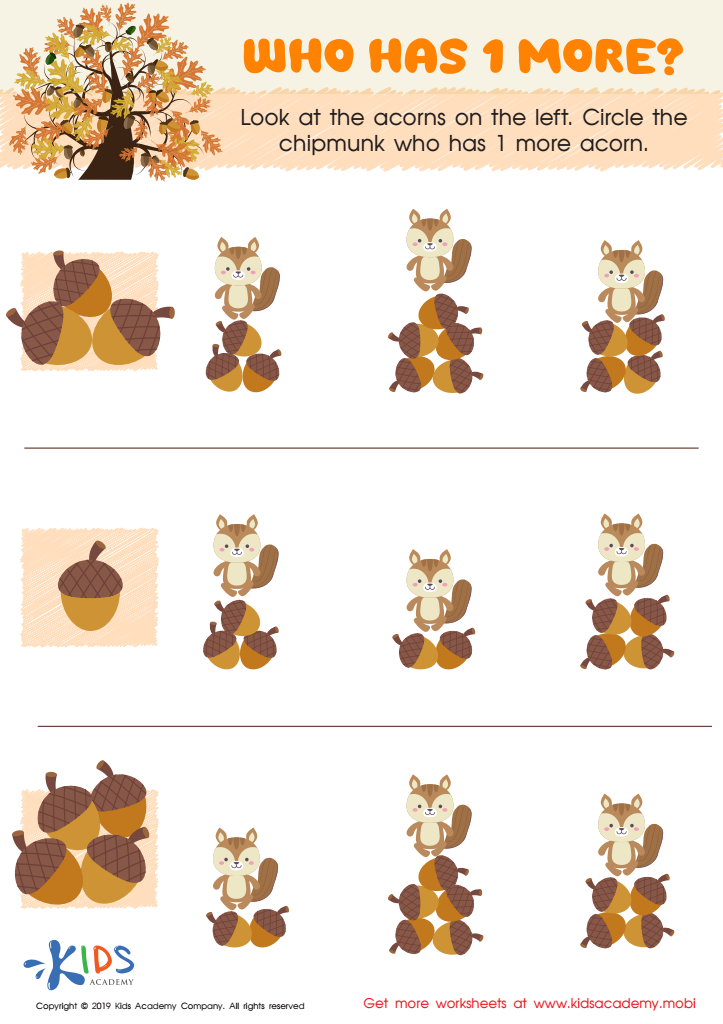
Who Has 1 More? Worksheet
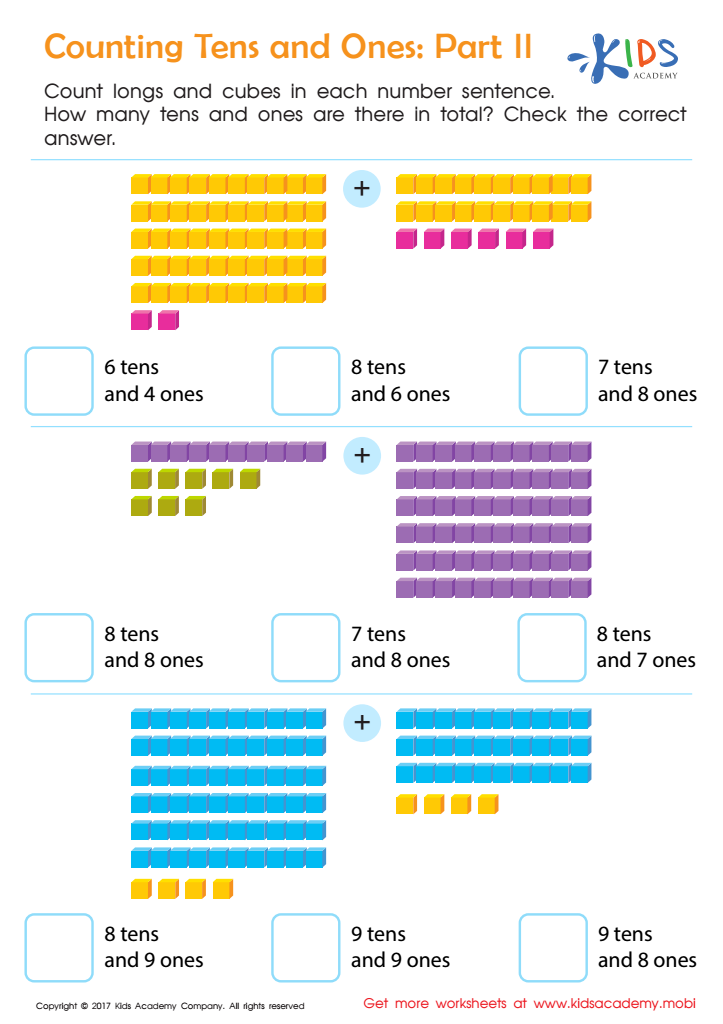
Counting Tens and Ones: Part 2 Worksheet
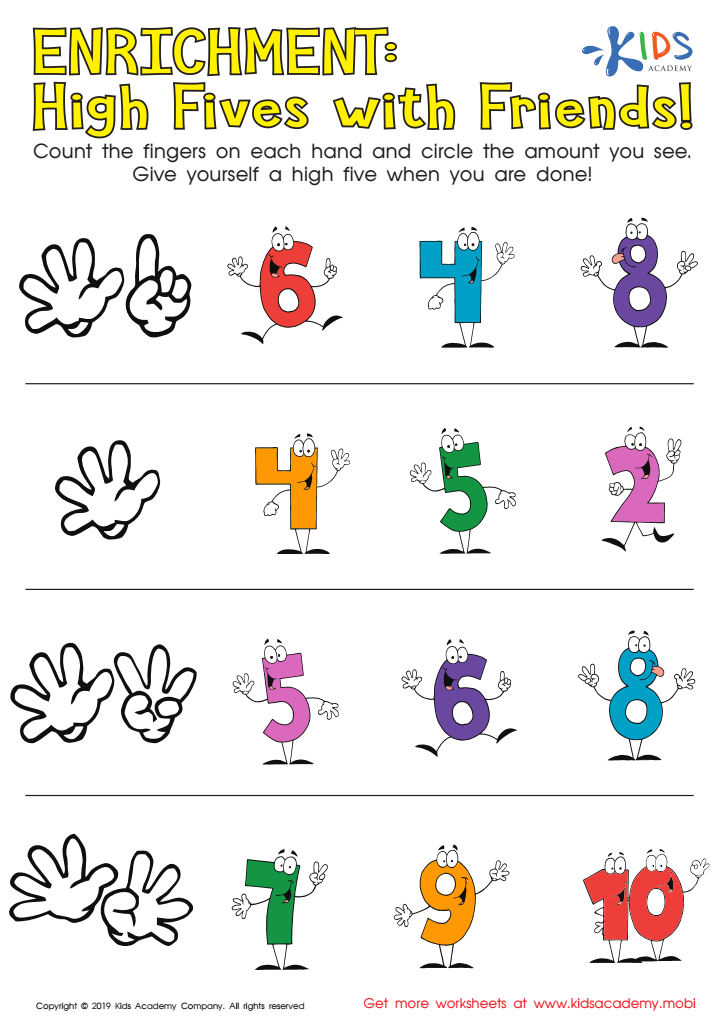
Enrichment: High Fives with Friends! Worksheet
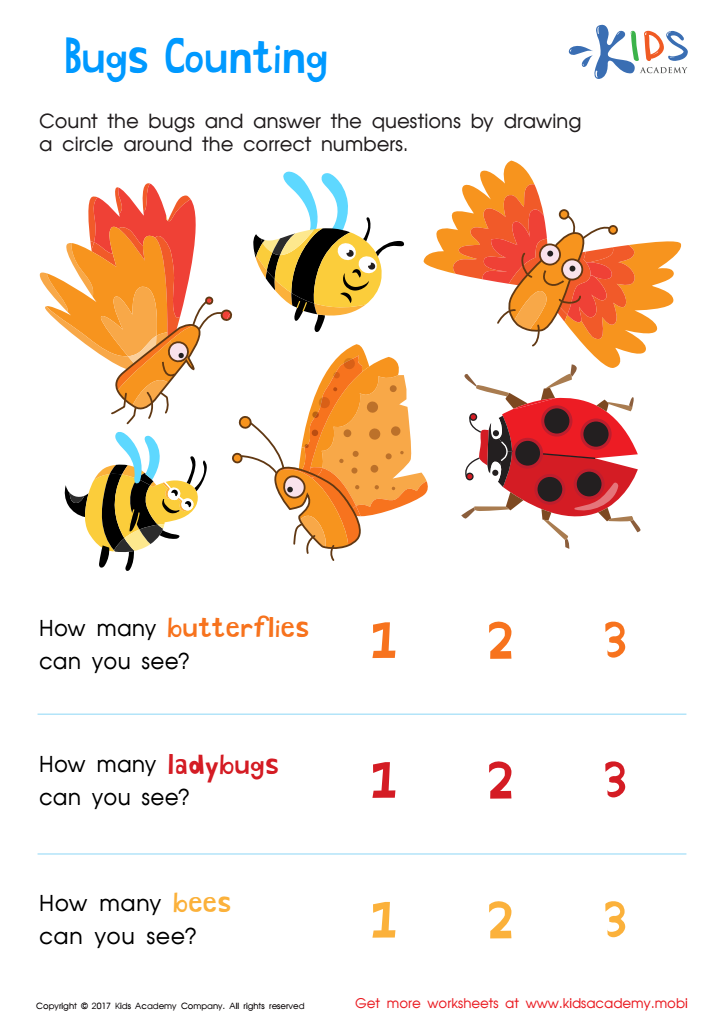
Bugs Counting Worksheet
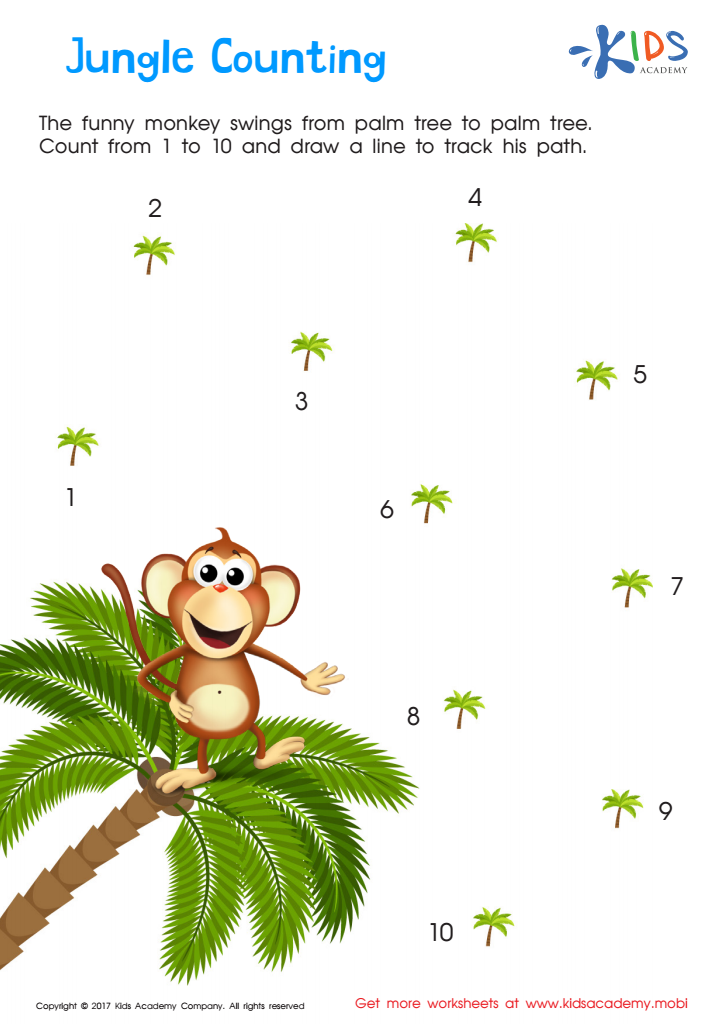
Jungle Counting Connect Dots Worksheet
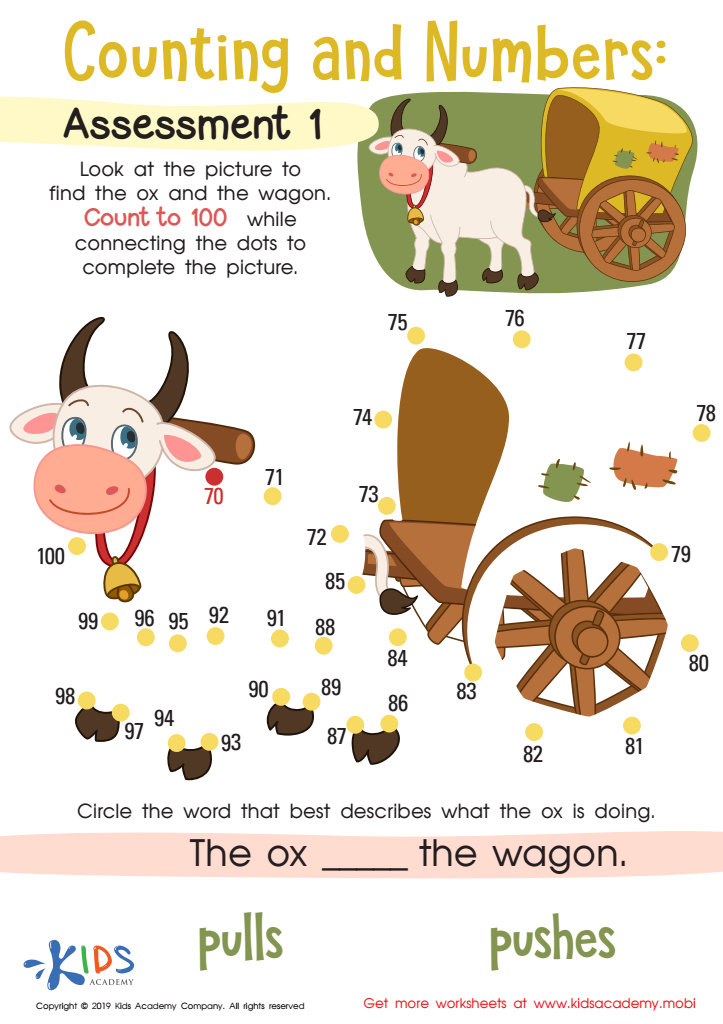
Counting and Numbers: Assessment 1 Worksheet
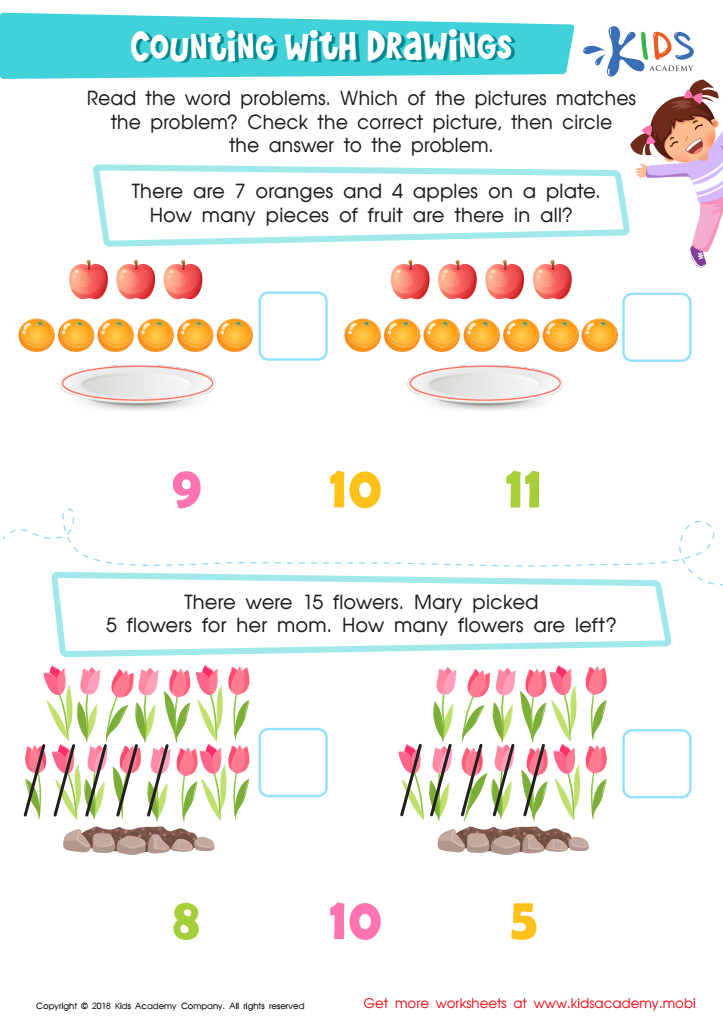
Counting with Drawings:Fruits & Flowers Worksheet
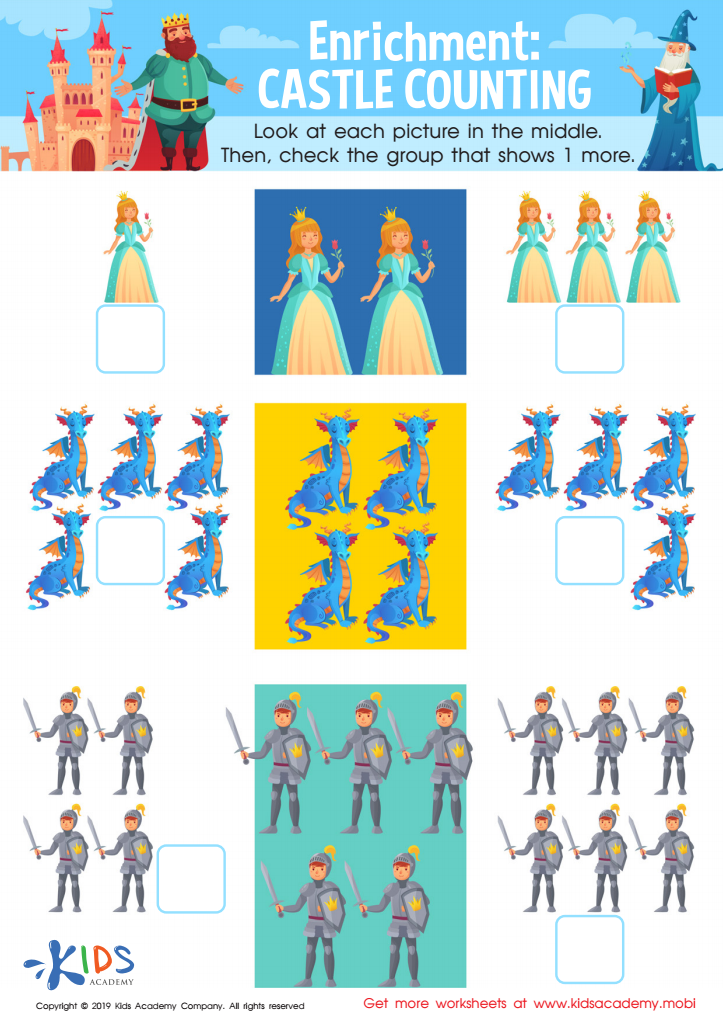
Enrichment: Castle Counting Worksheet
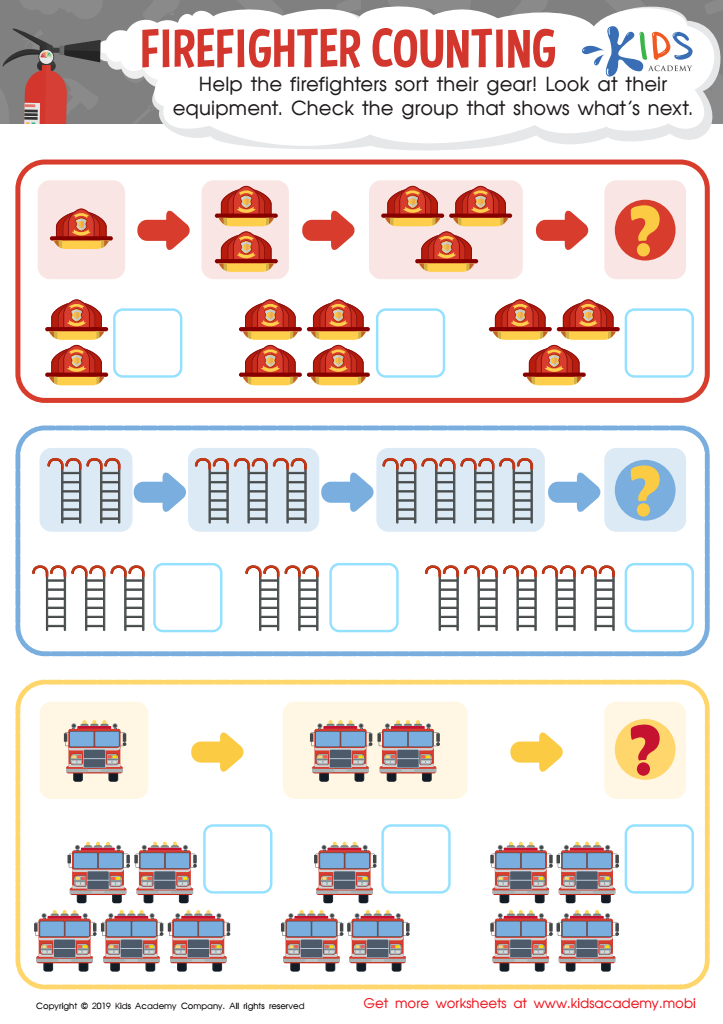
Firefighter Counting Worksheet
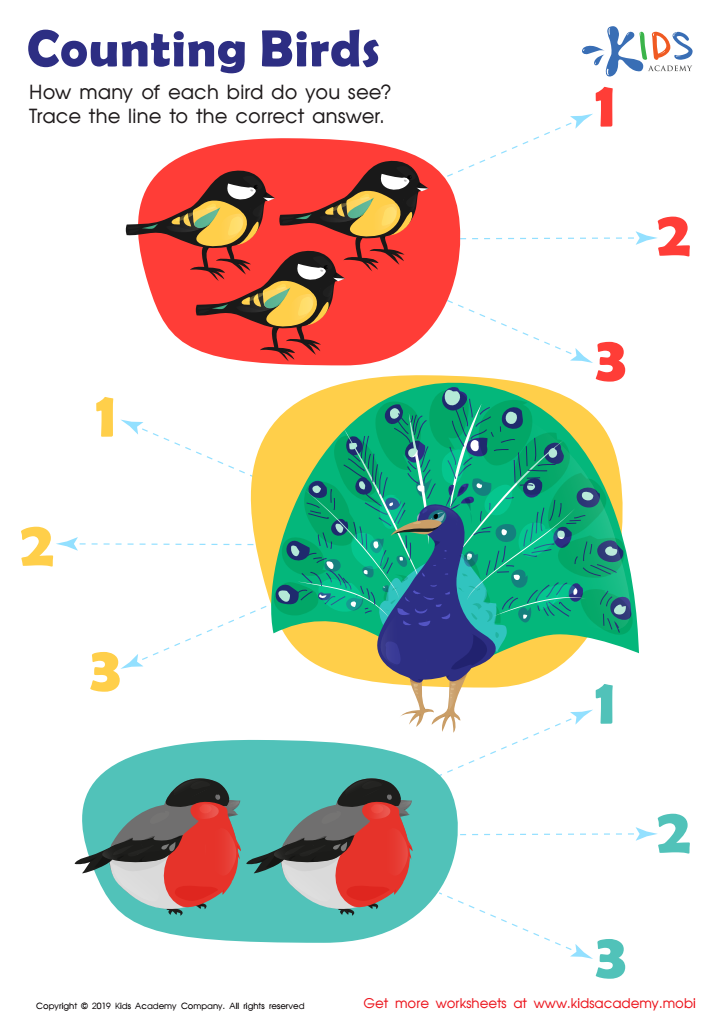
Counting Birds Worksheet








Basic addition skills are foundational for young learners, particularly those around the ages of 5-6, as it sets the groundwork for future mathematical understanding. When parents and teachers focus on teaching basic addition, they help children develop critical problem-solving abilities and logical thinking early on. At this age, children are beginning to recognize numbers and patterns, and addition introduces them to more complex mathematical concepts that they will encounter later in their academic journey.
Developing basic addition skills enhances cognitive development by strengthening memory and concentration. It helps children grasp the concept of counting, create associations between numbers, and understand the relationships between quantities. Additionally, practicing addition encourages perseverance, patience, and confidence, as children experience the satisfaction of solving problems and recognizing their own progress.
Moreover, basic addition is a daily life skill. Children use it in real-life situations, like sharing toys, distributing snacks, or counting steps, which reinforces its practical relevance and importance. When parents and teachers invest time in teaching basic addition, they are not just helping children succeed in math; they are equipping them with tools they will use throughout their lives. A strong foundation in early mathematics fosters a positive attitude towards learning and supports overall academic achievement.








