Fine Motor Skills Numbers Worksheets for Ages 5-6 - Page 4
76 filtered results
-
From - To
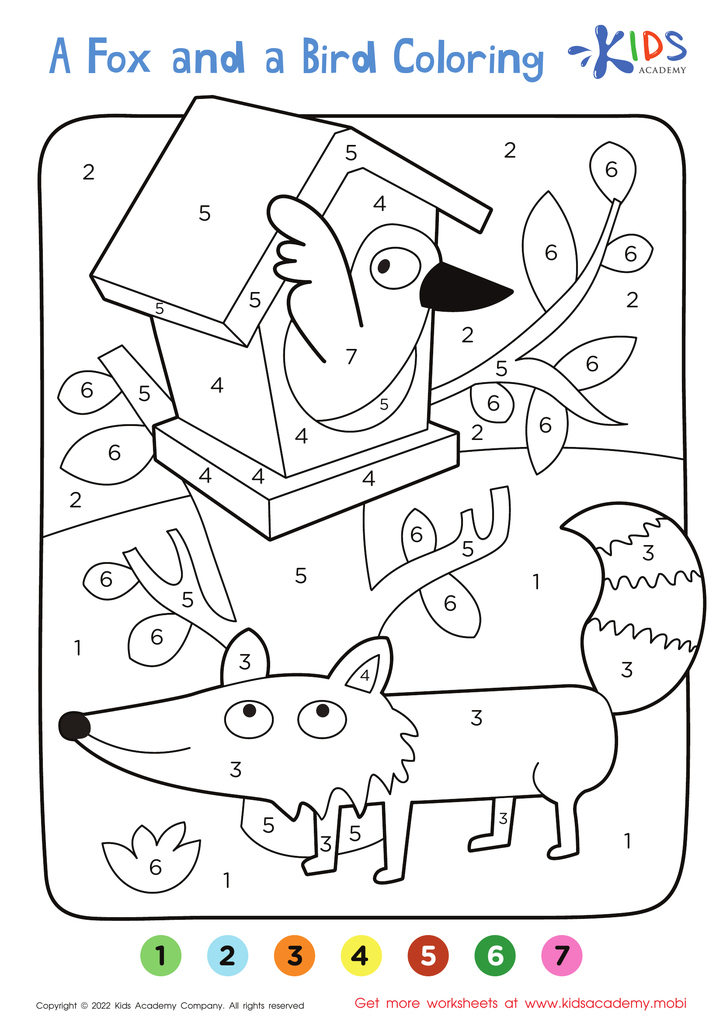
A Fox and a Bird – Coloring by Numbers
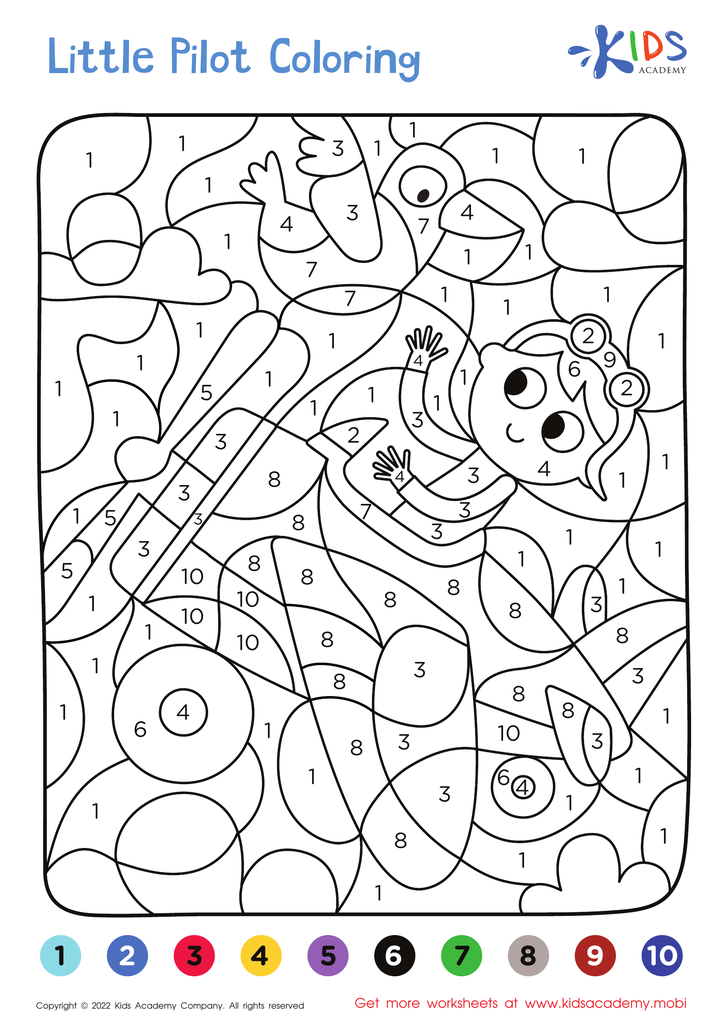
Little Pilot – Coloring by Numbers
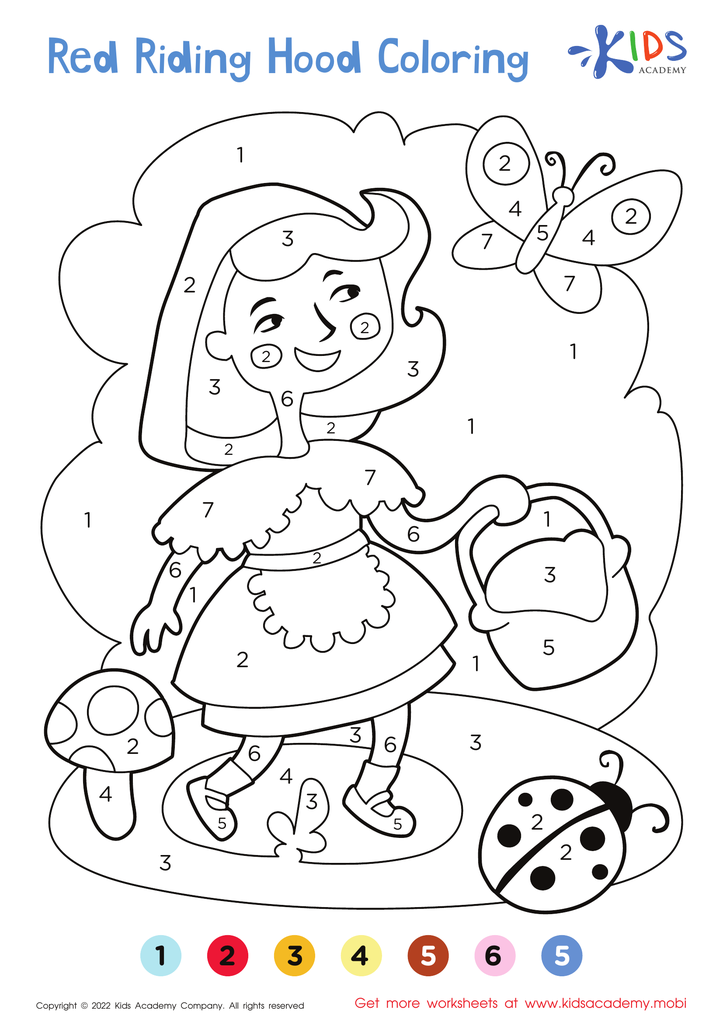
Little Red Riding Hood – Coloring by Numbers
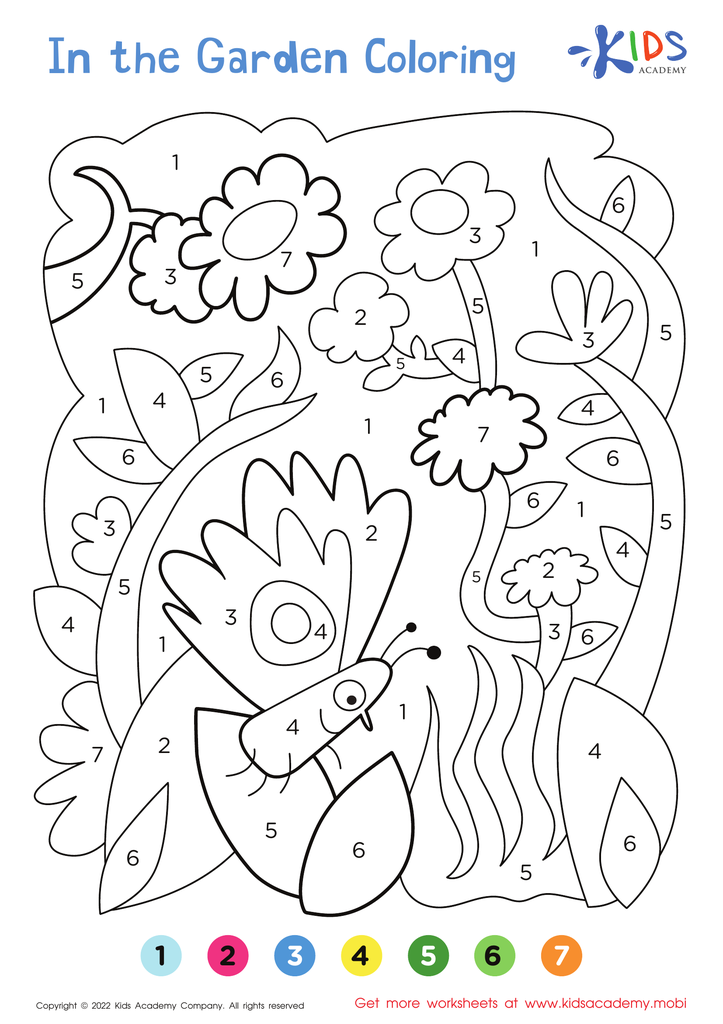
In the Garden – Coloring by Numbers








Fine motor skills, crucial for children aged 5-6, involve the intricate movements of small muscles, especially in the hands and fingers. These skills are essential as they form the foundation for tasks that require hand-eye coordination and dexterity, such as writing, drawing, and using tools. Parents and teachers should be particularly attentive to the development of these skills for several reasons.
Firstly, fine motor skills contribute significantly to a child’s academic success. Proficient handwriting or the ability to manipulate small objects boosts confidence and encourages participation in classroom activities.
Secondly, engagement in fine motor activities promotes cognitive development, enhancing problem-solving abilities and creativity. Tasks like cutting with scissors, threading beads, or playing with clay stimulate both physical and mental growth.
Moreover, developing fine motor skills fosters independence. Children become capable of dressing themselves, managing utensils during meals, and engaging in hobbies, increasing their self-reliance.
Finally, parents and teachers can partner to create a supportive environment that incorporates fine motor activities into play, ensuring that children meet developmental milestones while having fun. Investing time into these skills today prepares children for tomorrow’s challenges, paving the way for lifelong learning and success.








