Visual perception Numbers Worksheets for Ages 5-6 - Page 2
28 filtered results
-
From - To
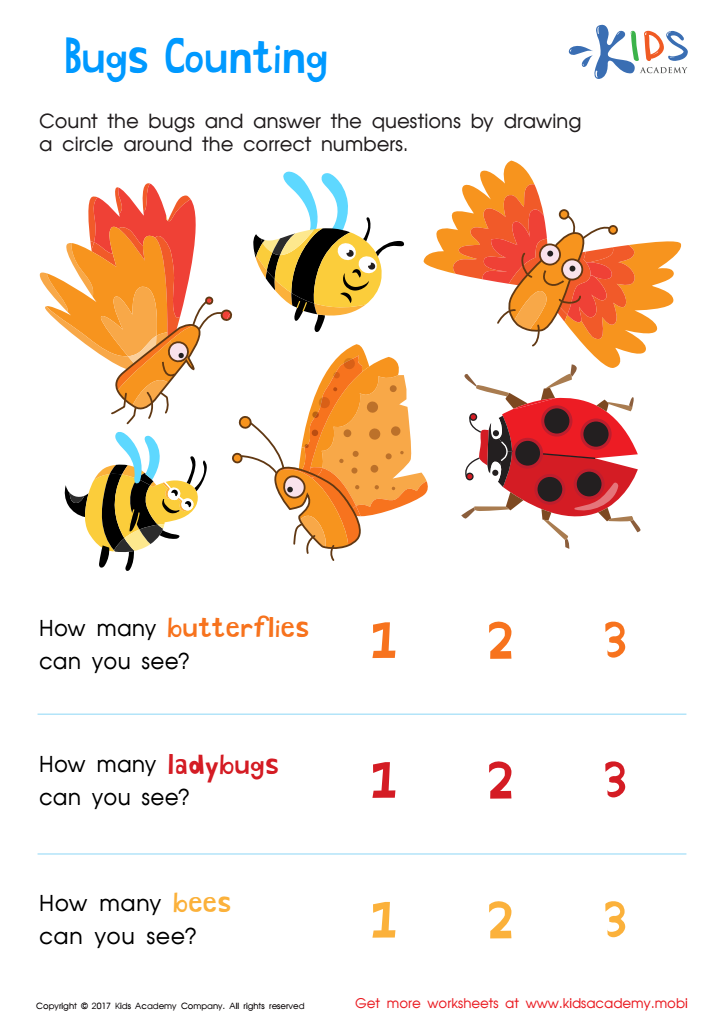
Bugs Counting Worksheet
 Assign to My Students
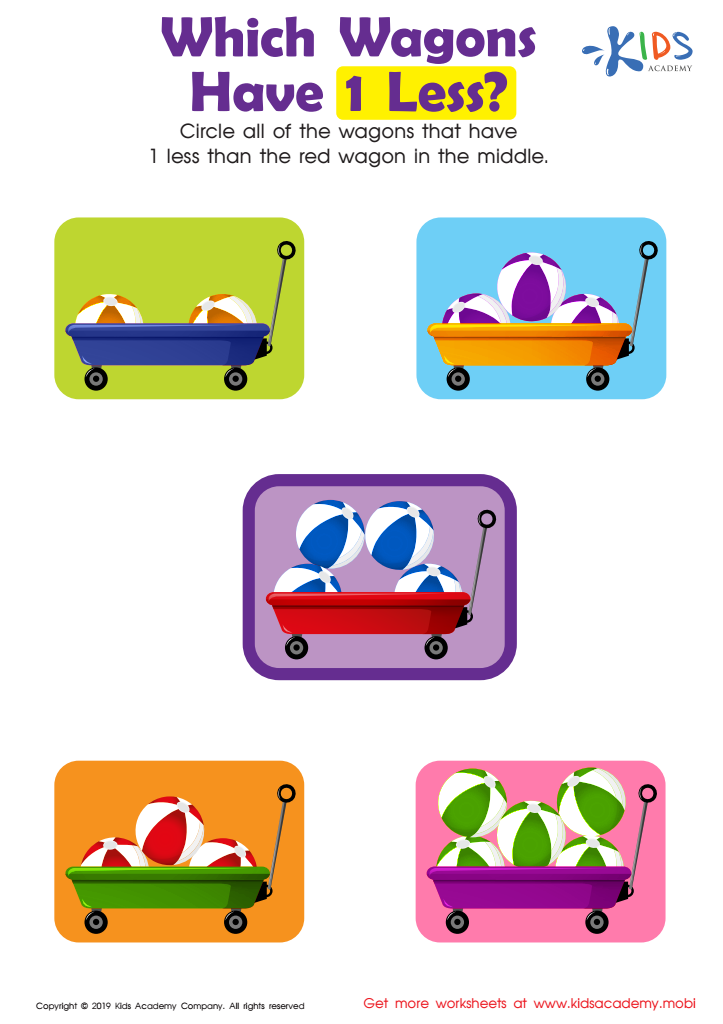
Which Wagons Have 1 Less? Worksheet
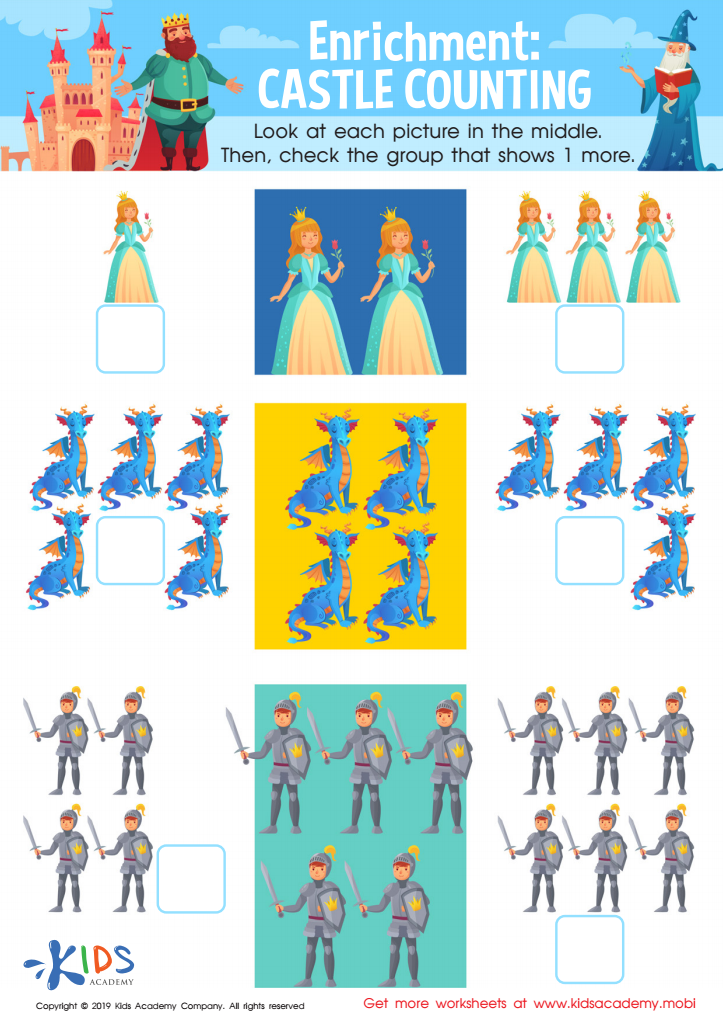
Enrichment: Castle Counting Worksheet
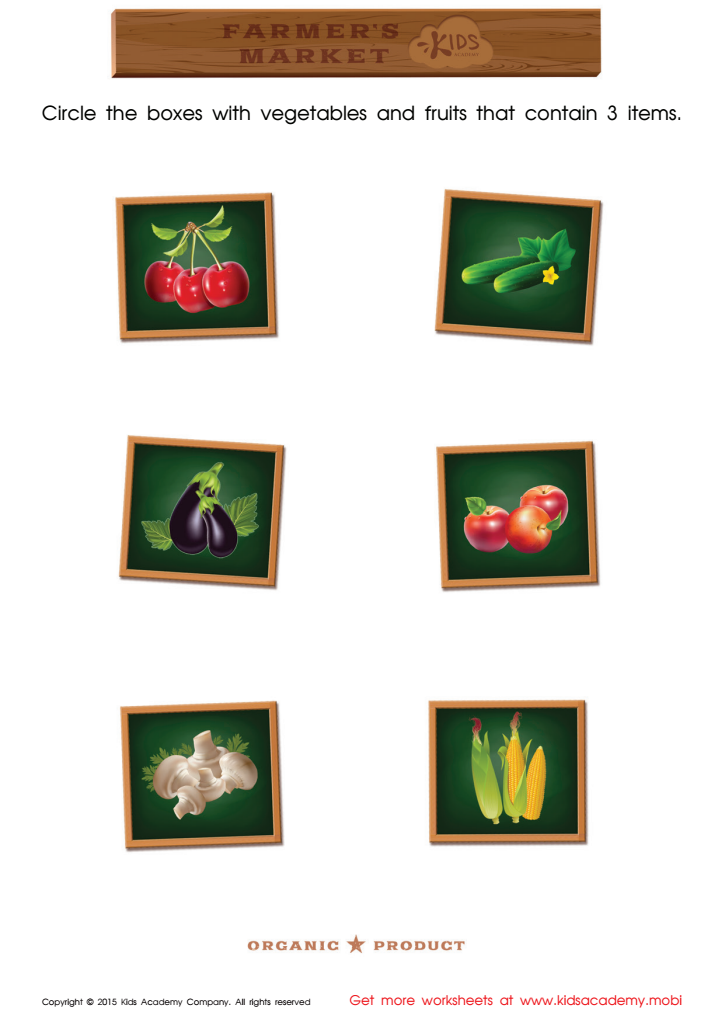
Count and Match Vegetables 1 – 5 Math Worksheet








Visual perception skills are crucial for early learners, particularly for children aged 5-6, as they build the foundation for numerous academic and life skills. For parents and teachers, understanding visual perception numbers (the ability to recognize, interpret, and manipulate numerical information visually) is essential in promoting effective learning.
In this critical developmental stage, visual perception affects how children grasp basic math concepts such as counting, number recognition, and spatial awareness. Strong visual perception helps children identify quantities, patterns, and relationships between numbers, which are foundational skills for future mathematical learning.
Moreover, nurturing these skills can enhance a child’s ability to follow instructions, solve puzzles, and engage in activities that require attention to detail. This is not only crucial for math but also supports literacy and problem-solving abilities.
By focusing on visual perception, parents and teachers can create an enriching learning environment that encourages exploration and discovery. Activities like games that promote counting, pattern recognition, and number sorting can be beneficial. Ultimately, fostering strong visual perception in young learners sets them on a path to academic success and boosts their confidence, helping them thrive in educational settings and beyond.








