Categorization skills Math Worksheets for Ages 5-6
17 filtered results
-
From - To
Enhance your child's learning with our engaging Categorization Skills Math Worksheets, specially designed for ages 5-6. These printable resources offer colorful activities that encourage young learners to group objects based on various attributes such as size, shape, and color. By completing these worksheets, children will develop critical thinking skills, boost their ability to recognize patterns, and foster early math proficiency. With fun, age-appropriate exercises, our worksheets not only aid in cognitive development but also make learning enjoyable. Explore our collection today and help your child build a strong foundation in categorization skills while having fun! Perfect for classroom or at-home use.
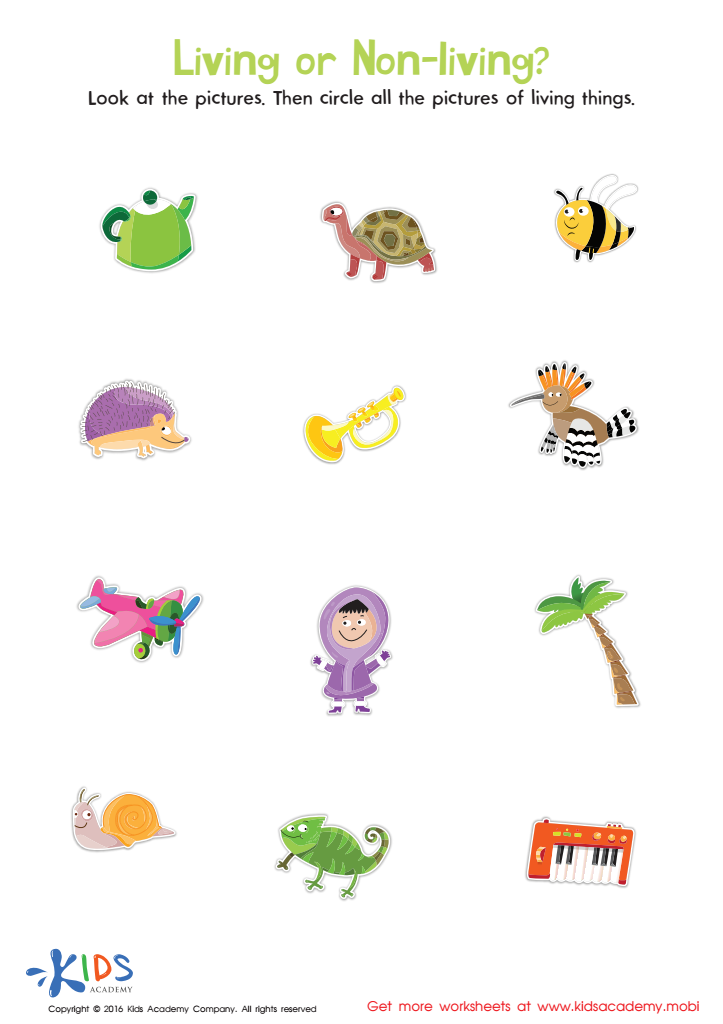
Identifying Living and Non–living Things Sorting Worksheet
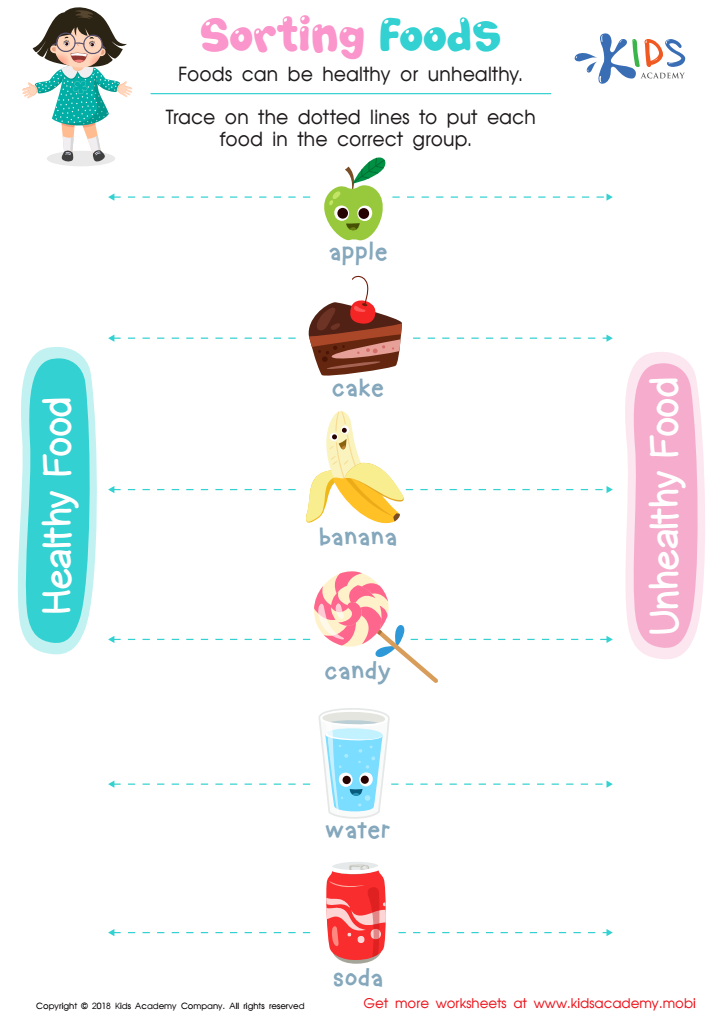
Sorting Food Worksheet
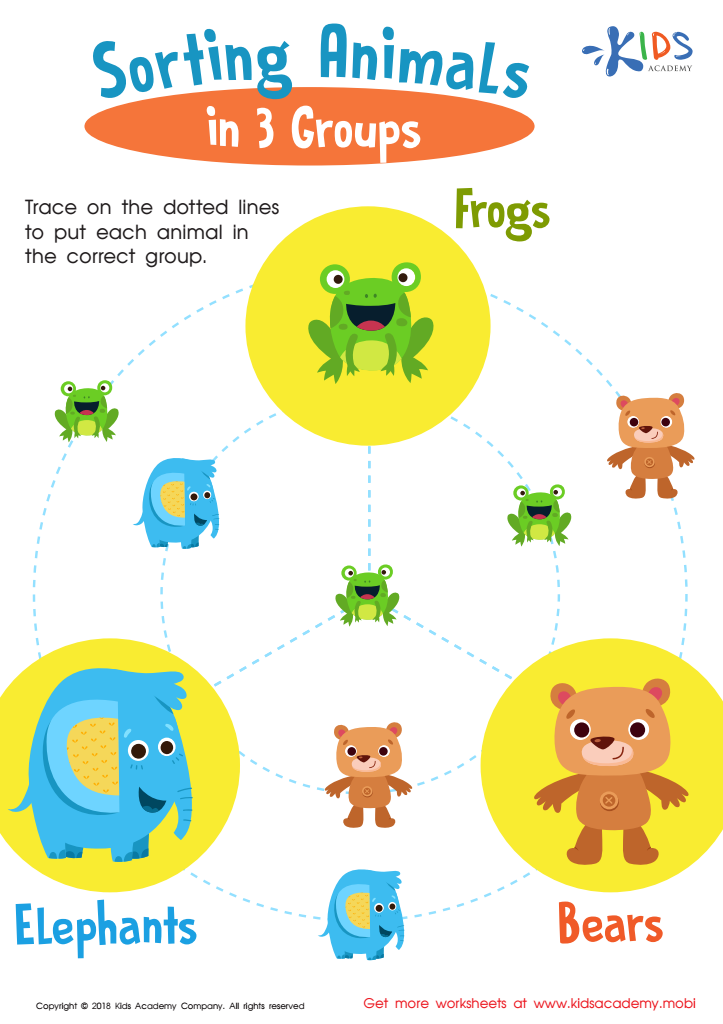
Sorting Animals in 3 Groups Worksheet
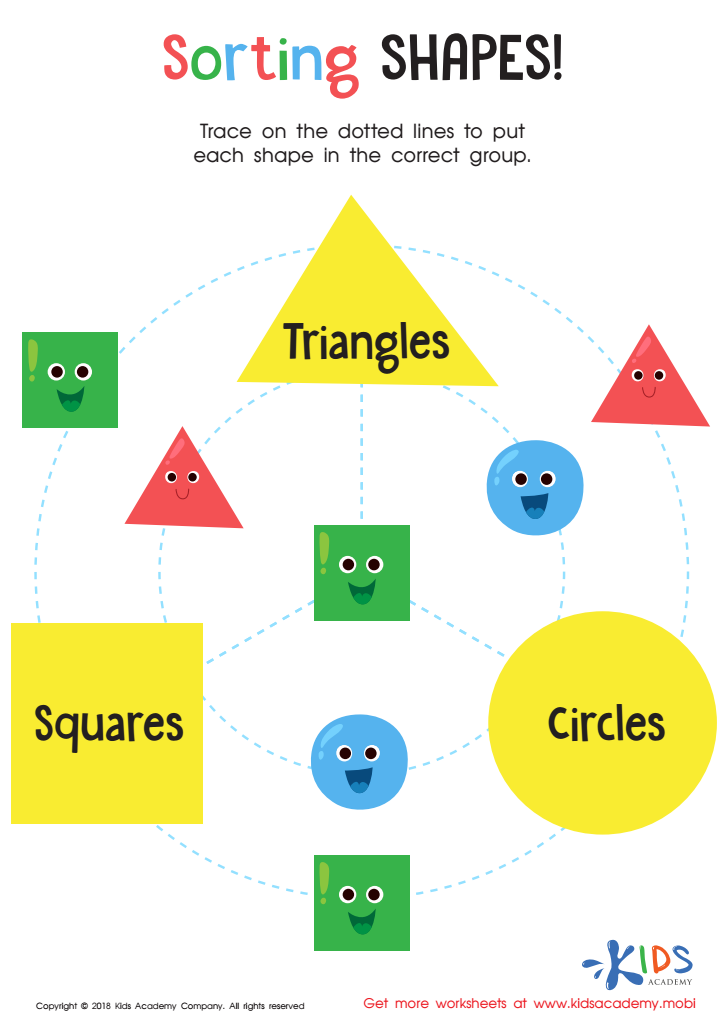
Sorting Shapes - Part 3 Worksheet
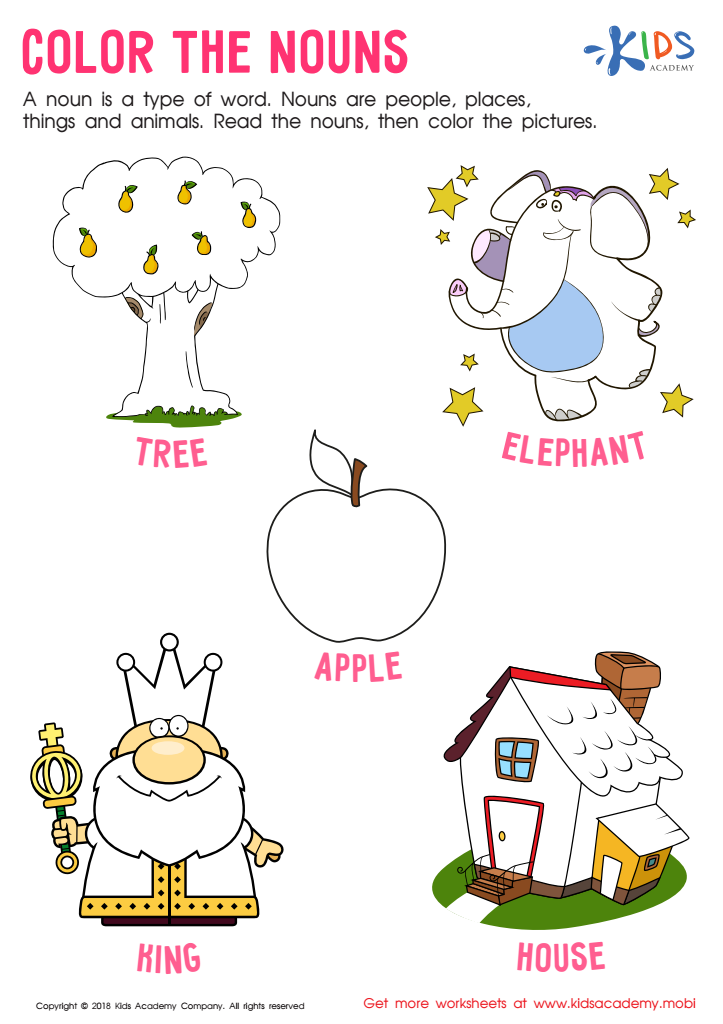
Color the Nouns Worksheet
 Assign to My Students
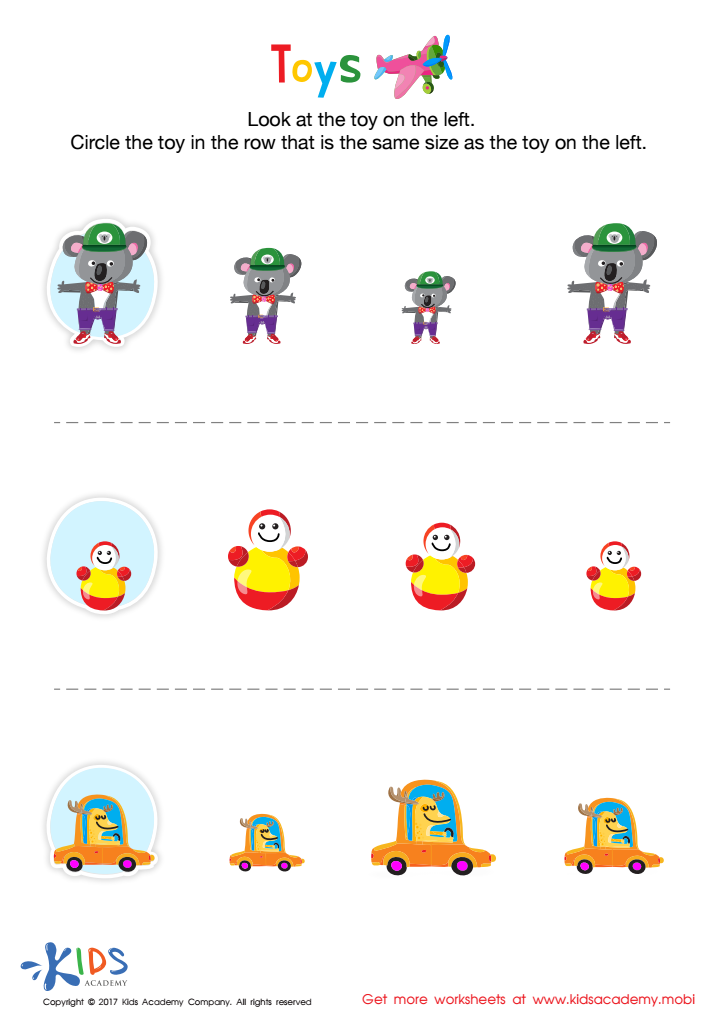
Matching: Classifying Toys by Size Worksheet
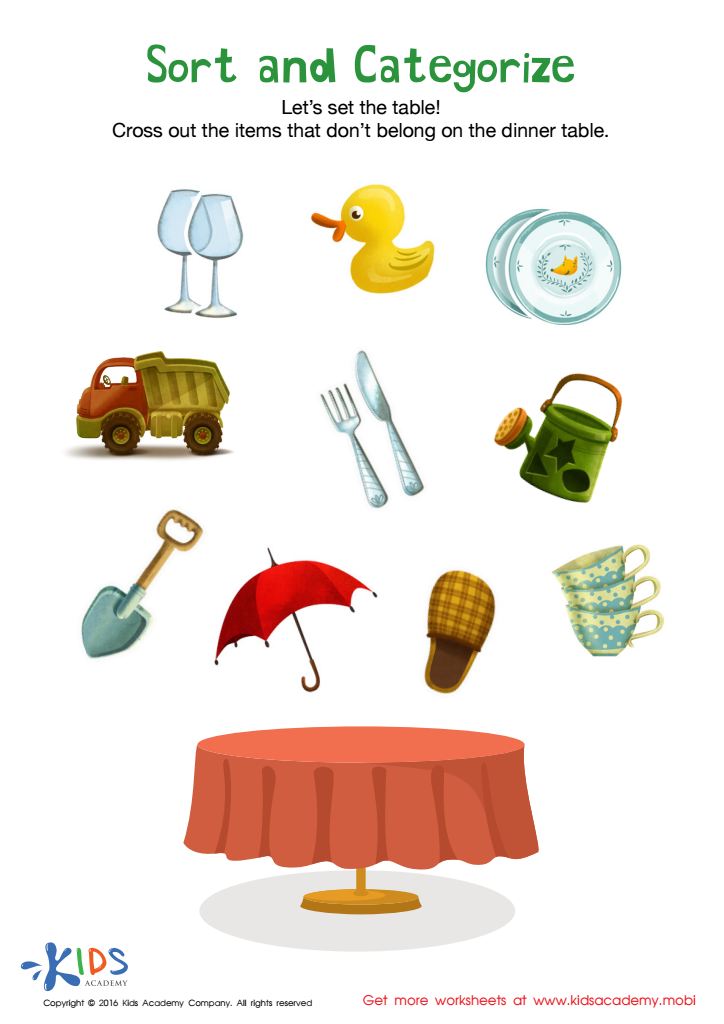
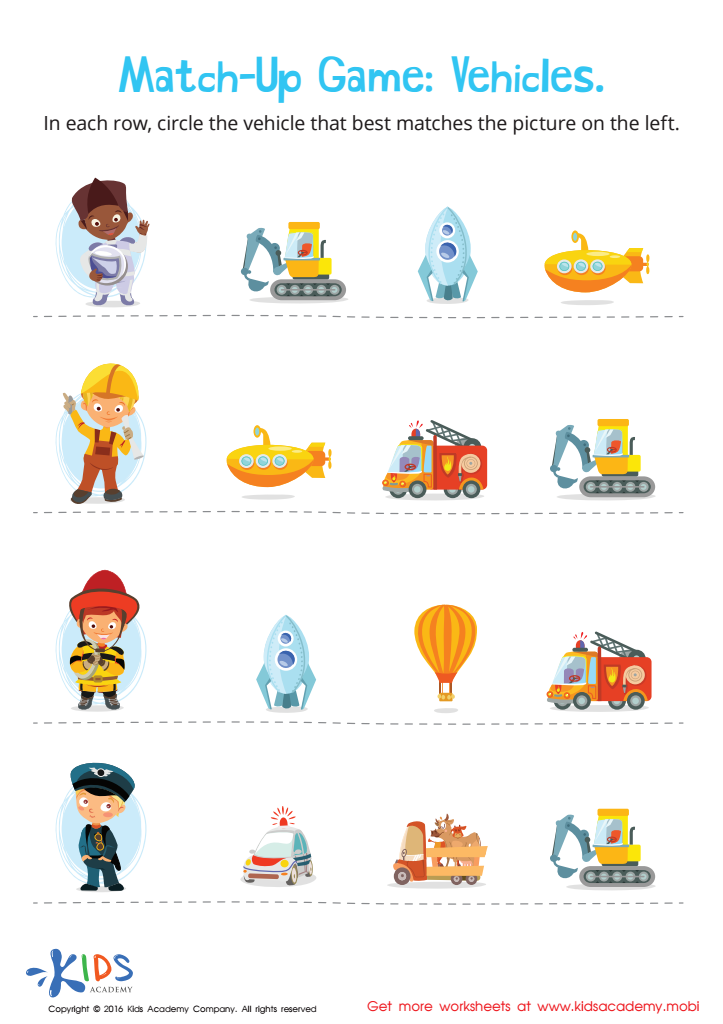
Vehicles Worksheet
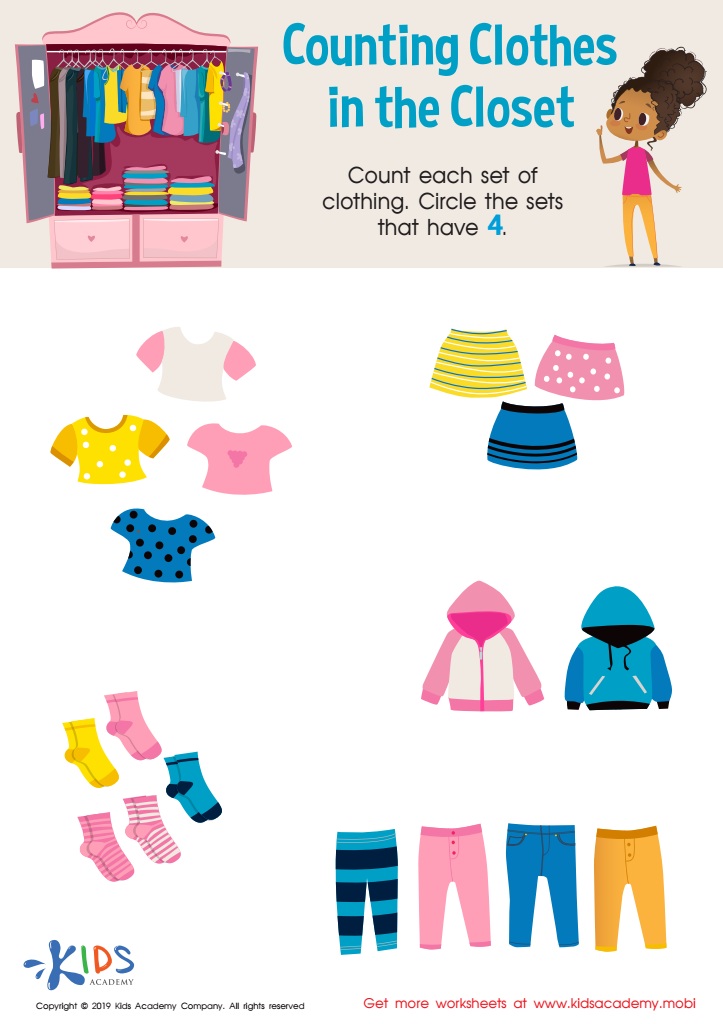
Counting Clothes Worksheet
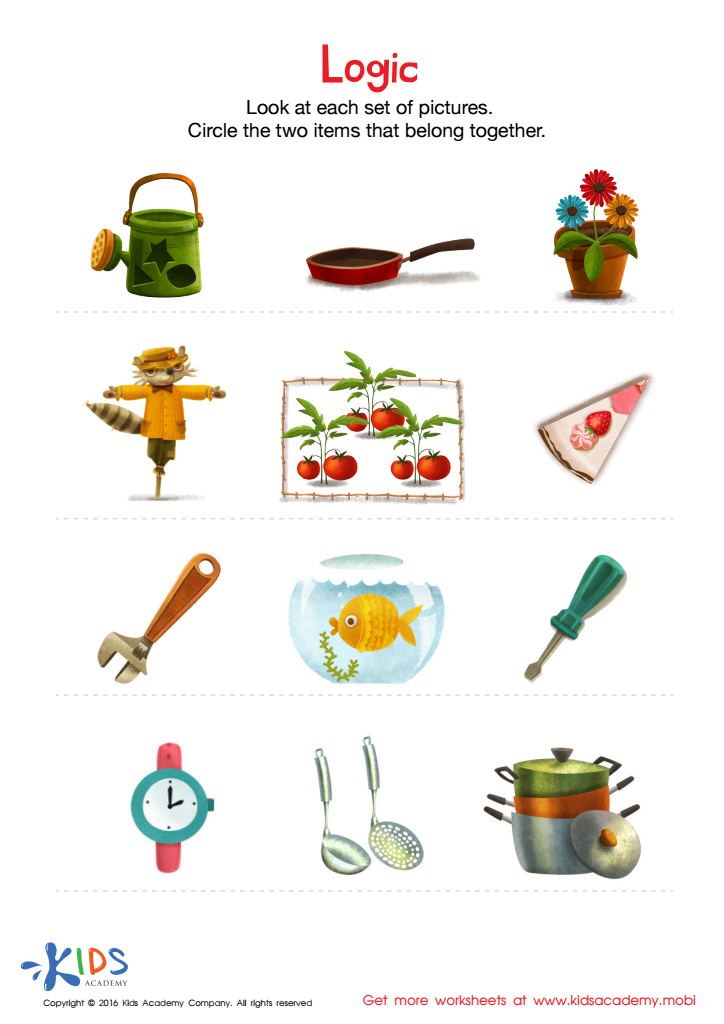
Logic Game Sorting Worksheet
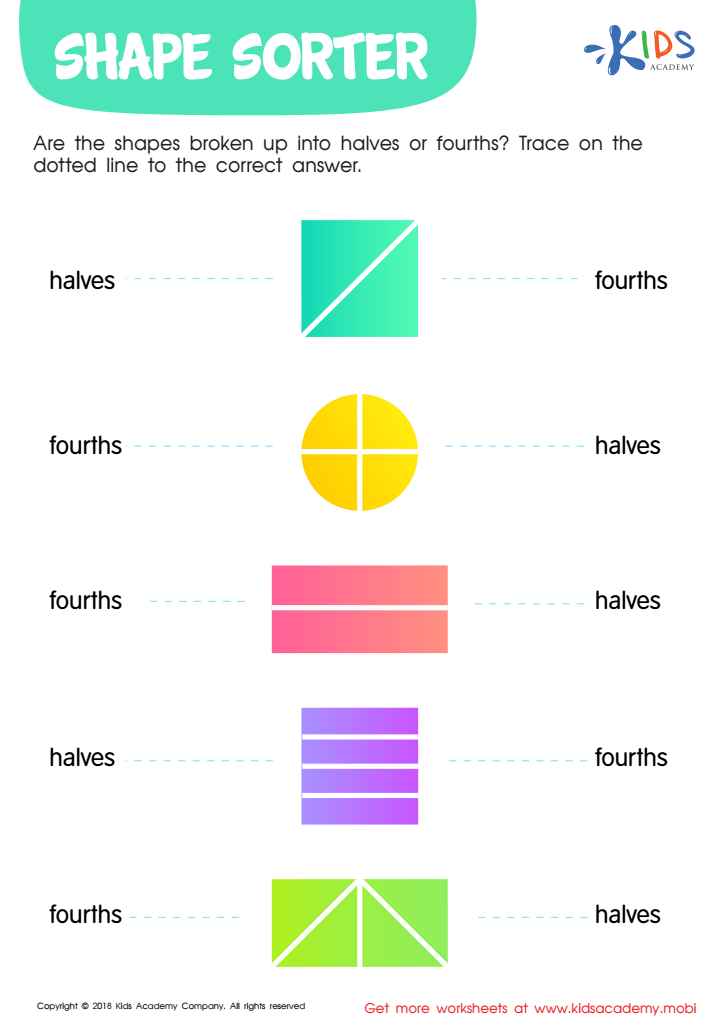
Shape Sorter Worksheet
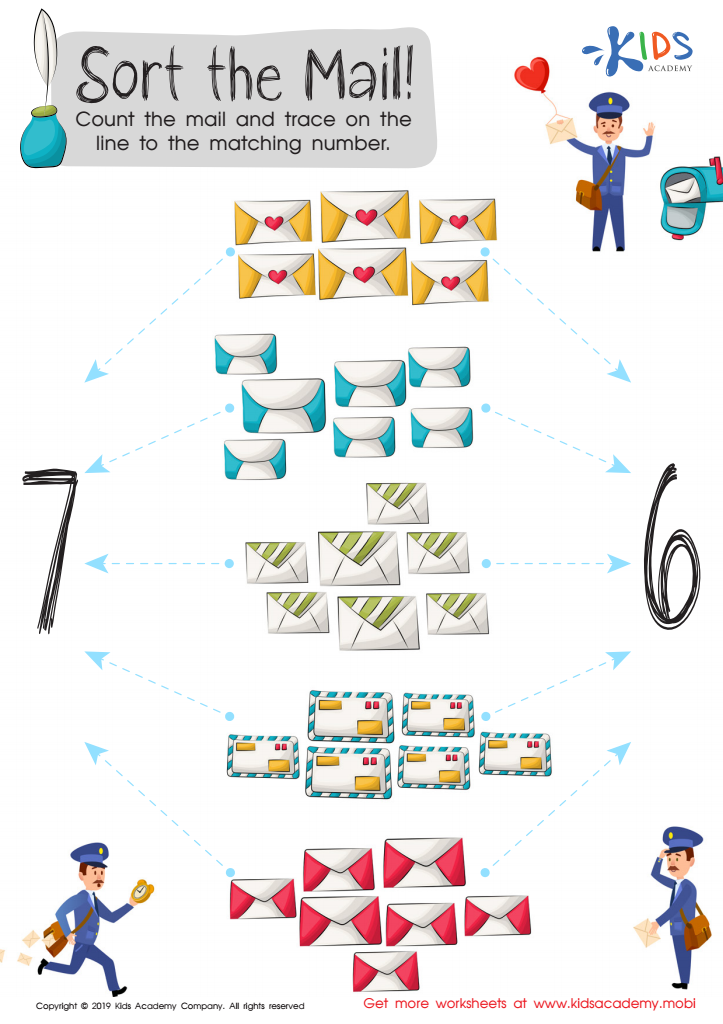
Sort the Mail Worksheet
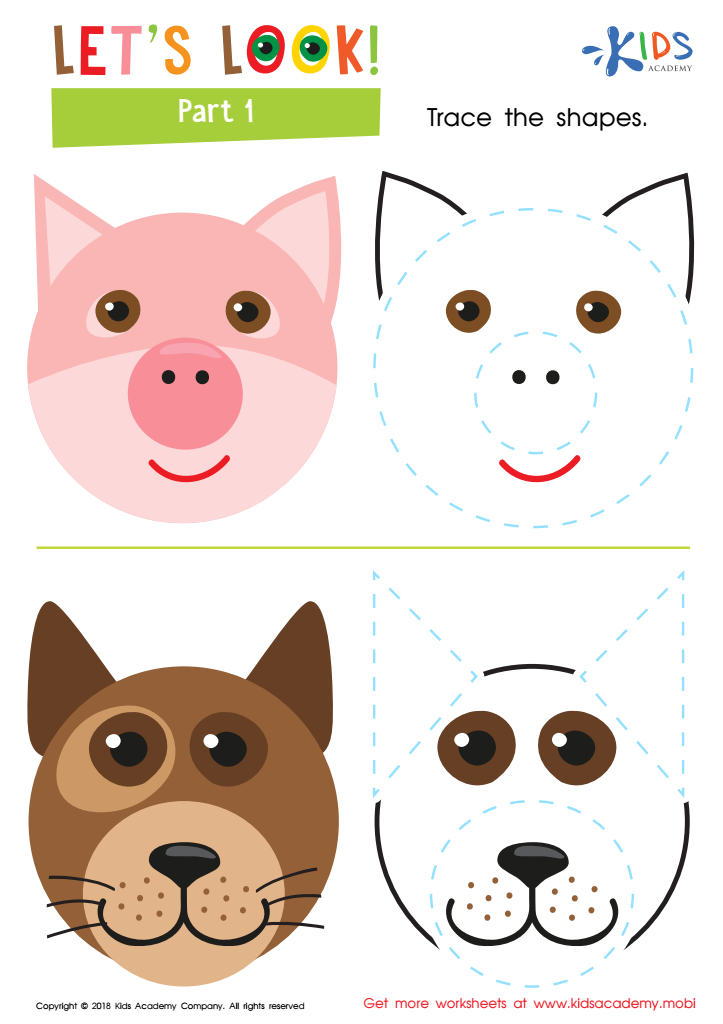
Let's Look! Part 1 Worksheet
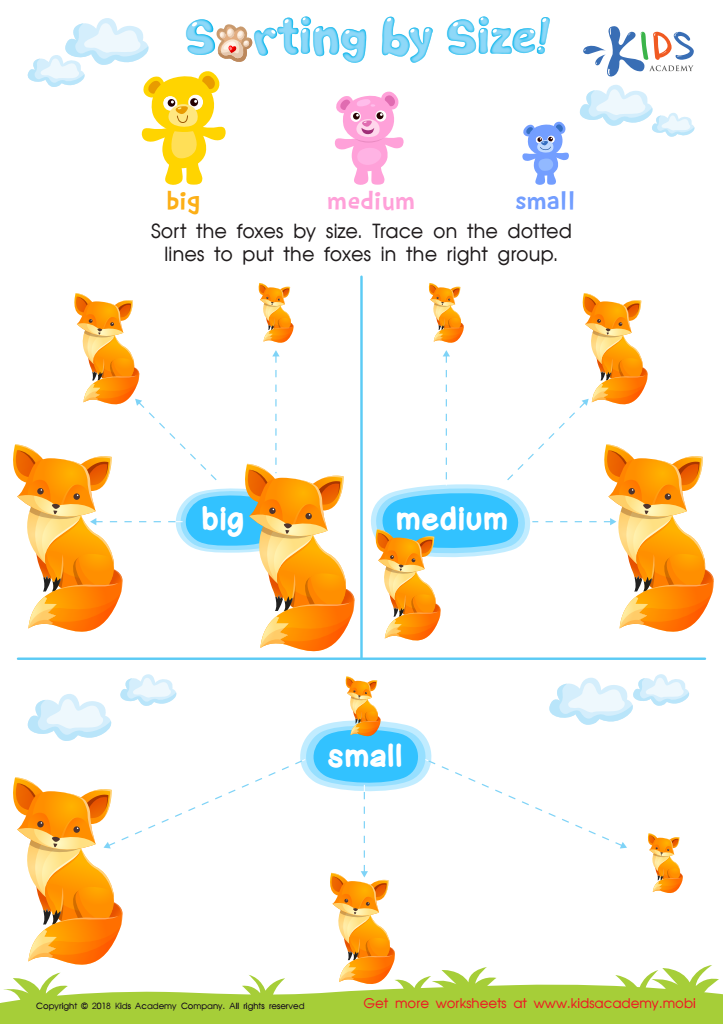
Sorting by Size Worksheet
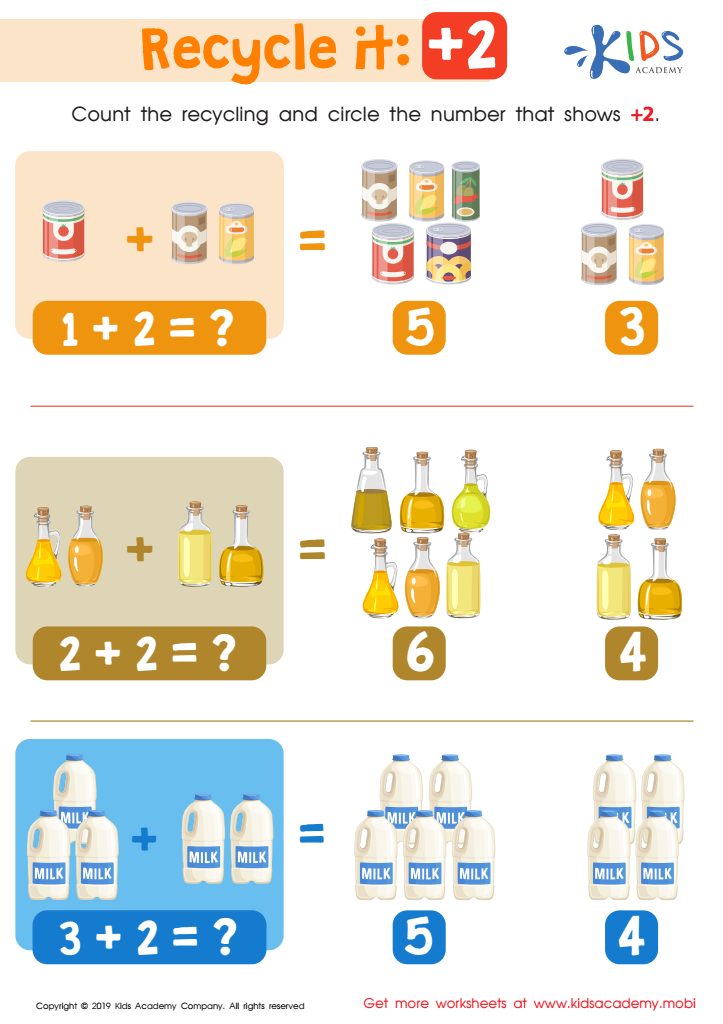
Recycle It: +2 Worksheet
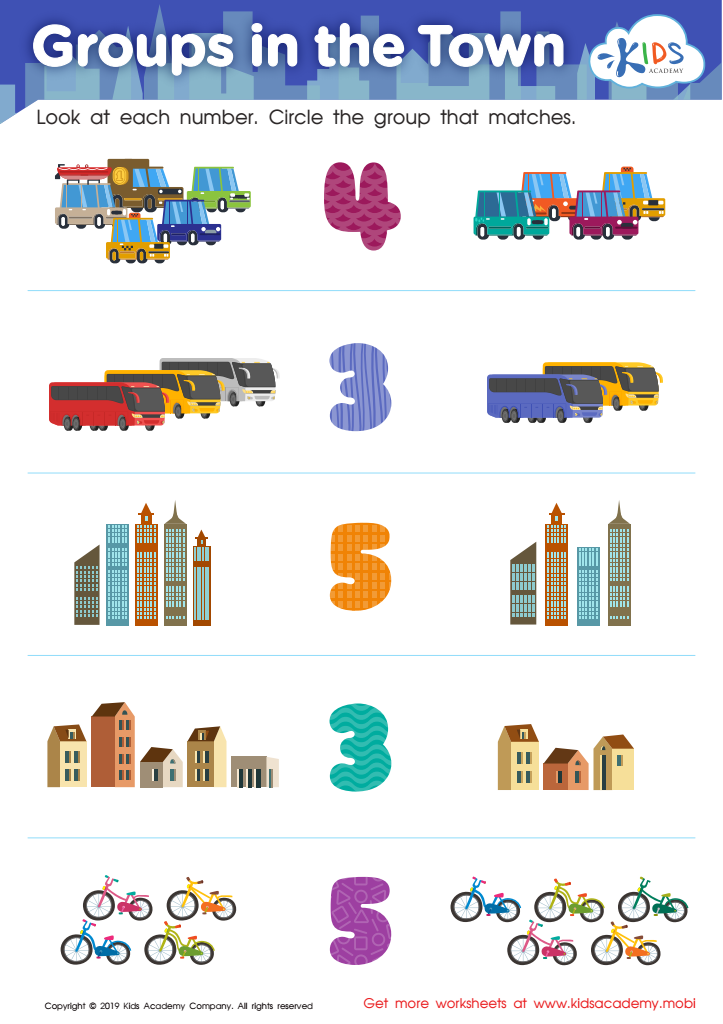
Groups in the Town Worksheet




.jpg)



Categorization skills are foundational in early mathematics education, especially for children aged 5-6. These skills involve grouping objects based on shared characteristics—such as size, color, shape, or function—which are essential for developing critical thinking and problem-solving abilities. When parents and teachers prioritize categorization skills, they lay the groundwork for more complex mathematical concepts like sorting, classifying, and understanding patterns.
At this developmental stage, children are naturally curious and eager to explore the world around them. By engaging them in categorization activities, educators and parents can foster curiosity and enhance cognitive development. These skills not only prepare children for future math concepts, but also help improve their language and reasoning skills as they learn to articulate their thought processes.
Moreover, early proficiency in categorization can build a child’s confidence in math, making them more likely to approach challenges positively. Understanding how to categorize can serve as a bridge to more advanced skills, such as addition and subtraction, as children begin to understand how groups of objects relate to one another.
In summary, emphasizing categorization skills can influence a child's overall academic trajectory, making it essential for parents and teachers to prioritize these early math skills.








