Visual perception improvement Math Worksheets for Ages 5-6
12 filtered results
-
From - To
Enhance your child's visual perception skills with our engaging Math Worksheets designed specifically for ages 5-6! Tailored to develop critical abilities such as shape recognition, spatial awareness, and pattern identification, these worksheets provide a fun and interactive way for young learners to thrive. Each activity allows children to explore math concepts while strengthening their visual processing capabilities. With vibrant illustrations and age-appropriate challenges, these worksheets make learning enjoyable. Support your child's cognitive development and boost their confidence in math as they master vital skills through playful exercises. Discover an effective resource to pave the way for your child's academic success today!
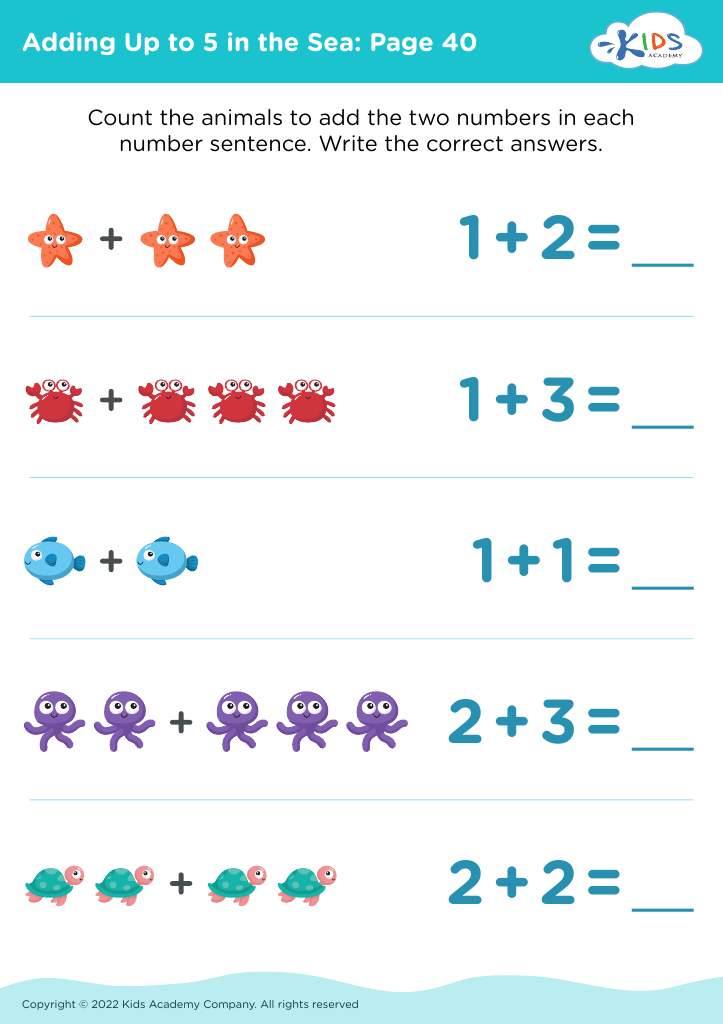
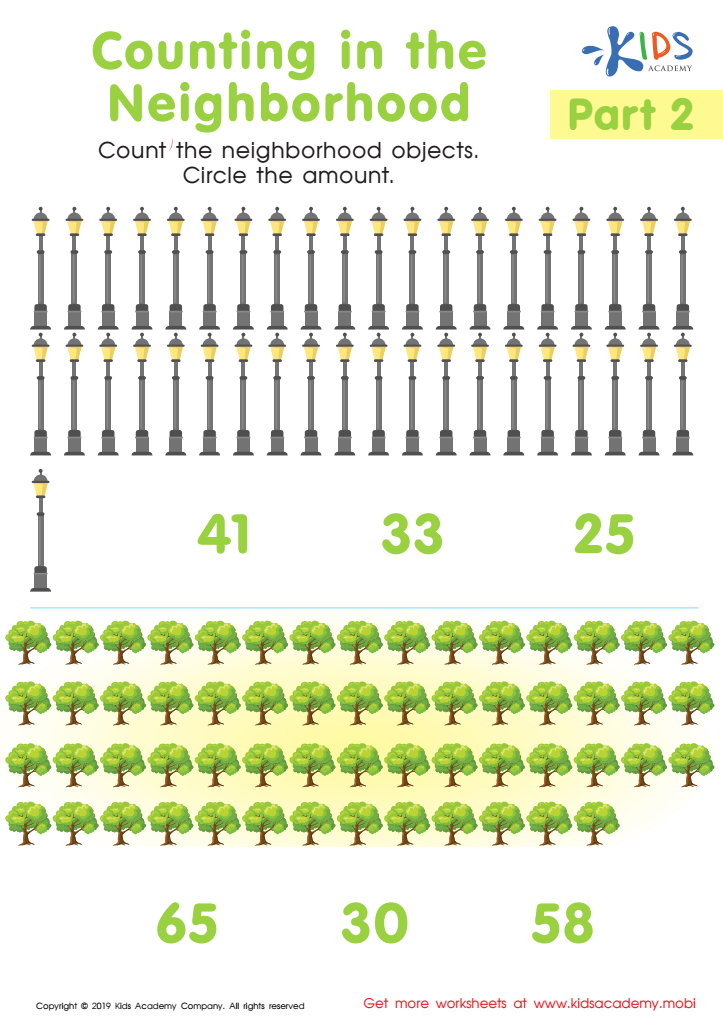
Counting In The Neighborhood Part 2 Worksheet
 Assign to My Students
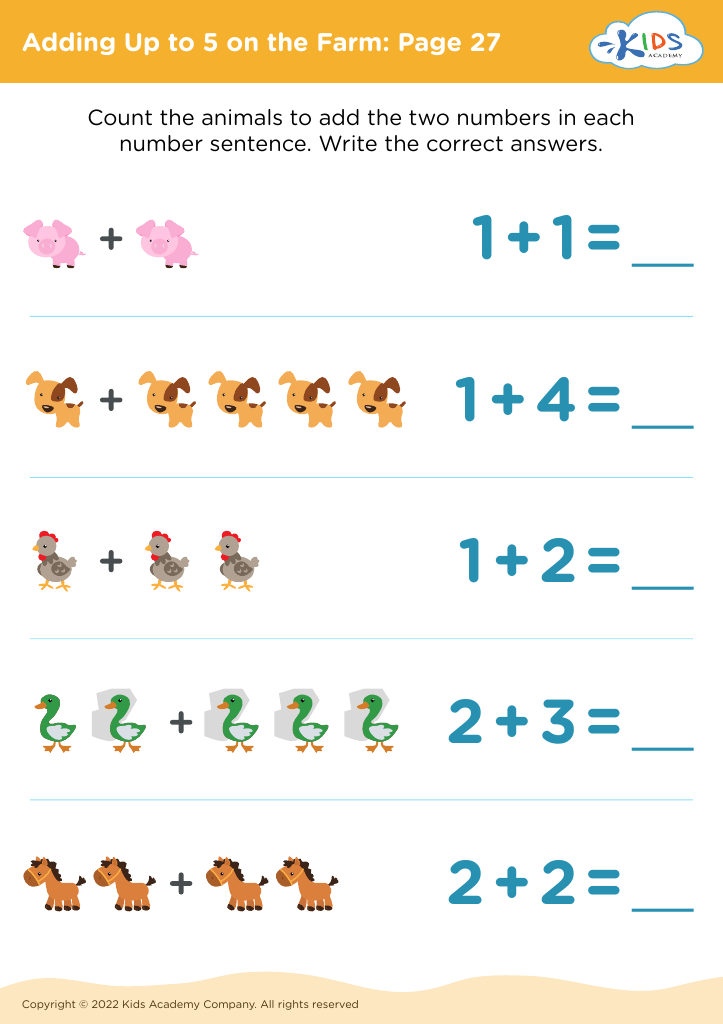
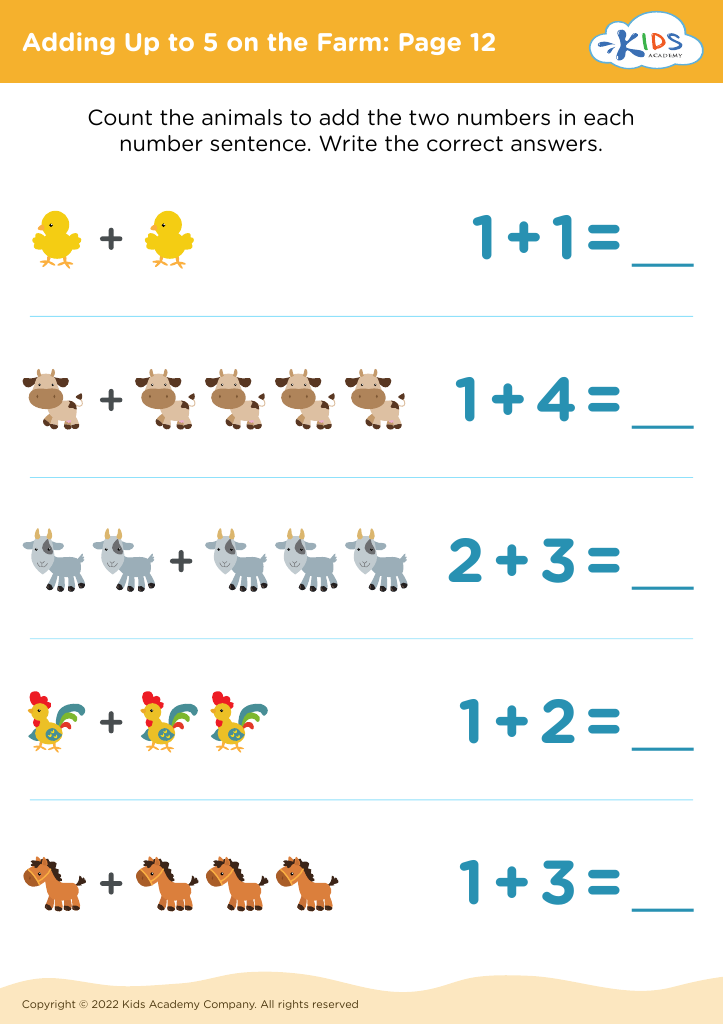
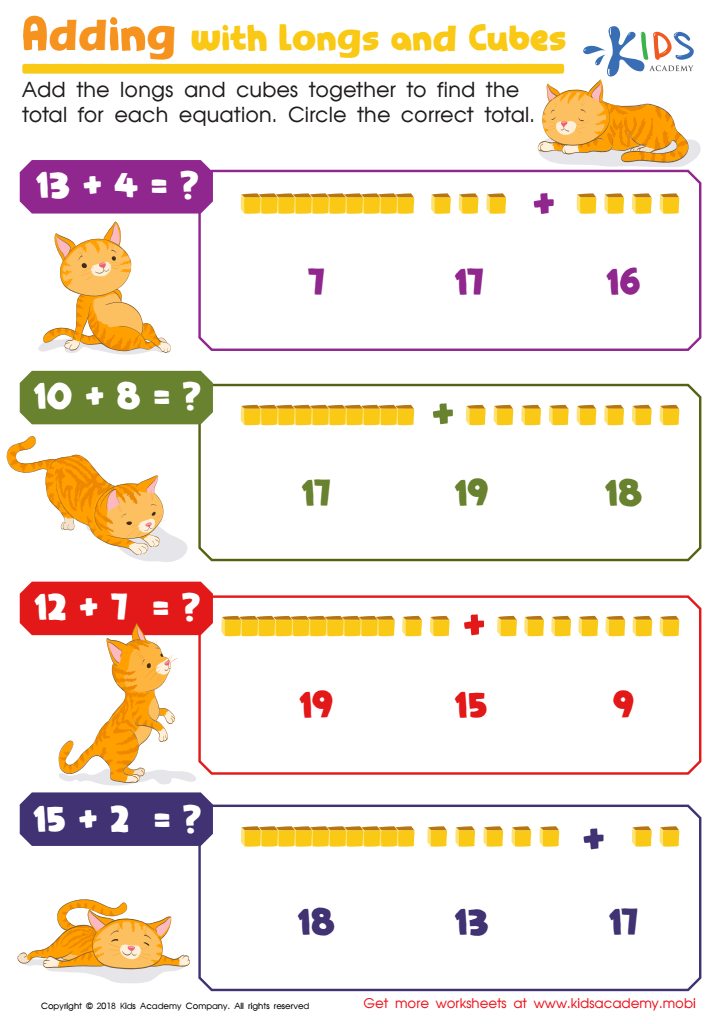
Adding With Longs and Cubes Worksheet
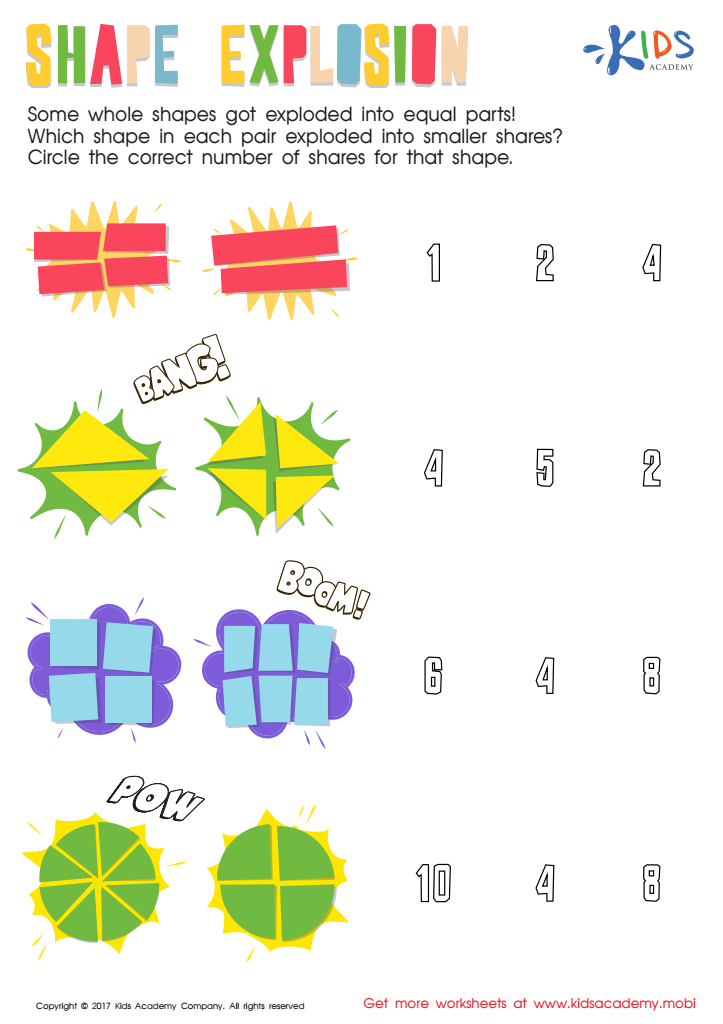
Shape Explosion Worksheet
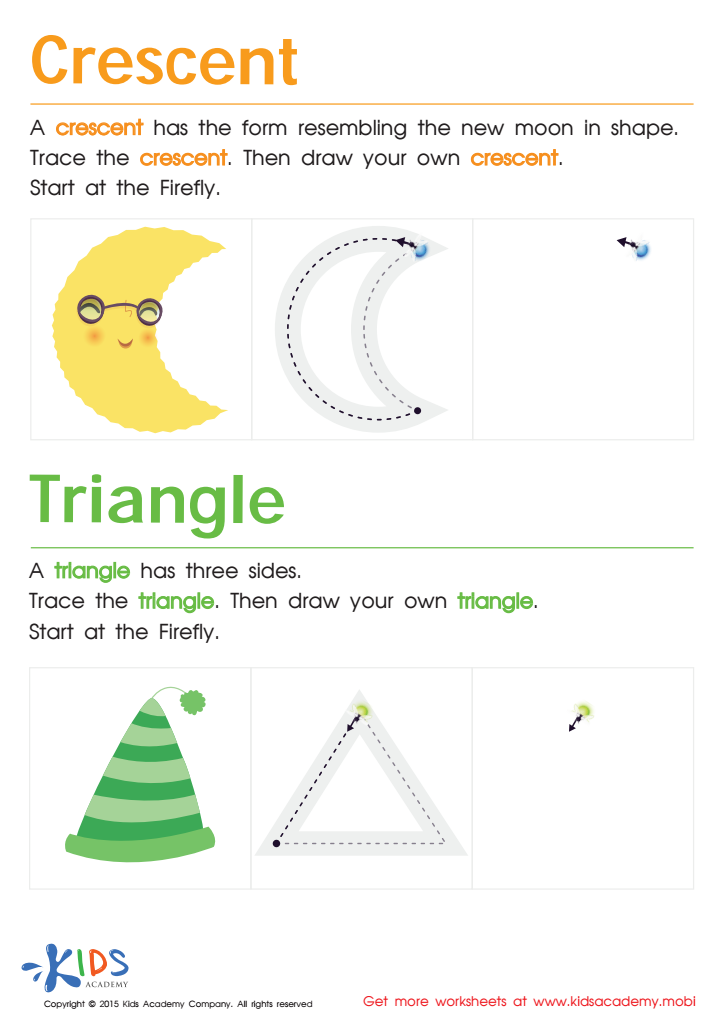
Learning to Draw Crescents And Triangles Worksheet
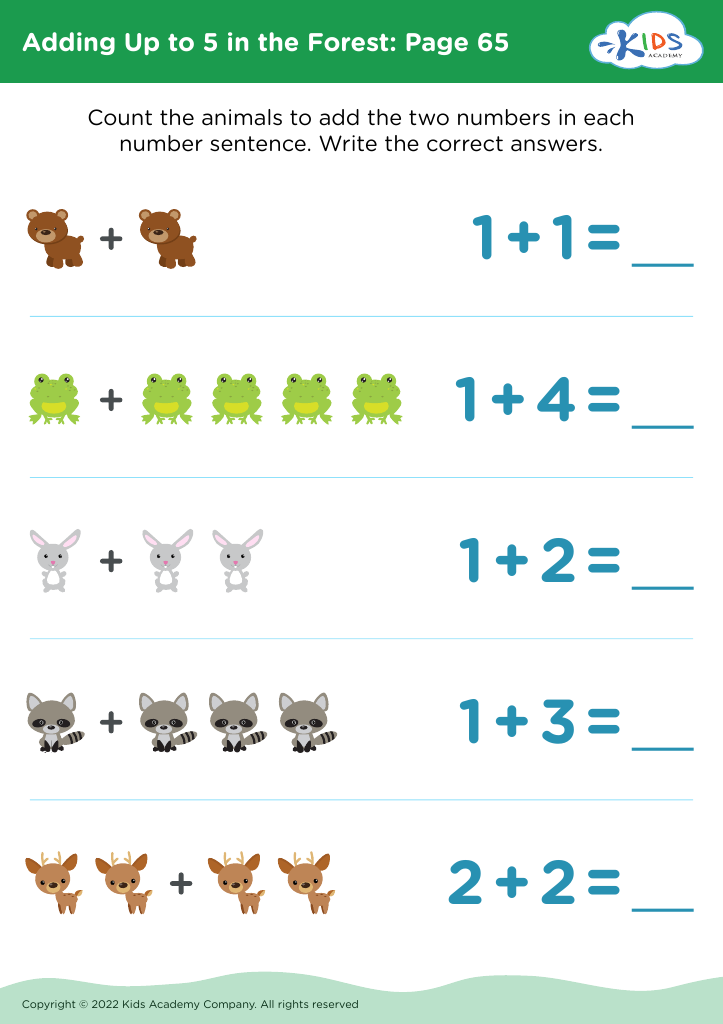
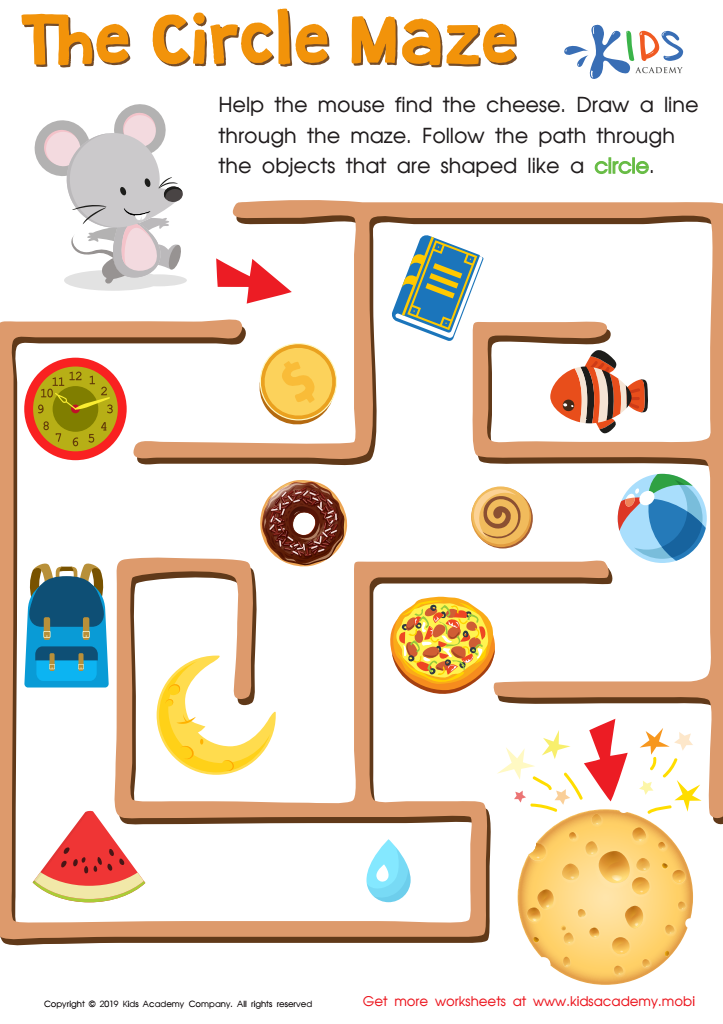
The Circle Maze Worksheet
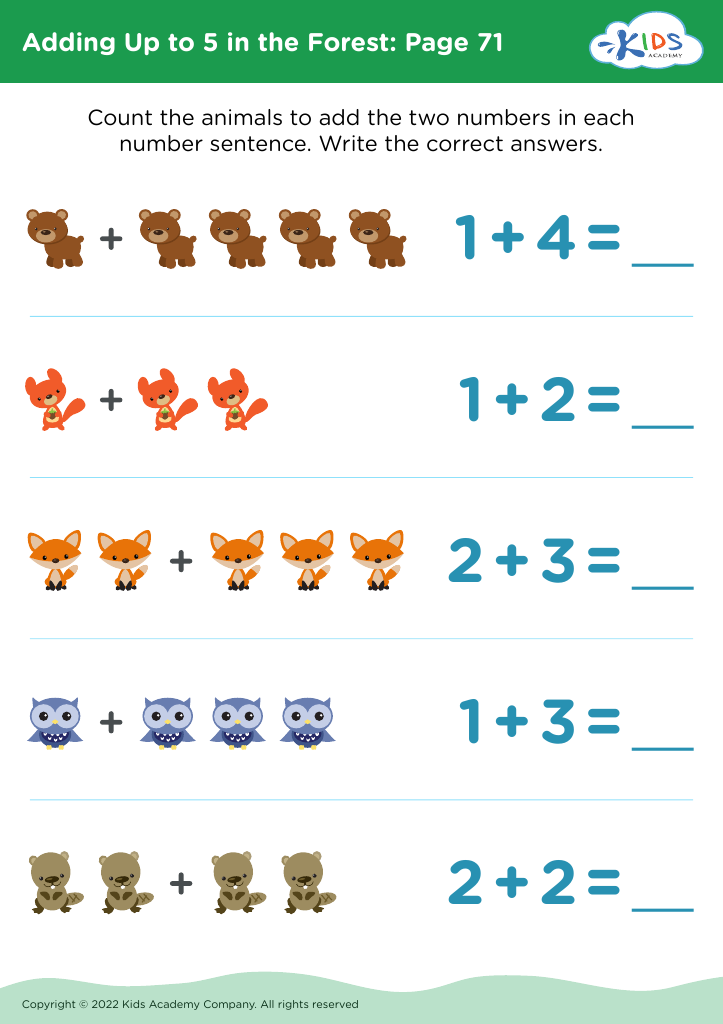
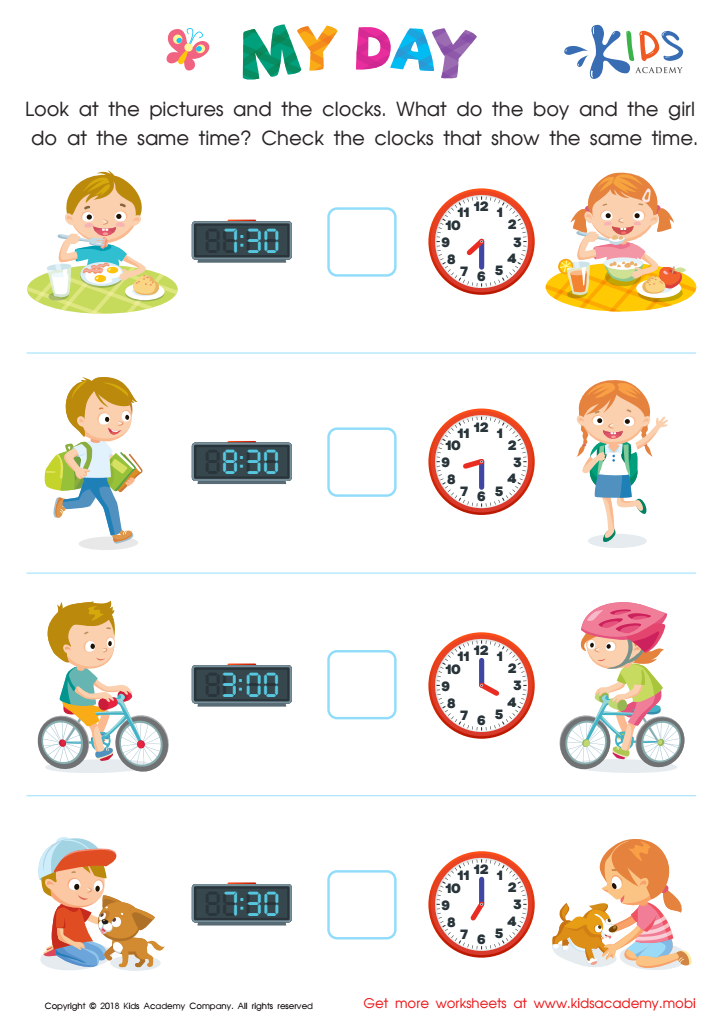
My Day Worksheet
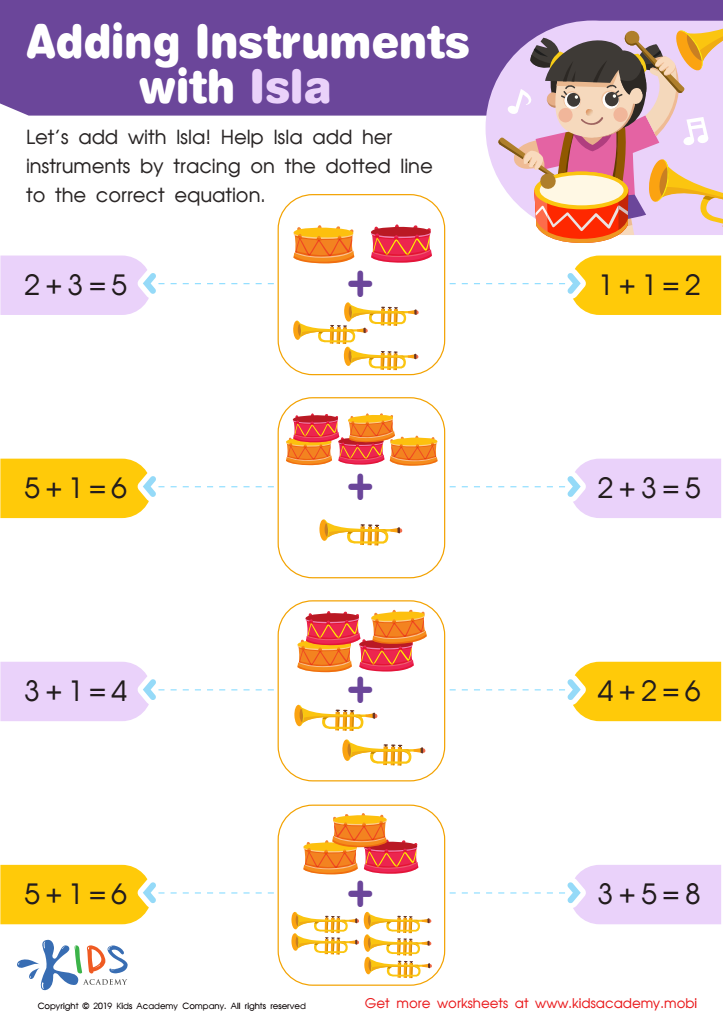
Adding Instruments with Isla Worksheet







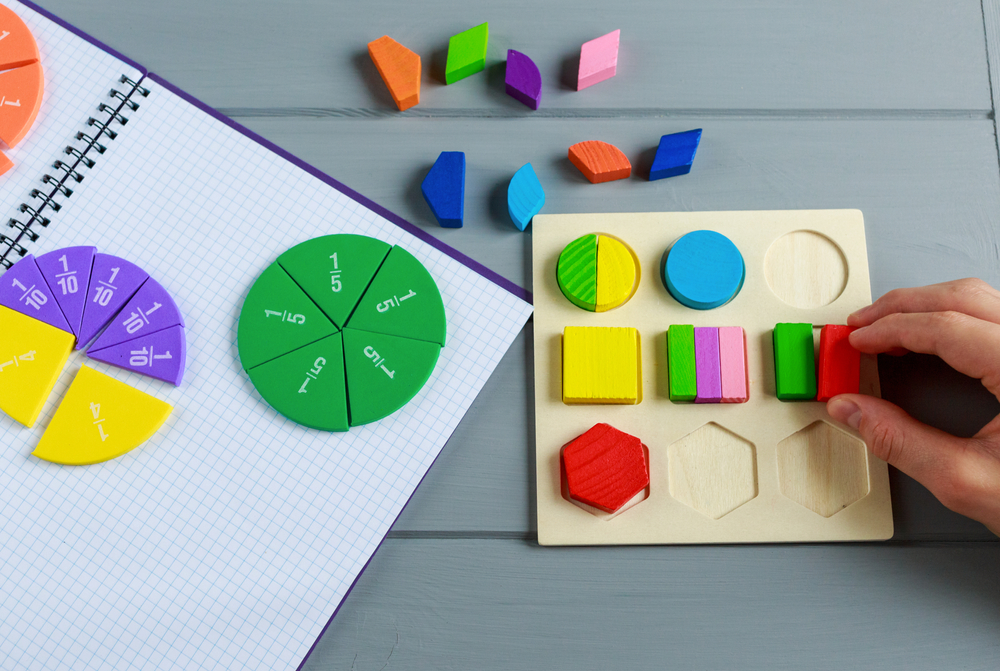
Visual perception is a crucial cognitive skill that enables children, especially those aged 5-6, to interpret and make sense of the visual information they encounter daily. For parents and teachers, emphasizing visual perception improvement in math is essential for several reasons.
Firstly, strong visual perception skills contribute to understanding mathematical concepts. This age group is typically introduced to foundational concepts such as shapes, sizes, and patterns. Children with enhanced visual perception can easily differentiate between these visual elements, aiding in problem-solving and critical thinking.
Moreover, visual perception directly influences a child's ability to follow math instructions and comprehend word problems, fostering independence in learning processes. As they engage with visual aids, such as charts or manipulatives, improved perception allows for better retention and application of mathematical concepts.
Additionally, holistic cognitive development relies on interconnected skills. By focusing on visual perception in math, children can also refine their fine motor skills through activities like drawing shapes or using blocks, which benefit their overall academic journey.
In conclusion, reinforcing visual perception in math enhances comprehension and engagement, making it easier for children to grasp essential skills, establish a solid foundation for future learning, and enjoy the process of discovery in mathematics.








