Enhancing Reading Comprehension Reading Worksheets for Ages 5-6
6 filtered results
-
From - To
Enhance your child's reading skills with our "Enhancing Reading Comprehension Worksheets" designed specifically for ages 5-6. These engaging worksheets nurture critical thinking and boost comprehension through fun activities that balance education and entertainment. Young learners can practice identifying main ideas, making connections, and answering questions, all while exploring captivating stories and illustrations. With a focus on building vocabulary and developing analytical skills, these resources foster a love for reading and support academic readiness. Perfect for parents and teachers alike, our worksheets provide an interactive way for children to enhance their reading comprehension in an enjoyable manner. Start their reading journey today!
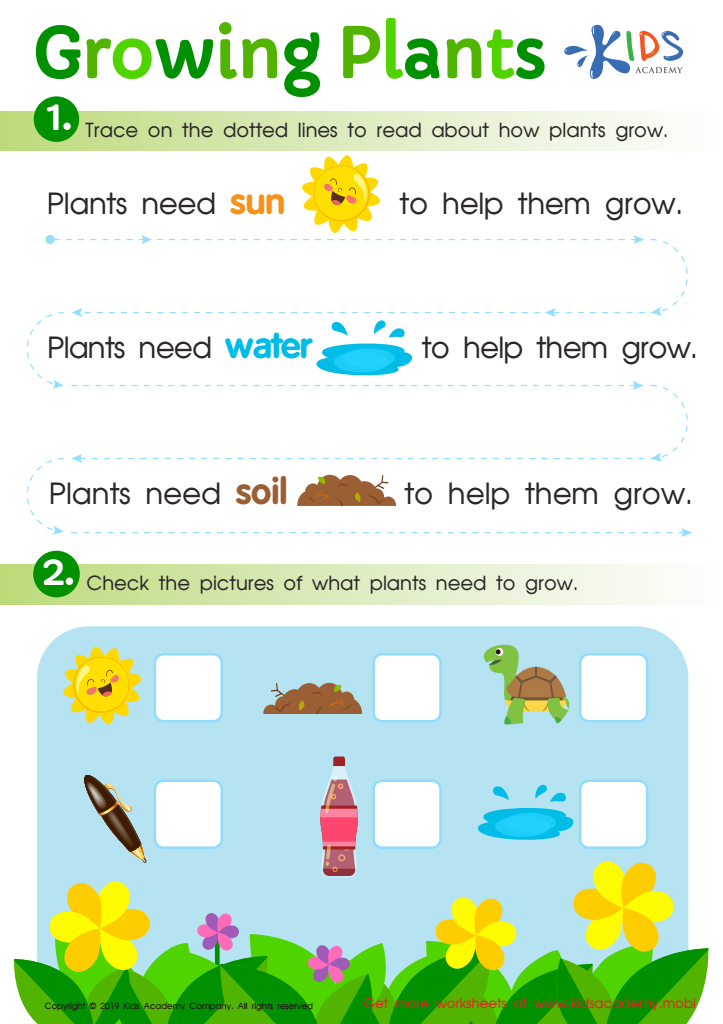
Growing Plants Worksheet
 Assign to My Students
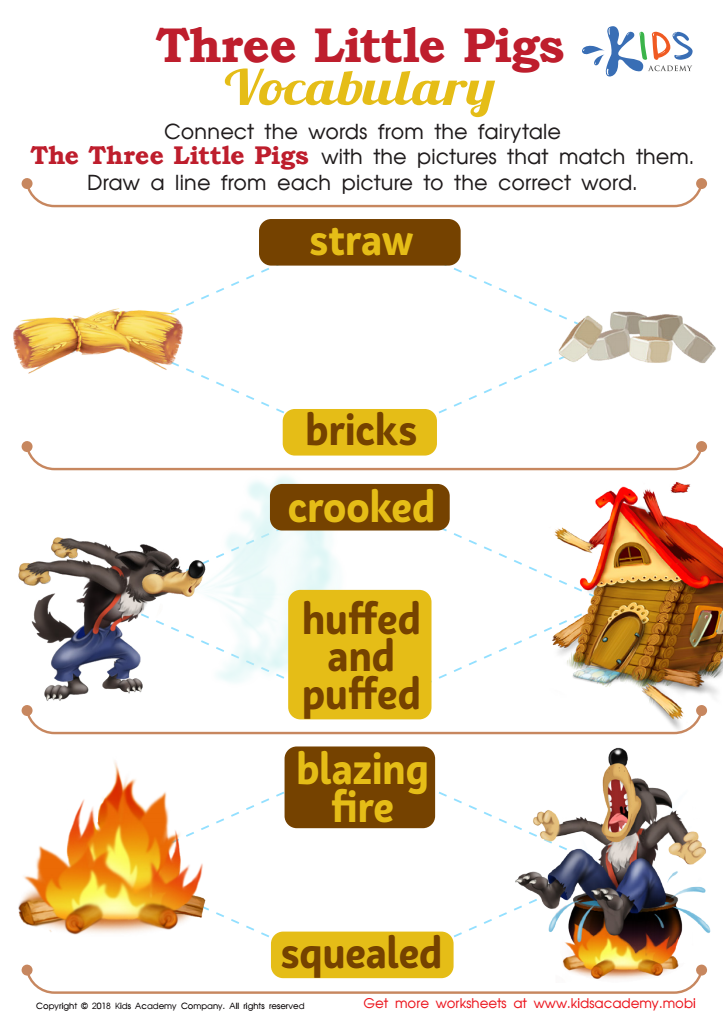
Three Little Pigs Vocabulary Worksheet
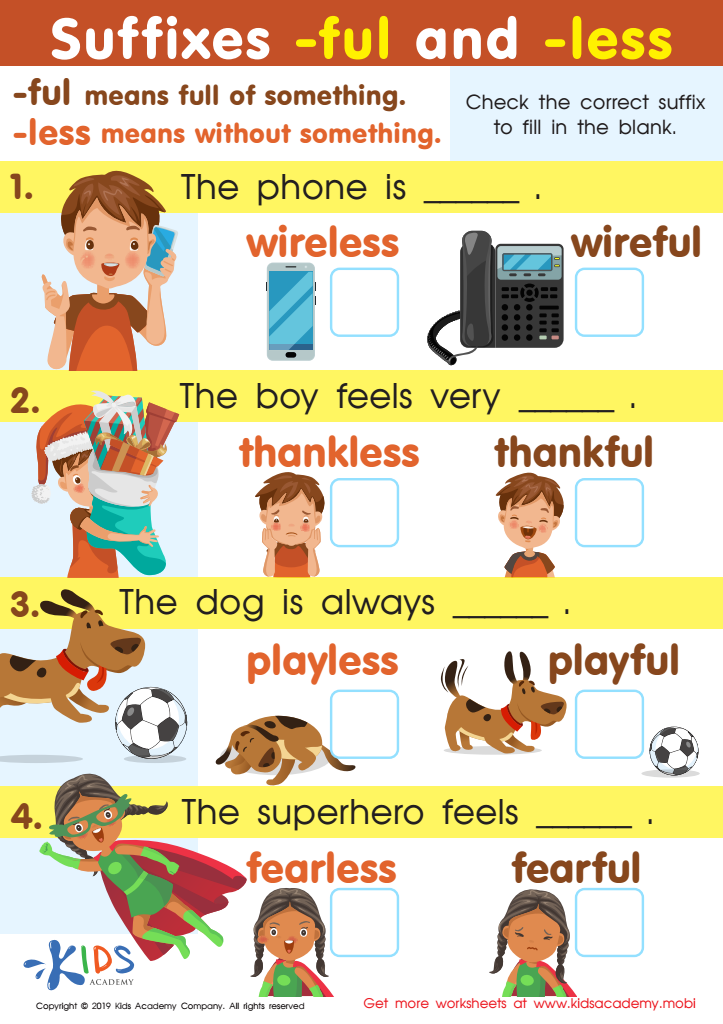
Suffixes –ful and –less Worksheet
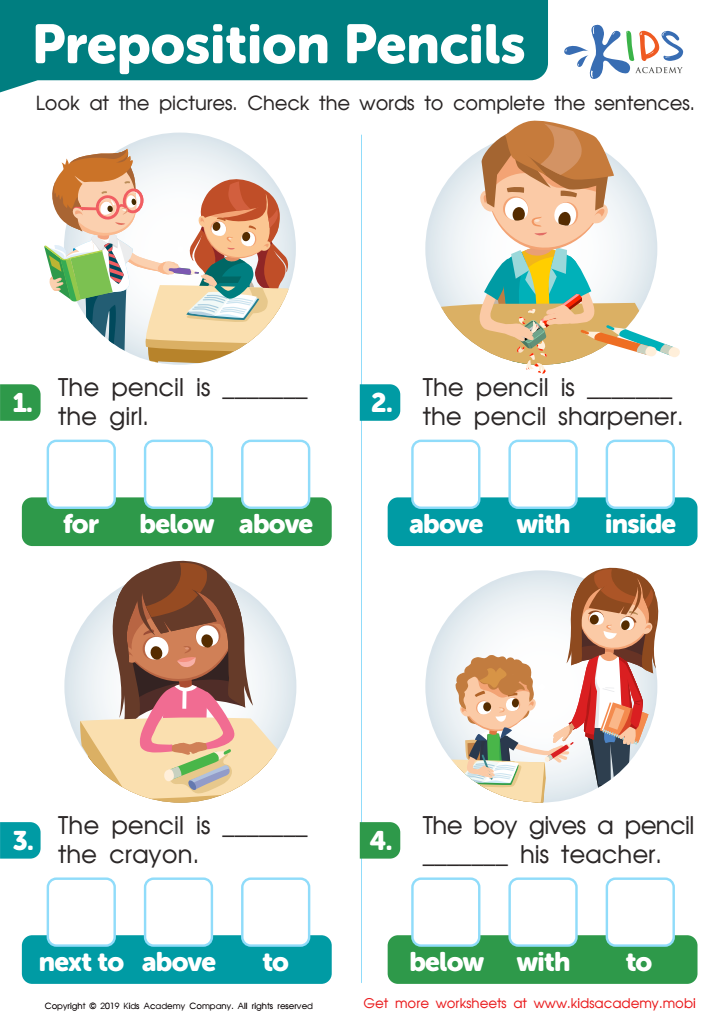
Preposition Pencils Worksheet
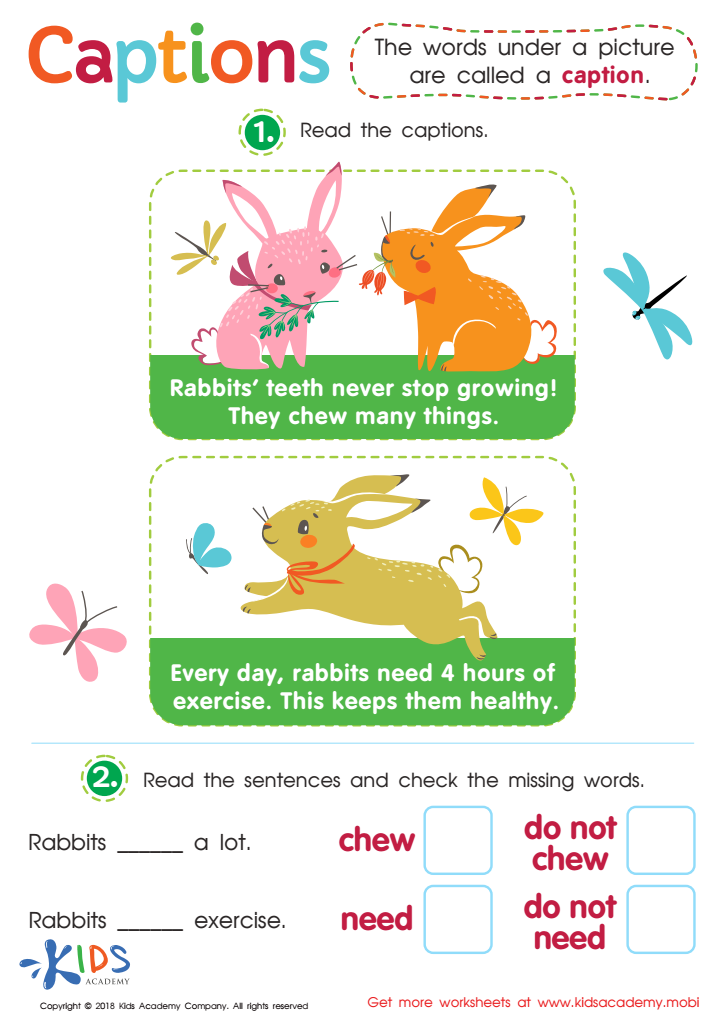
Captions Worksheet
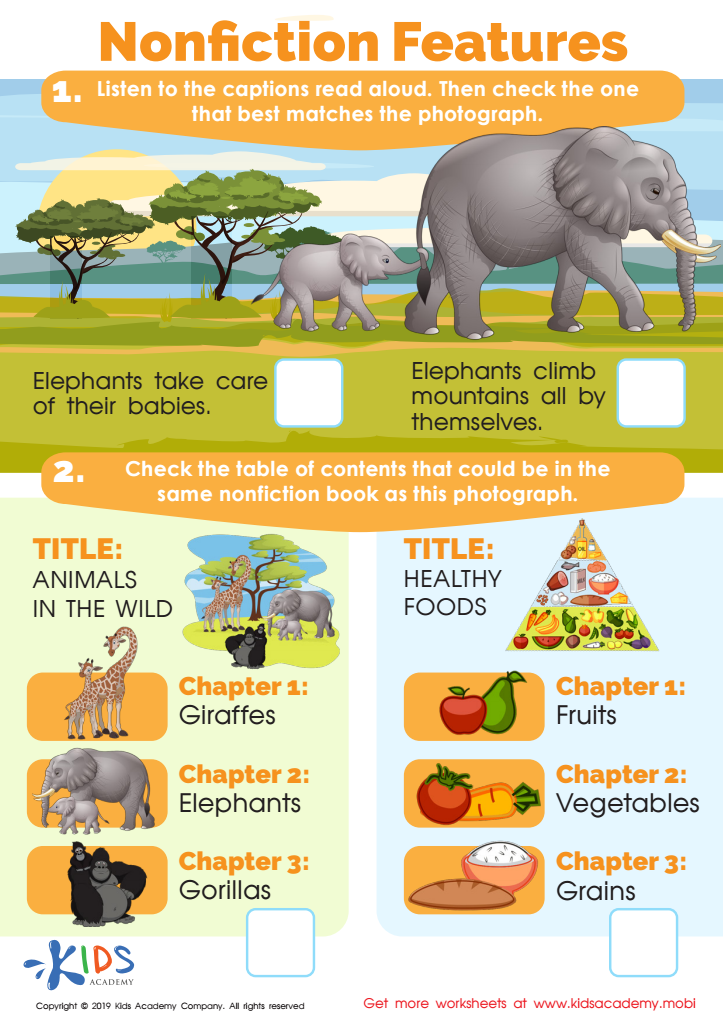
Nonfiction Features Worksheet


.jpg)



Enhancing reading comprehension for children ages 5-6 is crucial because this stage serves as the foundation for lifelong learning. At this age, children are beginning to grasp the basic mechanics of reading—letters, sounds, and simple words. By focusing on comprehension, parents and teachers can help children go beyond decoding words to understanding and interpreting their meanings. This skill is vital because it influences academic success across subjects, including math and science.
Developing reading comprehension at an early age nurtures critical thinking and encourages children to ask questions, make connections, and develop a sense of curiosity about the world around them. These competencies not only build language skills but also foster social-emotional development as children learn to express their thoughts and connect with others about what they read.
Furthermore, strong reading comprehension skills contribute to a child's self-confidence. Children who comprehend what they read are more likely to engage in discussions, become enthusiastic readers, and enjoy literature, paving the way for them to be more successful and motivated learners in the future. By promoting effective strategies for reading comprehension, parents and teachers play a vital role in shaping confident, capable readers who are ready to tackle more complex texts as they progress through their education.








