Fraction comparison Reading Worksheets for Ages 5-6
9 filtered results
-
From - To
Explore our engaging Fraction Comparison Reading Worksheets tailored for children ages 5-6! Designed to build essential literacy and math skills, these worksheets guide young learners through the exciting world of fractions. With vibrant illustrations and easy-to-follow instructions, kids will compare fractions in a fun and interactive way. Each worksheet encourages critical thinking and strengthens reading comprehension, making it an ideal resource for classroom or home learning. Whether mastering the basics of greater than, less than, or equal to, your child will gain confidence in their abilities while enjoying the captivating activities. Download our Fraction Comparison Reading Worksheets today and watch them thrive!
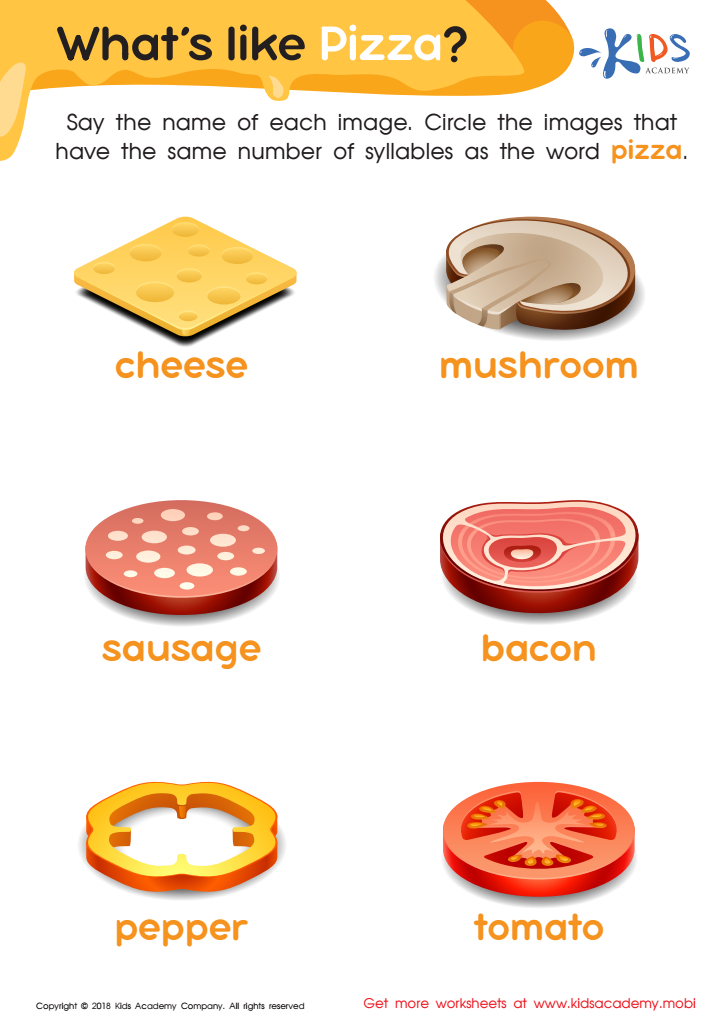
What's Like Pizza? Worksheet
 Assign to My Students
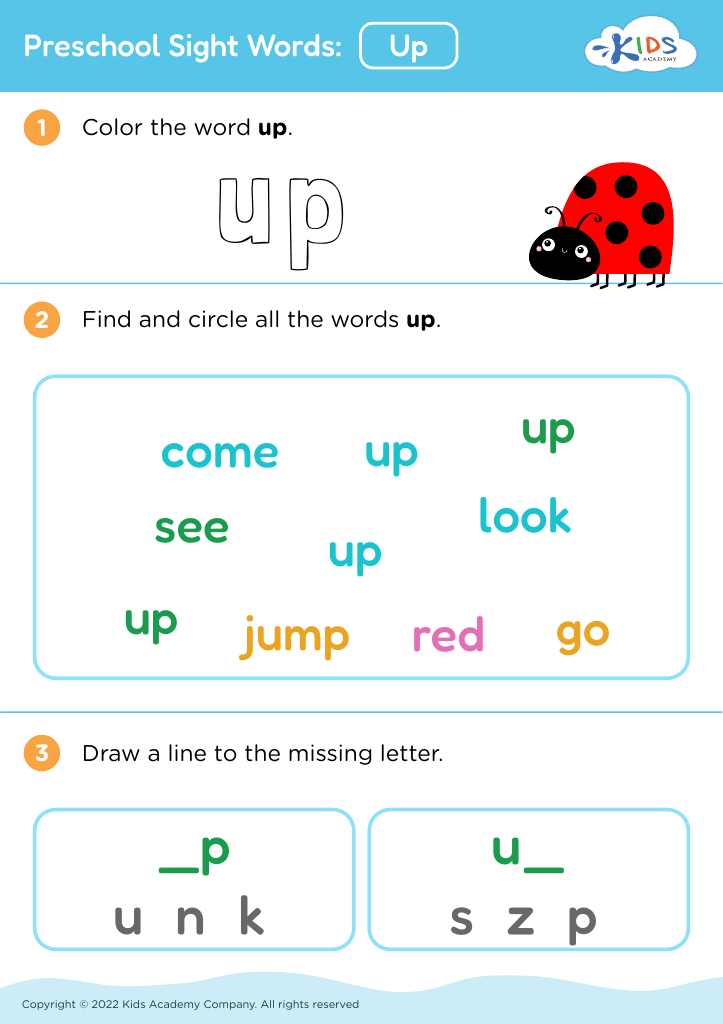
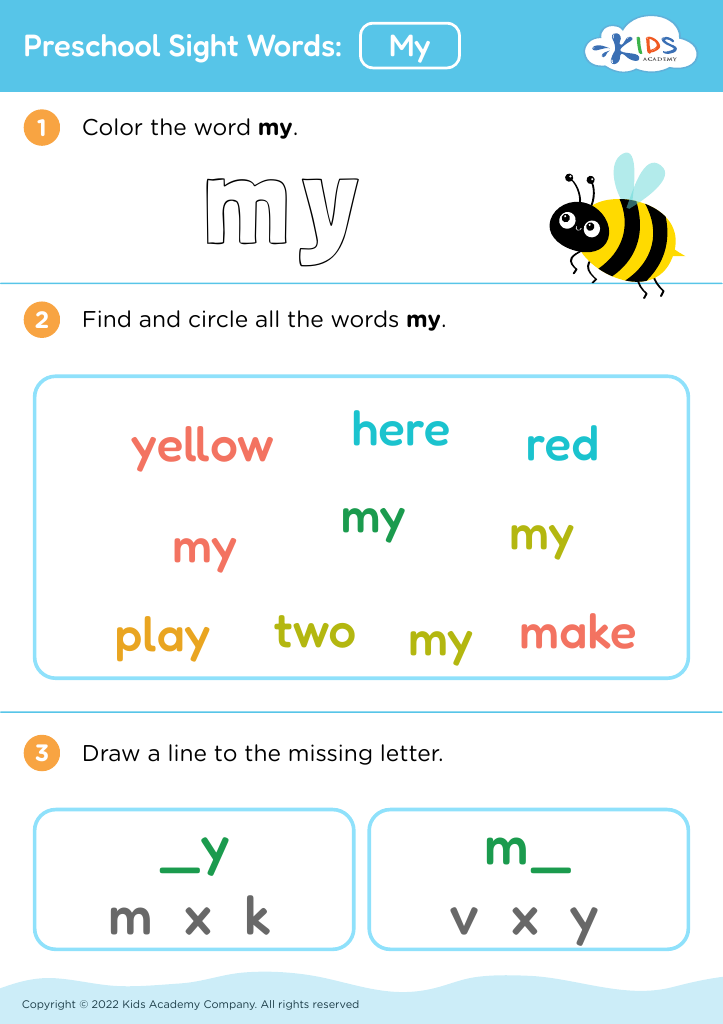
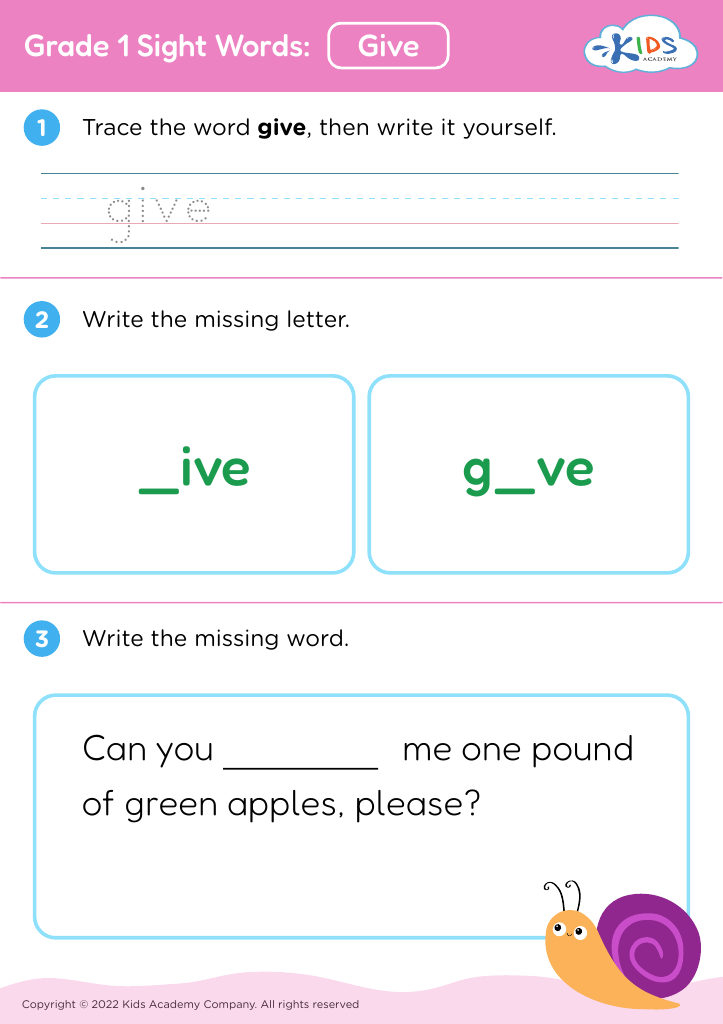





Fraction comparison reading is a critical cognitive skill for children aged 5-6, laying the foundation for more complex mathematical concepts and improving overall comprehension. At this age, children are beginning to grasp fundamental number concepts, and introducing fractions helps them understand relationships between parts and wholes. Educating parents and teachers about this fundamental skill ensures that children develop a solid mathematical foundation early on.
Understanding fractions promotes cognitive skills, such as problem-solving and critical thinking, helping young learners make connections between numbers beyond whole numbers. It encourages them to visualize concepts, fostering an appreciation for mathematics. Additionally, learning to compare fractions can enhance children's language skills as they articulate their reasoning in discussions. This encourages rich dialogue between parents, teachers, and children, enhancing the child's literacy in both mathematical and verbal contexts.
Moreover, children are more likely to encounter fractions in everyday situations—sharing pizza, cutting cakes, or measuring ingredients. By supporting Fraction comparison reading, parents and educators can help children feel confident in their mathematical abilities, preparing them for future academic challenges and real-life applications. Early engagement with such concepts nurtures a positive attitude toward math, vital for lifelong learning.








