
Sequencing Skills Plants and Animals Worksheets for Ages 5-6
3 filtered results
Difficulty Level
Grade
Age
-
From - To
Subject
Activity
Standards
Enhance your child's sequencing skills with our engaging Plants and Animals worksheets, designed specifically for ages 5-6. These printable activities provide a fun and interactive way for young learners to develop essential skills by arranging events or processes related to nature. From understanding the life cycles of plants and animals to making sense of natural habitats, these worksheets promote critical thinking and problem-solving. Suitable for both home and classroom use, our resources ensure that learning is enjoyable and effective. Watch your child grow as they connect the dots in the fascinating world of plants and animals through sequencing activities!
Favorites
With answer key
Interactive
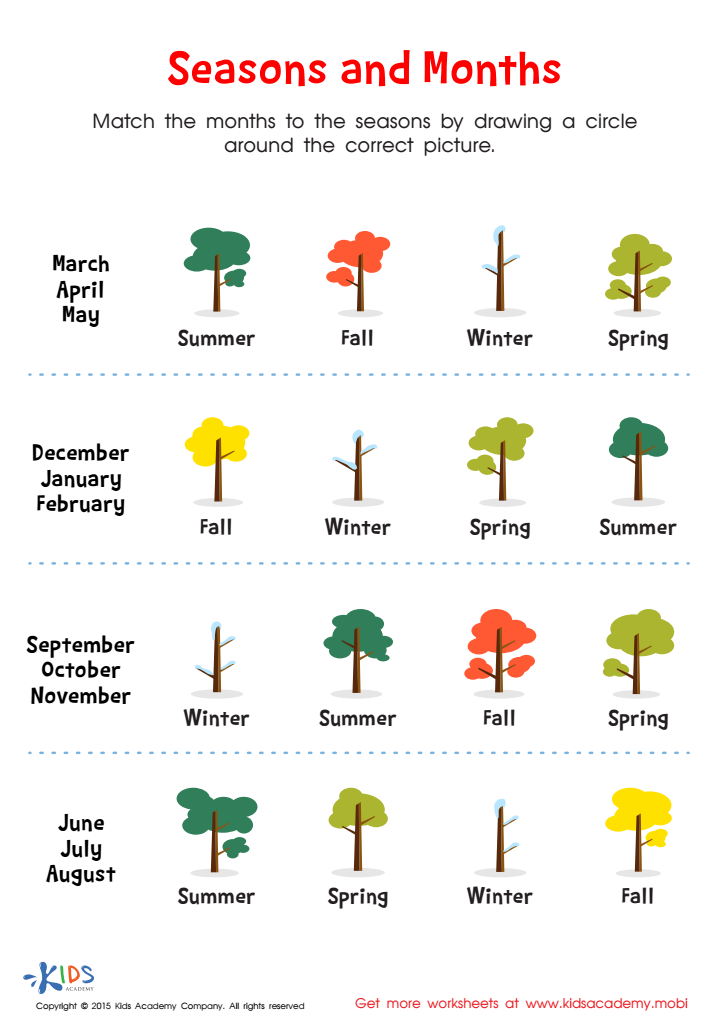
Seasons and Months Worksheet
Help your child explore the world around them with this fun seasons and months printable worksheet. It'll help them understand the months of the year and the seasons connected to them, teaching valuable science knowledge and skills. Plus, engaging in conversations about the current month and season will extend their learning!
 Assign to My Students
Seasons and Months Worksheet
Worksheet

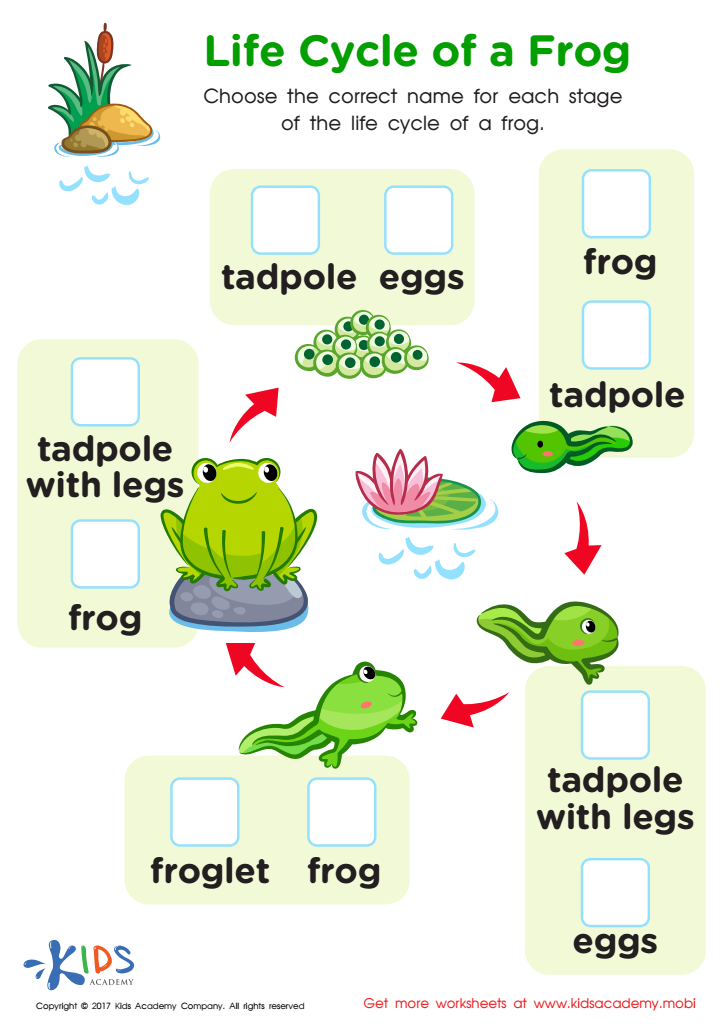
Life Cycle Frog Printable
Kids can explore the life cycle of frog with this fun worksheet! Draw lines from one stage to the next to follow the transformation from tadpole to frog and learn about the cycle of life.
Life Cycle Frog Printable
Worksheet
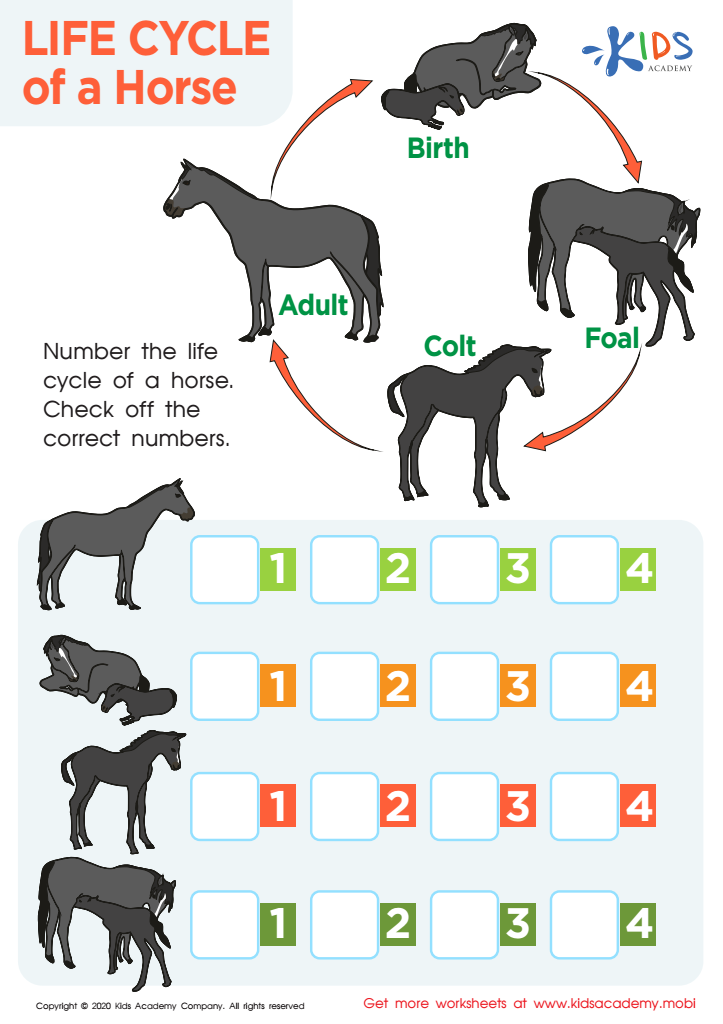
Life Cycle of a Horse Worksheet
Kids Academy's science worksheet on horses' lifecycles offers an engaging way for kids to learn! They'll study the diagram and label each stage of life, from birth to adulthood, and then number the pictures to mark the correct sequence. Fun and educational - a perfect way to get your kids learning!
Life Cycle of a Horse Worksheet
Worksheet
Join Kids Academy for Free
Who is primarily going to use this learning content?



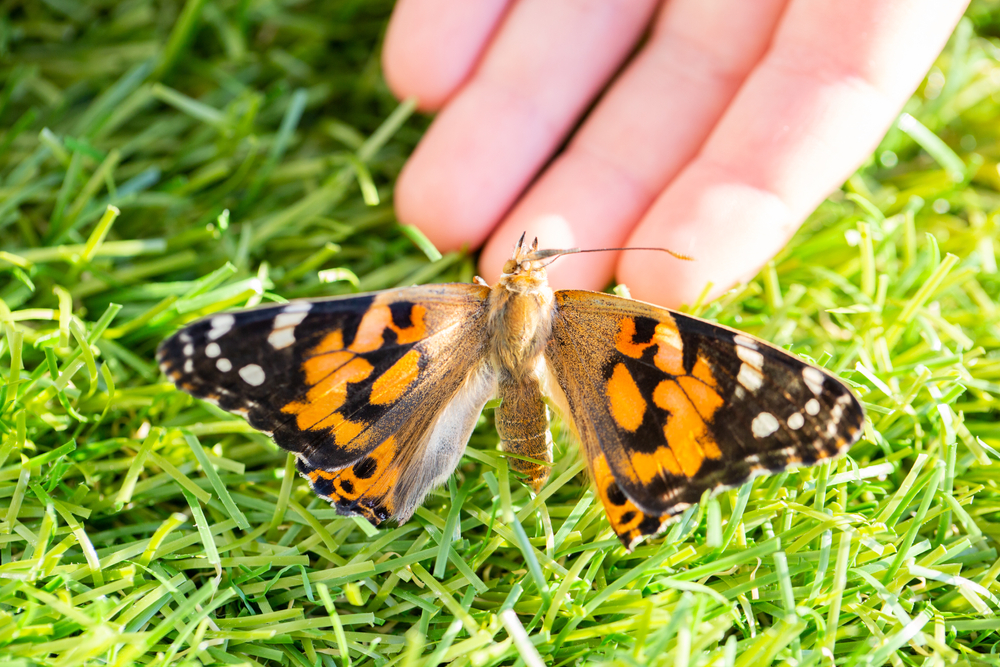




Sequencing skills are vital in early education, particularly for concepts like "Plants and Animals." For children aged 5-6, understanding sequencing helps them recognize and organize events chronologically, reinforcing cognitive development and storytelling abilities. This is crucial as they explore the life cycles of plants and animals. By learning to sequence events—such as a seed sprouting, growing into a plant, and eventually flowering—children grasp cause-and-effect relationships, which are fundamental to scientific thinking.
Moreover, sequencing enhances critical thinking and problem-solving skills. For instance, understanding the typical daily routines of animals helps children predict behaviors and draw connections to their environments. This knowledge fosters curiosity and encourages exploration of the natural world.
Parents and teachers should care about these skills because they lay the groundwork for more complex concepts in mathematics and literacy as children advance in their education. By nurturing these skills early on, educators and parents contribute to well-rounded cognitive development, instilling a love for learning. In essence, sequencing skills not only enrich children's understanding of nature but also build the foundational skills necessary for lifelong learning and exploration.








