Vocabulary development Social Studies Worksheets for Ages 5-6
7 filtered results
-
From - To
Our "Vocabulary Development Social Studies Worksheets for Ages 5-6" are designed to enhance early learners' language skills while exploring exciting topics in social studies. These engaging worksheets introduce young minds to essential vocabulary related to community, geography, and history through interactive activities and fun illustrations. Developed by education experts, they help children understand and use new words in context, laying a strong foundation for future academic success. Perfect for both classroom and at-home learning, these printables are an invaluable resource for teachers and parents aiming to boost their child's social studies knowledge and vocabulary development simultaneously.
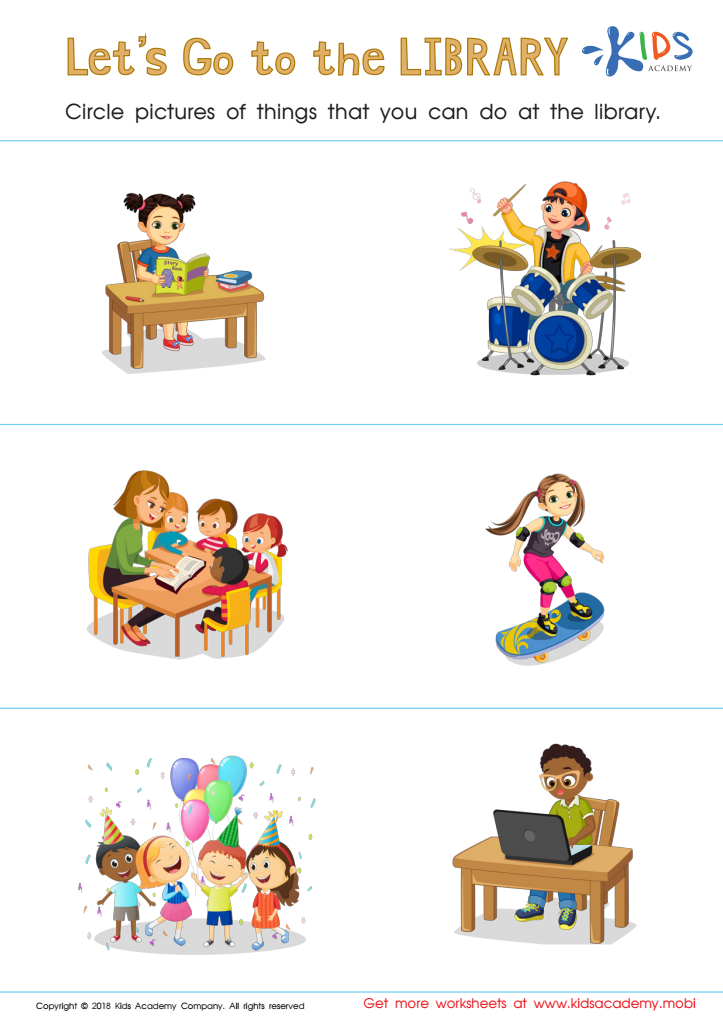
Let's Go to the Library! Worksheet
 Assign to My Students
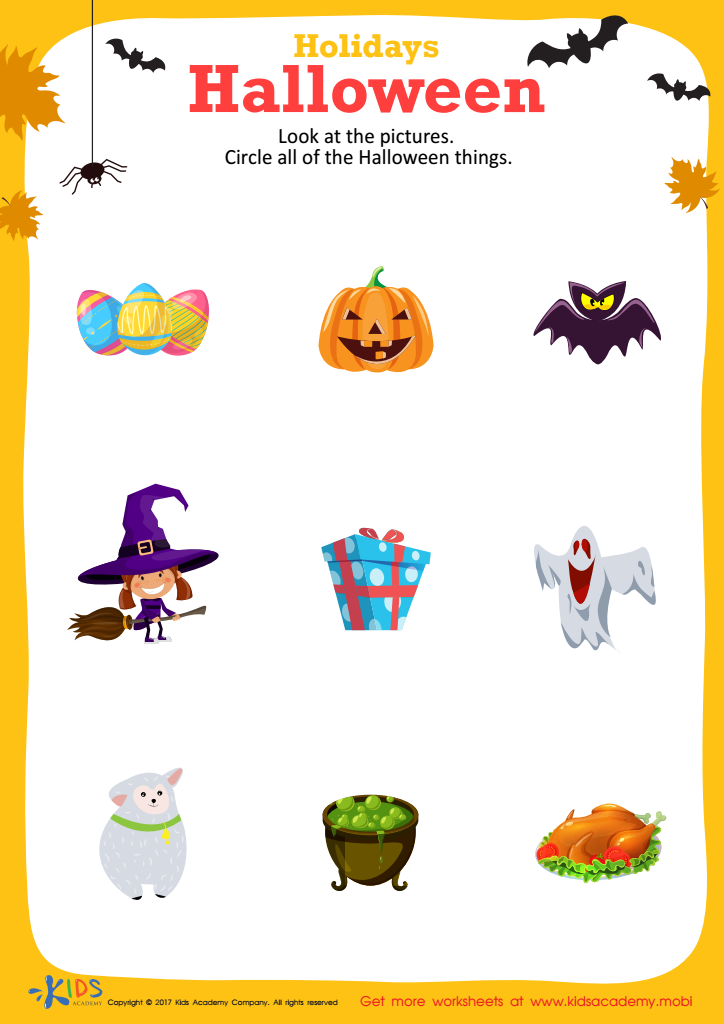
Halloween Holiday Worksheet
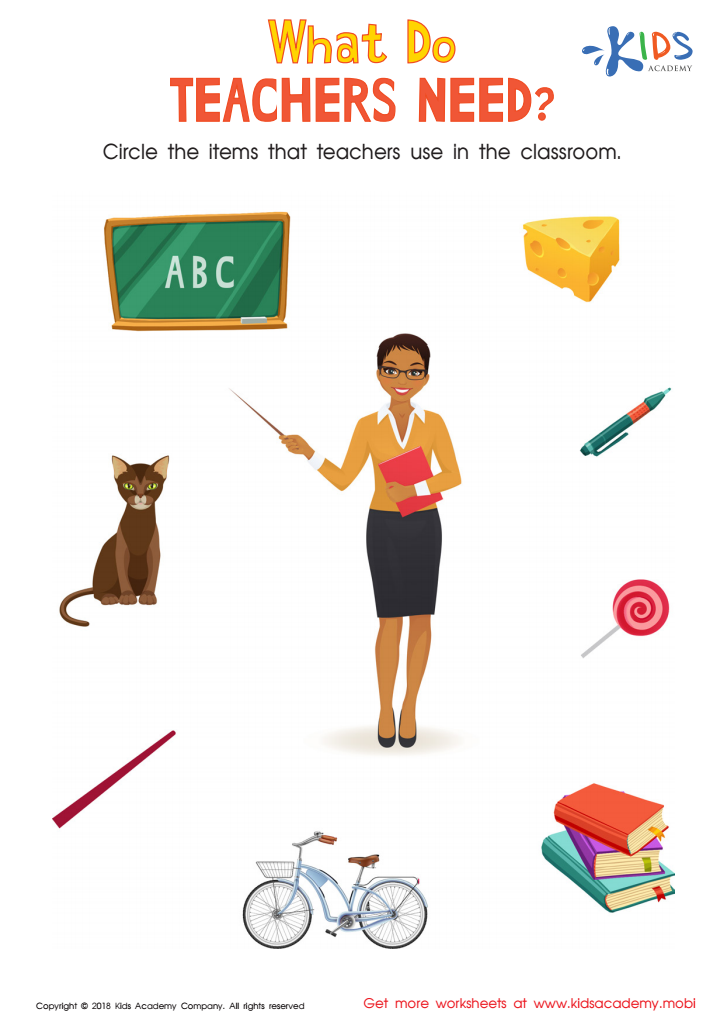
What Do Teachers Need Worksheet
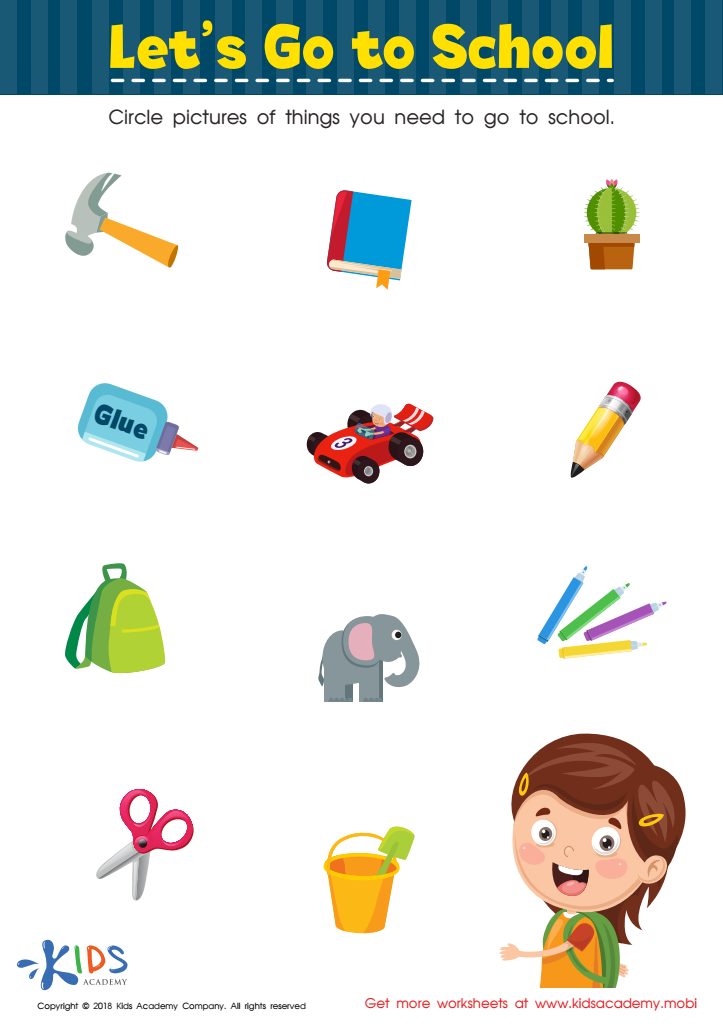
Let's Go to School! Worksheet
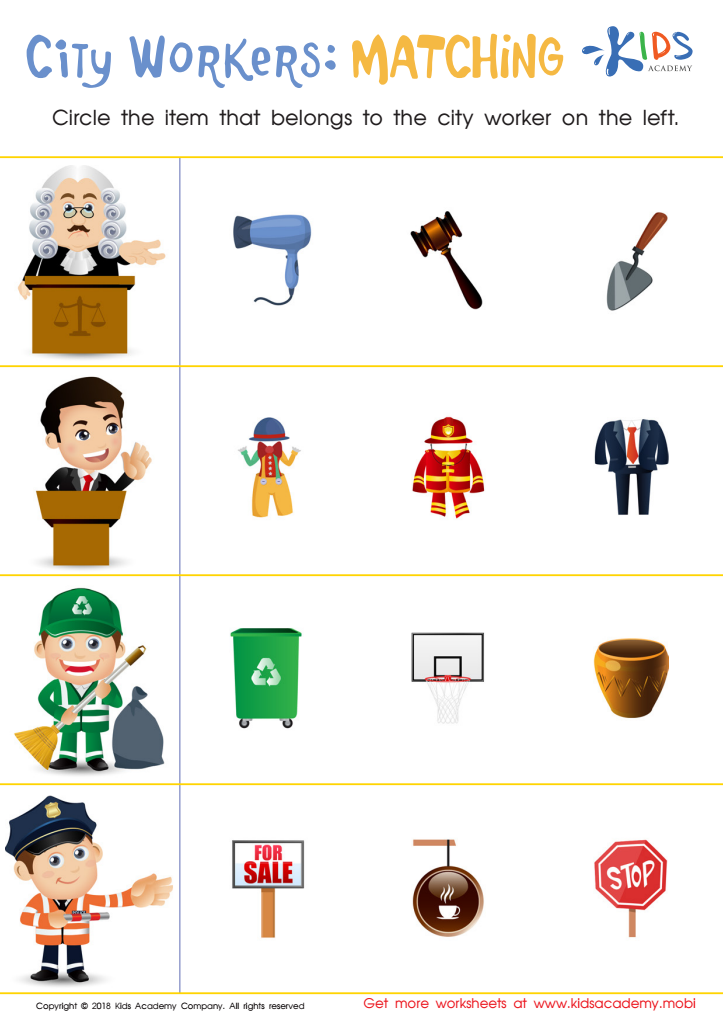
City Workers: Matching Worksheet
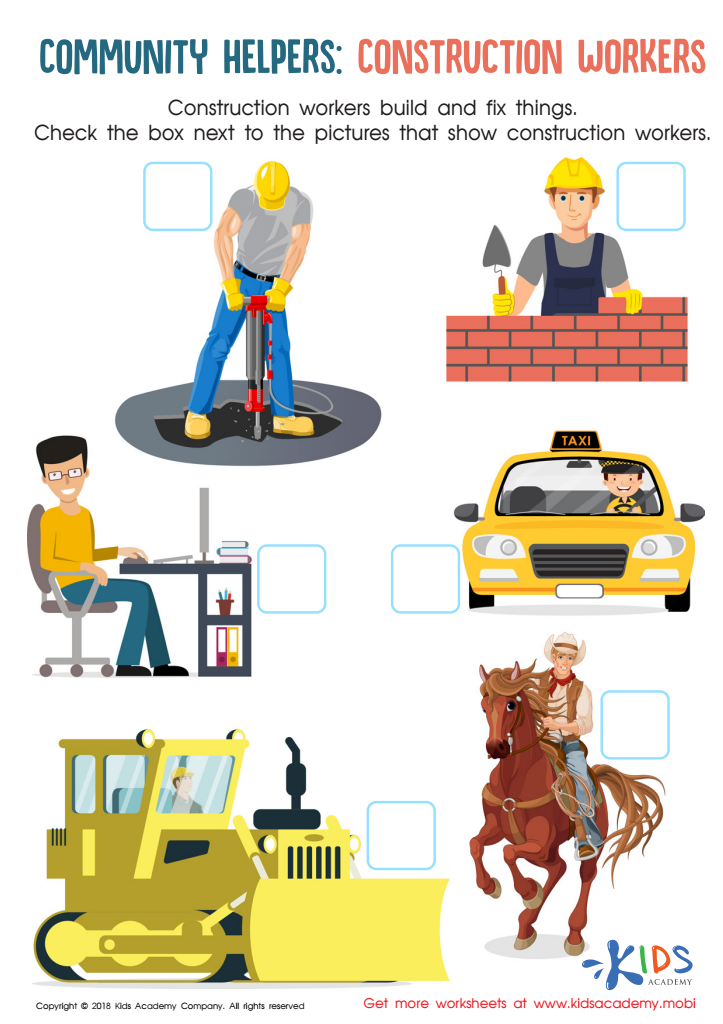
Construction Workers Community Helpers Worksheet








Vocabulary development in Social Studies for children ages 5-6 holds immense importance for several foundational reasons. At this age, children are rapidly expanding their language skills, and introducing them to Social Studies terminology helps build a robust vocabulary that supports critical thinking and understanding of the world. Social Studies focuses on learning about communities, cultures, history, geography, and societal norms. Familiarizing young children with words like "neighborhood," "tradition," "past," "present," and "future" links their expanding vocabulary to essential concepts about people and places.
For teachers and parents, investing in vocabulary development facilitates better communication and comprehension in young learners. This foundational knowledge equips children to make connections between their personal experiences and broader societal contexts, fostering empathy, cultural awareness, and informed citizenship from an early age. Moreover, a rich vocabulary in Social Studies lays the groundwork for successful academic progress in other subjects, as it enhances reading comprehension and expressive skills.
Additionally, an early focus on vocabulary builds self-esteem and confidence. When children can articulate their surroundings and experiences, they are more likely to engage actively in classroom discussions and social interactions. Ultimately, a well-rounded vocabulary fosters curiosity, critical thinking, and lifelong love for learning, making it a crucial pillar in early childhood education.








