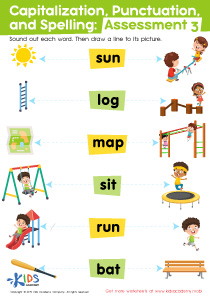
Color recognition Writing Worksheets for Ages 5-6
12 filtered results
Difficulty Level
Grade
Age
-
From - To
Subject
Activity
Standards
Welcome to our Color Recognition Writing Worksheets for ages 5-6! Designed to spark creativity while enhancing essential writing skills, our worksheets offer engaging activities that focus on identifying and naming colors. Young learners will enjoy tracing and writing color words, alongside fun illustrations to reinforce their understanding. These carefully crafted worksheets promote fine motor skills, boost vocabulary, and foster children’s ability to express themselves through color and words. Perfect for classrooms or homeschooling, our comprehensive resources will aid in developing early literacy skills while making learning enjoyable. Let's embark on a colorful journey of discovery and creativity together!
Favorites
With answer key
Interactive
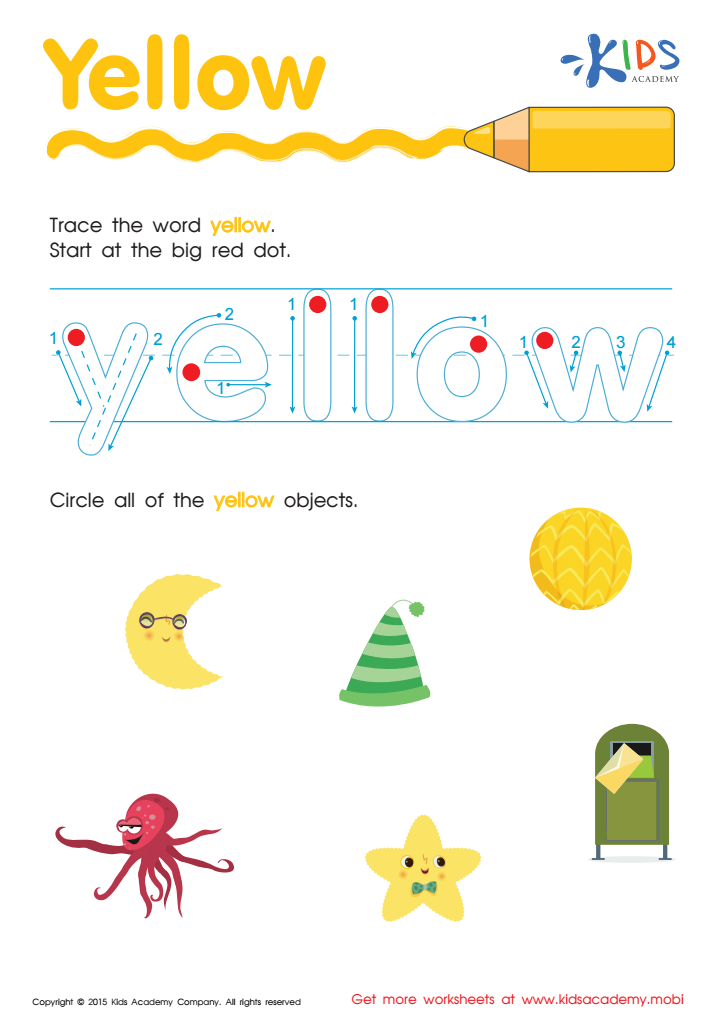
Yellow Tracing Color Words Worksheet
Tracing is a great way to start learning handwriting! Our printable worksheet helps your kindergartener practice and master the basics. They'll trace lines and fill in the word "yellow" with bright colors, sure to captivate and inspire them for more practice. Check out here for more tracing of color words.
 Assign to My Students
Yellow Tracing Color Words Worksheet
Worksheet
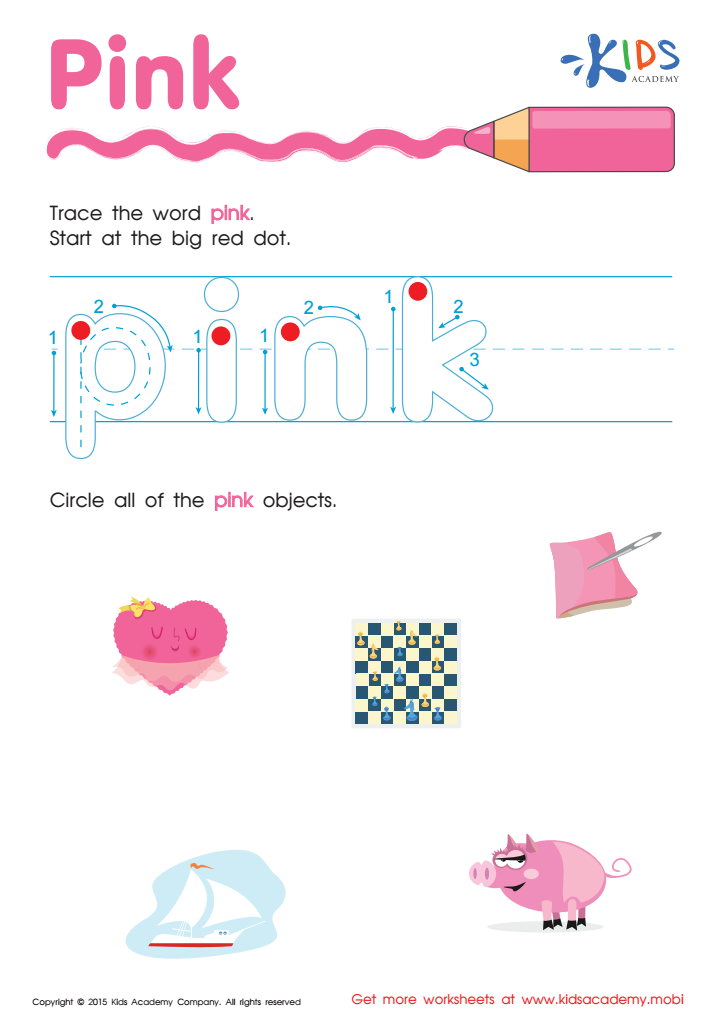
Pink Tracing Color Words Worksheet
Trace 'pink' with a pink crayon for an exciting handwriting lesson! Build fine motor skills and learn about sight words with this fun printable. Get creative and give it a splash of color for a colorful learning experience. For more tracing color words, explore here.
Pink Tracing Color Words Worksheet
Worksheet
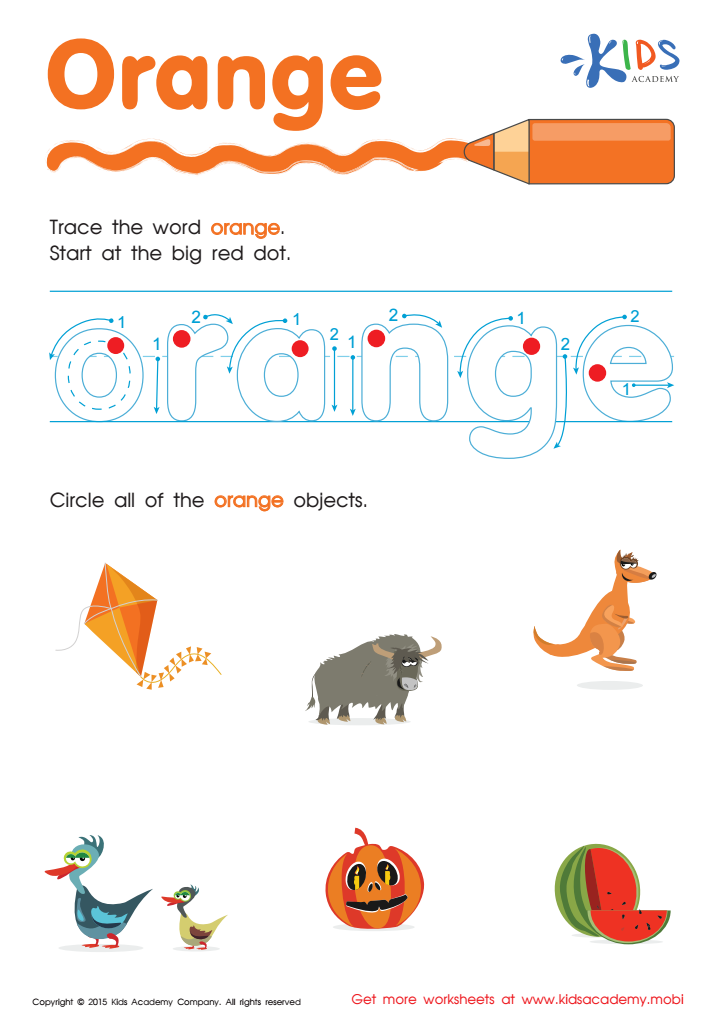
Orange Tracing Color Words Worksheet
This worksheet will surely bring a smile to your kid's face, even if orange isn't their favorite color. Let them trace the word "orange" and use an orange crayon. Ask them to find orange objects in their room for even more fun. Handwriting practice has never been more fun and exciting!
Orange Tracing Color Words Worksheet
Worksheet
Grey Tracing Color Words Worksheet
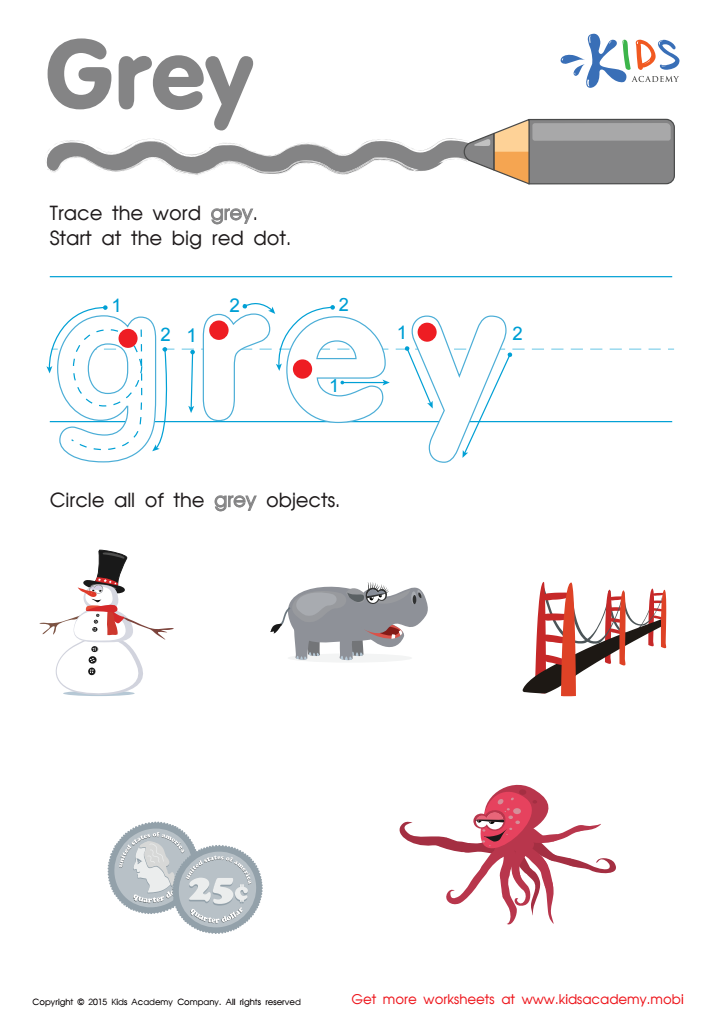
Help your kindergartener boost their writing skills with this free printable handwriting worksheet! They can trace the sight word "grey" with a grey crayon, starting at the big red dots. Sounding out and tracing the letters can help strengthen their handwriting. Ask them to name and circle all the grey objects to give extra practice. Get more free worksheets here!
Grey Tracing Color Words Worksheet
Worksheet
White Tracing Color Words Worksheet
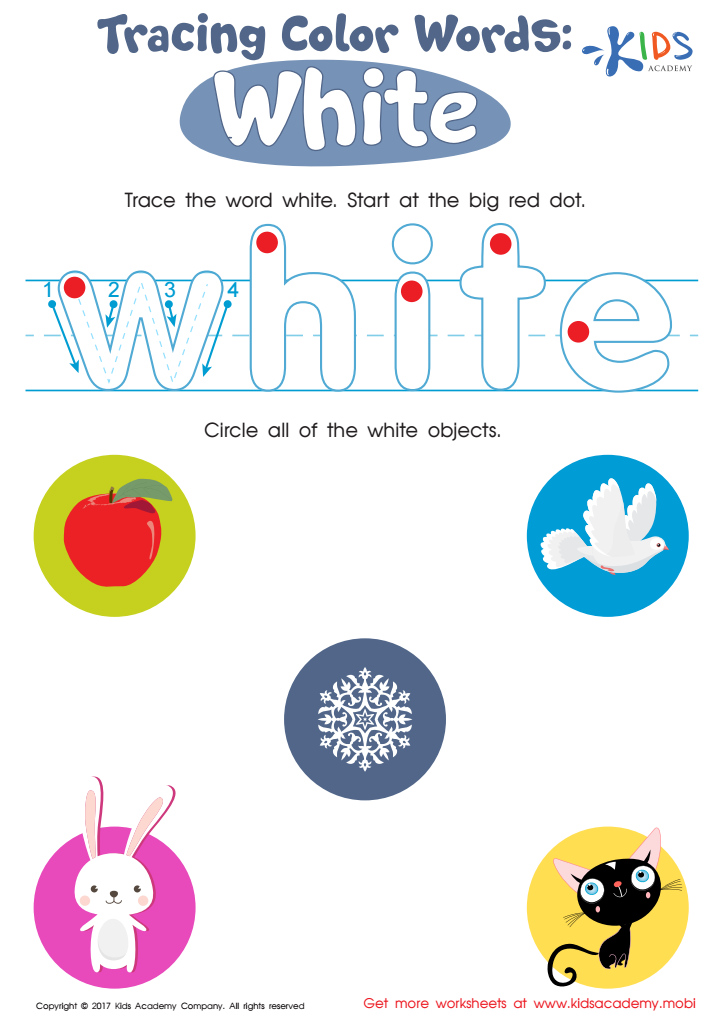
This fun worksheet helps children learn color words quickly. They trace the letters and circle pictures of the color. This helps them practice reading and identifying objects, and they can do it without needing to read phonetically. Download it now and watch your child's skill grow!
White Tracing Color Words Worksheet
Worksheet
Deer Tracing Winter Words Worksheet
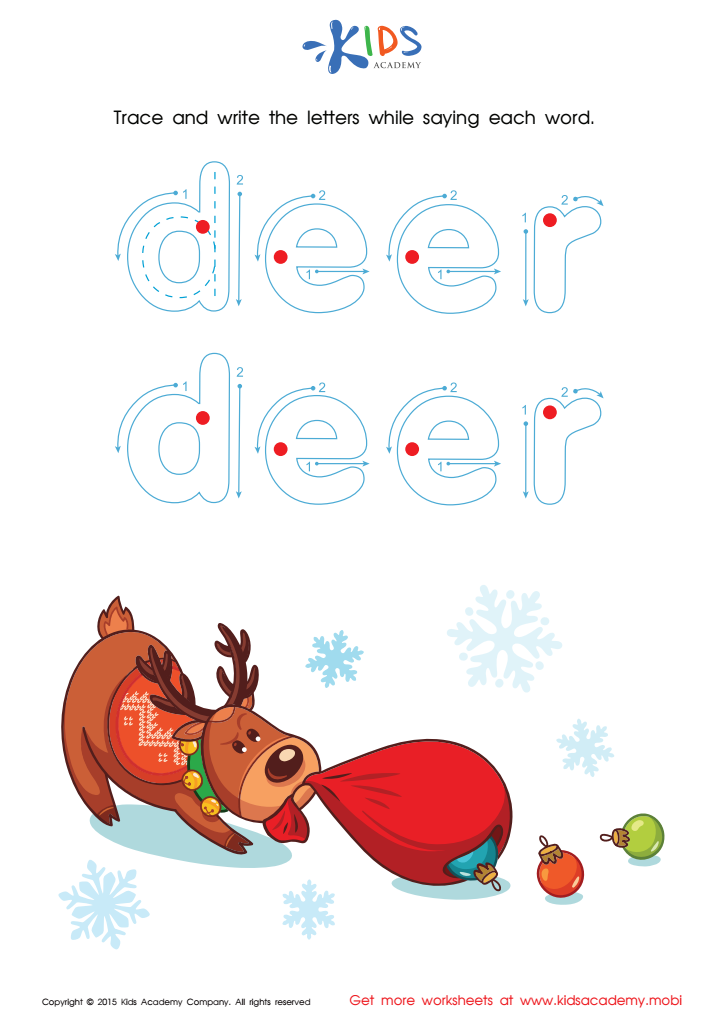
Want to give your kid's handwriting practice a festive twist? This colorful Christmas worksheet helps your child construct familiar sight words letter-by-letter while boosting their confidence in writing. It also teaches them essential motions for good handwriting and provides some spelling practice too. Want more free handwriting printables? Check out Kids Academy.
Deer Tracing Winter Words Worksheet
Worksheet
Green Tracing Color Words Worksheet
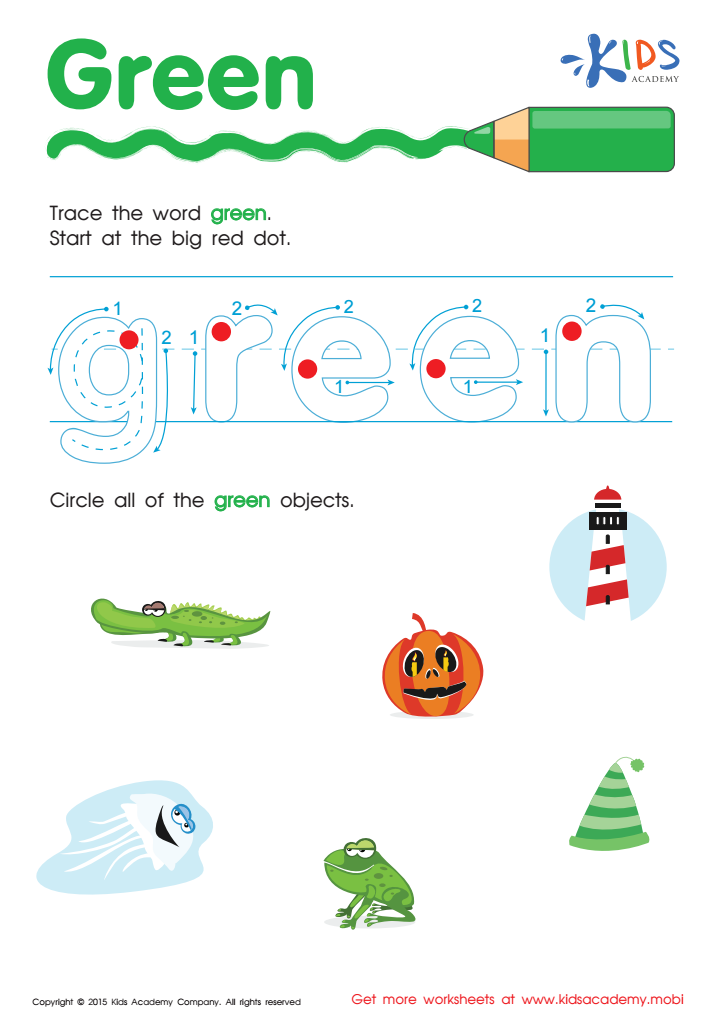
Encourage writing and spelling practice with this vibrant free handwriting worksheet. Have your child trace the new name of a primary color, "green," and circle green items in the picture. Ask them what else can be green for a challenging activity. Through this worksheet, your kindergartener can learn and play at the same time. For more free printables, look here.
Green Tracing Color Words Worksheet
Worksheet
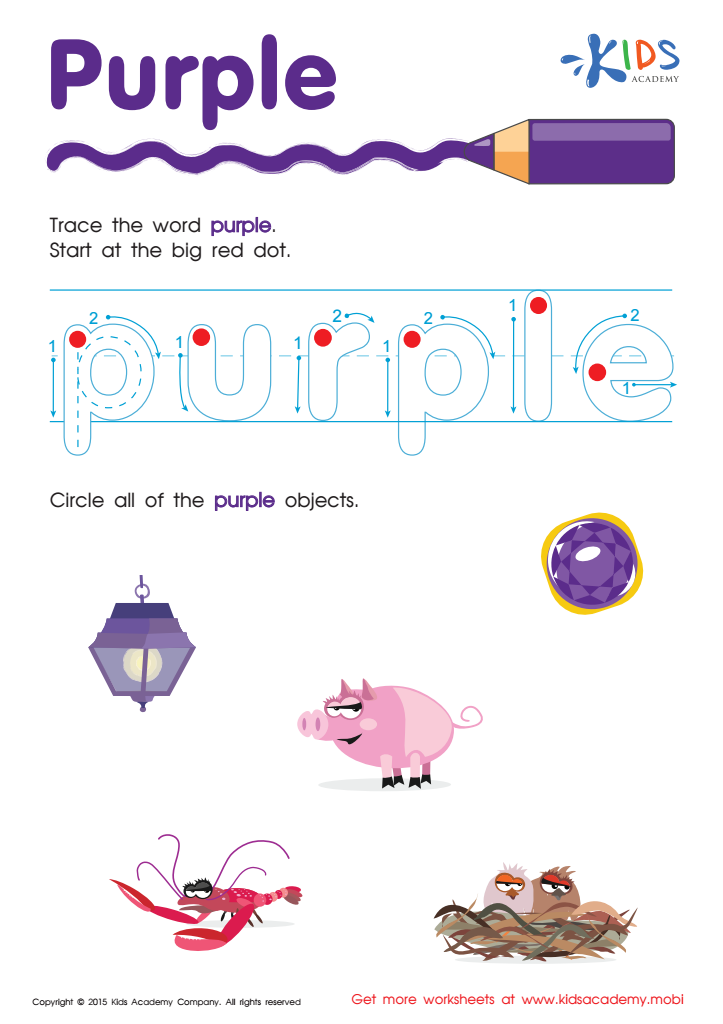
Purple Tracing Color Words Worksheet
Help your kindergartener practice their handwriting with this fun, free printable. They'll trace and color the word “purple”, starting at the big red dots, and pick out and circle all the purple objects they see. They'll get to train their fine motor muscles while having fun! Check out here for more handwriting practice.
Purple Tracing Color Words Worksheet
Worksheet
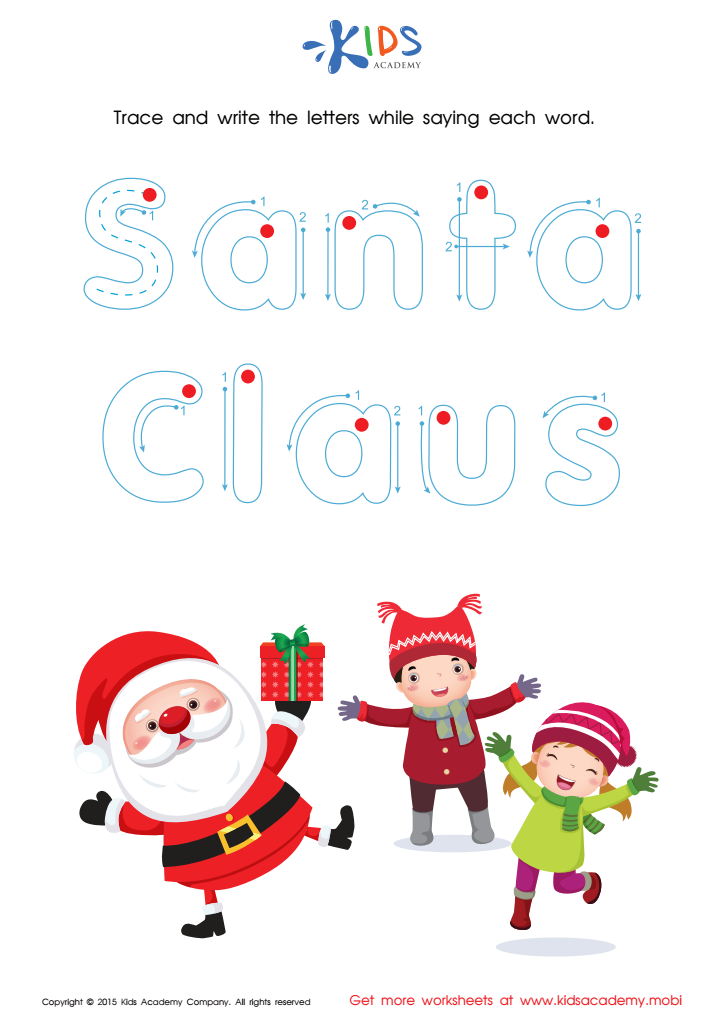
Santa Claus Tracing Winter Words Worksheet
Print out this Santa handwriting worksheet to help your kid build fine motor skills and get a head start on writing and spelling. Perfect for Christmas, and if you want more, take a look at Kids Academy's other handwriting worksheets.
Santa Claus Tracing Winter Words Worksheet
Worksheet
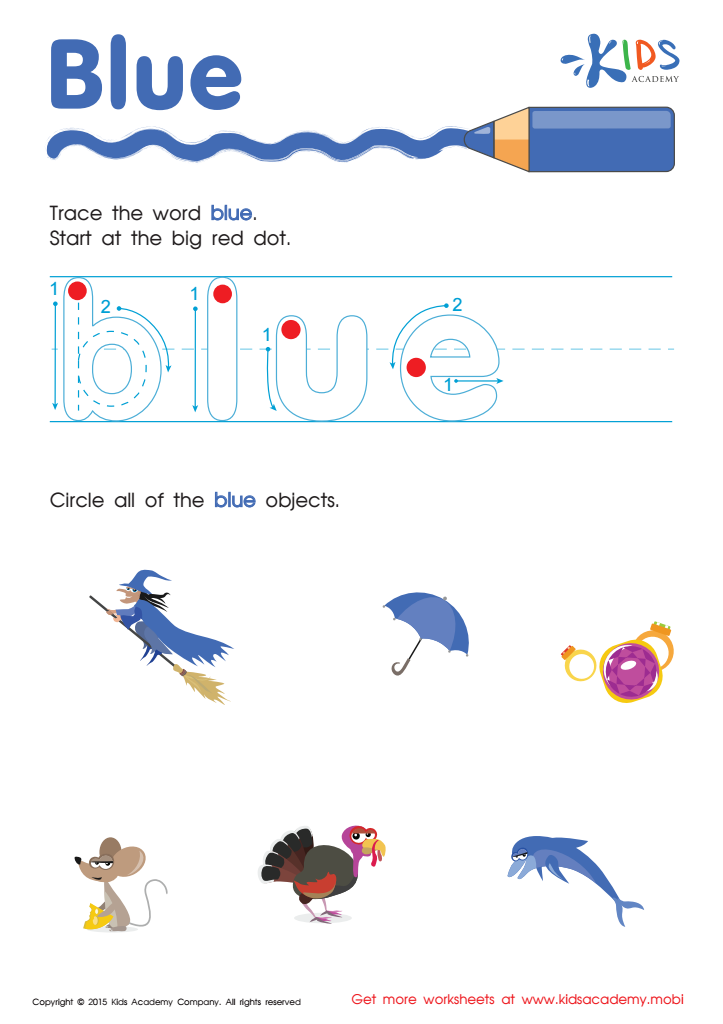
Blue Tracing Color Words Printable
Encourage your child's motor skills by having them trace the word "blue" with their blue crayon on this free printable handwriting worksheet, starting at the red dots. Ask them to circle all the blue objects they see. Check out here for more handwriting practice.
Blue Tracing Color Words Printable
Worksheet
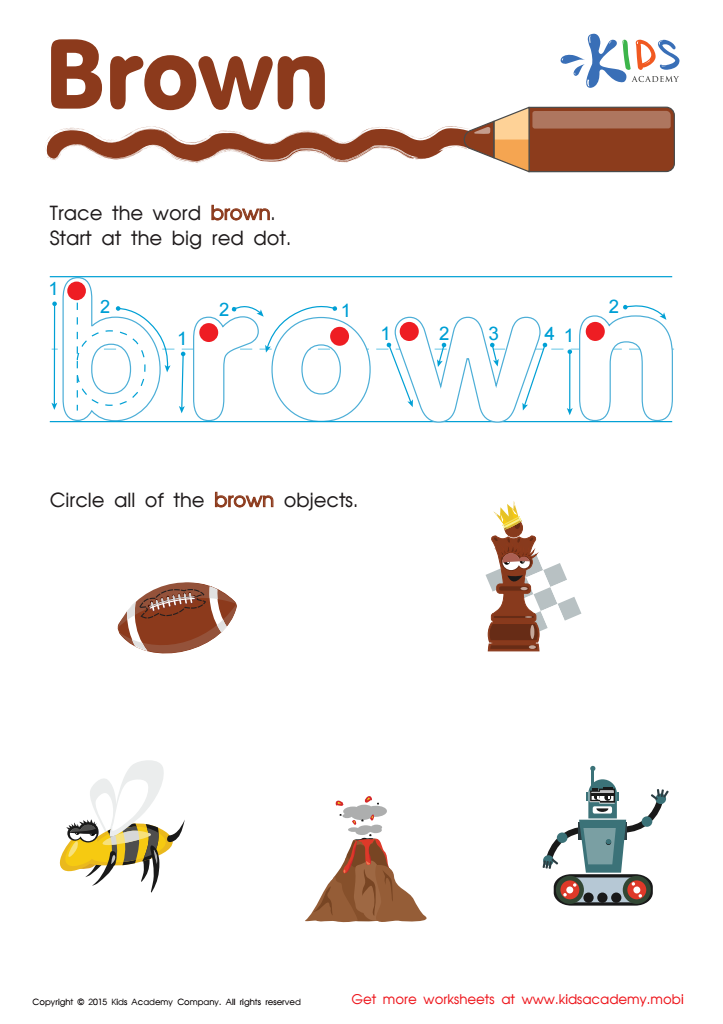
Brown Tracing Color Words Worksheet
This worksheet helps kids develop fine motor muscles and practice writing. Have them trace the word "brown" with a crayon, then find the brown objects in the picture. Ask them to look around and say what's brown in their room to make it more fun. Writing basics and a bit of fun - check out this free printable handwriting worksheet! For more tracing color words, check out here.
Brown Tracing Color Words Worksheet
Worksheet
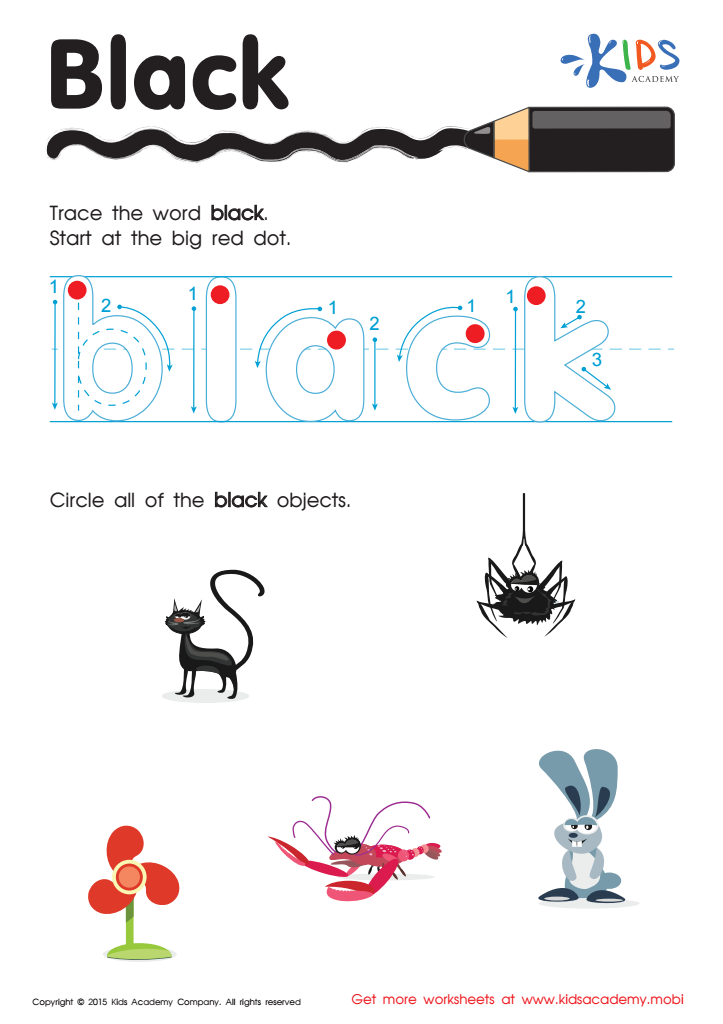
Black Tracing Color Words Printable
Tracing is essential for kids to learn good handwriting and boost their fine motor skills. This handwriting worksheet lets kids trace the word "black" letter by letter using a black crayon and spot all the black items. With this free printable, they'll have fun while writing! For more practice, check out the link.
Black Tracing Color Words Printable
Worksheet
Join Kids Academy for Free
Who is primarily going to use this learning content?








Color recognition and writing are crucial developmental skills for children aged 5-6, and both parents and teachers should prioritize their importance. At this stage, children are not only learning to identify colors but are also beginning to associate them with words and letters, laying the groundwork for their literacy and cognitive development.
Recognizing colors enables children to communicate their observations and feelings more effectively, enhancing language skills. It helps in categorizing and understanding their environment, fostering critical thinking as they identify patterns and groups based on colors. Furthermore, learning to write colors allows kids to associate physical symbols with their meanings, which is vital for early writing skills.
Incorporating color recognition into fun, engaging activities such as arts and crafts or coloring books fosters creativity and fine motor skills. These activities nurture children's ability to focus and concentrate, essential traits for future learning. Moreover, parents and teachers who encourage color exploration provide a supportive environment, stimulating children's curiosity and desire to learn.
Overall, emphasizing color recognition and writing equips young learners with essential skills that serve as building blocks for success in reading, writing, and overall academic achievement. By prioritizing this development, we pave the way for lifelong learning and personal expression.