Motor skills development ABC Letters Worksheets for Ages 5-7
3 filtered results
-
From - To
Unlock your child’s potential with our "Motor Skills Development ABC Letters Worksheets for Ages 5-7." Designed specifically for early learners, these engaging and educational worksheets help children master their ABCs while enhancing fine motor skills. Perfect for home or classroom use, each activity combines fun tracing exercises and creative tasks that make learning letters a delightful experience. From strengthening hand-eye coordination to building muscle memory required for writing, our expert-crafted worksheets support foundational skills essential for academic success. Make learning playful and productive with our comprehensive collection of ABC letter worksheets—giving your child a head start in literacy and motor skill development.

Letter H Tracing Page
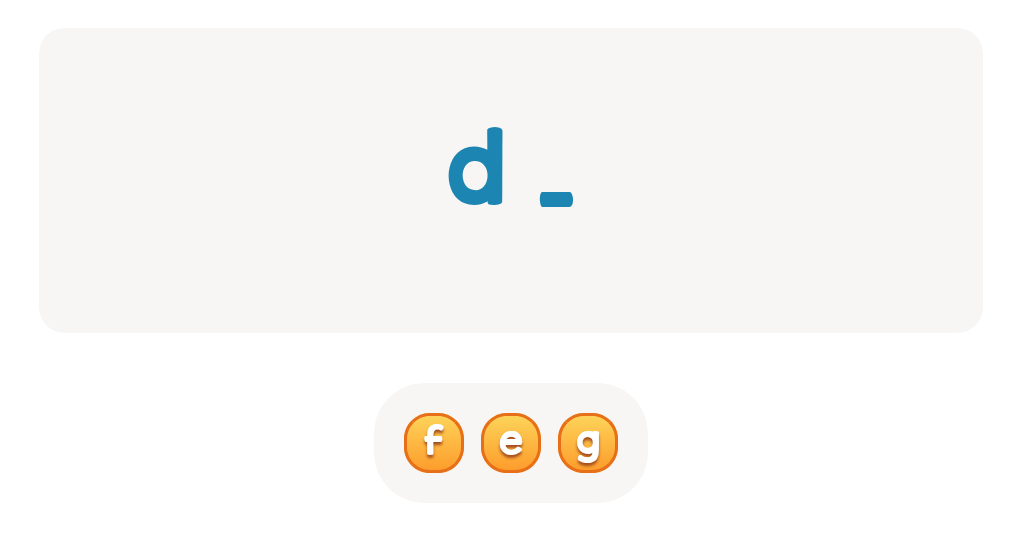


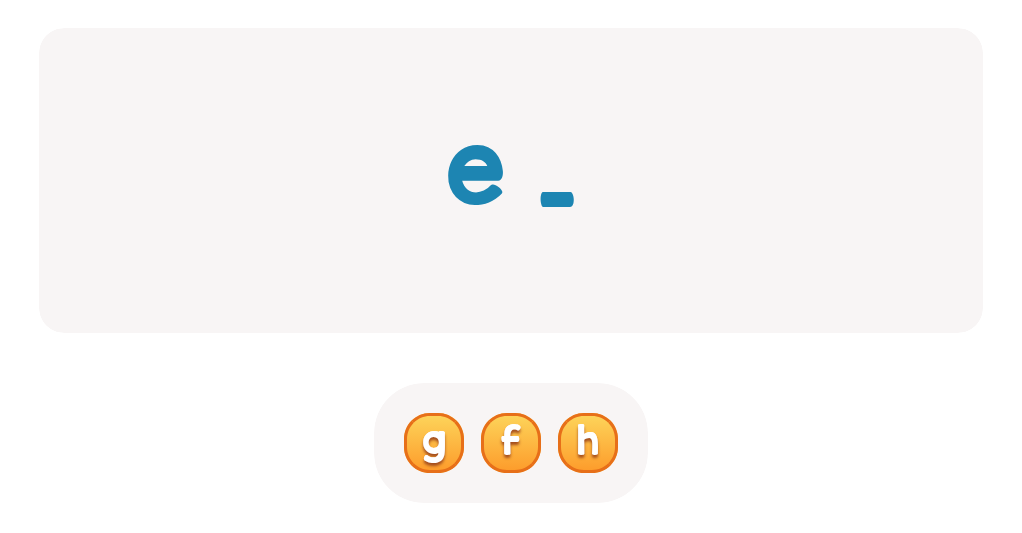
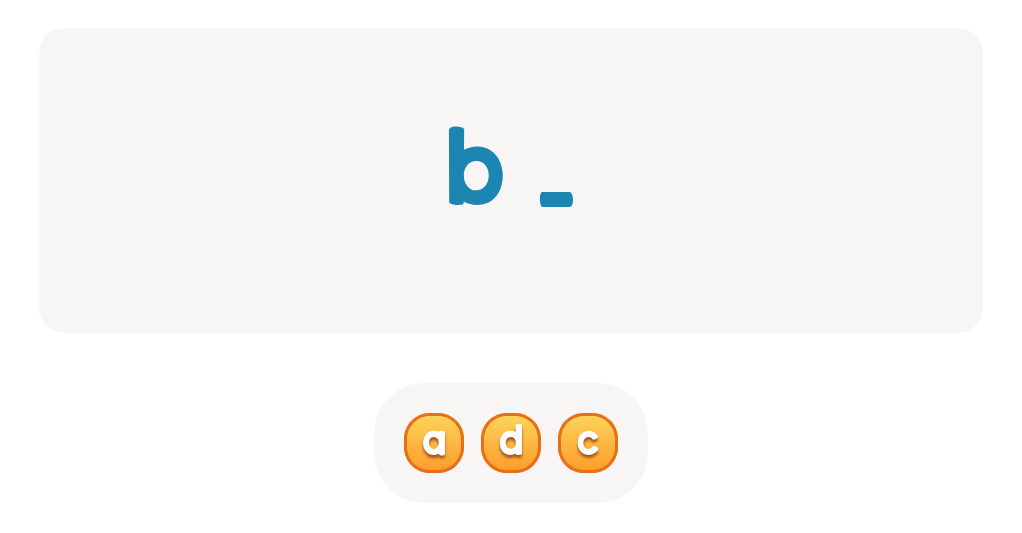

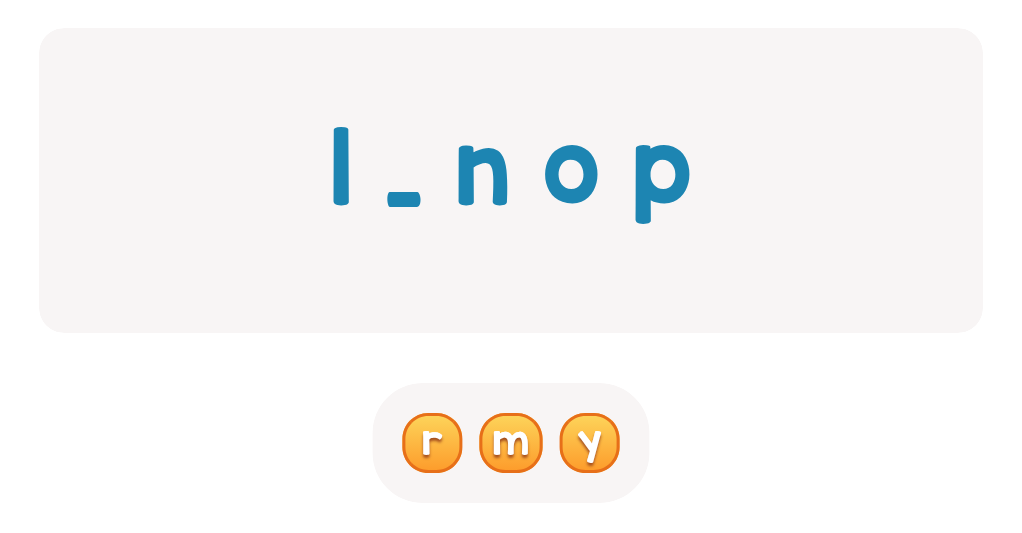


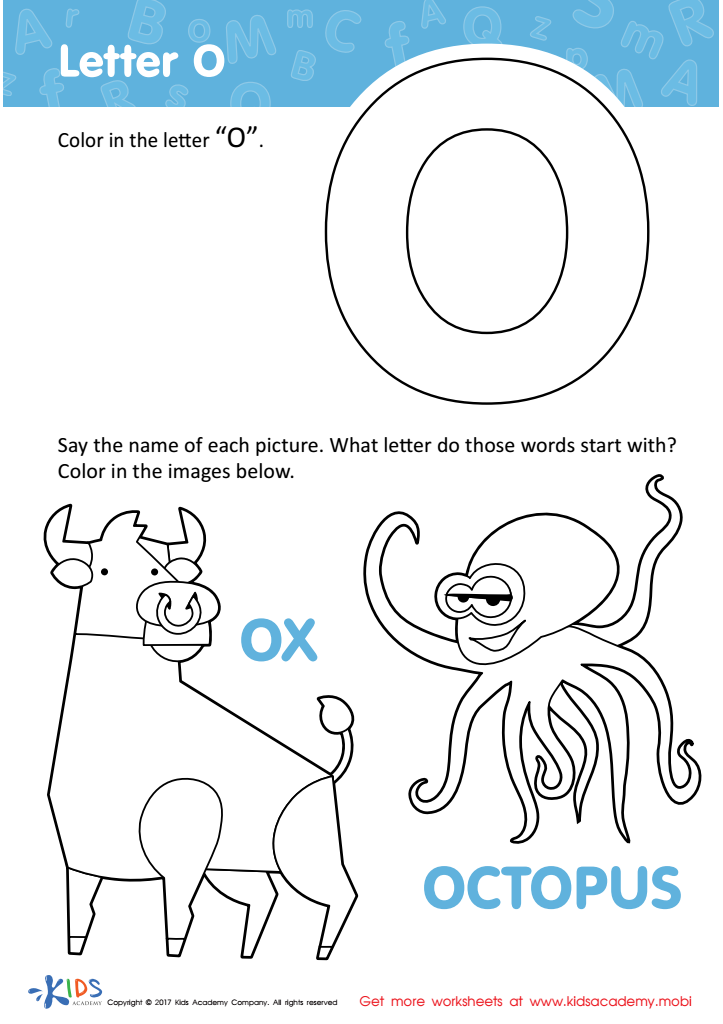
Letter O Coloring Sheet
 Assign to My Students
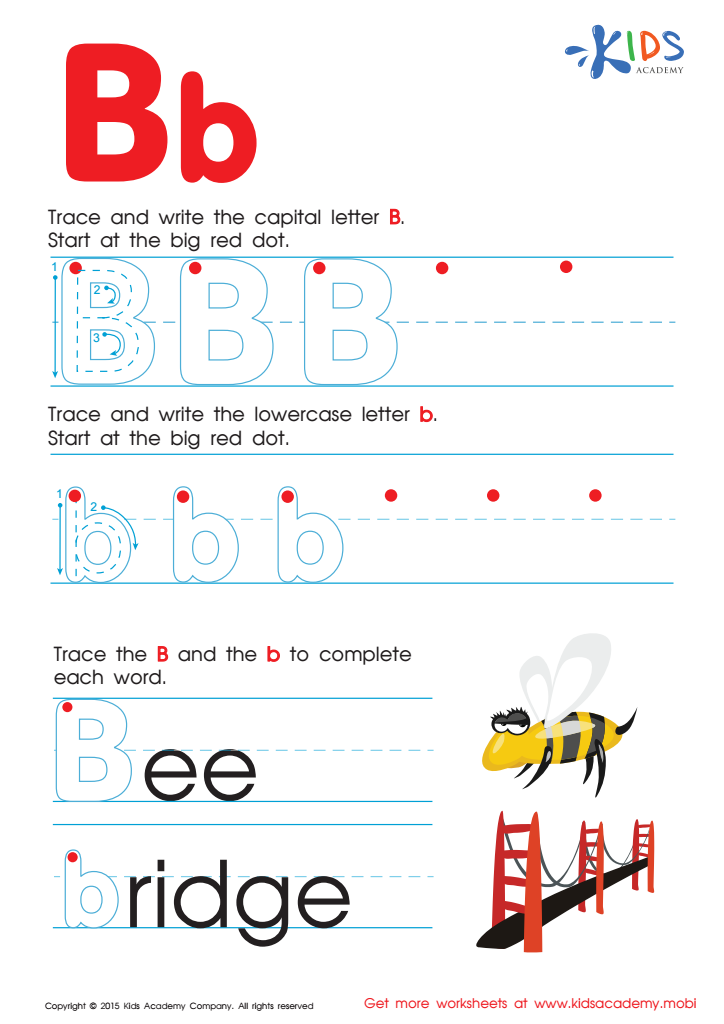
Letter B Tracing Page








Motor skills development in children aged 5-7 is crucial for their overall growth and learning, and integrating activities that improve motor skills with learning ABC letters is particularly beneficial. Fine motor skills involve the use of small muscles in the hands and fingers, which are essential for writing, buttoning clothes, and other everyday tasks. By engaging with letter-shaped manipulatives or tracing letters, children develop these skills effectively, making it easier for them to learn how to write later on.
Moreover, gross motor skills, which involve larger muscle groups, can also be enhanced through active learning methods, like jumping on letter mats or using their bodies to form letters. These activities can improve coordination, balance, and strength, which are important not only for physical health but also for boosting concentration and cognitive development.
Integrating motor skills development with ABC letters helps create a multisensory learning experience, which can significantly enhance a child's ability to remember and understand concepts. This approach also caters to different learning styles, making it easier for children to grasp foundational literacy skills. Additionally, fostering a fun and interactive environment encourages a love for learning and supports emotional development by building confidence and independence. Therefore, parents and teachers should prioritize motor skill activities intertwined with learning letters to support comprehensive early childhood development.







