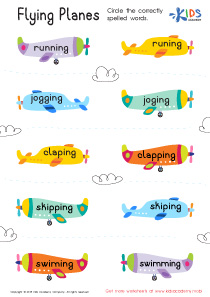
Vocabulary development Elementary Phonics Worksheets for Ages 5-7
4 filtered results
-
From - To
Welcome to our Vocabulary Development Elementary Phonics Worksheets designed for kids ages 5-7! Our engaging and interactive worksheets help young learners master essential vocabulary while enhancing their phonics skills. Each worksheet features fun activities that promote word recognition, spelling, and comprehension, making learning enjoyable and effective. These resources are perfect for both classroom use and at-home learning, encouraging children to explore new words through a variety of exercises. Help your child build a strong foundation in literacy with our carefully designed worksheets that inspire confidence and a love for language. Start their vocabulary journey today!
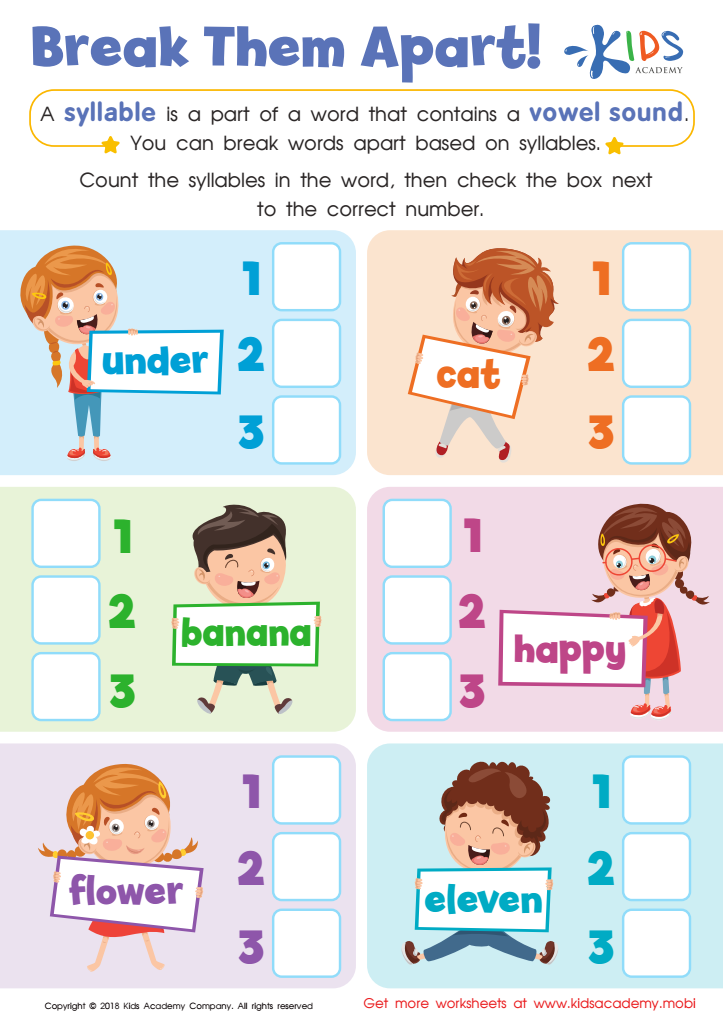
Reading: Break Them Apart Worksheet
 Assign to My Students
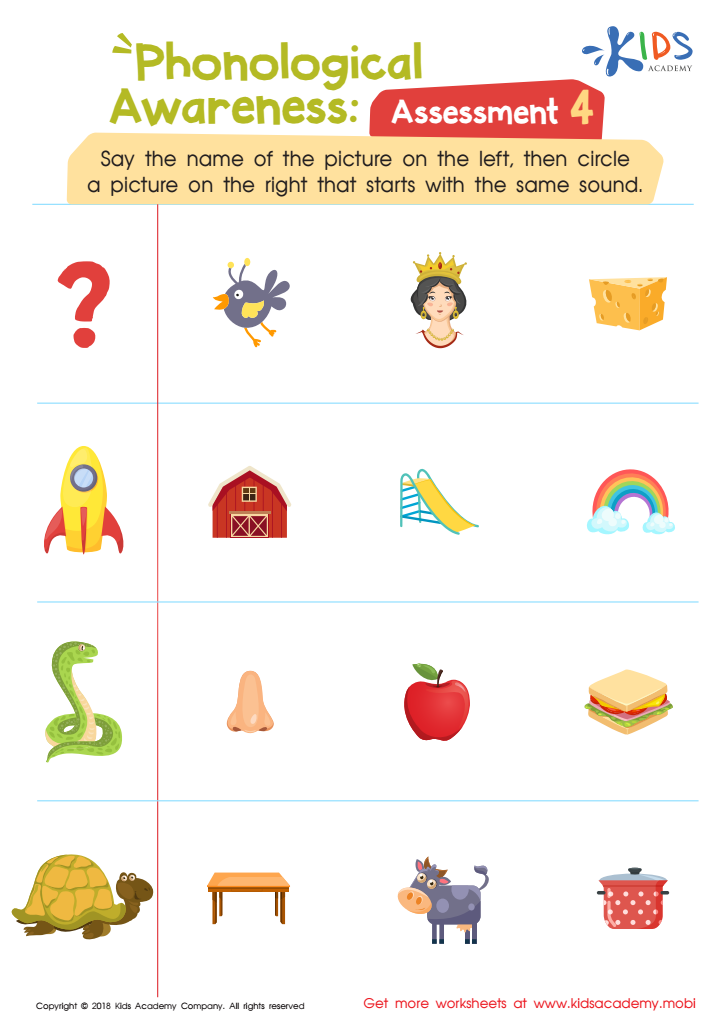
Phonological Awareness: Assessment 4 Worksheet
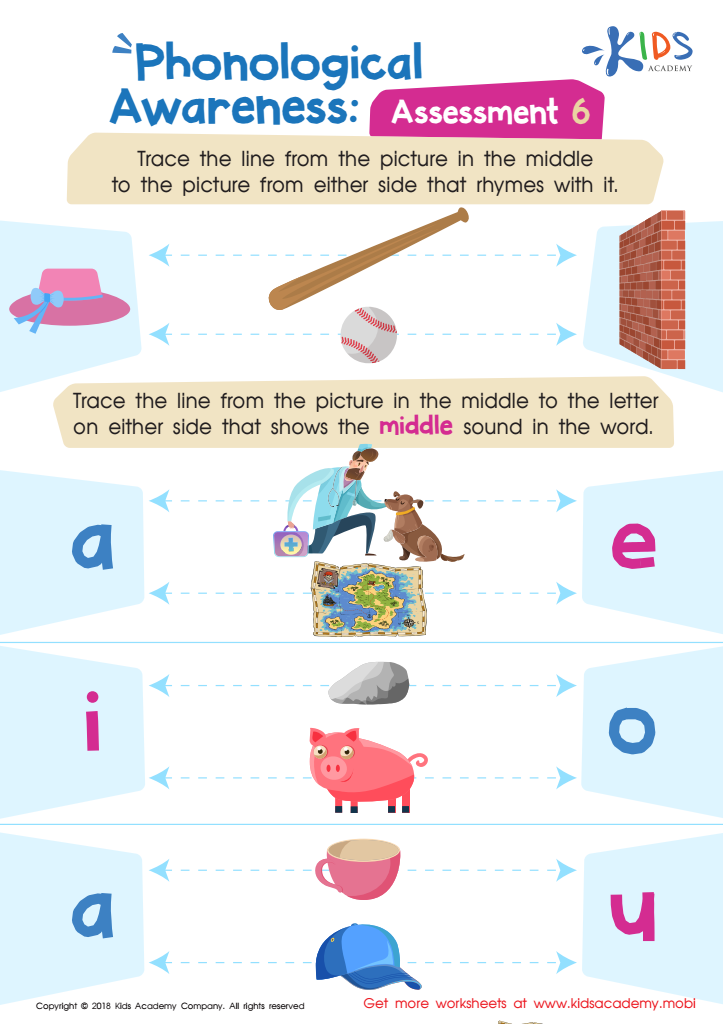
Phonological Awareness: Assessment 6 Worksheet
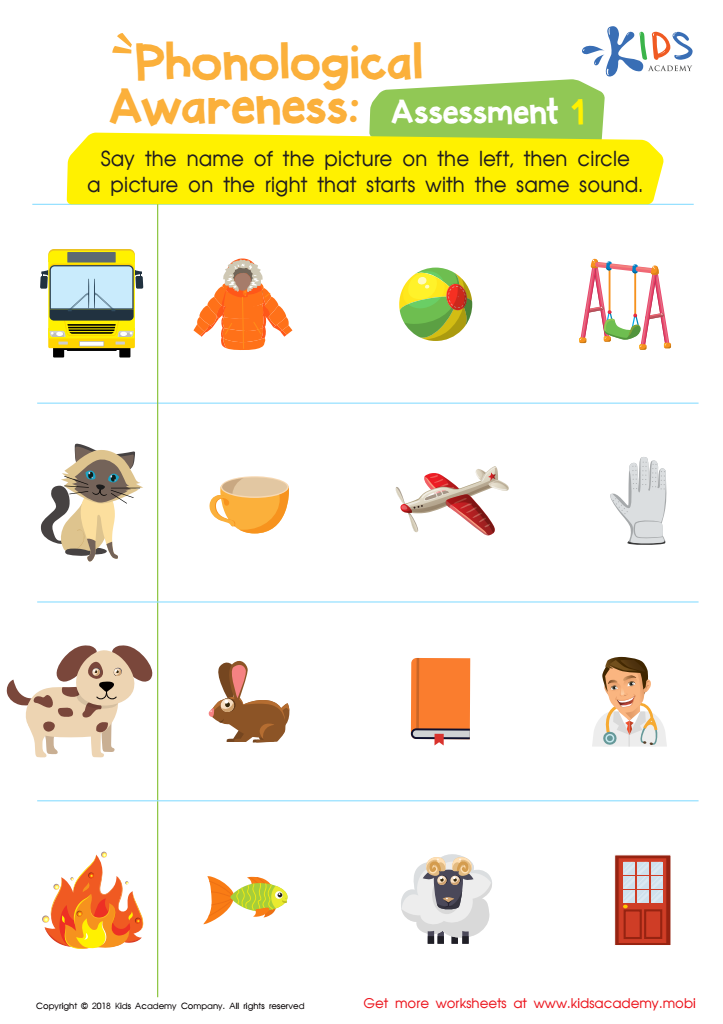
Phonological Awareness: Assessment 1 Worksheet




Vocabulary development in early education, particularly regarding phonics for children ages 5-7, is crucial for several reasons. First, a strong vocabulary aids in reading comprehension, enabling young learners to understand texts better and express their ideas clearly. As children begin phonics instruction, they learn to connect sounds with letters, enhancing their ability to decode words and build their vocabulary simultaneously.
Moreover, vocabulary is foundational to a child’s communication skills. As kids engage with new words through phonics, they gain the ability to articulate thoughts and emotions more effectively, fostering self-confidence and eagerness to participate in discussions. This increased vocabulary not only supports literacy but also enriches a child’s overall cognitive development, encouraging critical thinking and problem-solving skills.
Parents and teachers play a pivotal role in this developmental stage by providing engaging reading materials and interactive phonics activities. Such support can ignite a lifelong love for learning and reading. Furthermore, literacy skills established early on form the bedrock for academic success in subsequent grades. Thus, a focus on vocabulary and phonics in early childhood education benefits children’s immediate abilities and lays the groundwork for their future achievements.