Our Alphabet Sequencing Worksheets for ages 5-7 are specially designed to help young learners master the order of the alphabet with engaging and fun activities. These printables strengthen essential skills like alphabetical order, letter recognition, and fine motor development. Vibrant illustrations and interactive tasks keep children motivated to learn. Ideal for both classroom and home use, these worksheets provide a foundation for reading and writing success. Give your child the tools they need to excel in literacy with our comprehensive and entertaining Alphabet Sequencing Worksheets. Perfect for parents and teachers striving to support early education milestones!

Check out this FREE Trial Lesson on Alphabet for age 5-7!

Identify Lowercase Letters g-i

Favorites
With answer key
Interactive
  • 5-7
  • Alphabet sequencing
  • Alphabet
Find Lowercase Letters g h i Worksheet

Find Lowercase Letters g h i Worksheet

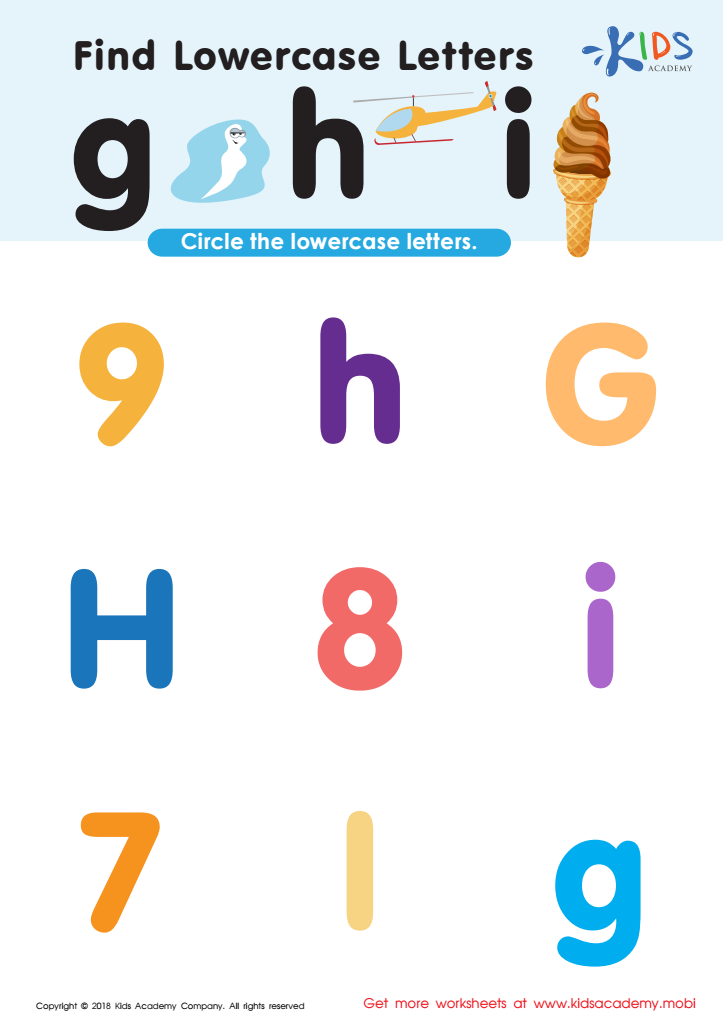
Turn learning into a fun journey with your child! Use this free worksheet to find and circle the lowercase letters hidden amongst uppercase letters and numbers. Your child will understand what you're teaching them as they enjoy the search.
Find Lowercase Letters g h i Worksheet
Worksheet
Lowercase Letters p q r Worksheet

Lowercase Letters p q r Worksheet

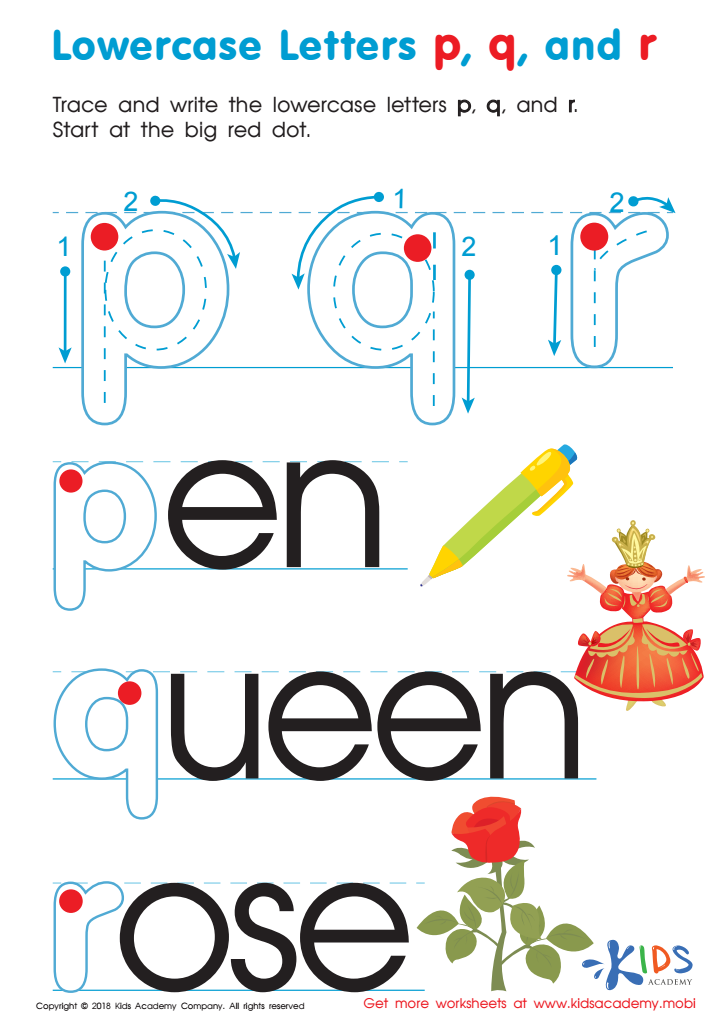
Trace and write lowercase letters p, q and r with this fun worksheet. Each letter has a large red dot to mark the start, and dotted lines to follow with a pencil. Colorful images and text make it an enjoyable way to learn.
Lowercase Letters p q r Worksheet
Worksheet
Uppercase Letters Maze Worksheet Preview

Uppercase Letters Maze Worksheet

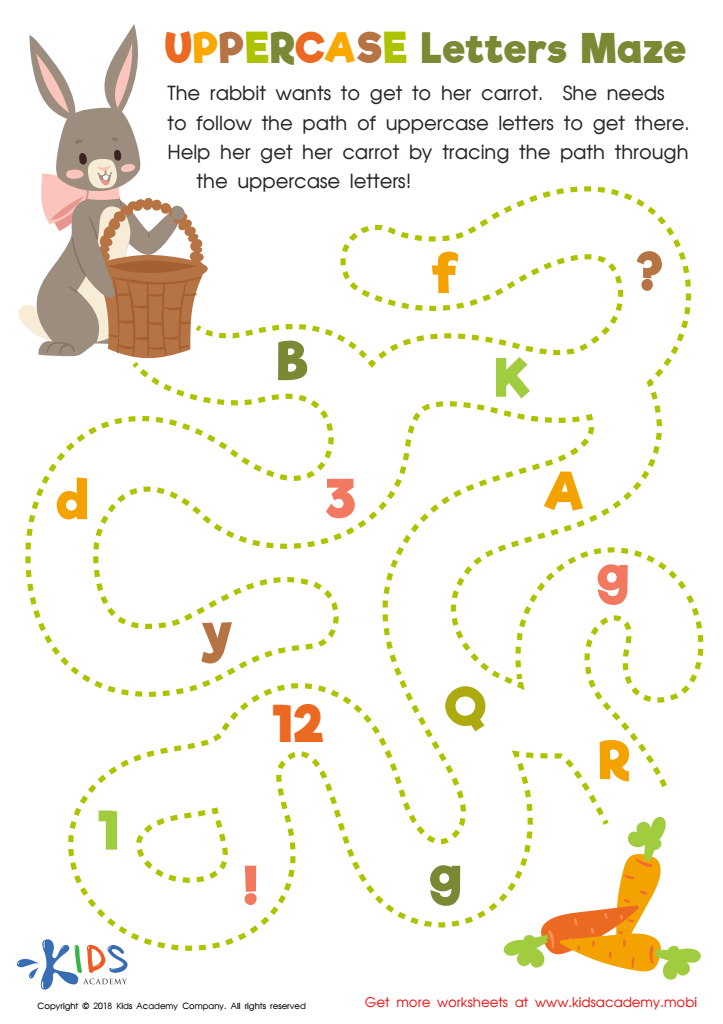
Kids can have fun helping a rabbit find her carrot by picking the path with uppercase letters. This worksheet teaches letter differentiation while building confidence. Kids will have a great time while getting an essential skill!
Uppercase Letters Maze Worksheet
Worksheet
Letters A-F Worksheet Preview

Letters A - F Worksheet

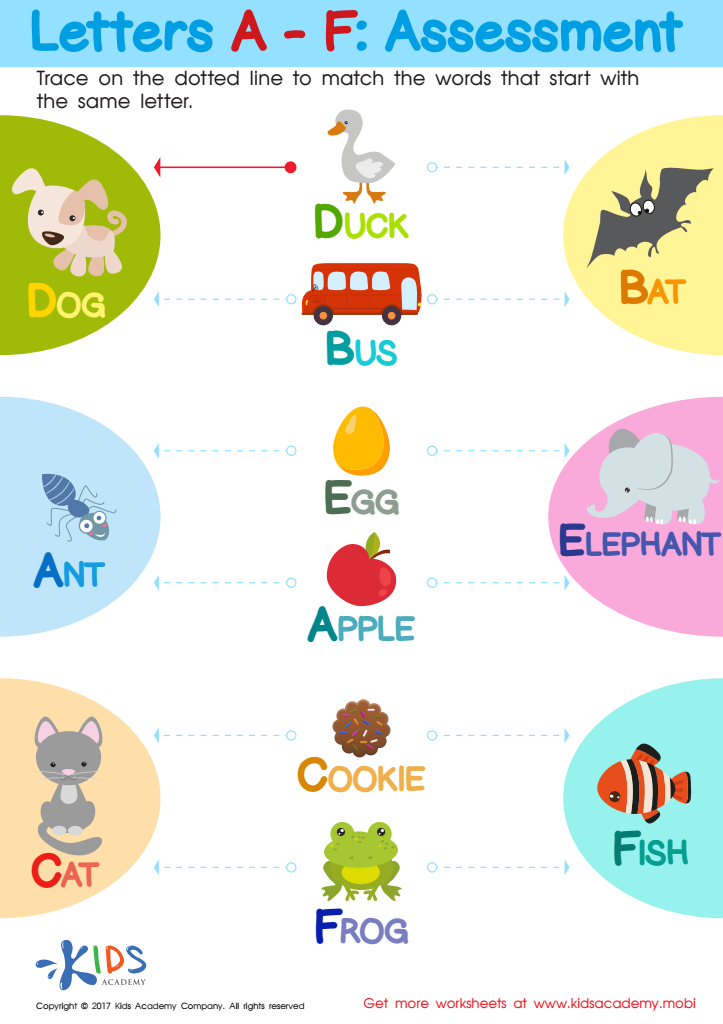
Help your child develop their reading skills with this fun phonics worksheet aimed at preschoolers. They can match letters A-F using colorful words and pictures. Assist your child by sounding out the letters and words - it's a great way to learn!
Letters A - F Worksheet
Worksheet
Lowercase Letters j k l Worksheet

Lowercase Letters j k l Worksheet

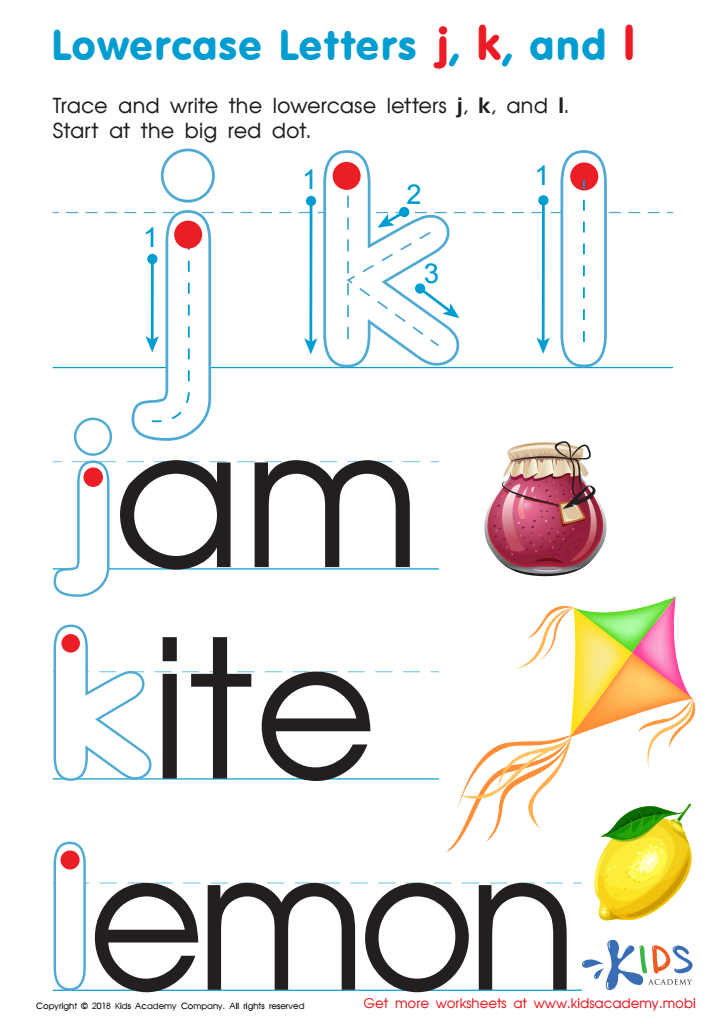
Teach your child the difference between uppercase and lowercase letters. Have them trace and write the lowercase letters j, k, and l, starting at the red dot. Guide your child's hand to form the letters correctly.
Lowercase Letters j k l Worksheet
Worksheet
Letters X and Q Tracing Worksheet Preview

Letters X and Q Tracing Worksheet

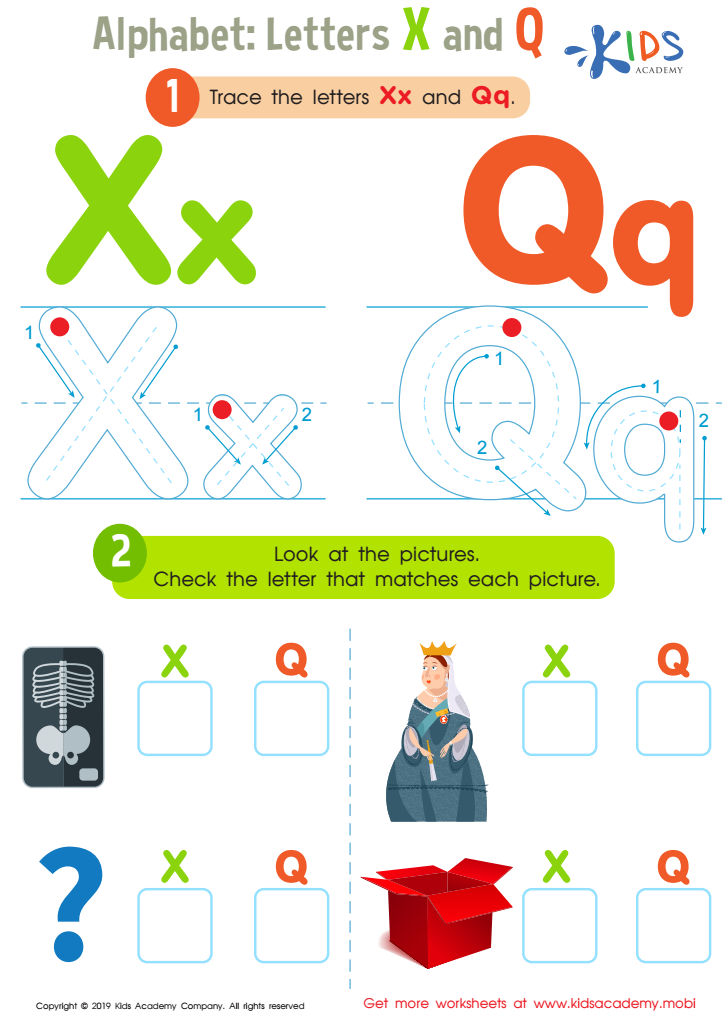
Do you want your students to improve writing and letter recognition? This worksheet is a great place to start! Kids can trace the letters «X» and «Q» and identify pictures that match each letter. With a little encouragement, they'll do a great job!
Letters X and Q Tracing Worksheet
Worksheet
Letter Y Tracing Worksheet Preview

Letter Y Tracing Worksheet

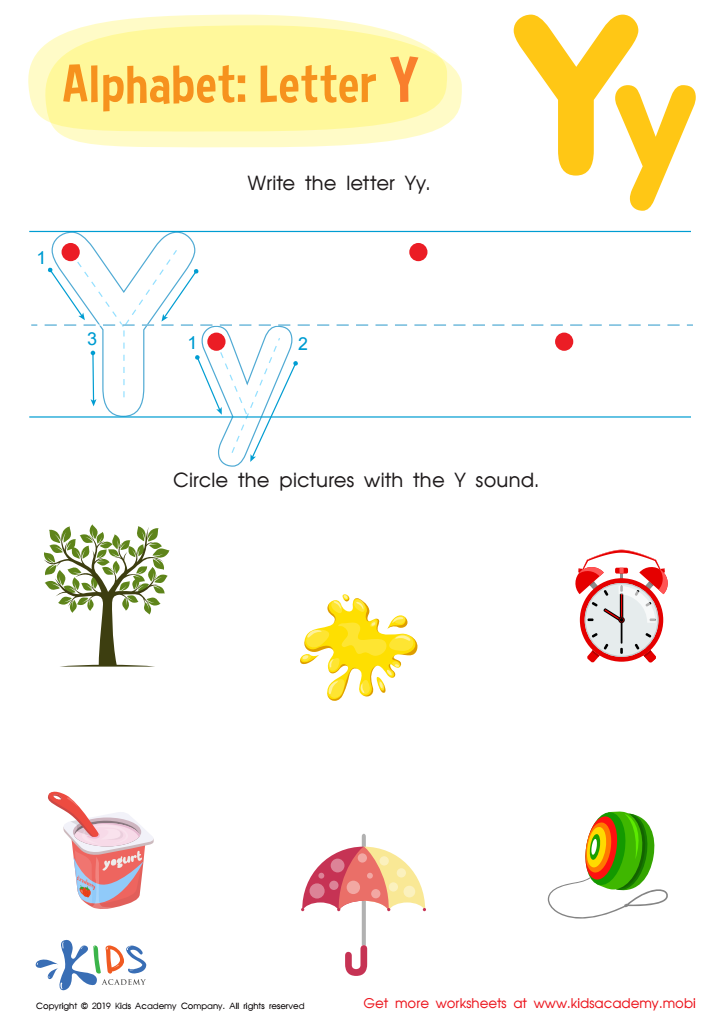
Does your child need help with learning the final letters of the alphabet? This PDF worksheet is perfect then! Kids can practice tracing the letter «Y» and circle pictures that start with the same sound. Options include «yellow» and «yogurt». It's a great way of honing their letter-learning skills.
Letter Y Tracing Worksheet
Worksheet
Missing Letter Worksheet


Missing Letter Worksheet

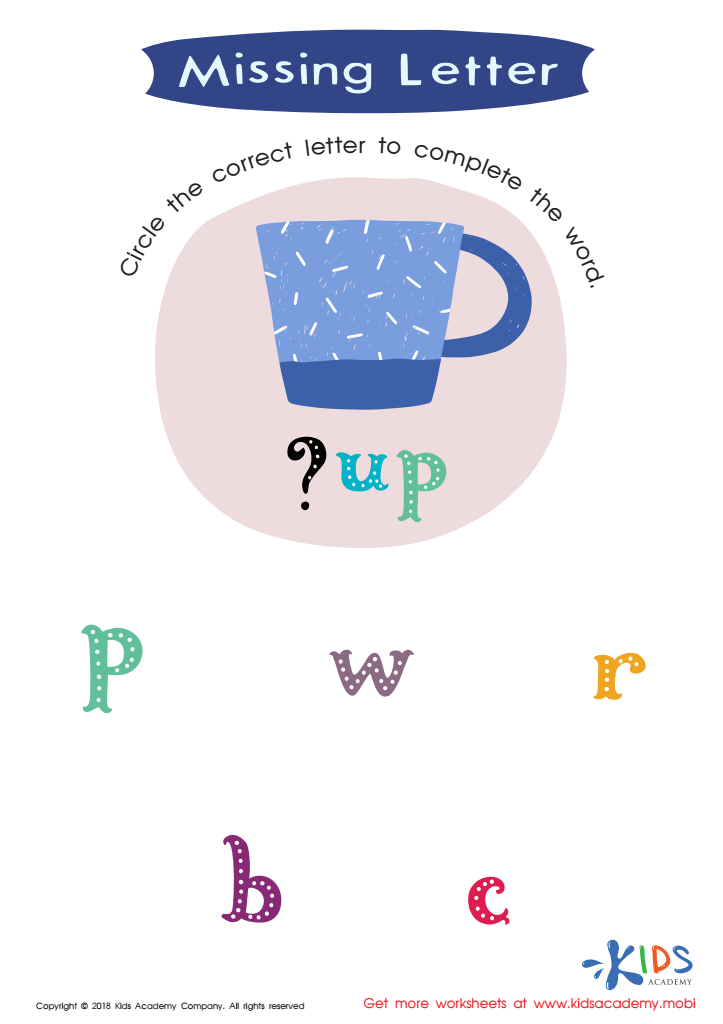
Congrats! If your kids can spell some small words, pat yourself on the back. Struggling with the alphabet? Help them learn with this simple worksheet. They'll have to find the missing letter to complete the word. Print this worksheet and help your little one find and circle the right letter.
Missing Letter Worksheet
Worksheet


Alphabet sequencing is a foundational skill that forms the bedrock of literacy, which is crucial for young learners aged 5-7. Parents and teachers should place great emphasis on alphabet sequencing because it significantly impacts a child’s ability to read, write, and spell effectively. Understanding the order of letters helps children recognize patterns in words, making it easier for them to decode new words and improve their reading skills.

Mastering alphabet sequencing enhances cognitive development by fostering memory skills, attention to detail, and logical thinking. As children practice ordering the alphabet, they develop sharper memory retention, which is vital for other academic areas and daily life. Furthermore, it aids in honing fine motor skills through activities like writing letters in sequence.

Alphabet sequencing also encourages organizational skills. By familiarizing children with a fixed order, they begin to understand routines and enhance their ability to follow steps in other processes. Sharing these practices at home strengthens the home-school connection, giving parents insights into their child’s learning progress and enabling them to support classroom activities.

In sum, prioritizing alphabet sequencing in early education sets young learners on a path to academic success, equipping them with essential reading and cognitive skills that will benefit their overall educational journey.