Letter-sound association Alphabet Worksheets for Ages 5-7
12 filtered results
-
From - To
Ignite your child's reading journey with our Letter-Sound Association Alphabet Worksheets, designed for ages 5-7. These engaging, colorful printables help children connect letters with their corresponding sounds, building essential early literacy skills. Your child will enjoy fun exercises like matching activities, tracing letters, and more, fostering a strong foundation for reading fluency. Each worksheet is crafted by education experts to captivate young learners while providing structured learning. Perfect for use at home or in the classroom, our worksheets make learning the alphabet an enjoyable adventure. Start developing your child's phonemic awareness today with these interactive printables!
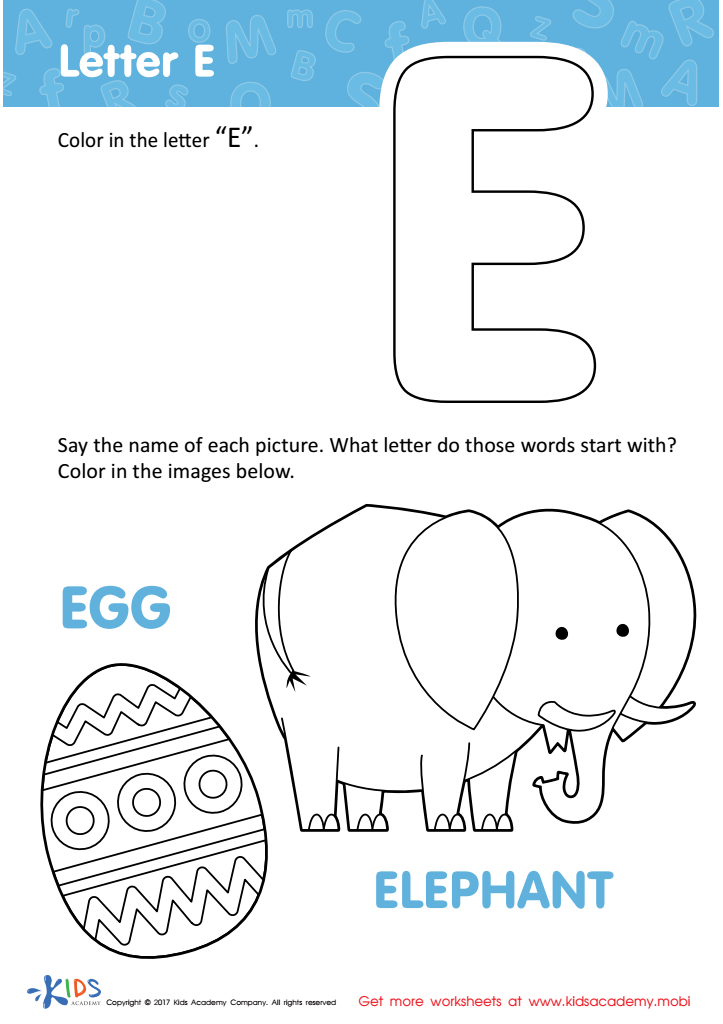
Letter E Coloring Sheet
 Assign to My Students
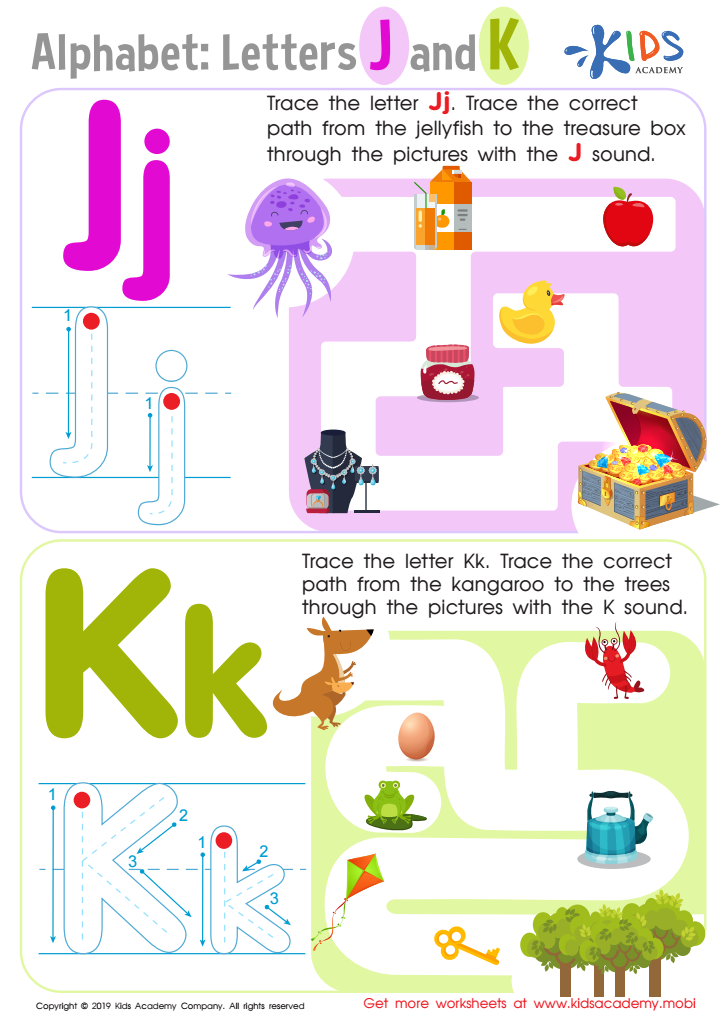
Letters J and K Tracing Worksheet
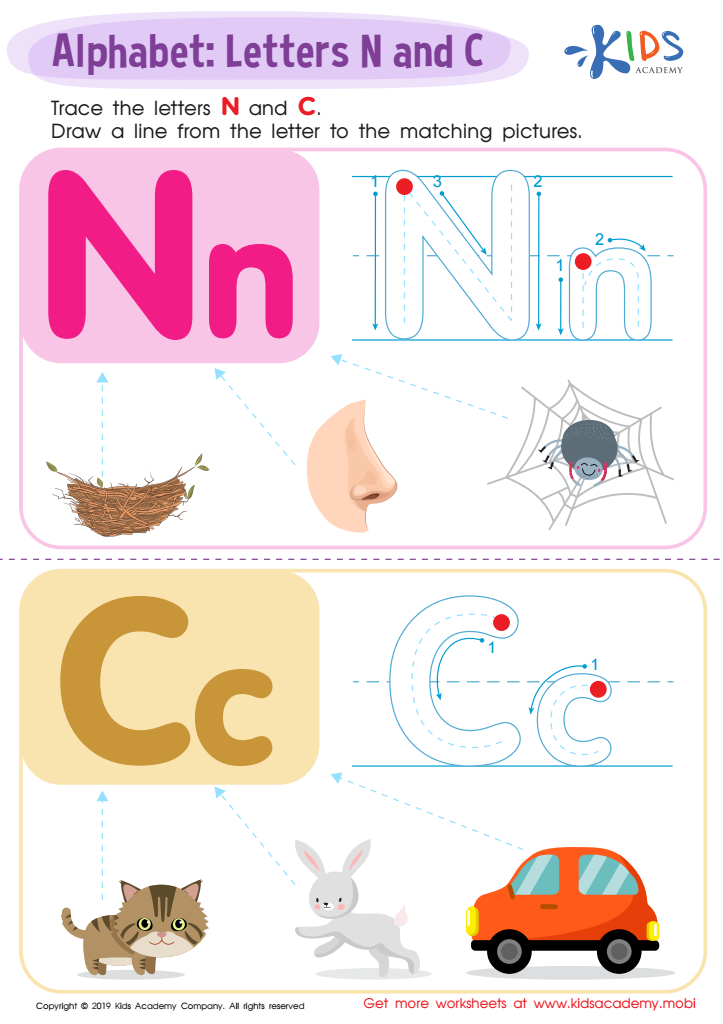
Letter N and C Tracing Worksheet
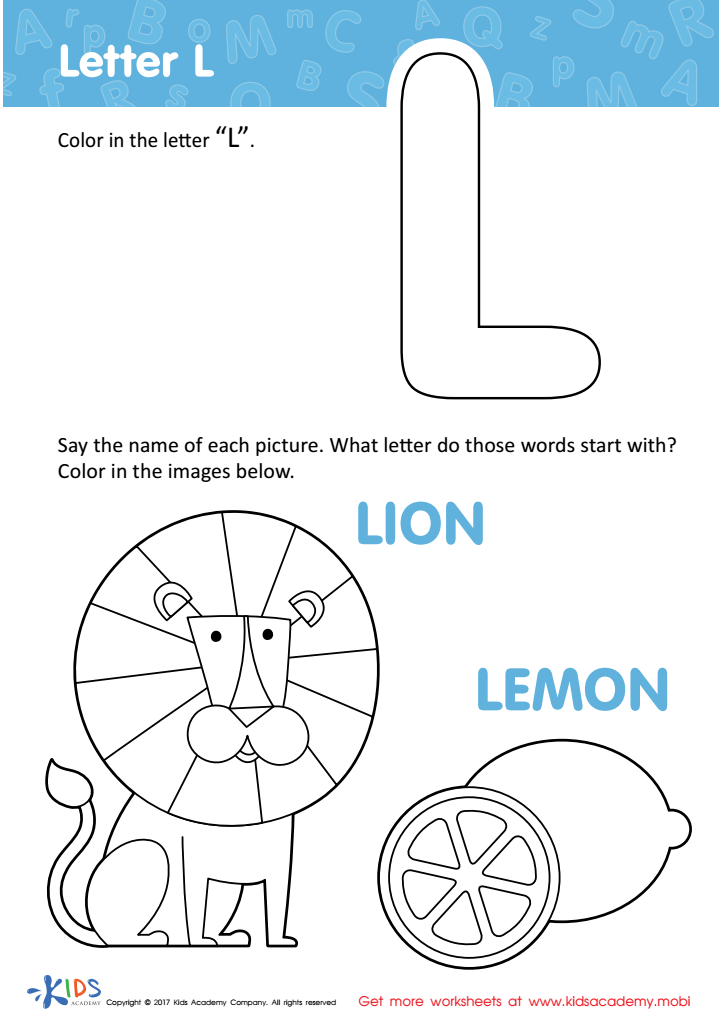
Letter L Coloring Sheet
Assign to My Students
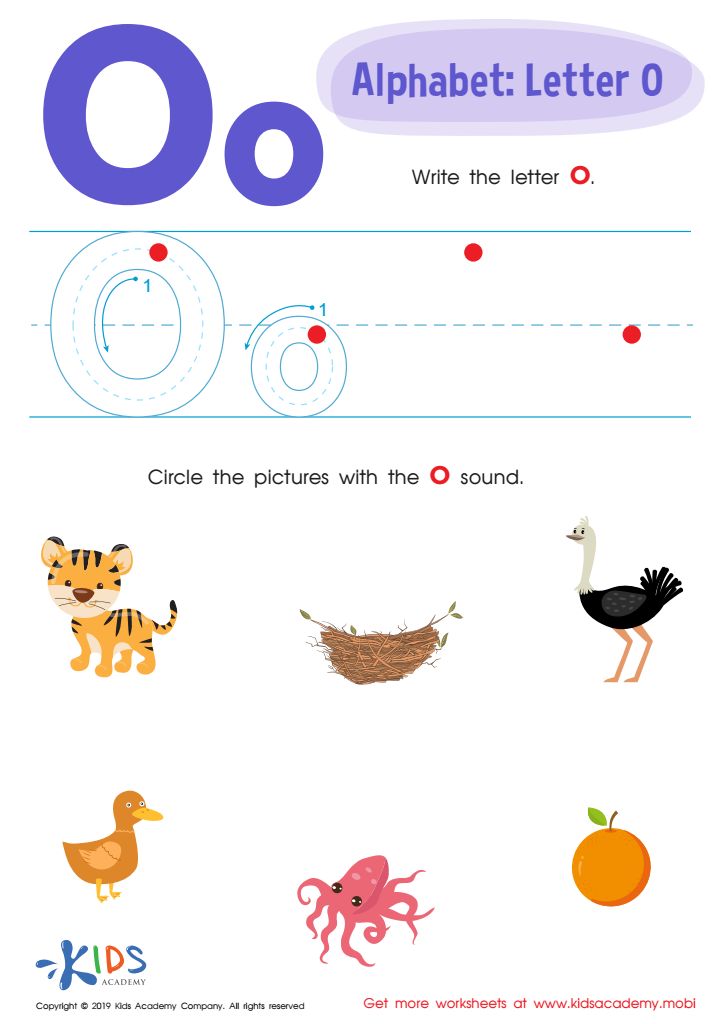
Letter O Tracing Worksheet
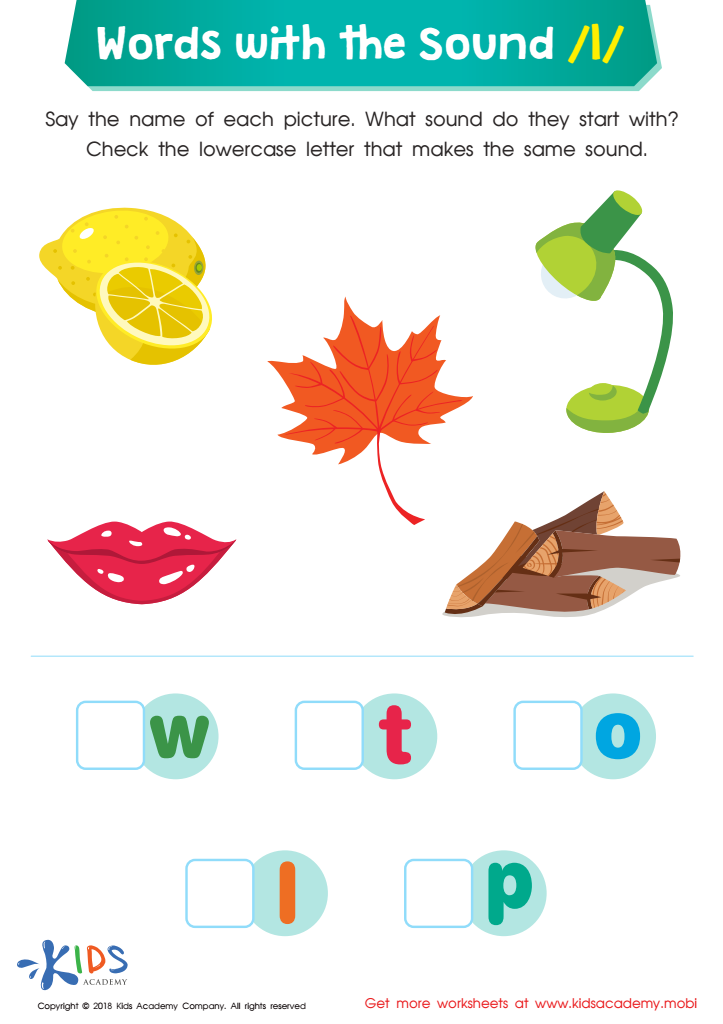
Words with Sound L Reading Worksheet
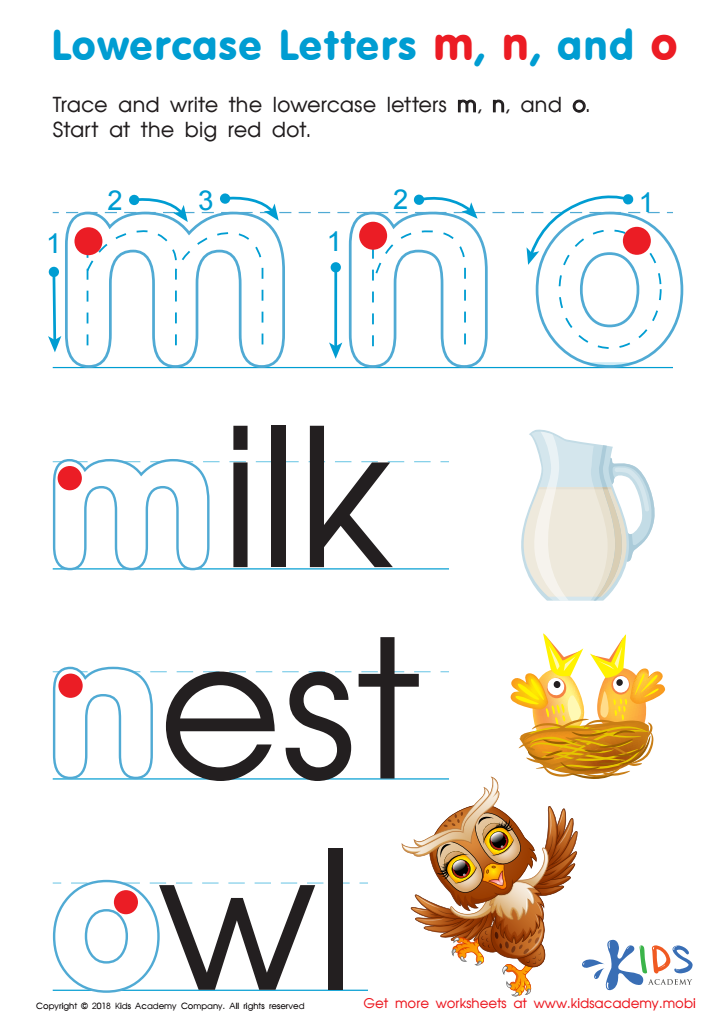
Lowercase Letters m n o Worksheet
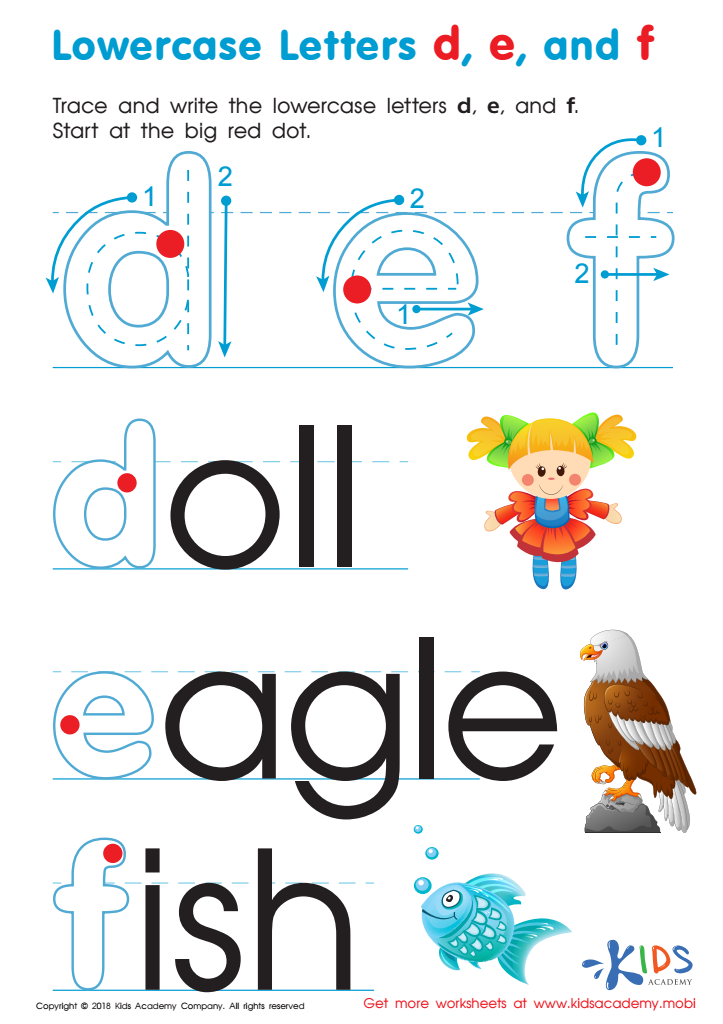
Lowercase Letters d e f Worksheet
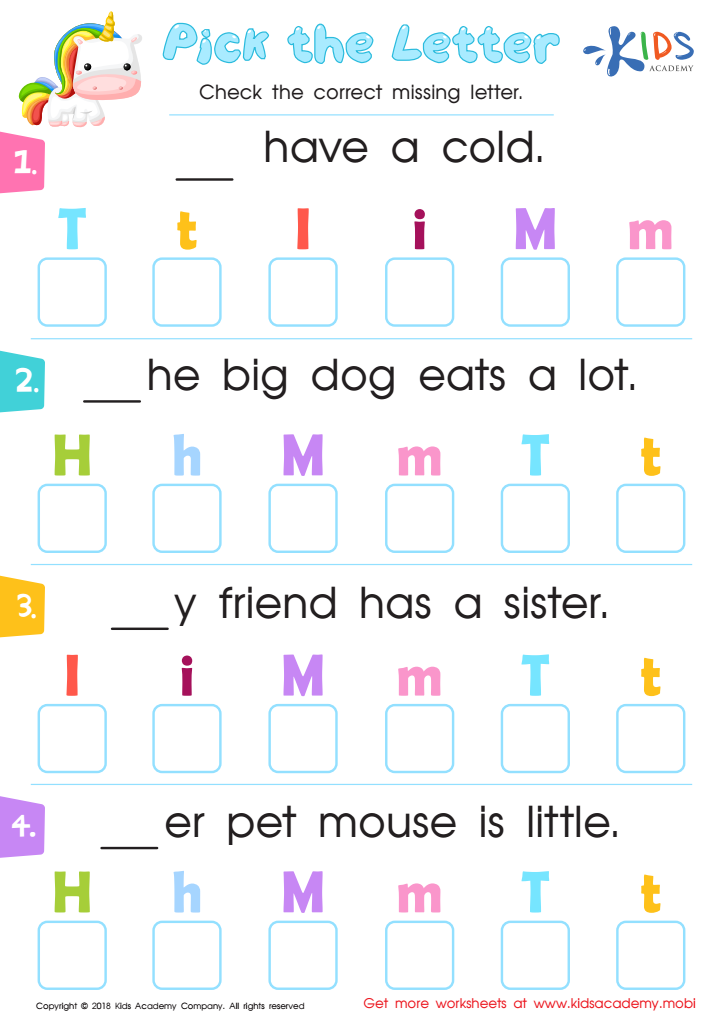
Pick the Letter Worksheet
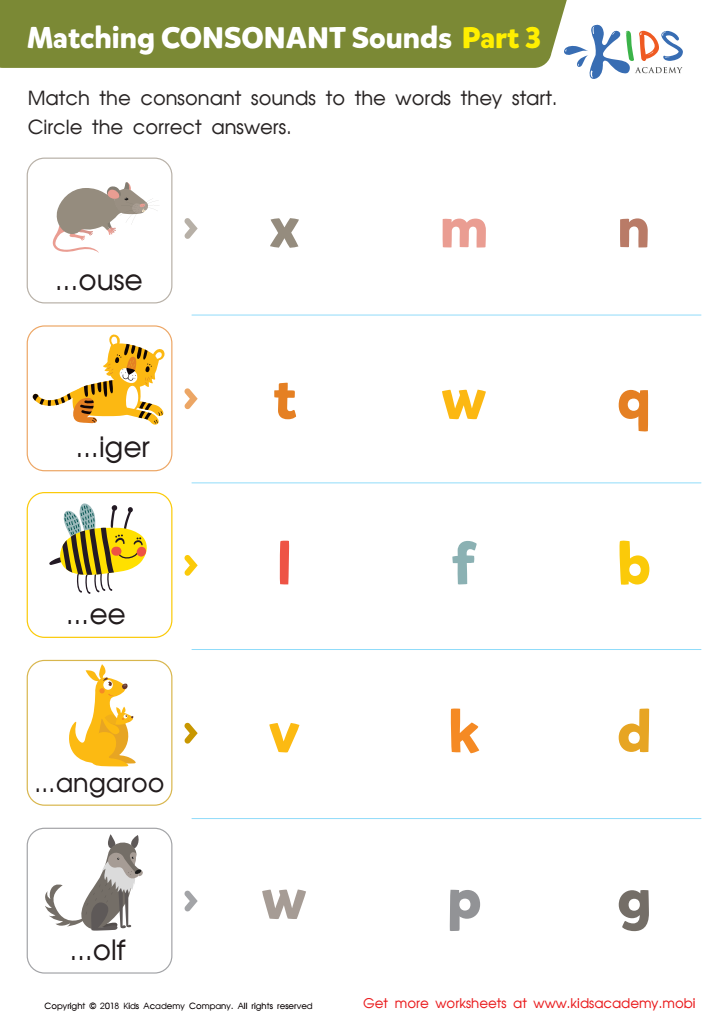
Matching Consonant Sounds: Part 3 Worksheet
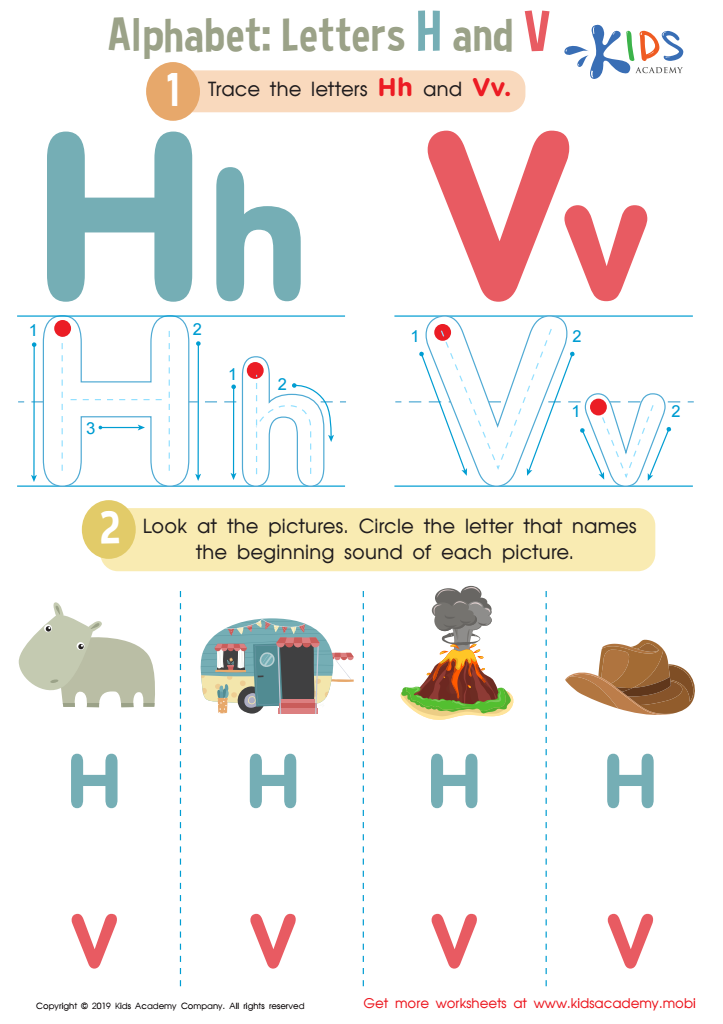
Letters H and V Tracing Worksheet
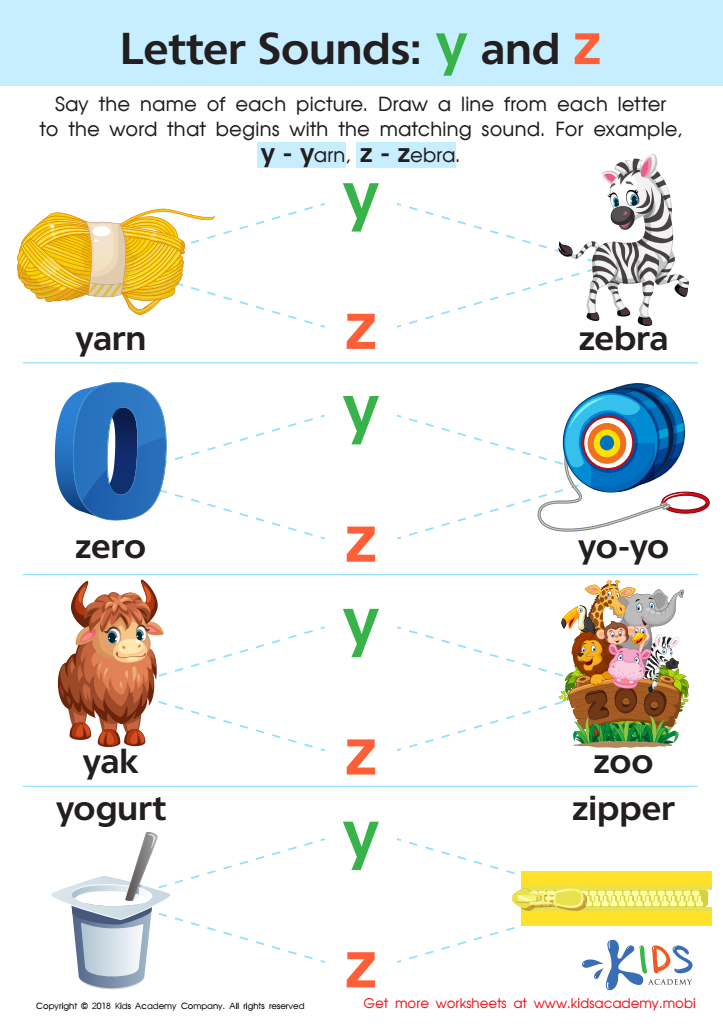
Letter Y and Z Sounds Worksheet







.jpg)
Letter-sound association, or phonics, is a fundamental skill for children ages 5-7 as it forms the foundation of reading and writing. Understanding that letters represent specific sounds enables children to decode new words, enhancing their reading proficiency. This skill is especially important in early grades when cognitive development is especially geared towards language acquisition.
For parents and teachers, prioritizing letter-sound association has several benefits. First, it boosts children's confidence as they succeed in reading new words, fostering a positive attitude toward learning. This early success can lead to a lifelong love of reading, which is critical for academic achievement.
Secondly, phonics instruction supports spelling and writing development. When children know the sounds associated with letters, they can spell words more accurately and write more freely, expressing their thoughts and ideas without constant assistance.
Furthermore, research shows that children who have strong phonics skills typically perform better in school. These skills contribute to higher comprehension levels, as children are not hindered by the mechanics of reading but can focus on meaning.
For both teachers and parents, fostering a solid understanding of letter-sound associations is essential in equipping children with the tools needed for academic success and lifelong learning.







