Enhance your child's reading journey with our Phonics Skills Development Alphabet Worksheets, tailored for ages 5-7. These engaging resources are designed to help young learners grasp the fundamental concepts of phonics through fun, interactive activities. Each worksheet focuses on letter recognition, sound association, and blending techniques, promoting essential reading skills. With vibrant illustrations and easy-to-follow instructions, these worksheets make learning enjoyable and effective. Perfect for both classroom and home use, our phonics materials guide children in mastering letters and sounds, paving the way for independent reading. Help your child build a strong literacy foundation with our carefully crafted worksheets today!

Check out this FREE Trial Lesson on Alphabet for age 5-7!

Digraphs

Favorites
With answer key
Interactive
  • 5-7
  • Phonics skills development
  • Alphabet
Ew words worksheet
Ew words worksheet

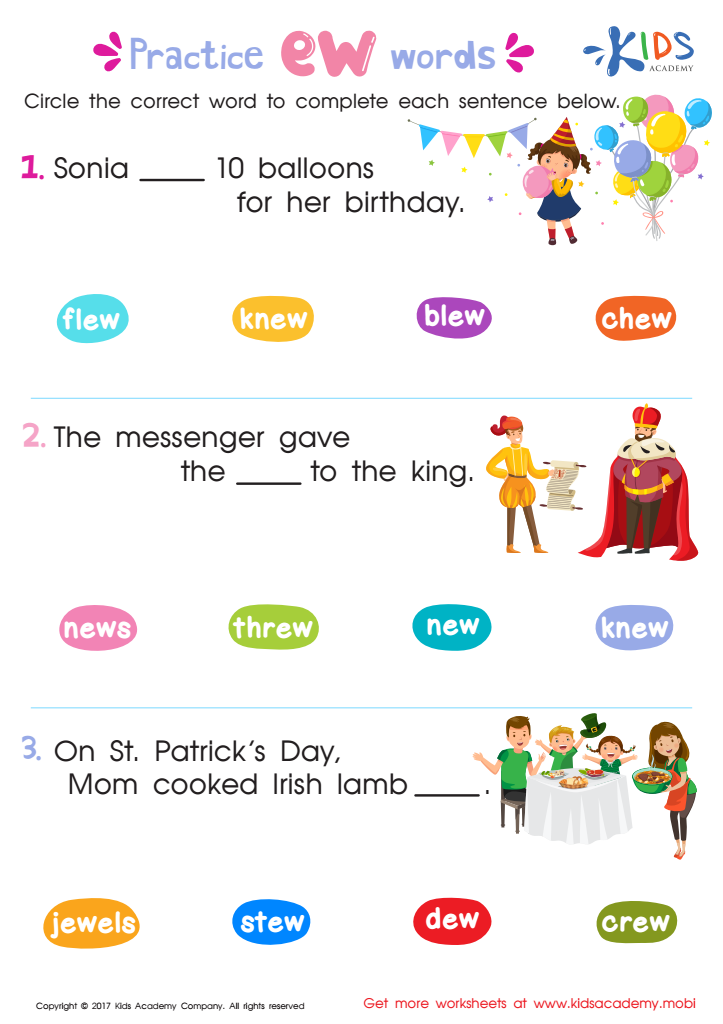
EW Words Worksheet

Practice the diphthong ew and boost your child's vocabulary with this fun ew words worksheet! Filled with illustrations, it will help your child hone their reading and spelling skills. Plus, the tricky words will make it both enjoyable and rewarding!
EW Words Worksheet
Worksheet
Words with sound j Reading Worksheet

Words with sound j Reading Worksheet

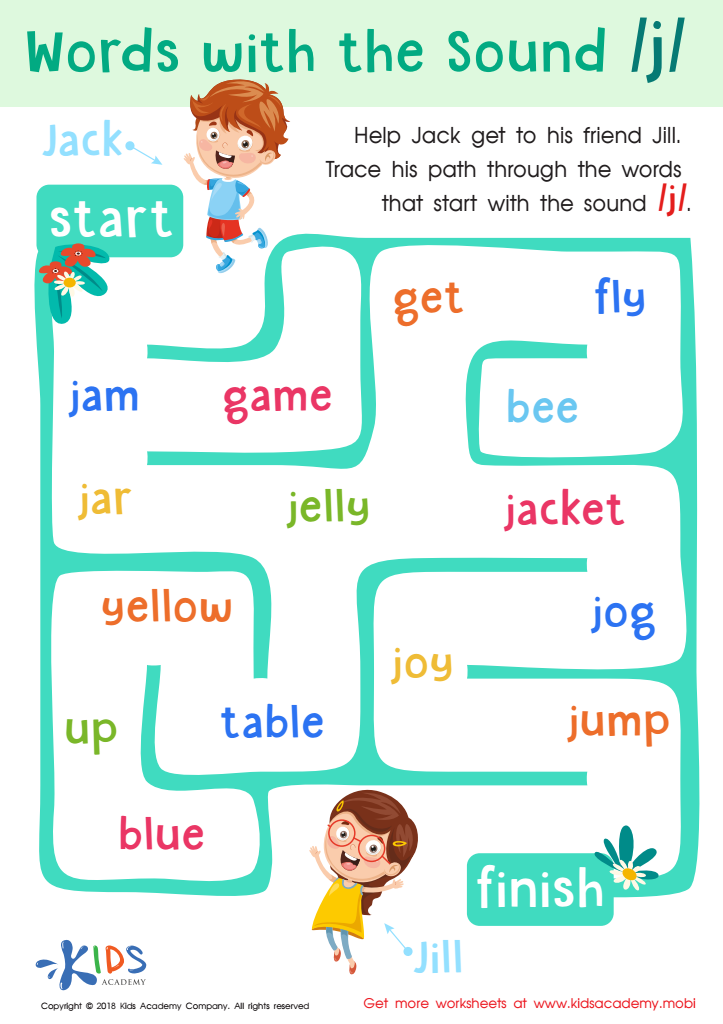
Don't be fooled: The letter J sounds like G in this letter sounds maze! Kids will enjoy helping Jack find Jill by listening to beginning sounds and tracing a path to the exit. Choose words that start with the letter J sound to complete the challenging maze!
Words with sound j Reading Worksheet
Worksheet
Words with Sound Q Reading Worksheet

Words with Sound Q Reading Worksheet

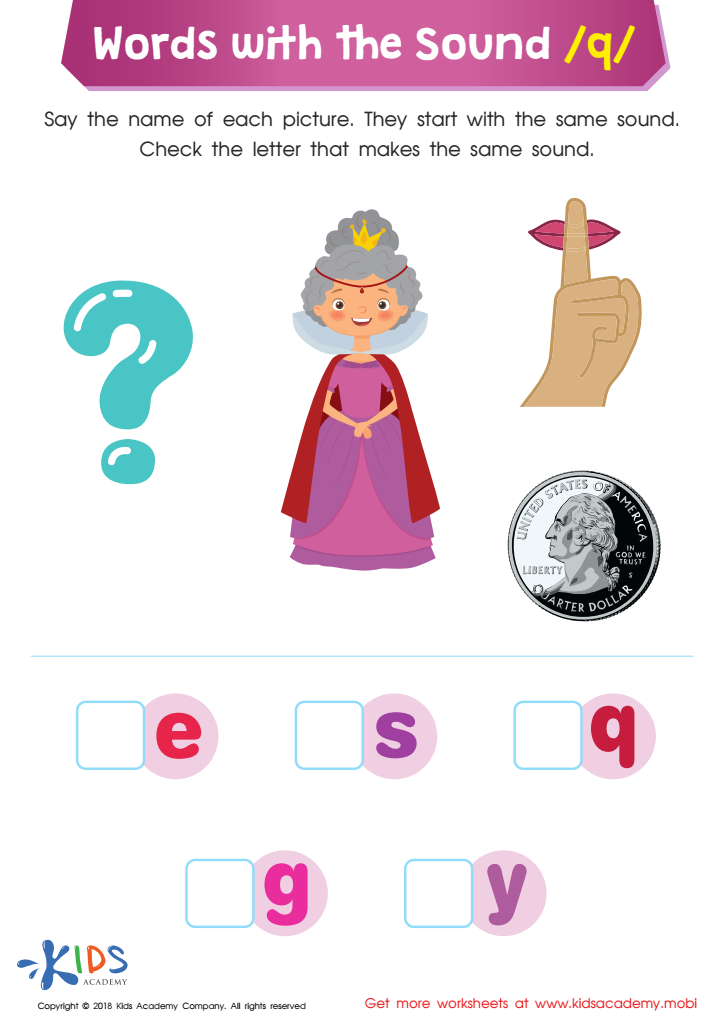
Beginning readers will love this free PDF worksheet! Bright colors and familiar pictures make it fun, as they say the name of each image and work on fine motor skills. Letters “q” is featured among others, helping to recognize and isolate its sound, which is often seen with a “u” behind it.
Words with Sound Q Reading Worksheet
Worksheet
Phonics for Kids | Short Vowel Sound U | PDF Worksheet 2

Short Vowel Sound U Worksheet

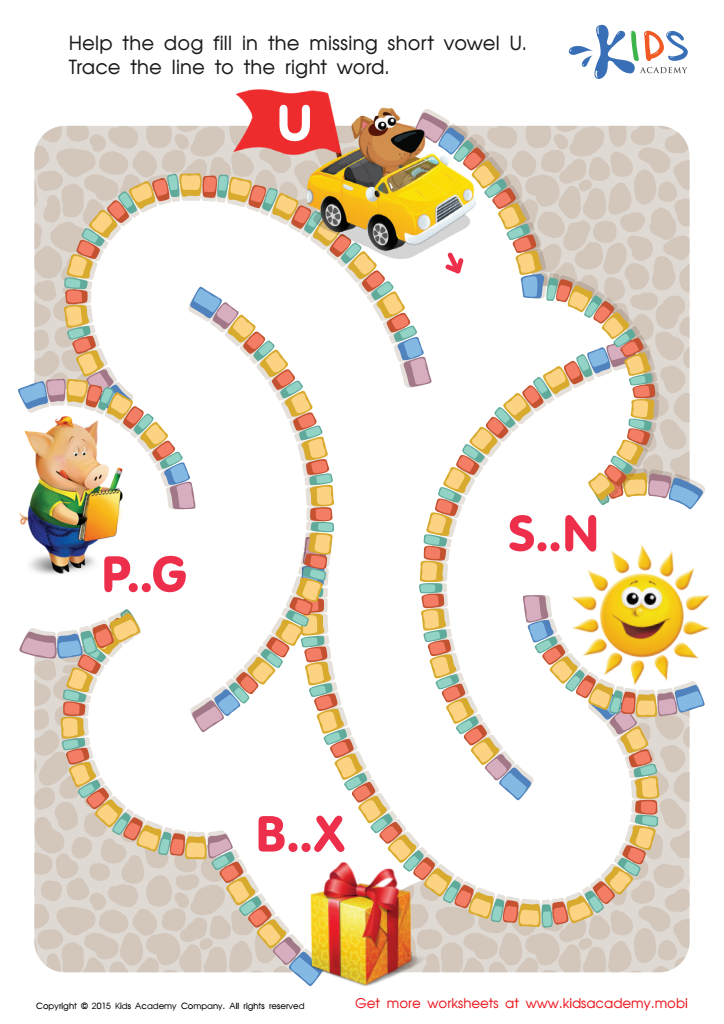
Practice abc phonics to help young learners link sounds to letters. This free printable phonics worksheet helps your kid learn the short vowel sound U. Guide them through the maze to help the dog complete the word "sun". Make sure they say the word out loud to emphasize the short U sound. Check out more phonics worksheets with mazes here.
Short Vowel Sound U Worksheet
Worksheet
Vowel team ai Worksheet

Vowel team ai Worksheet

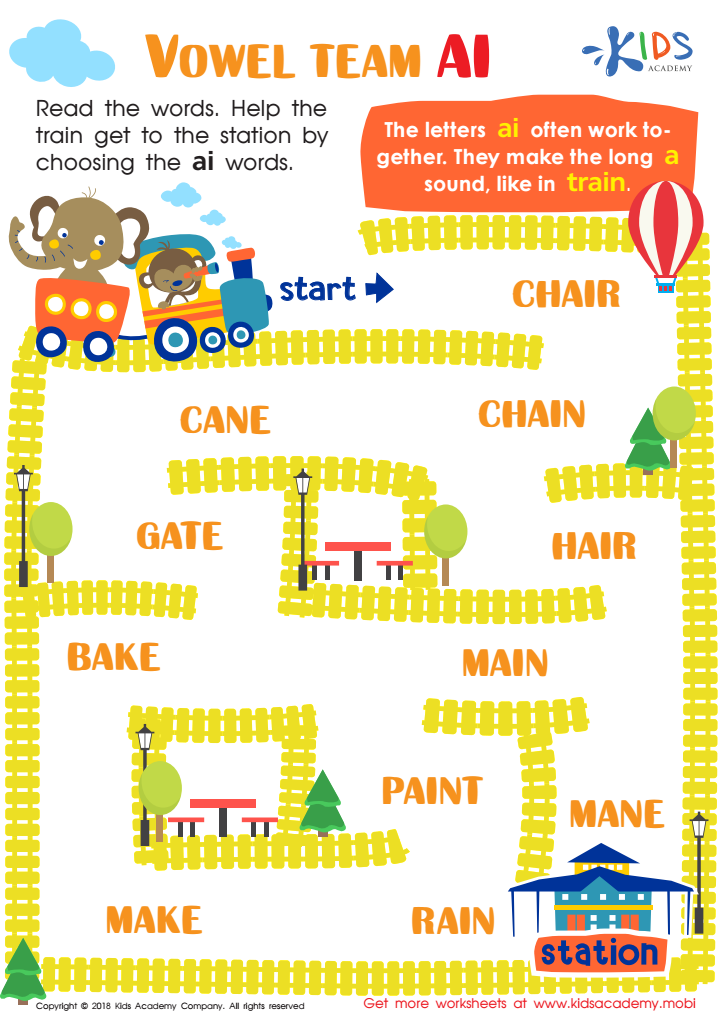
Kids will have a blast learning about the -ai digraph with this fun worksheet. They'll read words with it and practice their motor skills as they help the animal duo get back to the train station. With success, they'll smile and enjoy the activity!
Vowel team ai Worksheet
Worksheet
Long and Short I Worksheet

Long and Short I Worksheet

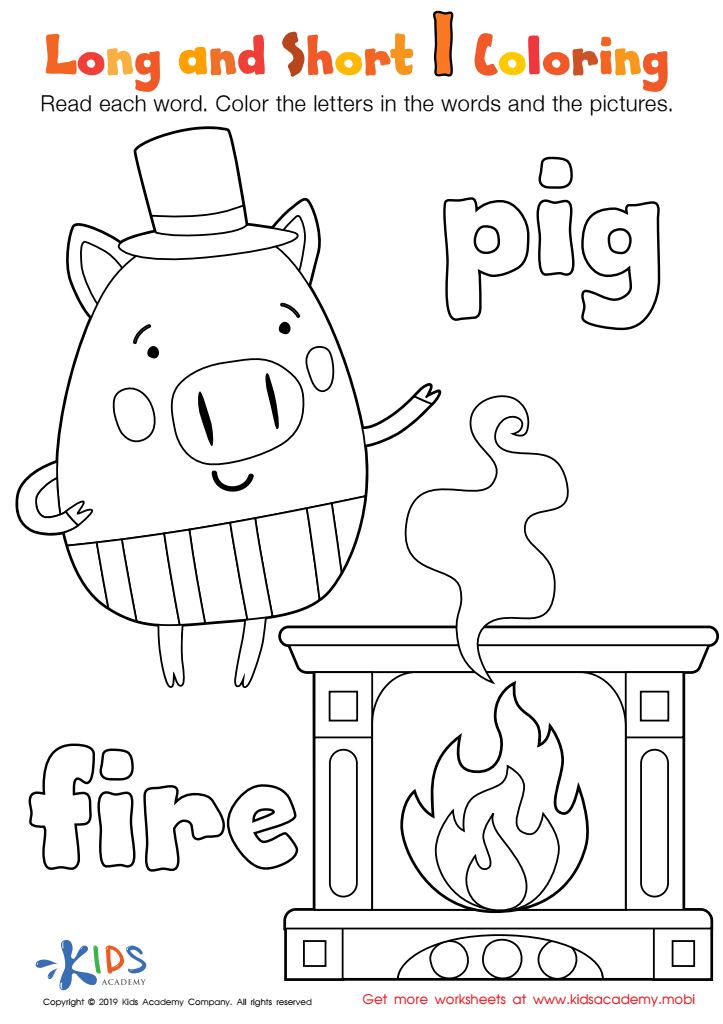
Print the worksheet and have the students read "pig" and "fire". Check for understanding the difference between long and short vowels. Color in words and pictures to make learning phonics fun! This exercise is perfect for introducing the topic to your students.
Download (PDF)
Assign to My Students
Long and Short I Worksheet
Worksheet
Long and Short O Worksheet

Long and Short O Worksheet

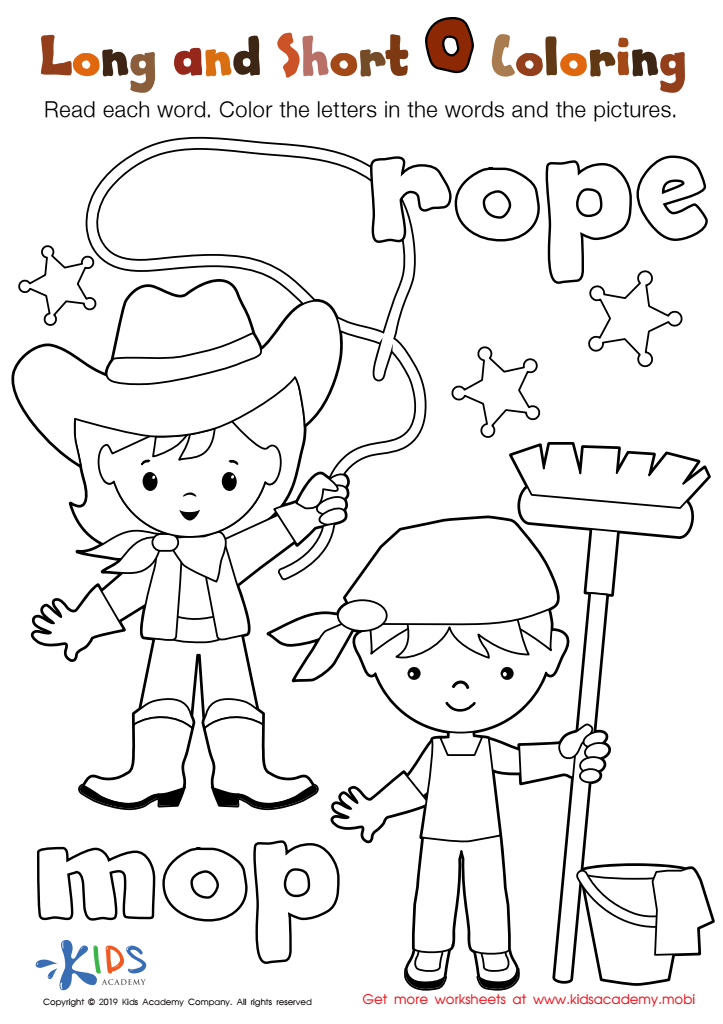
Help your students recognize the difference between long and short «Os» with this fun printout. Let them read and color-in "rope" and "mop" simultaneously. Listen to the different sounds, then color the words and pictures. Great for classes, it'll make your phonics lesson memorable and enjoyable.
Download (PDF)
Assign to My Students
Long and Short O Worksheet
Worksheet


Phonics skills development is crucial for children aged 5 to 7, as this is a foundational stage for reading and writing. Understanding phonics enables young learners to decode words by associating sounds with letters and letter combinations. This skill not only fosters independence in reading but also enhances overall literacy, which is essential for academic success.

Parents and teachers should prioritize phonics because it establishes a strong connection between sounds and their corresponding letters, which is vital in building vocabulary and comprehension. Children equipped with phonics skills are better at sounding out unfamiliar words, leading to increased confidence and motivation to read.

Moreover, phonics instruction is linked to improved reading fluency and comprehension, allowing children to grasp stories and concepts more easily. In a world driven by literacy, effective phonics instruction helps close achievement gaps, especially for those who may struggle with language development.

Furthermore, engaging parents in their child's phonics learning fosters a supportive home environment that encourages practice. By working together, educators and families can cultivate a love for reading, ensuring children are not only prepared for future academic challenges but also equipped with lifelong communication skills. Therefore, focusing on phonics development is essential for the growth of every child during these formative years.