Reading development Alphabet Worksheets for Ages 5-7
5 filtered results
-
From - To
Boost your child's reading skills with our Reading Development Alphabet Worksheets for ages 5-7! These engaging worksheets, designed by education experts, combine fun activities with essential learning. Your child will master the alphabet, phonics, and letter recognition while developing pre-reading and reading skills. Perfect for both classroom use and homeschooling, these worksheets make learning interactive and enjoyable. Whether young learners are tracing letters, identifying sounds, or matching uppercase and lowercase letters, our comprehensive collection caters to various learning needs, ensuring a solid literacy foundation. Explore and enhance your child's reading journey today!
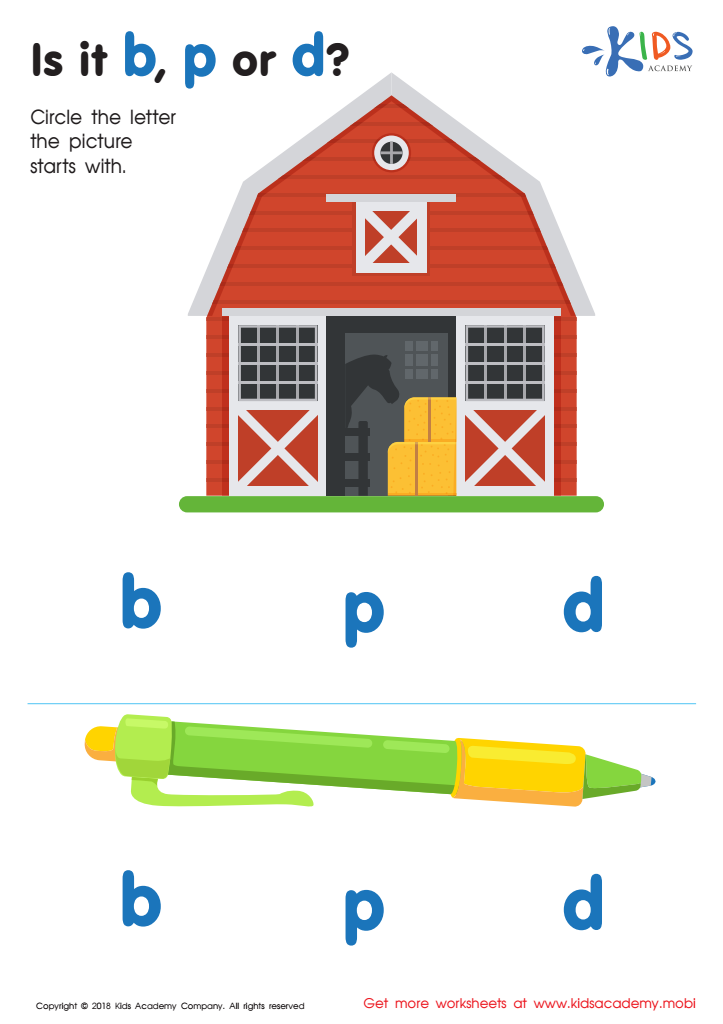
Is it b, p or d? Worksheet
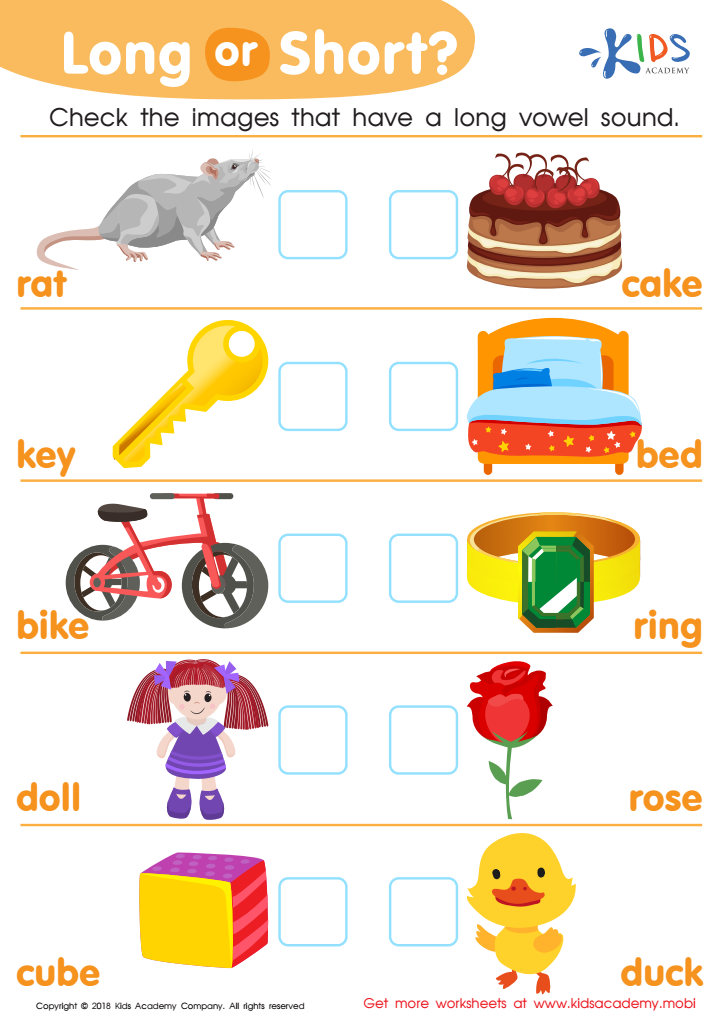
Long or Short Reading Worksheet
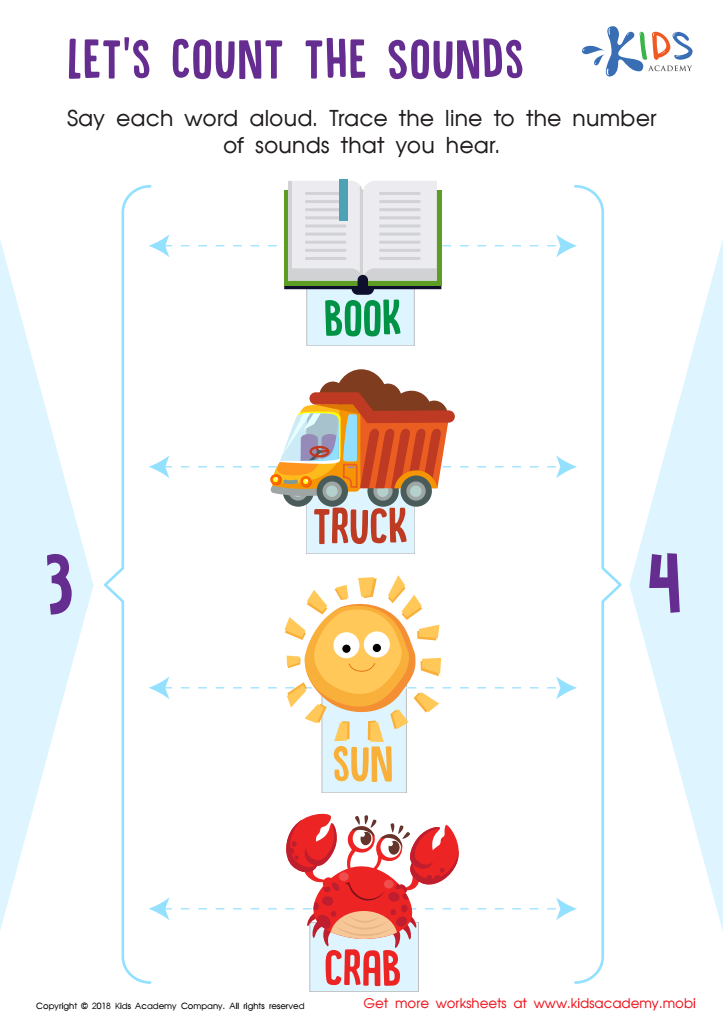
Let's Count the Sounds Worksheet
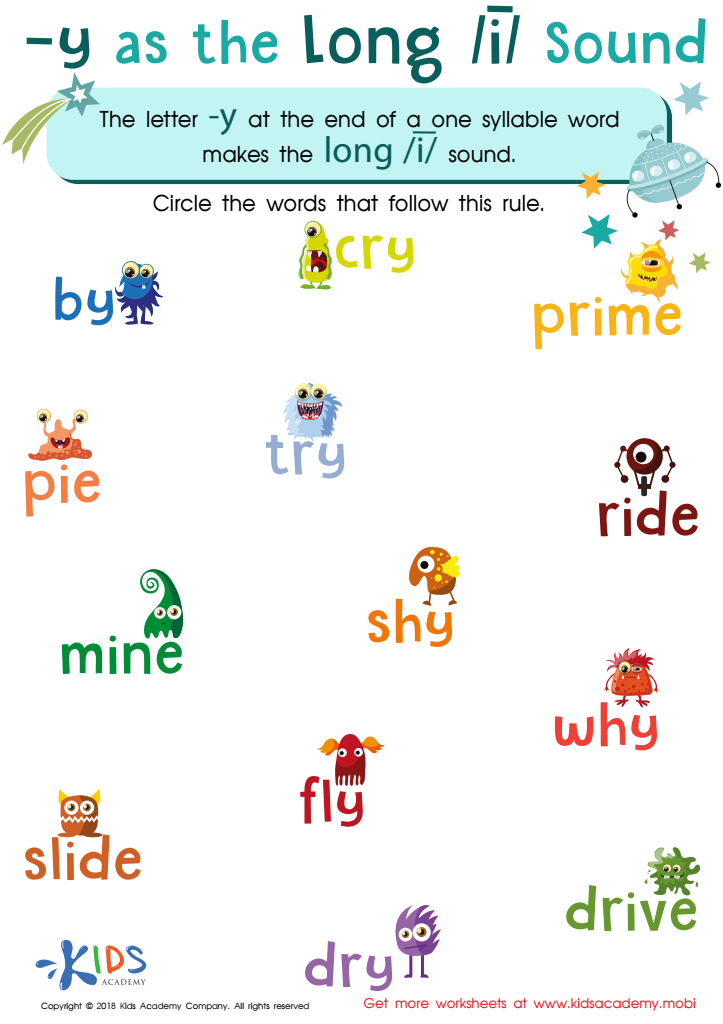
Reading: Y as Long I Worksheet
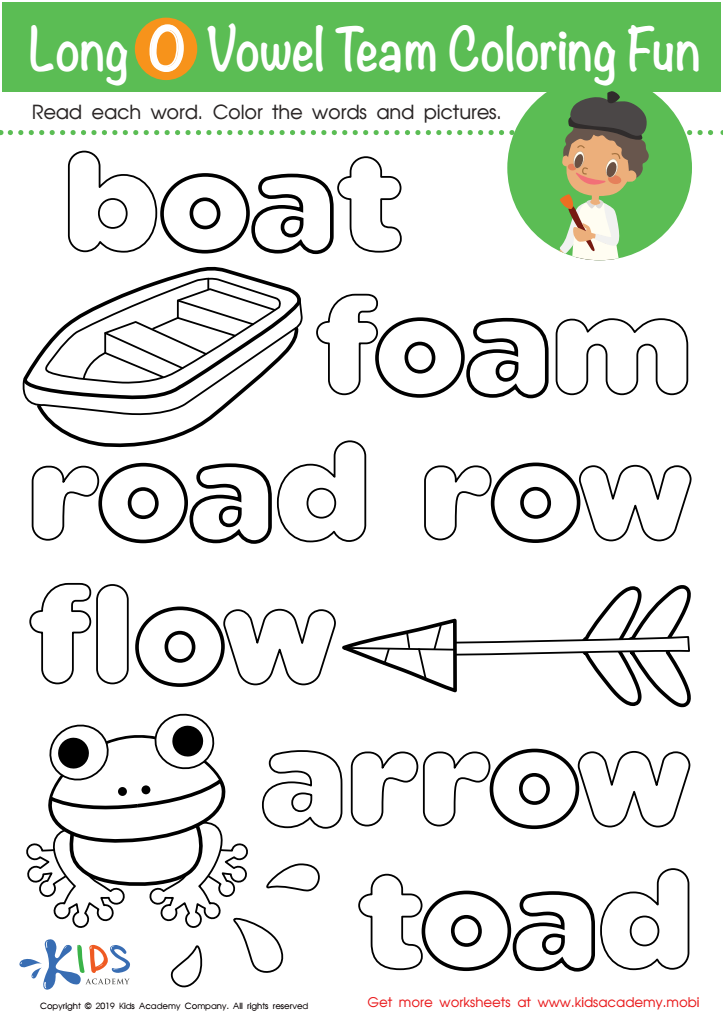
Long O Vowel Team Coloring Worksheet
 Assign to My Students








Reading development at ages 5-7 is critical as children transition from recognizing simple words to comprehensive reading. During this period, establishing a solid foundation in understanding the alphabet is essential. This foundational knowledge influences phonemic awareness, which is the ability to hear and manipulate sounds in spoken words. Phonemic awareness, in turn, is crucial for decoding words — the skill necessary for fluent reading.
When parents and teachers invest in alphabet recognition and reading development, they help children build vocabulary, understand syntax, and develop comprehension skills. With a robust linguistic foundation, children are more likely to excel in other academic areas, as reading competency is linked to success across the curriculum.
Furthermore, early difficulties in reading can undermine a child's confidence and discourage a love for learning. Addressing reading development early ensures children encounter fewer frustrations and setbacks. Consistent support and practice help children recognize letters, associate them accurately with sounds, and ultimately blend these sounds to form words and sentences.
Reading aloud, interactive alphabet games, and encouraging the exploration of books can foster a child's motivation and enjoyment in reading, setting the stage for lifelong literacy and academic achievement. The benefits of prioritizing this formative stage are profound and long-lasting, influencing a child's educational trajectory and self-esteem.







