Shape Recognition Alphabet Worksheets for Ages 5-7
4 filtered results
-
From - To
Shape Recognition Alphabet Worksheets for Ages 5-7 combine fun and learning to help young children master both letter recognition and basic geometric shapes. Perfect for kindergartners and first graders, these engaging worksheets challenge kids to identify and color letters while discovering various shapes. The activities support cognitive development, fine motor skills, and early literacy seamlessly. Kids will delight in tracing, matching, and coloring their way through the alphabet using our expertly crafted worksheets. Whether at home or in the classroom, these resources make foundational learning a playtime favorite. Access a creative, educational experience with our Shape Recognition Alphabet Worksheets today!
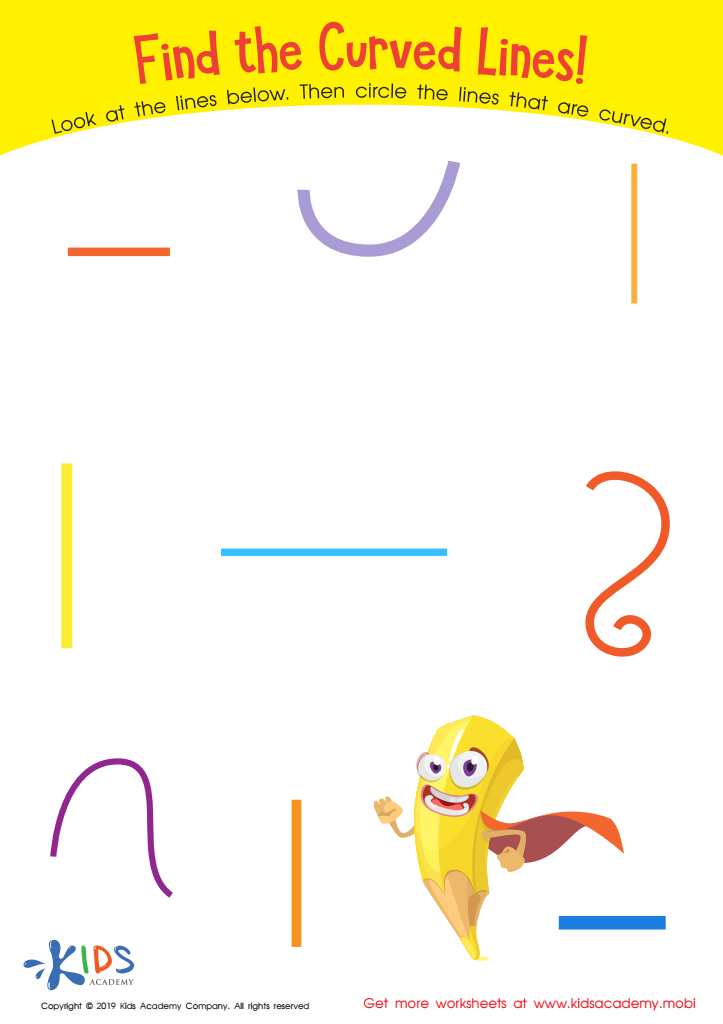
Find the Curved Lines! Worksheet
 Assign to My Students
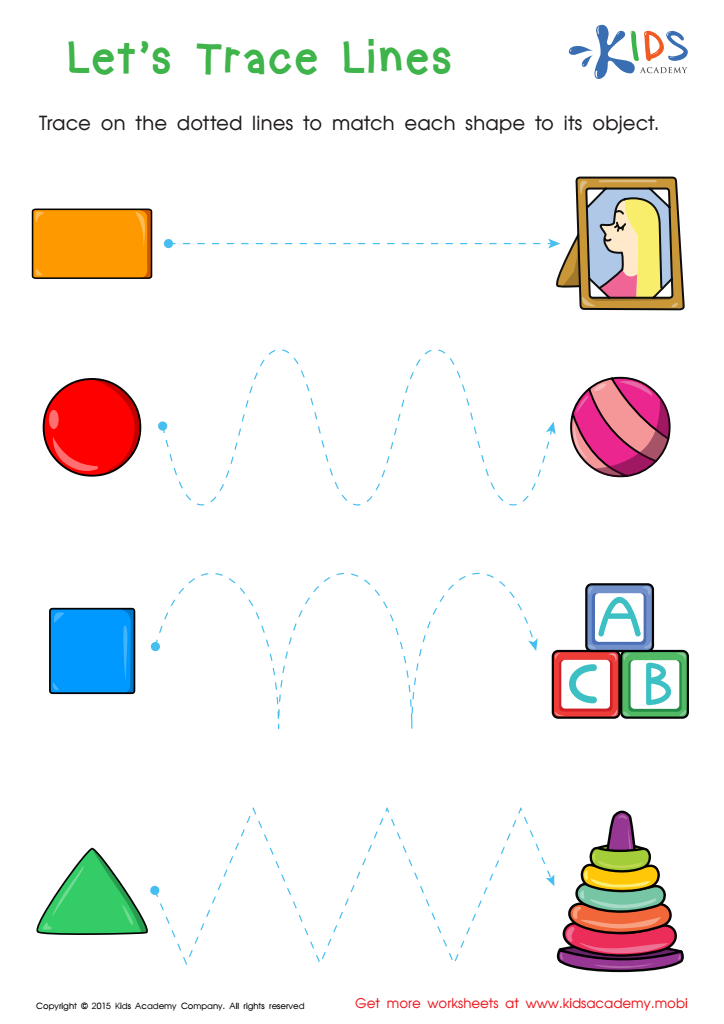
First Words: Let's Trace Lines Worksheet
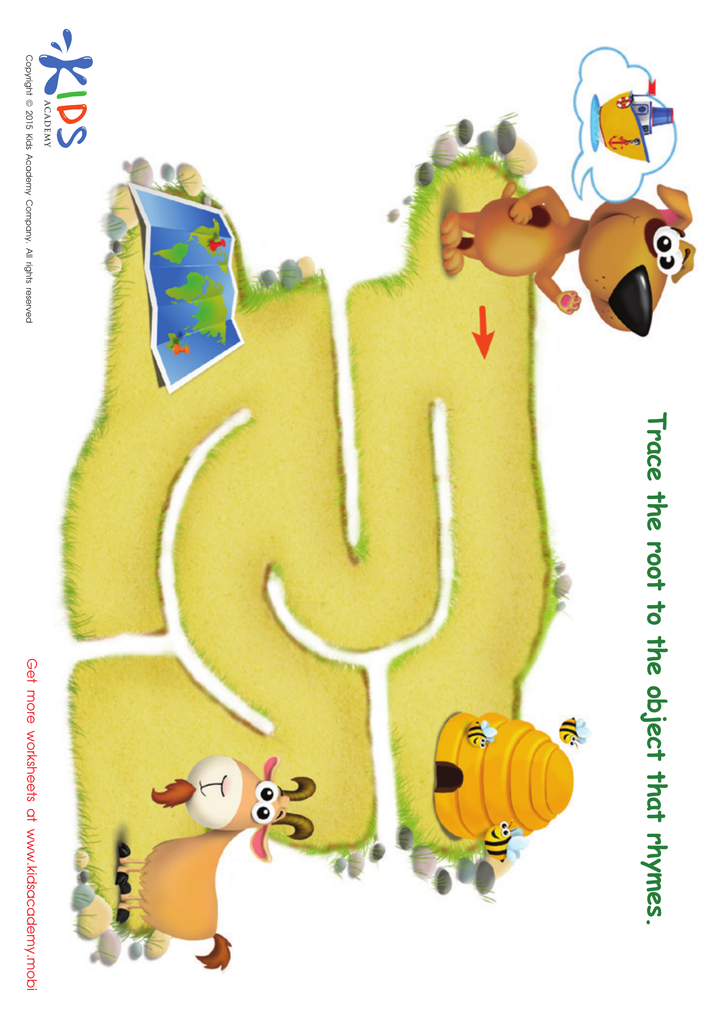
Boat Rhyming Words Worksheet
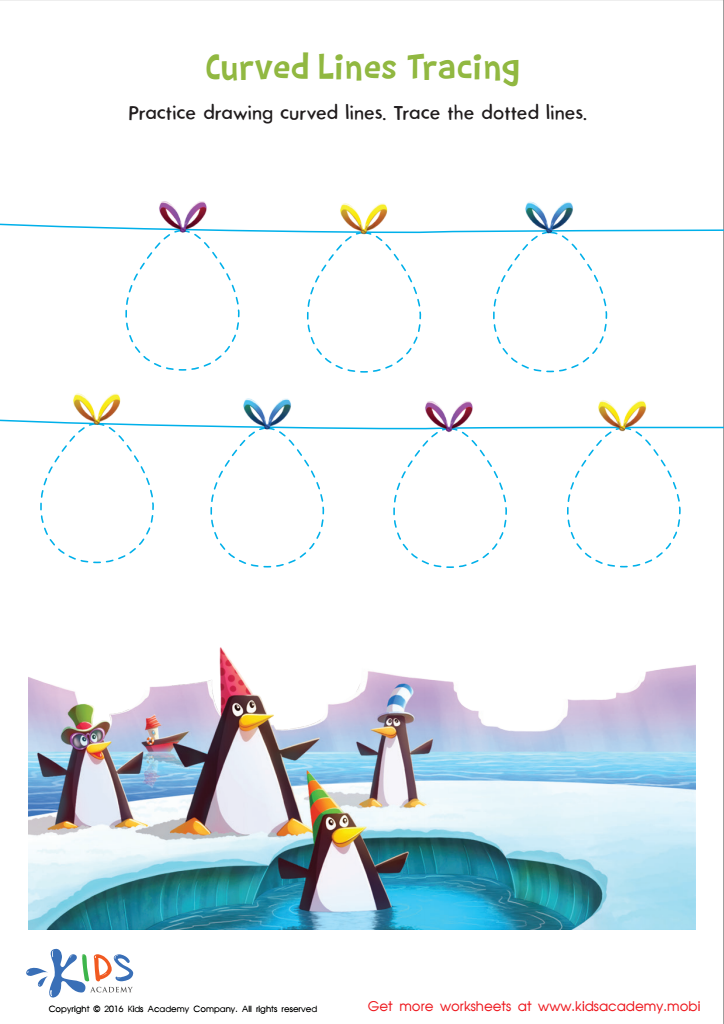
Curved Lines Tracing Worksheet








Shape recognition alphabet activities are crucial for children aged 5-7 because they lay a foundational stone for early literacy and cognitive skills. At this developmental stage, young learners are beginning to grasp the basic concepts of reading and writing. Introducing an alphabet through shapes not only makes the learning process fun and engaging but also cater to visual and kinesthetic learners, helping them to better recognize and remember letters.
One significant benefit is that shape recognition strengthens fine motor skills in children. When kids draw or manipulate letters shaped like everyday objects or abstract forms, they enhance their hand-eye coordination and neatness, skills essential for writing. Furthermore, linking letters to shapes promotes memory retention, making it easier for children to recall and reproduce them.
Cognitive and problem-solving skills are also bolstered as children differentiate between similar shapes and forms, practicing analysis and spatial awareness. Additionally, activities that combine letters with shapes can foster creativity and imagination, encouraging children to see beyond just the letters and appreciate learning as a holistic experience.
Lastly, a shape recognition alphabet provides a strong base for future learning, including mathematics and art. Early familiarity with shapes and patterns greatly aids in the comprehension of geometric concepts and aesthetic appreciation, making it a well-rounded approach to early education.







