Fine Motor Skills Letter Q Worksheets for Ages 5-7
3 filtered results
-
From - To
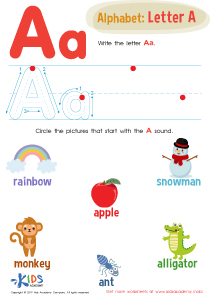
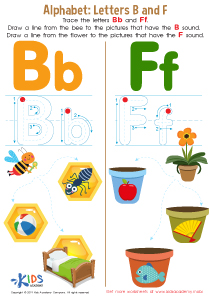
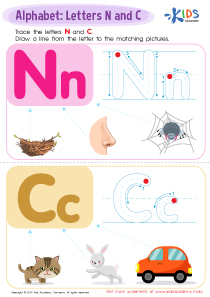
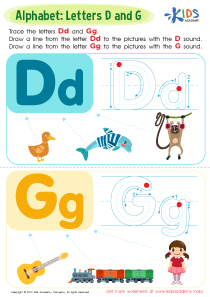
Discover engaging "Fine Motor Skills Letter Q Worksheets" tailored for children ages 5-7. These expertly designed activities enhance essential fine motor skills through creative and intuitive practices such as tracing, drawing, and letter recognition. Packed with fun illustrations, each worksheet encourages young learners to perfect their control and dexterity while mastering the letter Q. Ideal for both classroom and home activities, these resources support cognitive development and handwriting readiness. Perfect for early learners, our Letter Q worksheets make learning enjoyable and productive. Give your child the tools to succeed and boost their confidence with these outstanding educational aids.
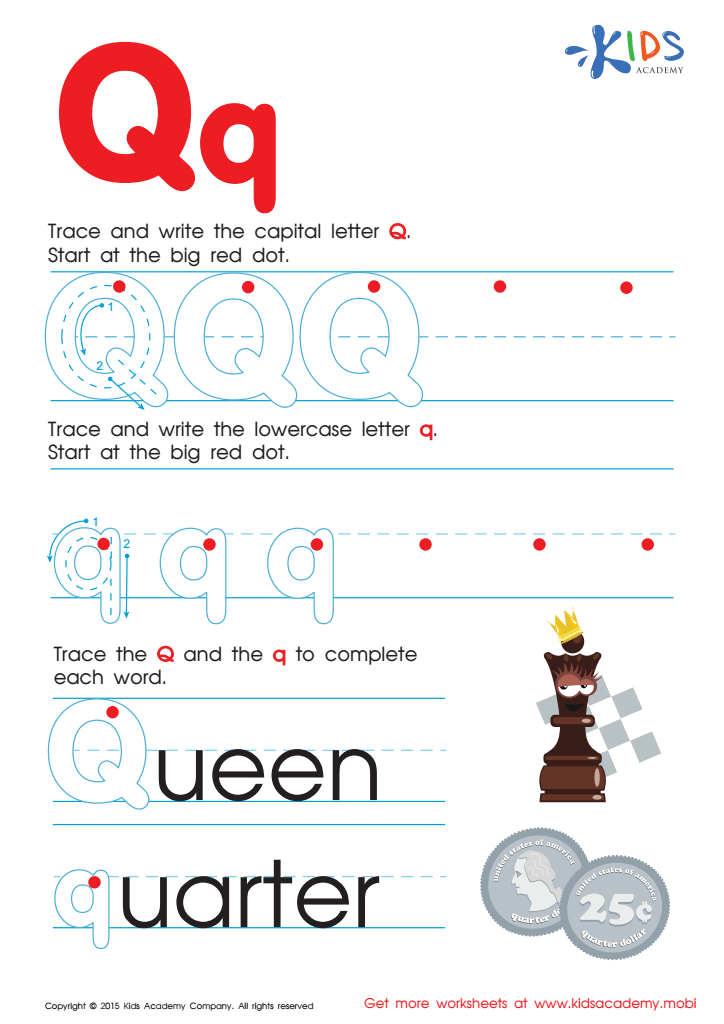
Letter Q Tracing Page
 Assign to My Students
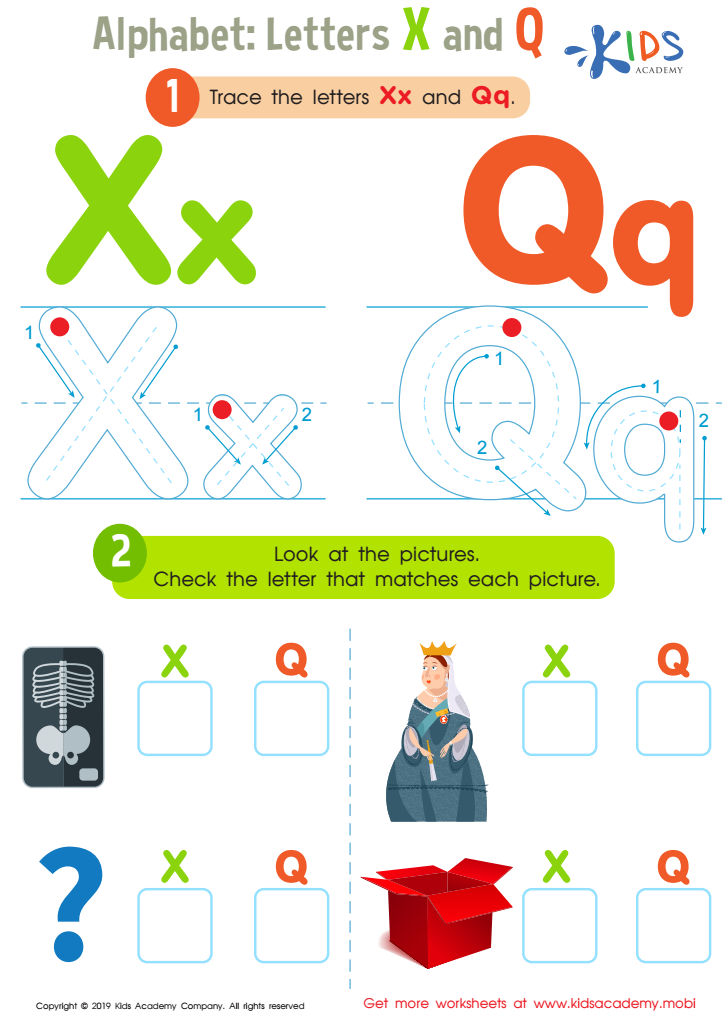
Letters X and Q Tracing Worksheet
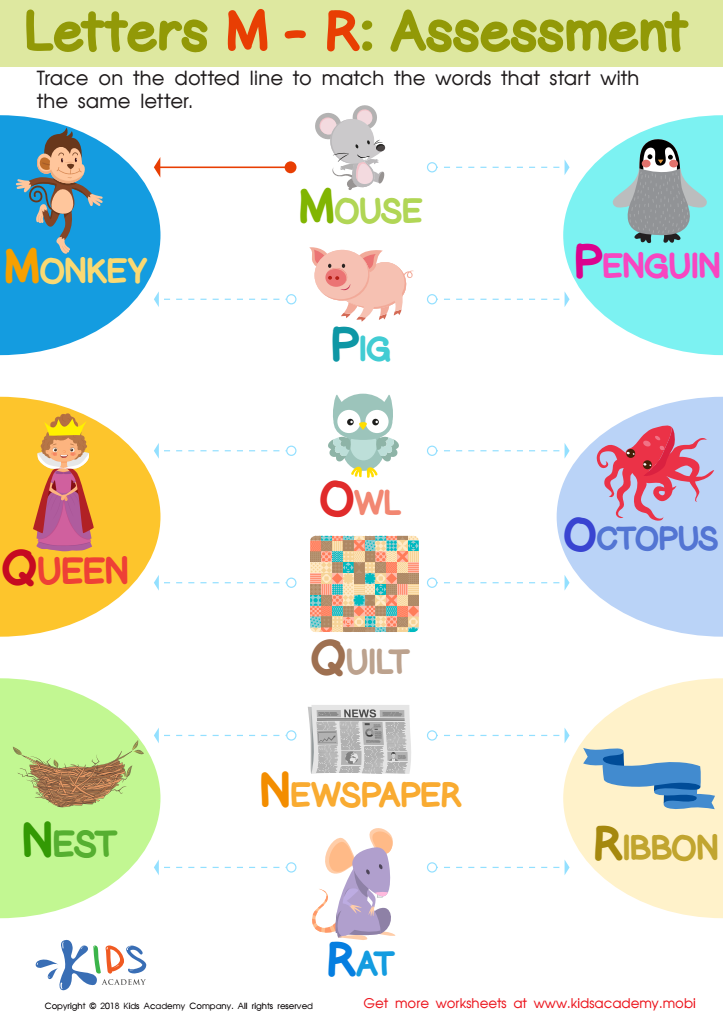
Letters M-R Tracing Worksheet





Fine motor skills are essential for children's overall development, and learning to write letters like the letter "Q" plays a significant role, especially for children aged 5-7. At this age, children are developing their hand-eye coordination, finger strength, and dexterity, which are all critical for tasks beyond writing.
Mastering the letter "Q" involves complex movements that require coordination and control, helping to strengthen the small muscles in the hands and fingers. This practice not only enhances their ability to write but also supports other vital activities such as buttoning a shirt, tying shoelaces, and using utensils. Fine motor skills are foundational for academic success as they are integral to tasks like using scissors accurately, drawing, and turning pages in a book.
Moreover, the precision required to form letters correctly aids in cognitive development. It teaches children about patterns, spatial awareness, and shapes, which are precursors to math and reading skills. Writing the letter "Q" also encourages persistence and patience, as it may be more challenging than simpler letters.
For parents and teachers, focusing on fine motor skills through engaging activities like writing the letter "Q" can foster a child’s self-esteem and independence. Celebrating their progress in these small steps contributes significantly to their overall confidence and enthusiasm for learning.