Hand-eye Coordination Letter Recognition Worksheets for Ages 5-7
10 filtered results
-
From - To
Boost your child's learning with our engaging "Hand-eye Coordination Letter Recognition Worksheets" designed for ages 5-7. These worksheets uniquely combine essential letter recognition skills with fun hand-eye coordination activities, ideal for young learners in preschool or kindergarten. Children will enjoy tracing, coloring, and identifying letters through interactive exercises that enhance their fine motor skills while strengthening their understanding of the alphabet. By connecting physical movement to learning, these worksheets promote active engagement, ensuring an exciting educational experience. Perfect for home or classroom use, our worksheets provide an enjoyable way for kids to master essential letter recognition at their own pace.
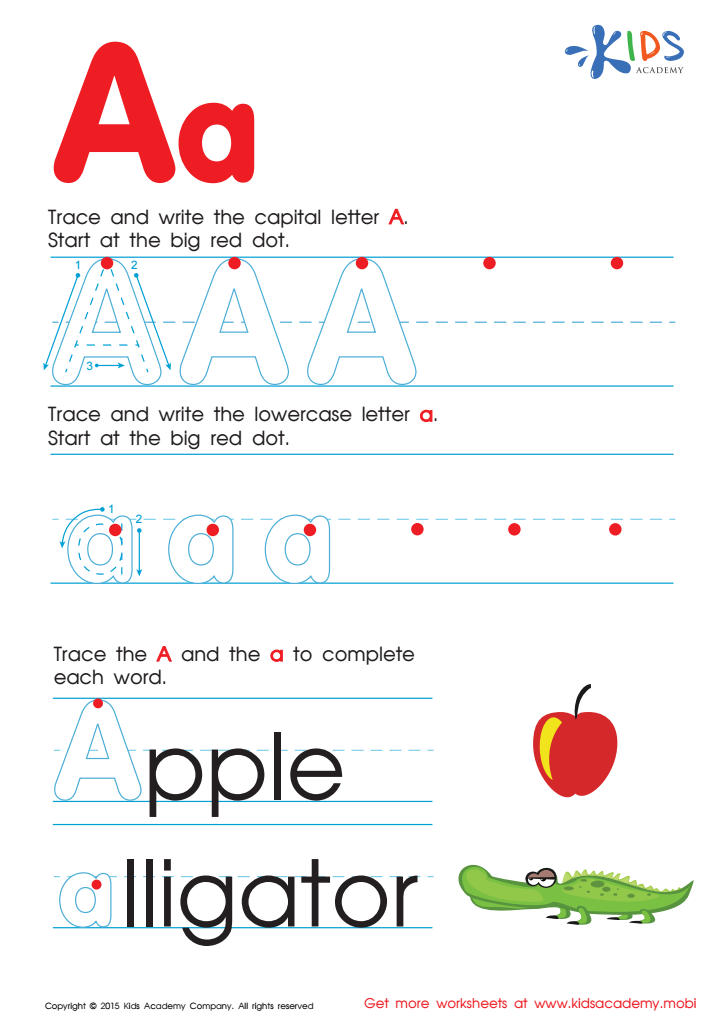
Letter A Tracing Page
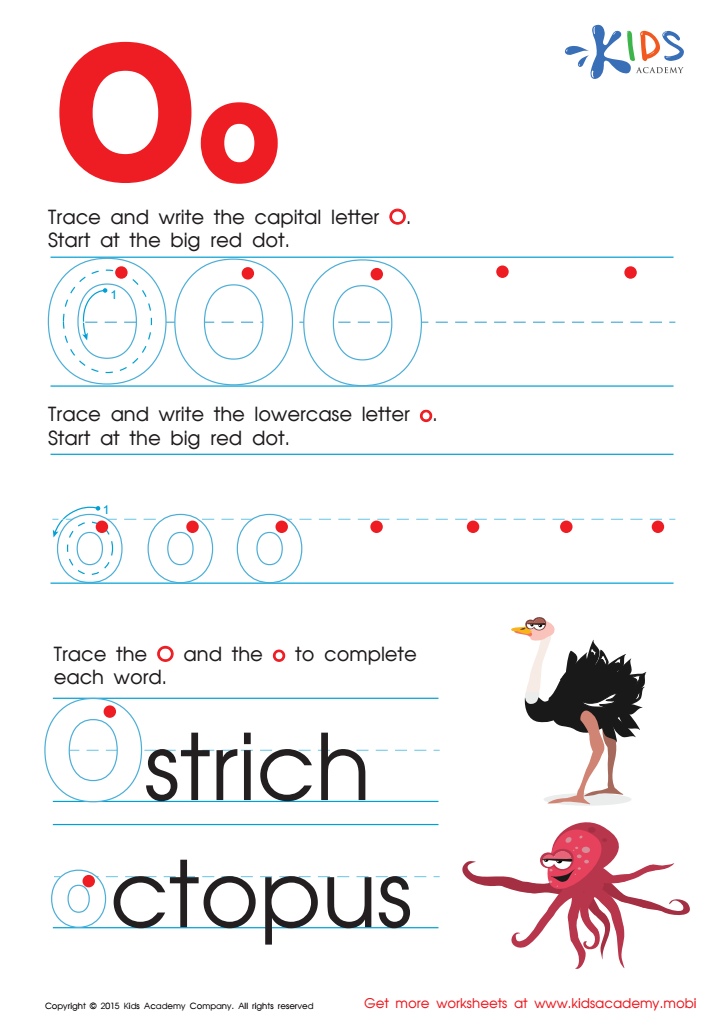
Letter O Tracing Page
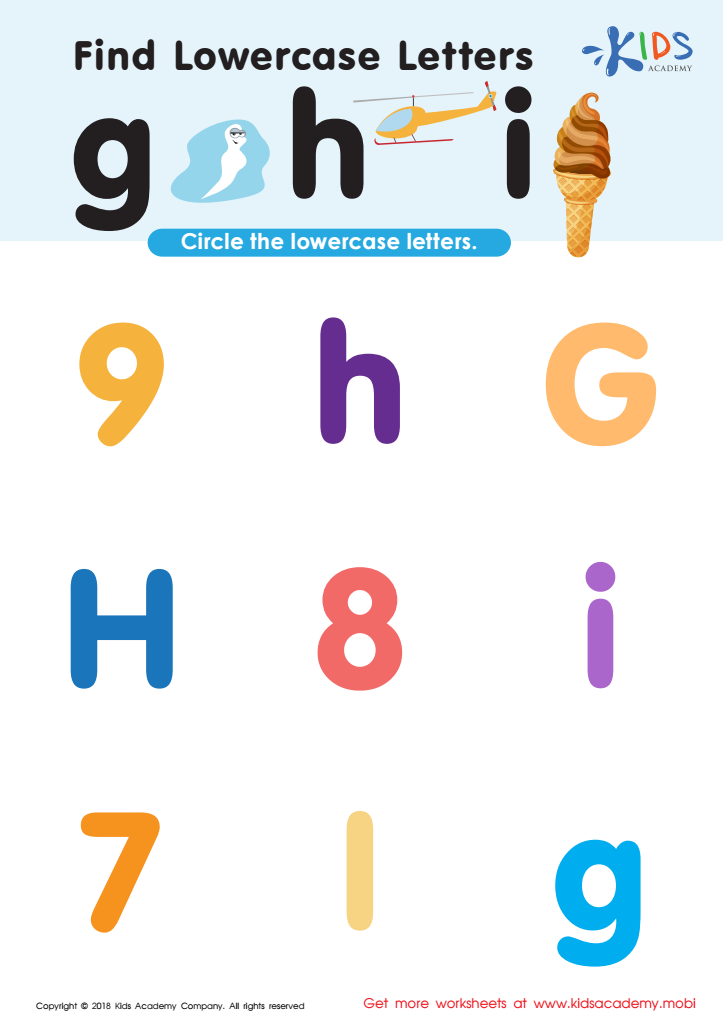
Find Lowercase Letters g h i Worksheet
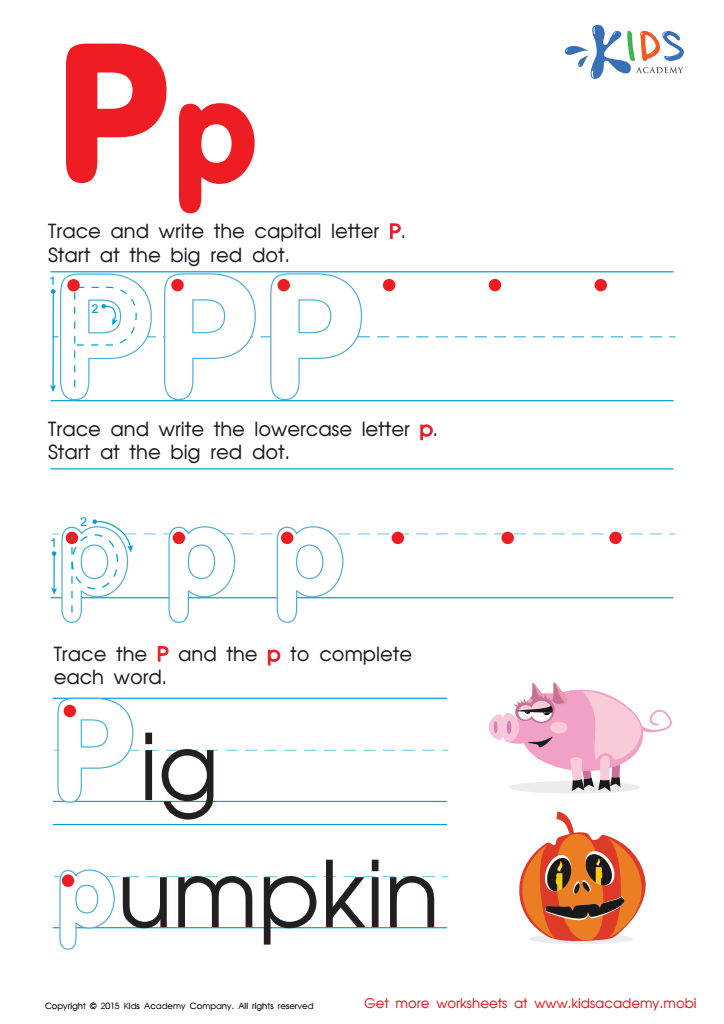
Letter P Tracing Page
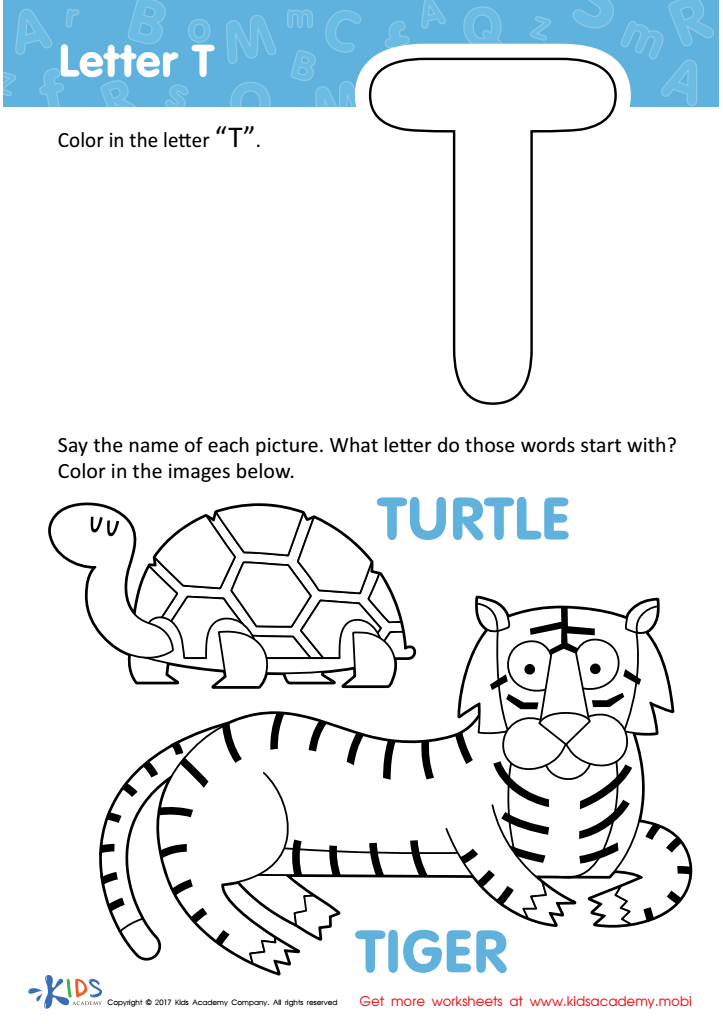
Letter T Coloring Sheet
 Assign to My Students

Letter H Tracing Page
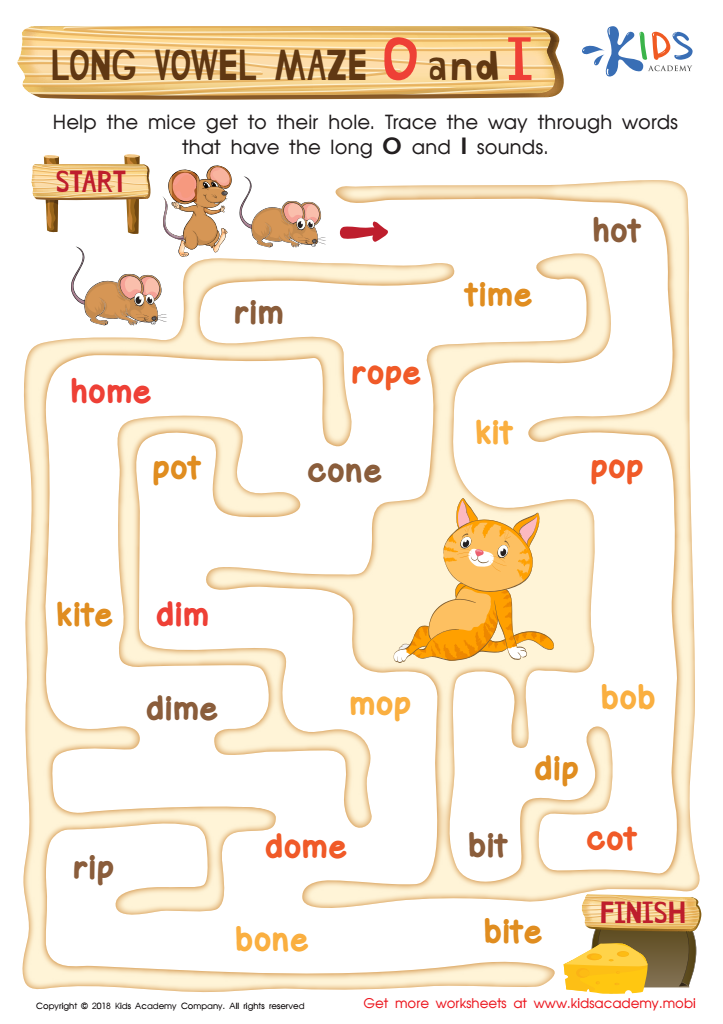
Long Vowel Maze /o/ and /i/ Worksheet
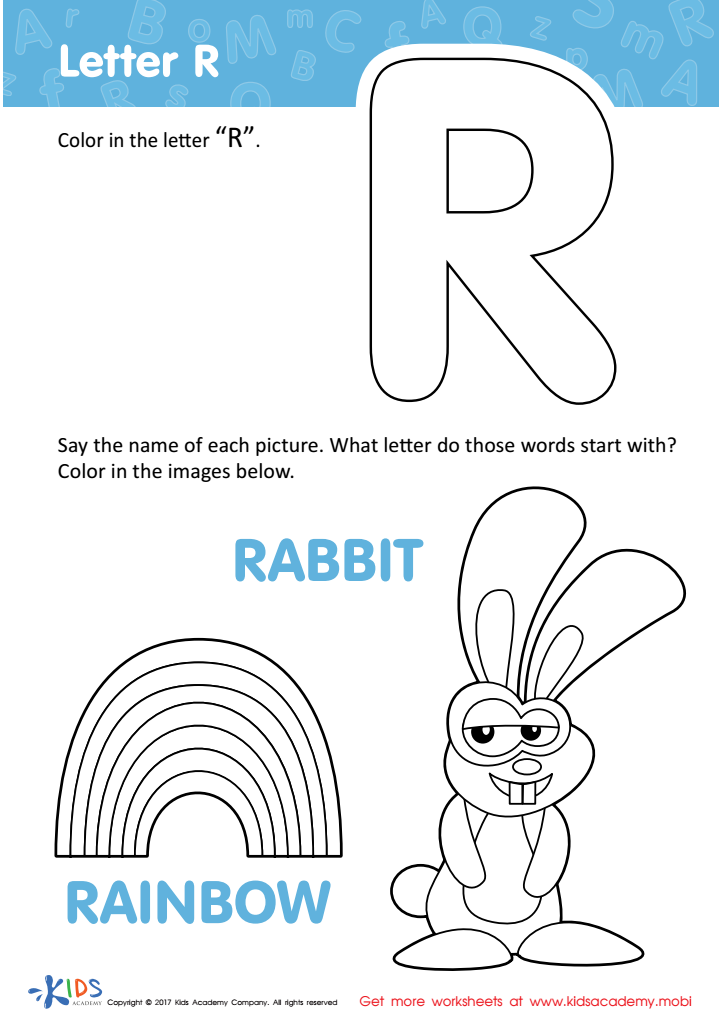
Letter R Coloring Sheet
Assign to My Students
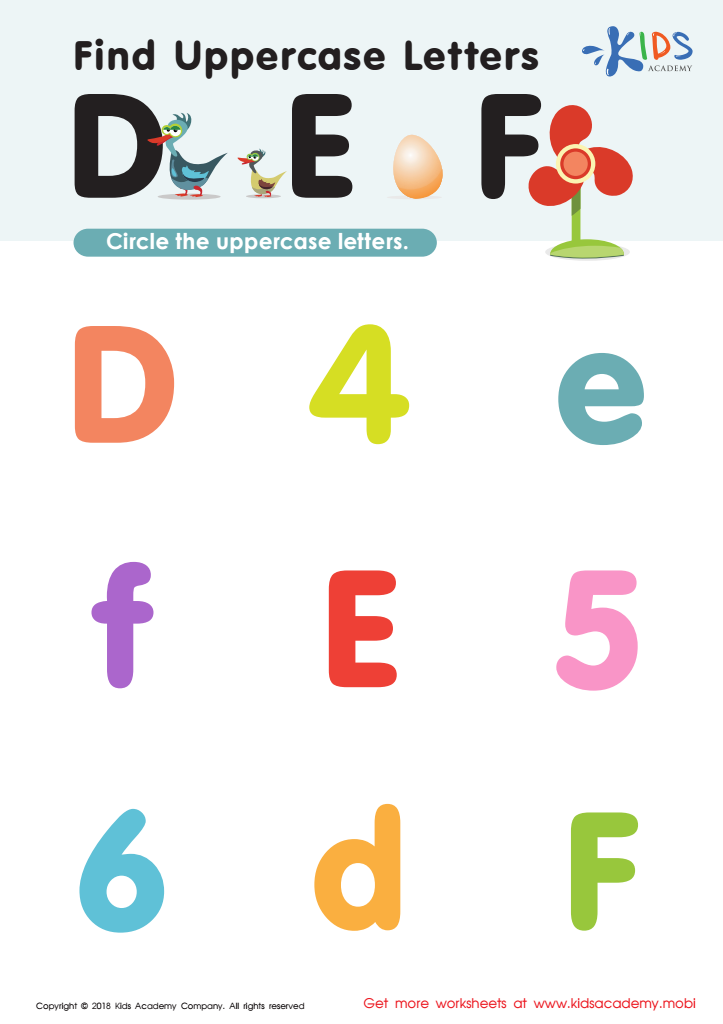
Find Uppercase Letters D, E, and F Worksheet

Letter D Tracing Page








Hand-eye coordination and letter recognition are fundamental skills crucial for children aged 5-7, as they set the foundation for future academic success and daily functioning. Parents and teachers should care about these skills because they are interconnected and play a vital role in a child’s cognitive and physical development.
Hand-eye coordination involves the ability to coordinate visual input with motor actions, which is essential for various tasks, such as writing, drawing, and using tools. When children develop these skills, they gain confidence in their abilities, which fosters a positive learning environment. Simultaneously, letter recognition is the building block for literacy. Early recognition of letters aids in reading readiness and helps children understand the relationship between sounds and symbols, paving the way for effective reading and writing skills.
Furthermore, fostering these skills at an early age can enhance children’s problem-solving abilities, creativity, and overall motor skills. Engaging in activities that promote hand-eye coordination and letter recognition, such as playing games, reading aloud, and interactive crafts, contributes to a well-rounded educational experience. In essence, supporting these skills during early development can significantly influence a child's future learning journey and lifelong educational engagement.







