Letter Tracing Letter Recognition Worksheets for Ages 5-7
6 filtered results
-
From - To
Help your child master the alphabet with our "Letter Tracing Letter Recognition Worksheets for Ages 5-7." These engaging worksheets promote fine motor skills and letter recognition through fun tracing activities. Ideal for young learners, each sheet offers ample practice for tracing both uppercase and lowercase letters, ensuring kids develop strong writing foundations. Designed by expert educators, these worksheets blend learning and play seamlessly, making early literacy enjoyable. Perfect for classroom use or at-home practice, give your child a head start with these effective and entertaining tools. Unlock your child’s potential and make learning the alphabet fun!
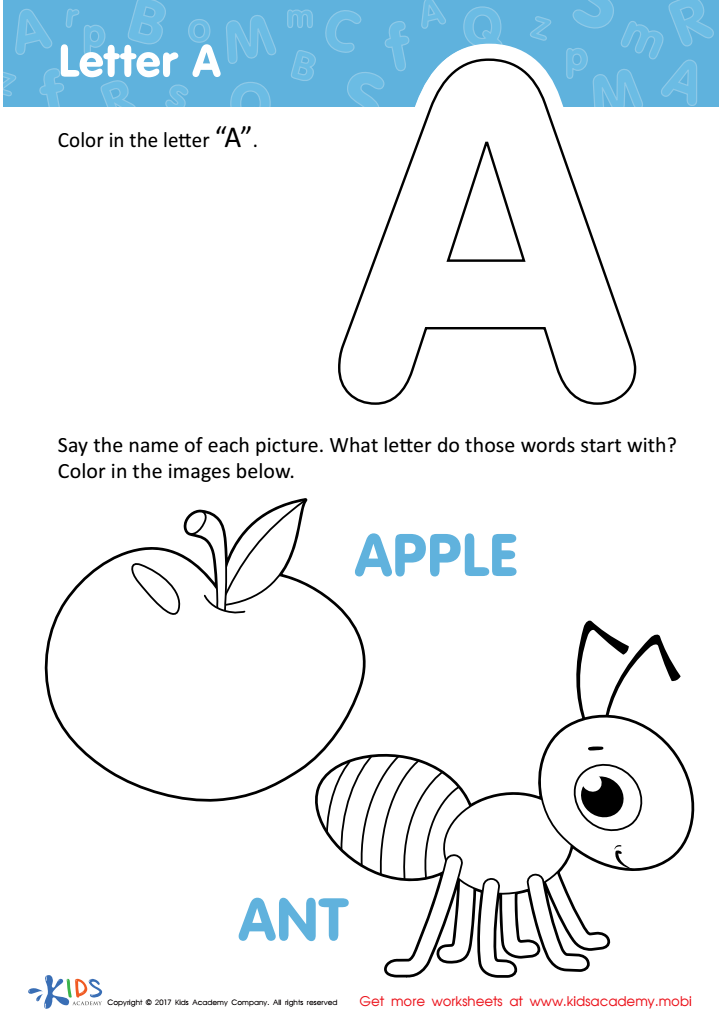
Letter A Coloring Sheet
 Assign to My Students
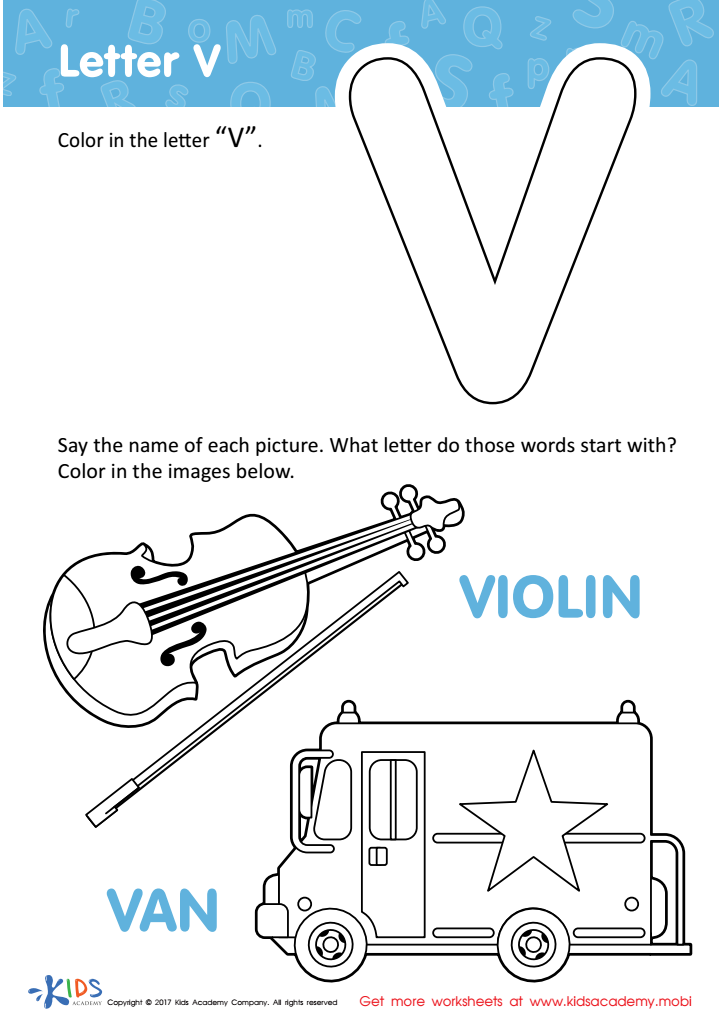
Letter V Coloring Sheet
Assign to My Students
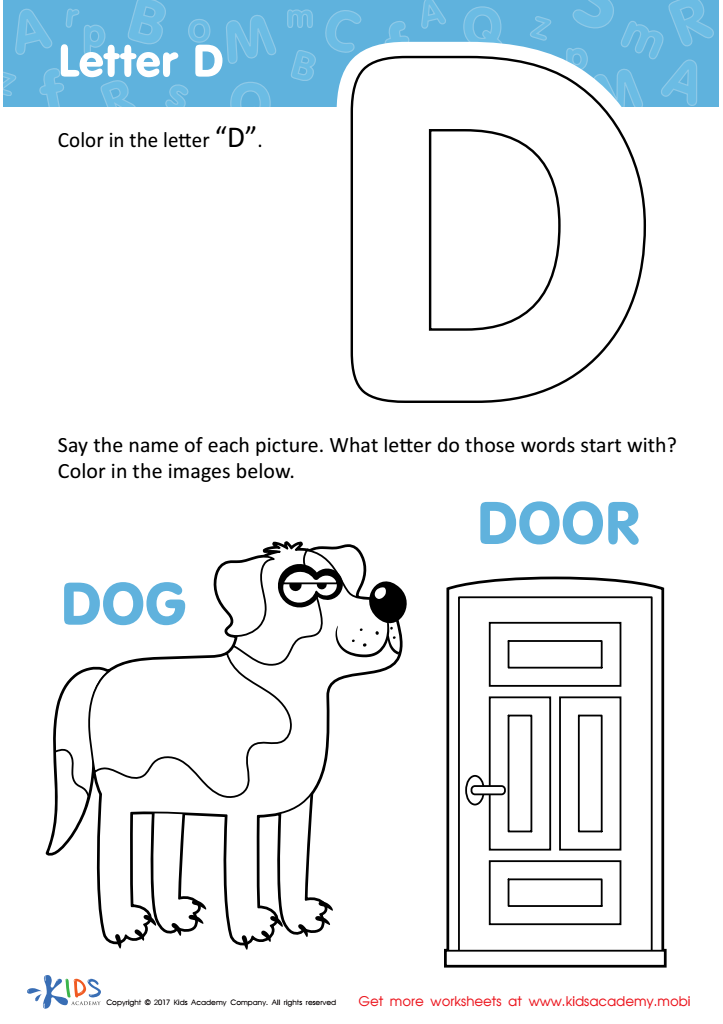
Letter D Coloring Sheet
Assign to My Students
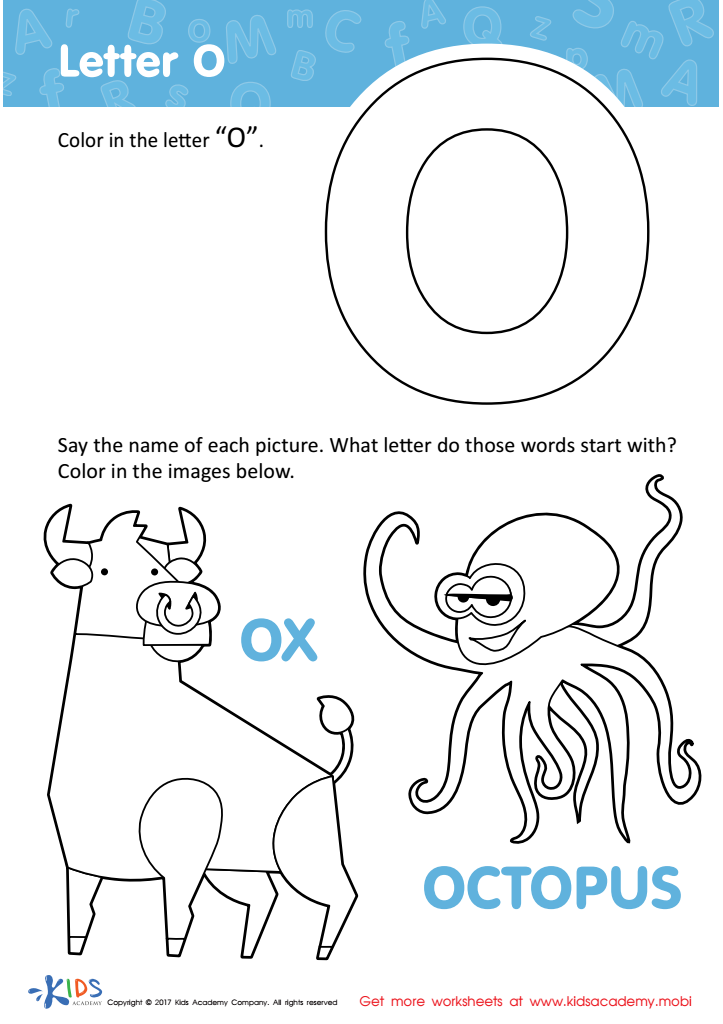
Letter O Coloring Sheet
Assign to My Students
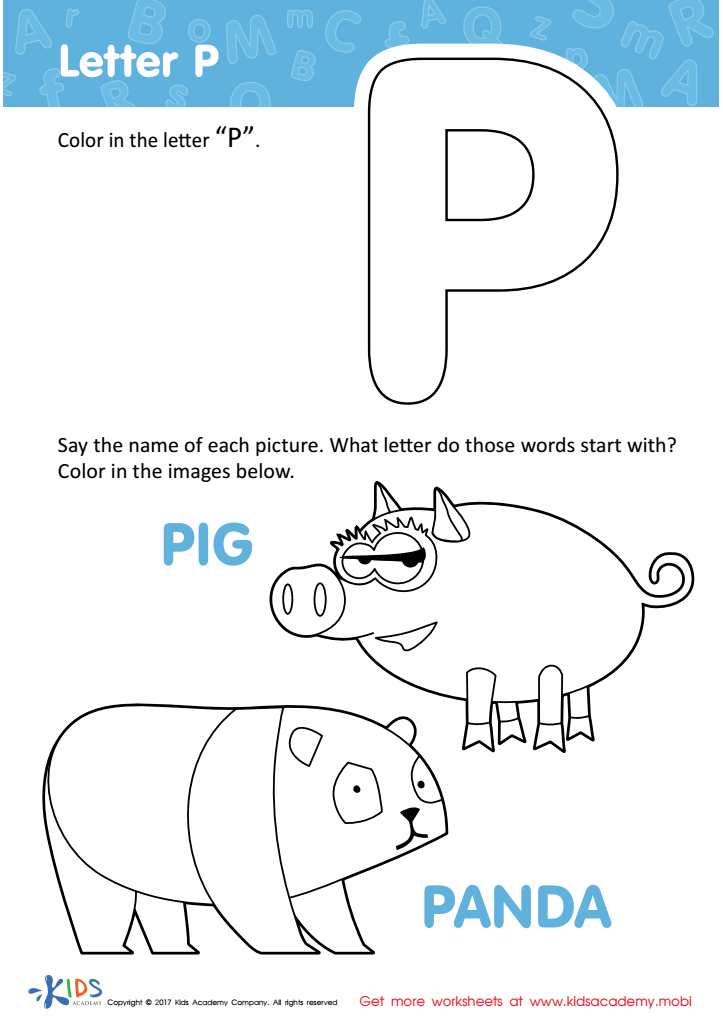
Letter P Coloring Sheet
Assign to My Students
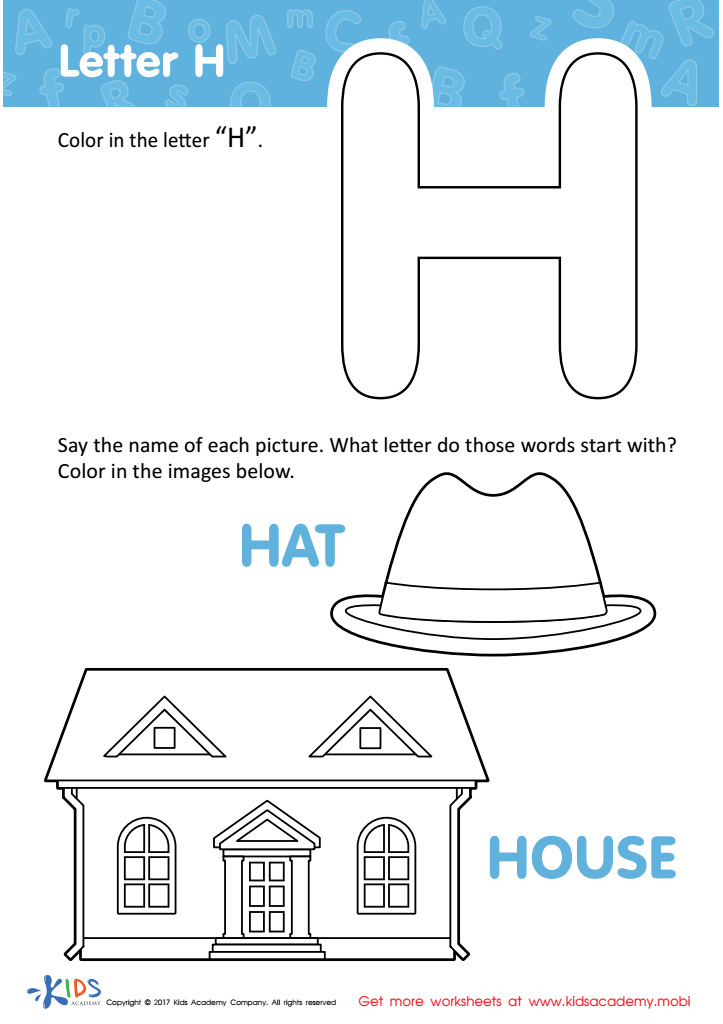
Letter H Coloring Sheet
Assign to My Students








Letter tracing and recognition are foundational skills for young learners, particularly those aged 5-7. These activities support cognitive and motor development, helping to solidify the connection between written and spoken language. By practicing letter tracing, children refine their fine motor skills, which are crucial for handwriting. This repetitive practice helps them learn the shapes of letters and understand the proper way to form them, paving the way for legible, confident writing.
Letter recognition is equally important as it allows children to identify letters by sight and sound, a key component in the process of learning to read. Early familiarity with letters enhances phonemic awareness, enabling children to recognize the relationships between letters and the sounds they represent. This sets a strong foundation for word formation, spelling, and eventually reading fluency.
Parents and teachers should care about these activities because strong letter recognition and writing skills are closely linked to academic success. Children who master these early literacy skills tend to find reading and writing less challenging as they progress through their education. Moreover, engaging in letter tracing and recognition exercises fosters patience and focus, skills valuable far beyond their academic years. By supporting these activities, adults can significantly contribute to a child's lifelong love for learning and literacy.







