Vocabulary expansion Long And Short Vowel Worksheets for Ages 5-7
6 filtered results
-
From - To
Transform your child’s reading skills with our engaging "Vocabulary Expansion Long and Short Vowel Worksheets" designed for ages 5-7. Our expertly crafted worksheets focus on essential long and short vowel sounds, fostering strong vocabulary development in young learners. Each worksheet includes fun activities that promote identification, pronunciation, and usage of various vocabulary words. Kids will enjoy colorful illustrations and interactive tasks, making learning both enjoyable and effective. Ideal for at-home practice or classroom use, these worksheets support foundational literacy skills, ensuring a solid grasp of vowel sounds as children embark on their reading journey. Unlock the power of words and inspire a love for language!
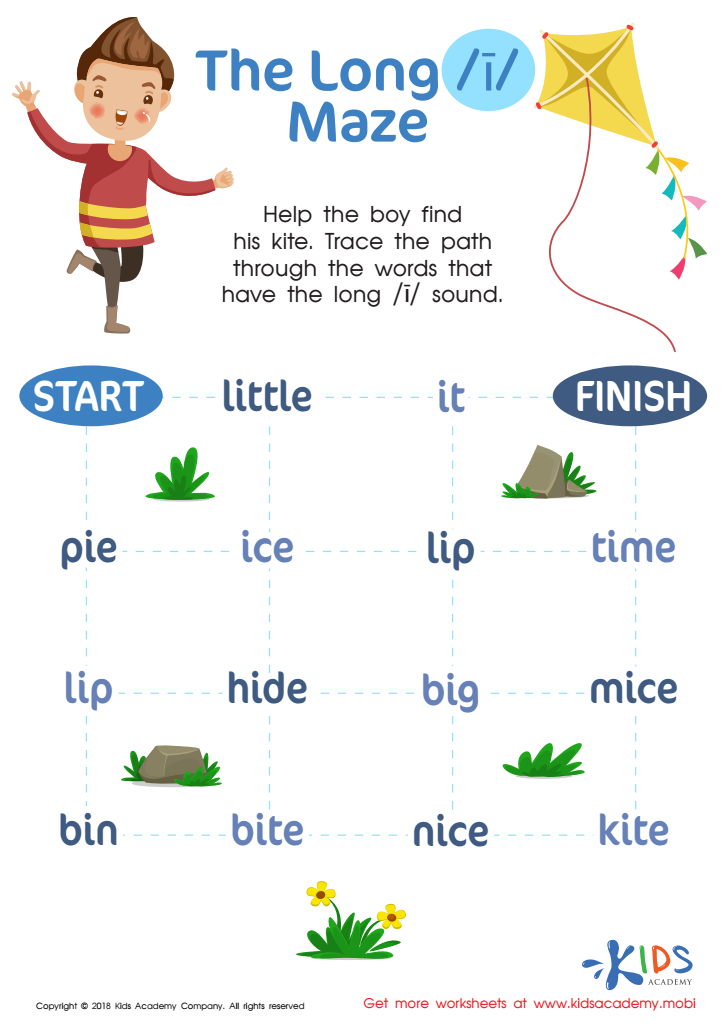
The Long I Maze Reading Worksheet
 Assign to My Students
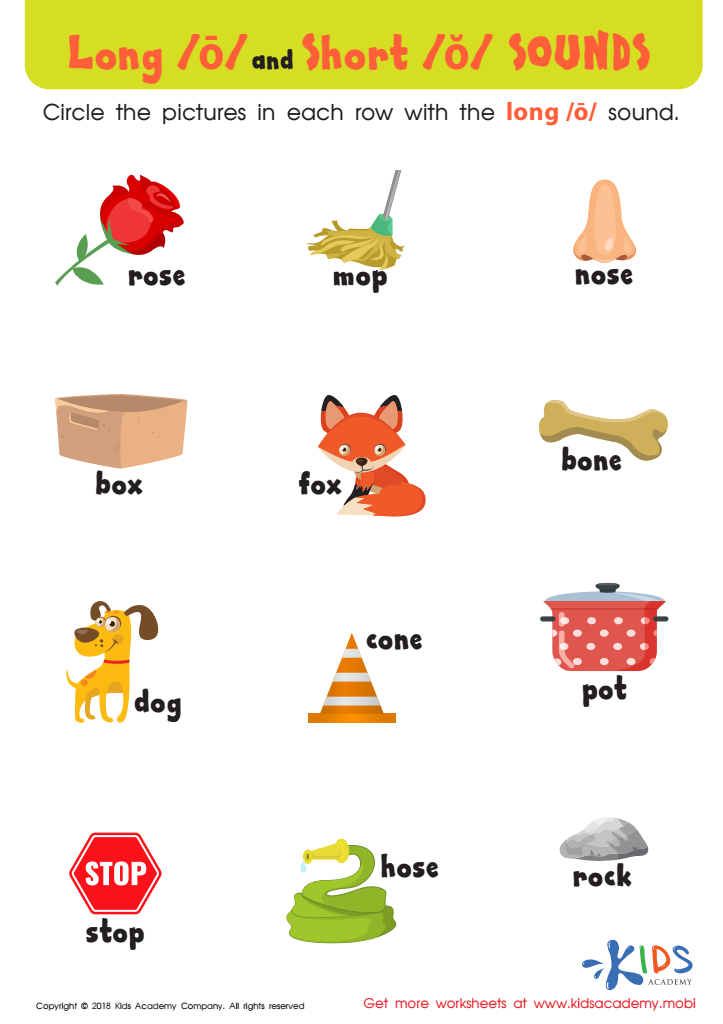
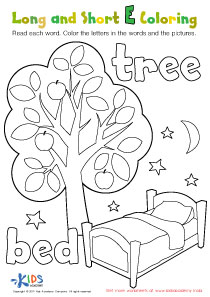
Reading: Long O and Short O Sounds Worksheet
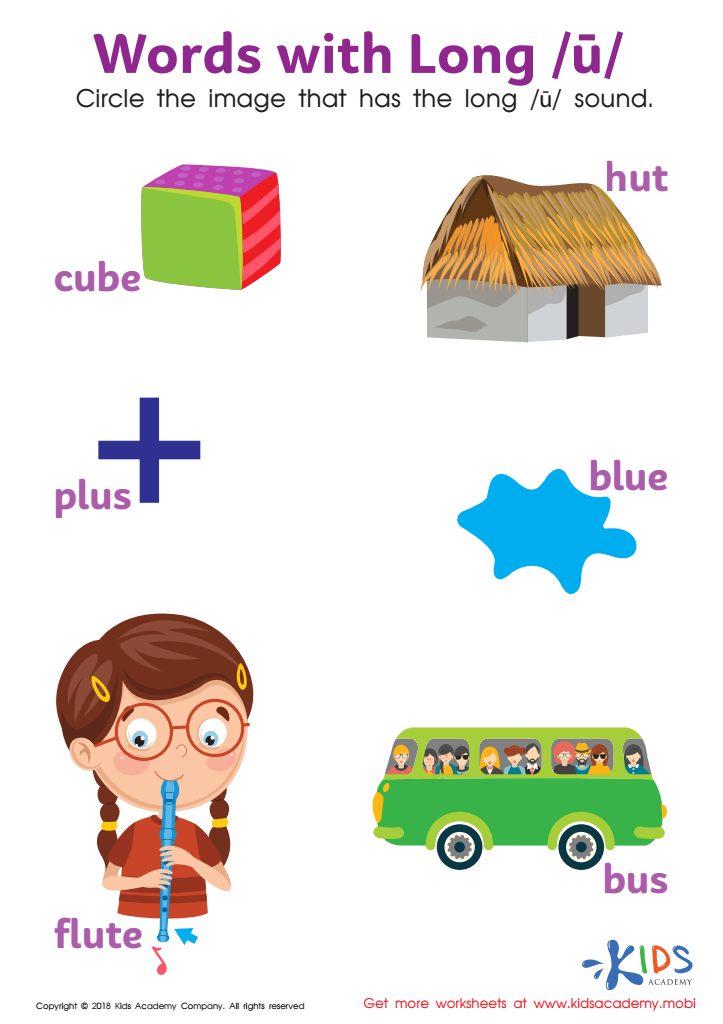
Words with Long U Reading Worksheet
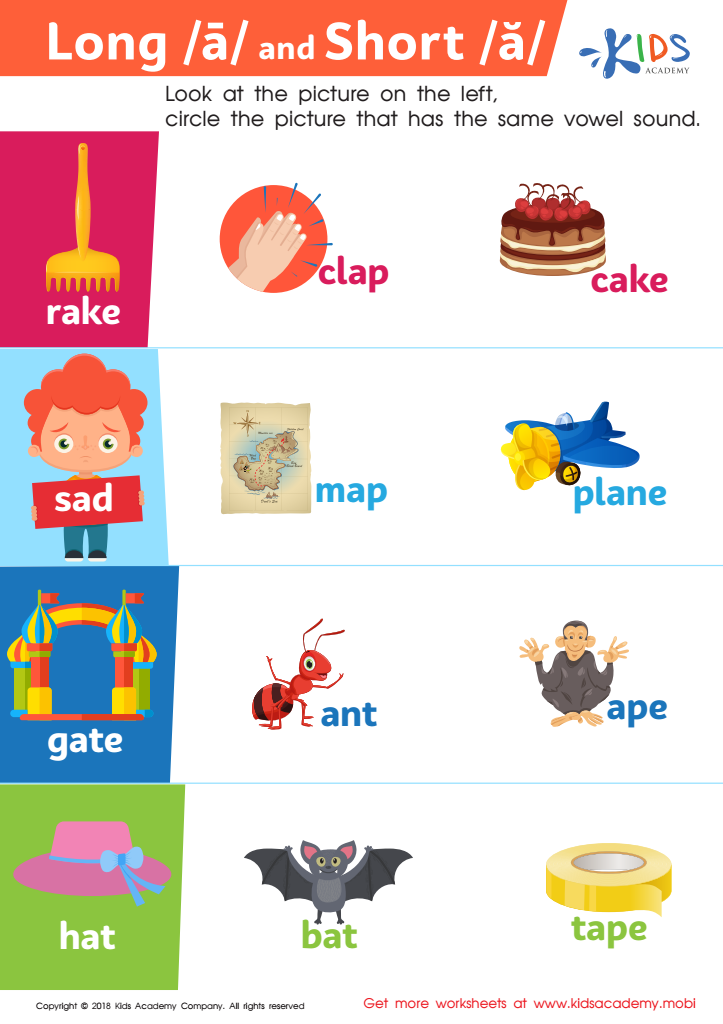
Reading: Long a and Short a Worksheet
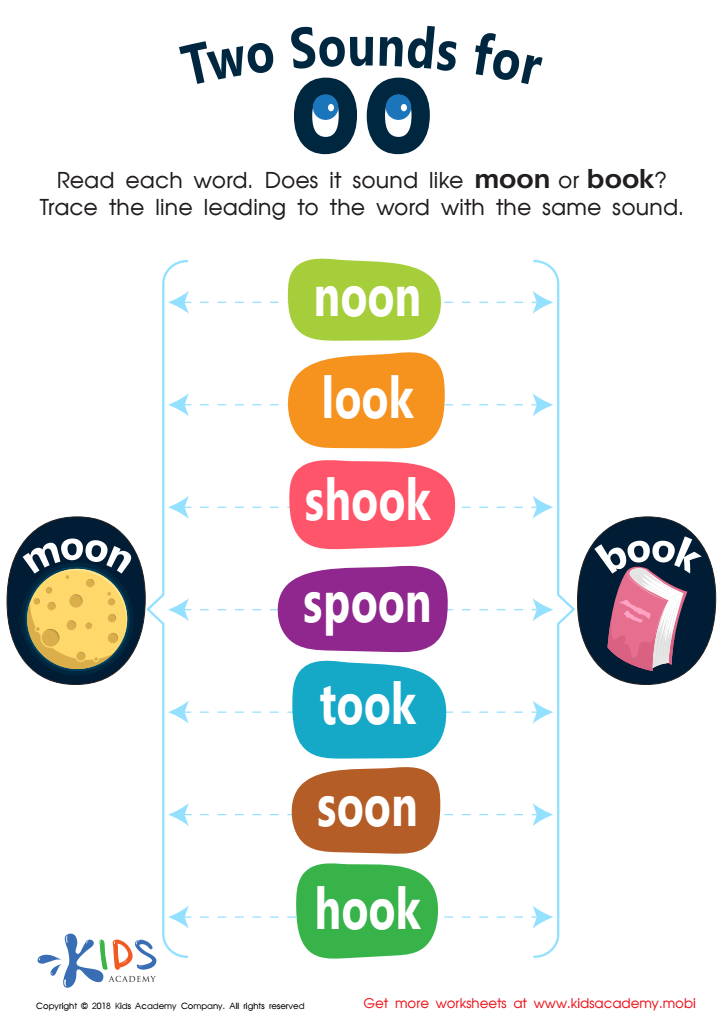
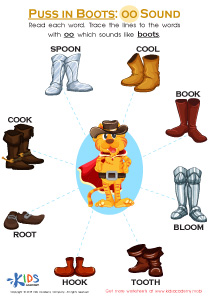
Two Sounds for OO Worksheet
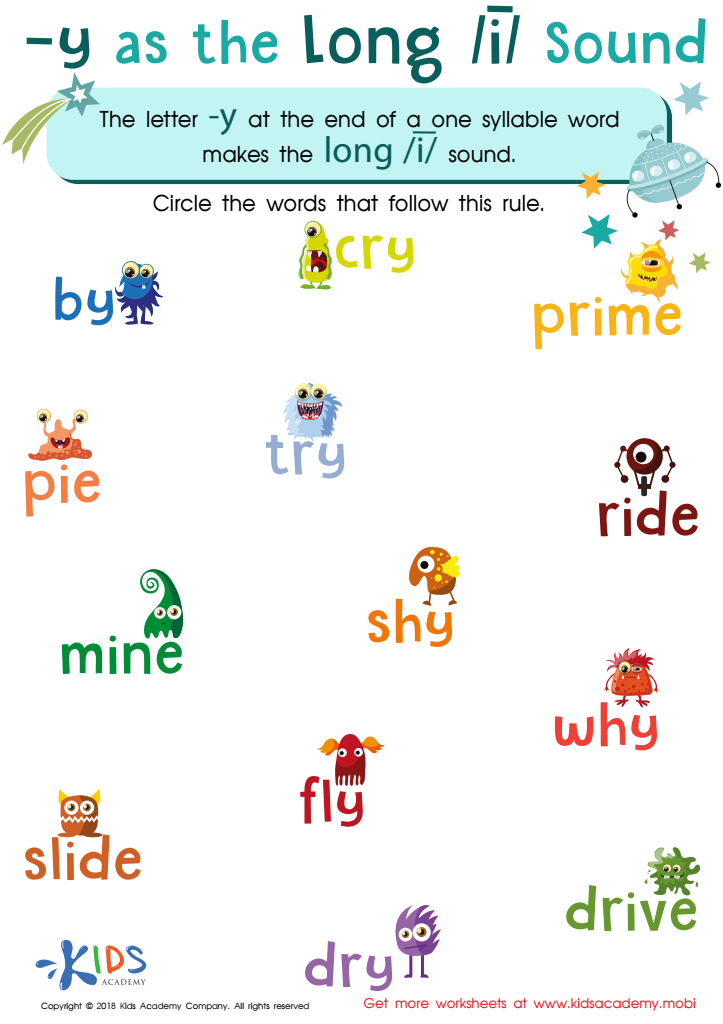
Reading: Y as Long I Worksheet




Vocabulary expansion is crucial for children aged 5-7, particularly regarding long and short vowels, as this stage forms the foundation of their reading and language skills. During these formative years, children are developing their ability to decode words and recognize sounds, making it essential for parents and teachers to focus on teaching both types of vowel sounds.
Long and short vowels are integral to phonemic awareness, which helps children understand the relationship between letters and sounds. Mastery of these concepts allows children to determine word meanings, aiding comprehension and effective communication. Moreover, a strong vocabulary benefits other areas of learning, as proficient readers are often more successful in all subjects.
Supporting vocabulary expansion through engaging activities, such as rhymes, songs, or flashcards, fosters a love for language and enhances cognitive development. Children who grasp the nuances of vowel sounds also become more confident readers and writers.
Involving parents in the process is equally vital; they can reinforce learning at home, creating a supportive environment. Overall, understanding and practicing long and short vowels lays the groundwork for future academic success, making it essential for teachers and parents to prioritize vocabulary development during these critical early years.