Hand-eye Coordination Phonics Worksheets for Ages 5-7
5 filtered results
-
From - To
Enhance your child's hand-eye coordination and phonics skills with our engaging worksheets designed specifically for ages 5-7. These printable resources blend fun activities with phonetic learning, making it easy for young learners to develop essential skills. Each worksheet incorporates techniques to improve dexterity while reinforcing letter recognition and phonetic sounds. Through exciting games and exercises, children will practice letter formation, sound identification, and more. Perfect for homes or classrooms, our Hand-eye Coordination Phonics Worksheets provide a comprehensive approach to early literacy, ensuring kids not only learn but also enjoy the process. Explore and watch your early learners thrive!
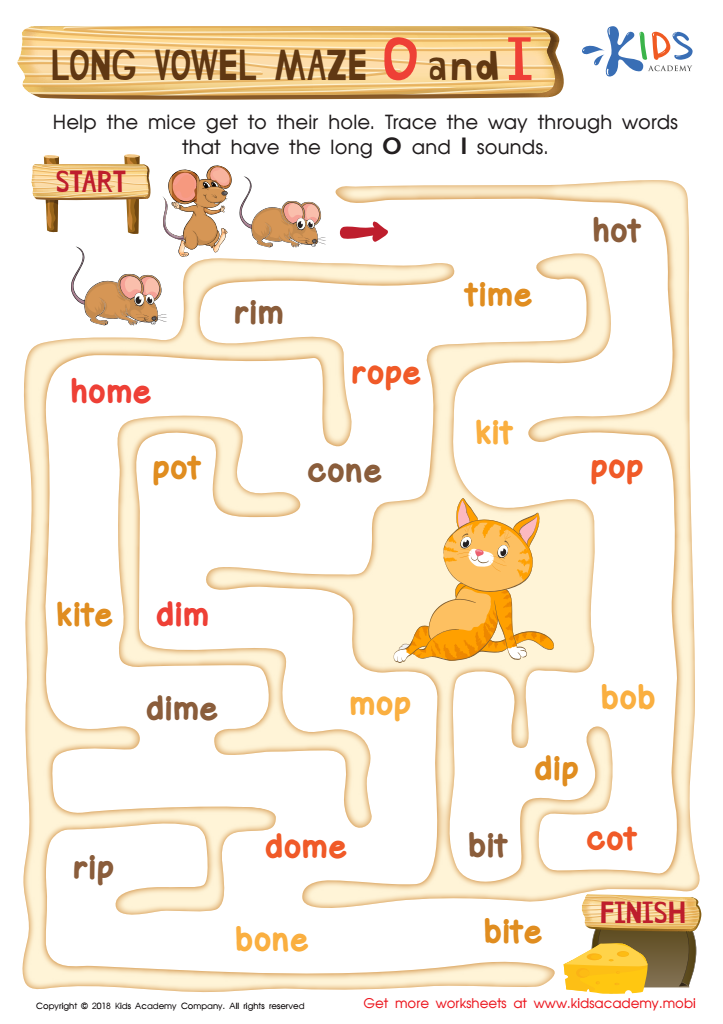
Long Vowel Maze /o/ and /i/ Worksheet
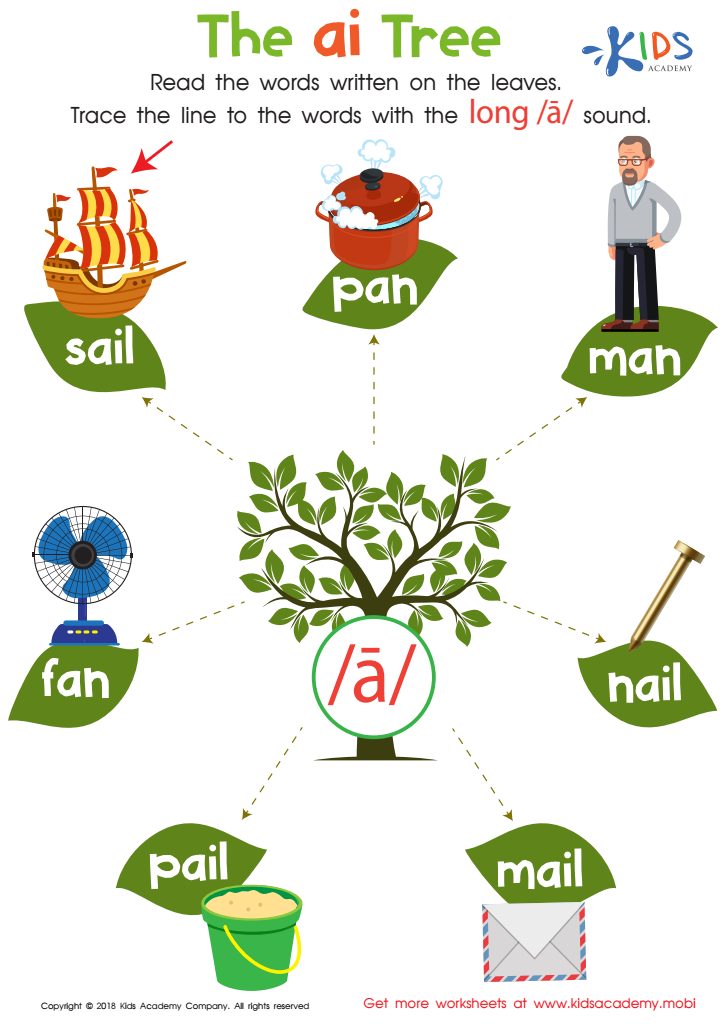
The AI Tree Worksheet
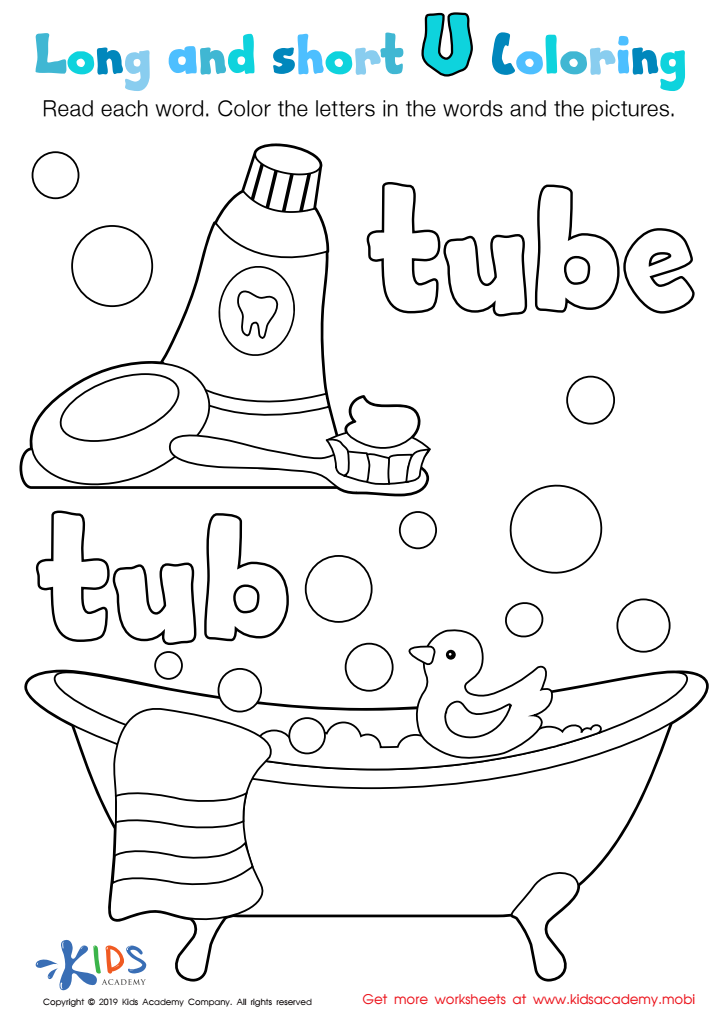
Long and Short U Worksheet
 Assign to My Students
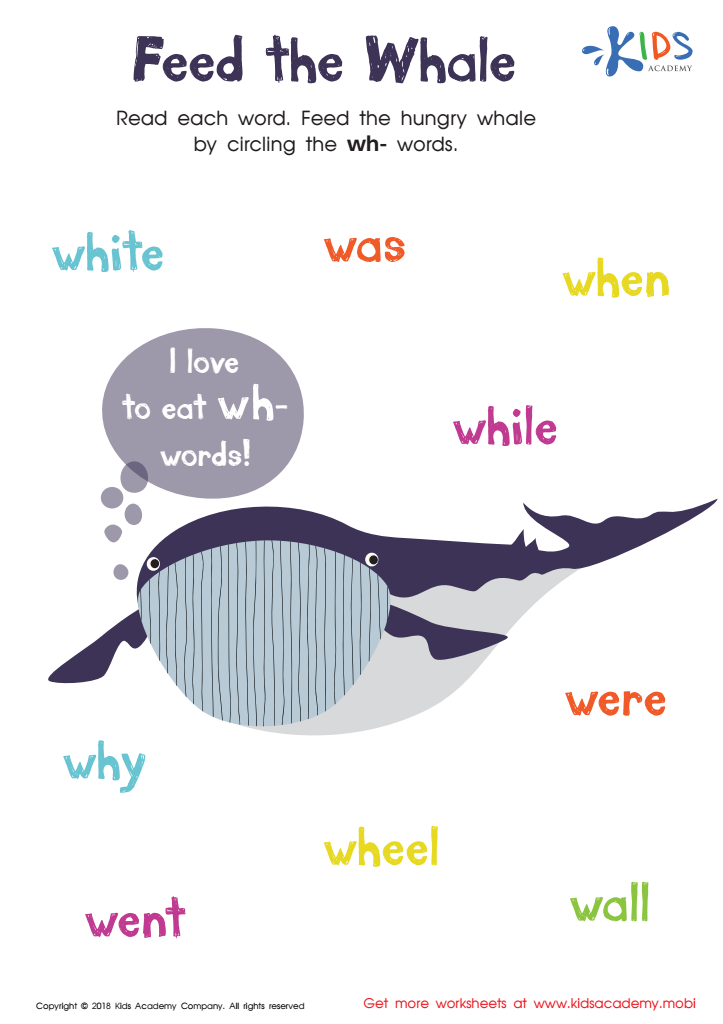
Feed the Whale Worksheet

Long and Short E Worksheet
Assign to My Students








Hand-eye coordination and phonics are crucial developmental skills for children aged 5-7, influencing their academic and physical abilities. First, hand-eye coordination plays a vital role in a child’s ability to perform tasks that require precision, such as writing, cutting, and even playing sports. As children learn to control their movements, they build confidence in their motor skills, which enhances their overall learning experience.
Phonics, on the other hand, is foundational for reading literacy. Understanding phonetic principles helps children decode words, making the transition from spoken language to written text smoother. When hand-eye coordination is combined with phonics activities—such as tracing letters or recognizing words in a game format—it reinforces learning and keeps children engaged.
By focusing on both areas, parents and teachers create a supportive learning environment that nurtures cognitive and motor skills simultaneously. Strong hand-eye coordination and phonics skills foster a sense of achievement, paving the way for academic success in reading and writing. When children master these fundamental skills, they are better equipped to tackle more complex concepts in the future, becoming confident, resourceful learners. Therefore, it's imperative for adults to prioritize these important skills in early education.







