Handwriting practice Phonics Worksheets for Ages 5-7
5 filtered results
-
From - To
Enhance your child’s handwriting skills with our engaging Phonics Worksheets designed specifically for ages 5-7! Our carefully crafted resources combine handwriting practice with phonics learning, ensuring that young learners develop strong writing and reading foundations. Each worksheet features fun activities that involve traceable letters, sight words, and phonetically-themed exercises, keeping instruction both effective and enjoyable. Ideal for parents and teachers, these worksheets not only improve penmanship but also reinforce essential phonics concepts. Download our handwriting practice phonics worksheets today and watch your child become confident in their writing abilities while mastering the building blocks of literacy!
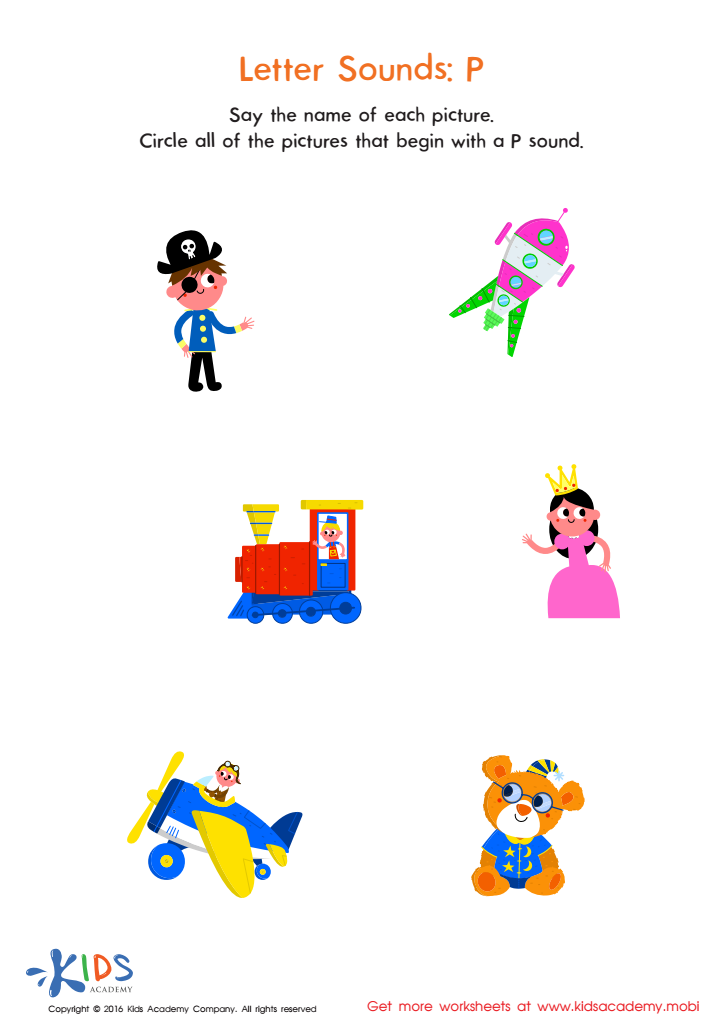
Letter P Sound Worksheet
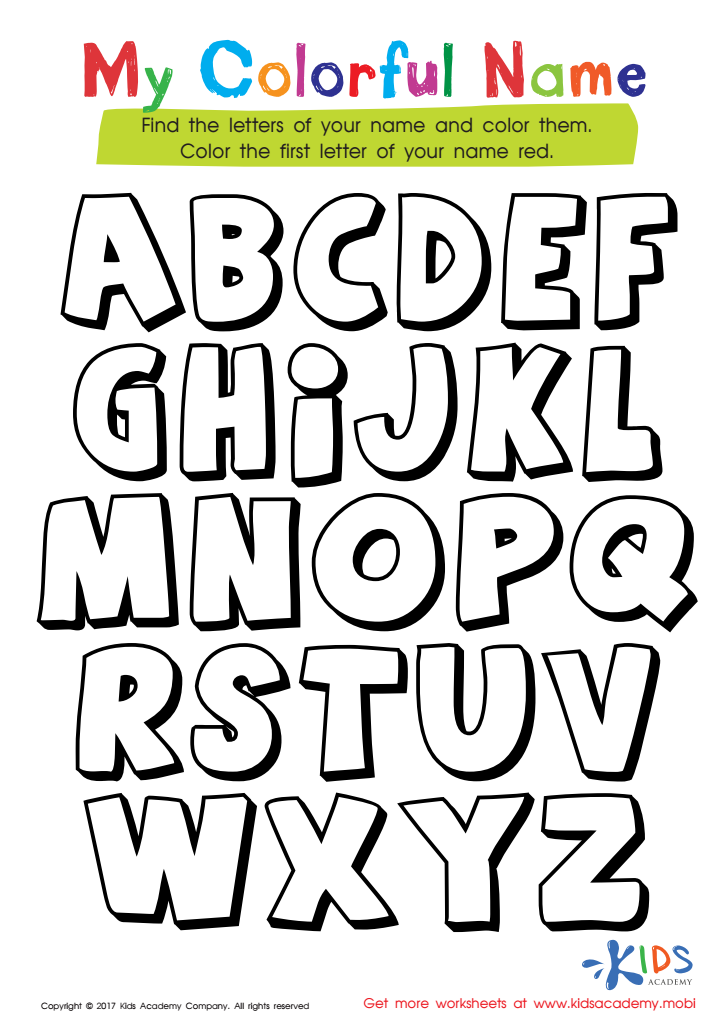
My Colorful Name Worksheet
 Assign to My Students
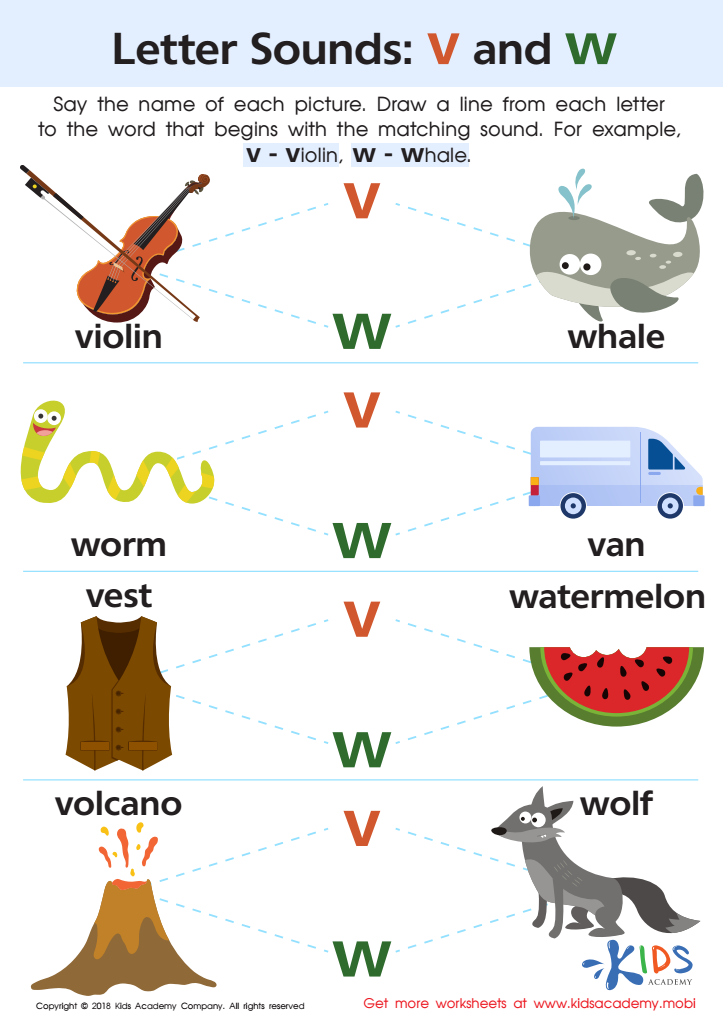
Letter V and W Sounds Worksheet
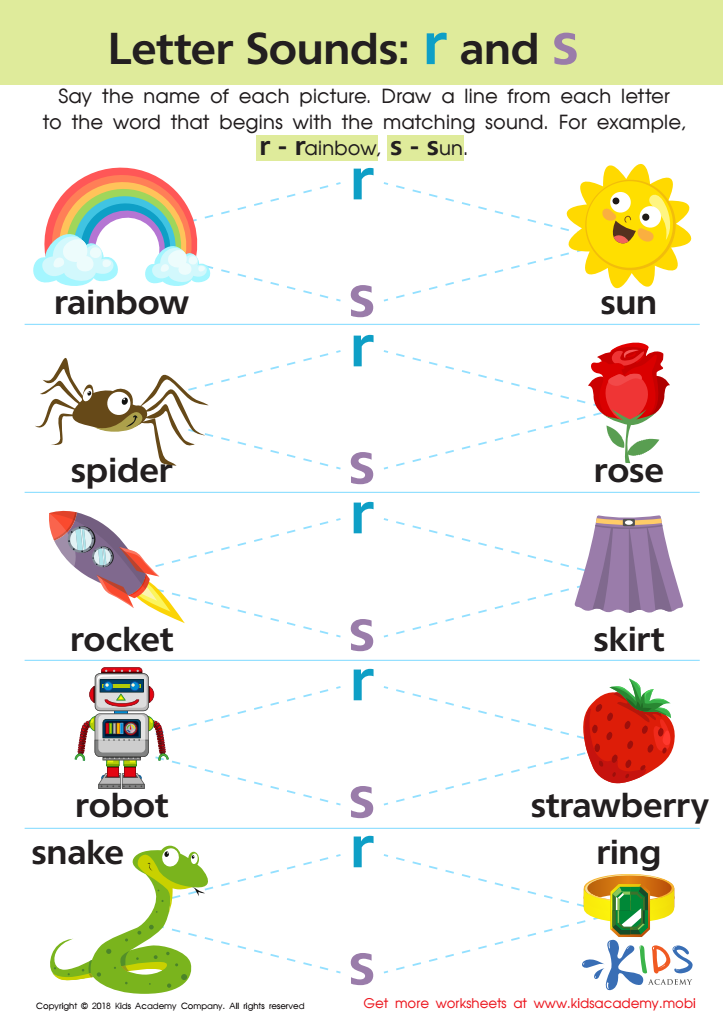
Letter R and S Sounds Worksheet
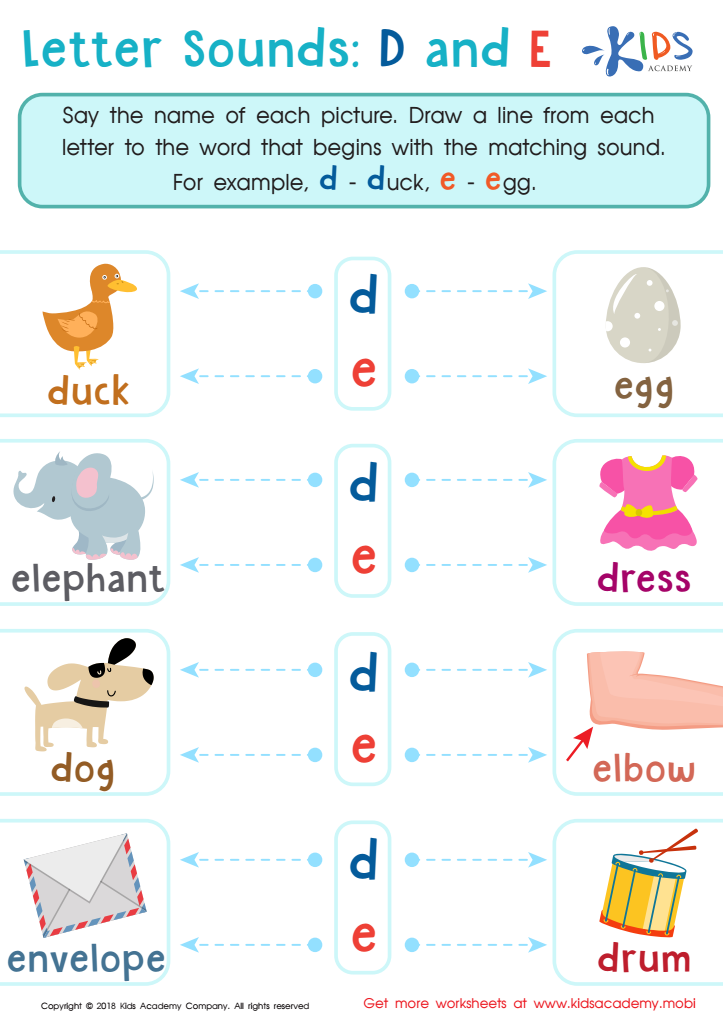
Letter D and E Sounds Worksheet








Handwriting practice integrated with phonics is essential for children aged 5-7 for several reasons. Firstly, early handwriting skills form the foundation for effective communication. By developing fine motor skills through writing, children gain confidence in their ability to express themselves in writing, reinforcing what they've learned in phonics.
Phonics is a critical aspect of literacy, teaching children the relationship between sounds and letters. When children practice writing letters, they simultaneously reinforce their phonics knowledge, solidifying their understanding of how letters correspond to sounds. This multisensory approach—combining auditory, visual, and kinesthetic learning—enhances memory retention and overall literacy.
Moreover, strong handwriting skills contribute to academic success. Children who can write clearly and legibly are often more willing to share their work and ideas, resulting in higher engagement and participation across subjects.
Additionally, regular handwriting practice fosters focus and cognitive processing. It encourages children to slow down, think critically about letters and sounds, and reinforce patterns in spelling and reading.
Parents and teachers invested in these combined practices provide a well-rounded educational experience, ensuring children have the tools they need to thrive in their academic journeys and beyond.







