Letter Tracing Practice Tracing Letters Worksheets for Ages 5-7
5 filtered results
-
From - To
Introducing our "Letter Tracing Practice: Tracing Letters Worksheets for Ages 5-7" – the perfect resource for young learners to master their ABCs! These engaging and educational worksheets are designed to help children develop fine motor skills, hand-eye coordination, and early writing proficiency. By tracing both uppercase and lowercase letters, kids can build a strong foundation in letter recognition and formation. Each worksheet offers fun, interactive exercises that make learning enjoyable and effective. Ideal for classroom or home use, our letter tracing practice ensures your child confidently navigates the exciting journey of writing. Start tracing today and watch your child's skills soar!
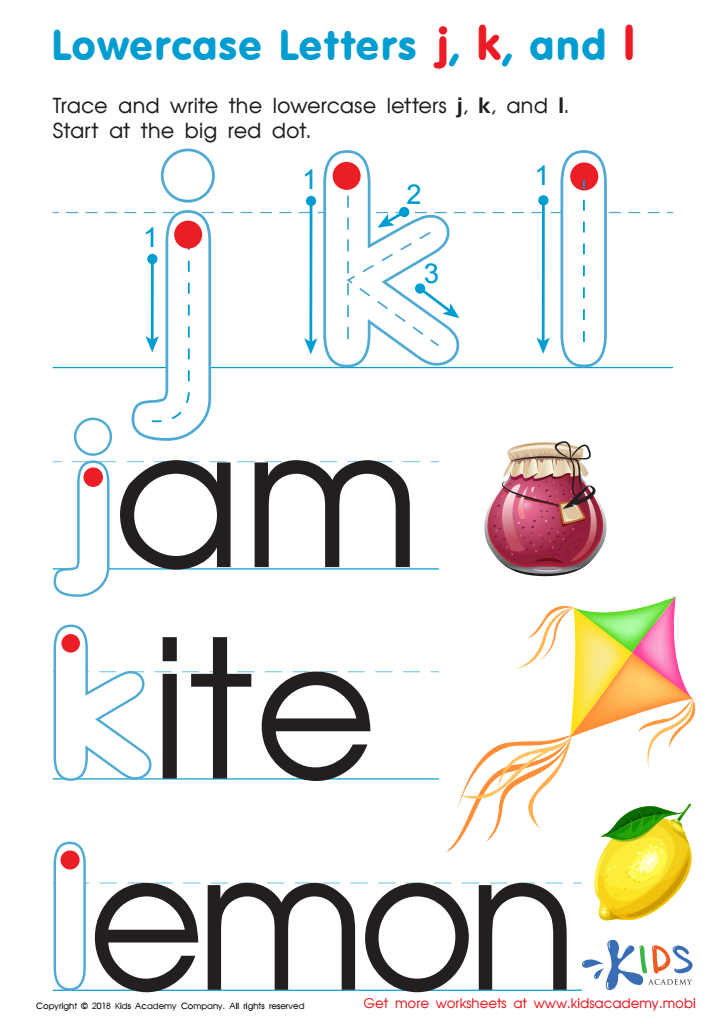
Lowercase Letters j k l Worksheet
 Assign to My Students
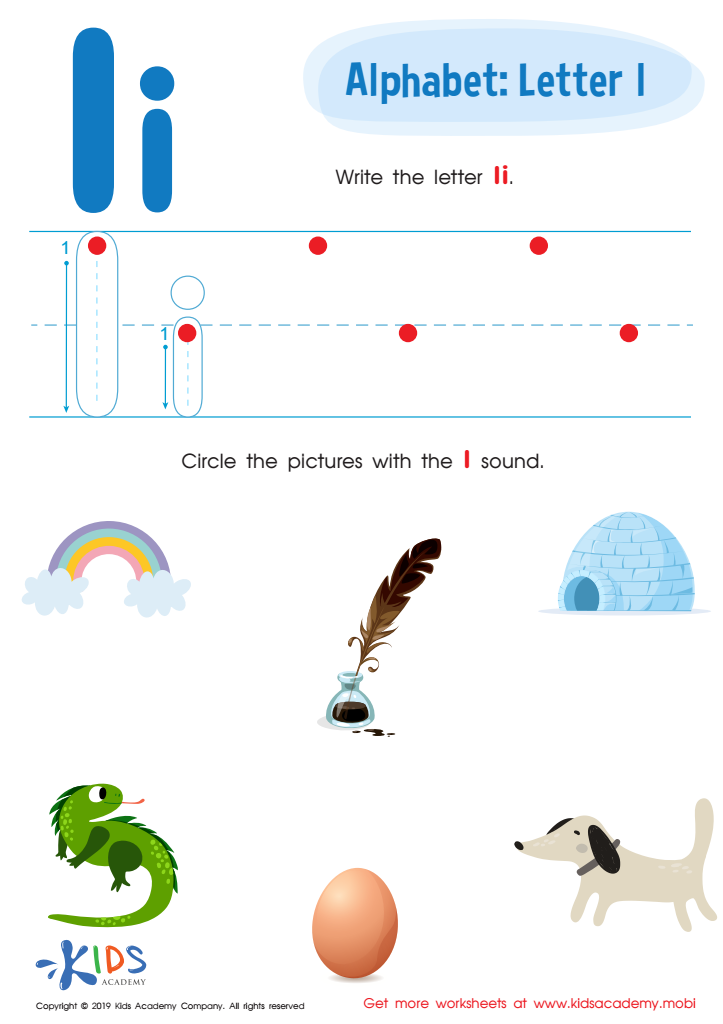
Letter I Tracing Worksheet
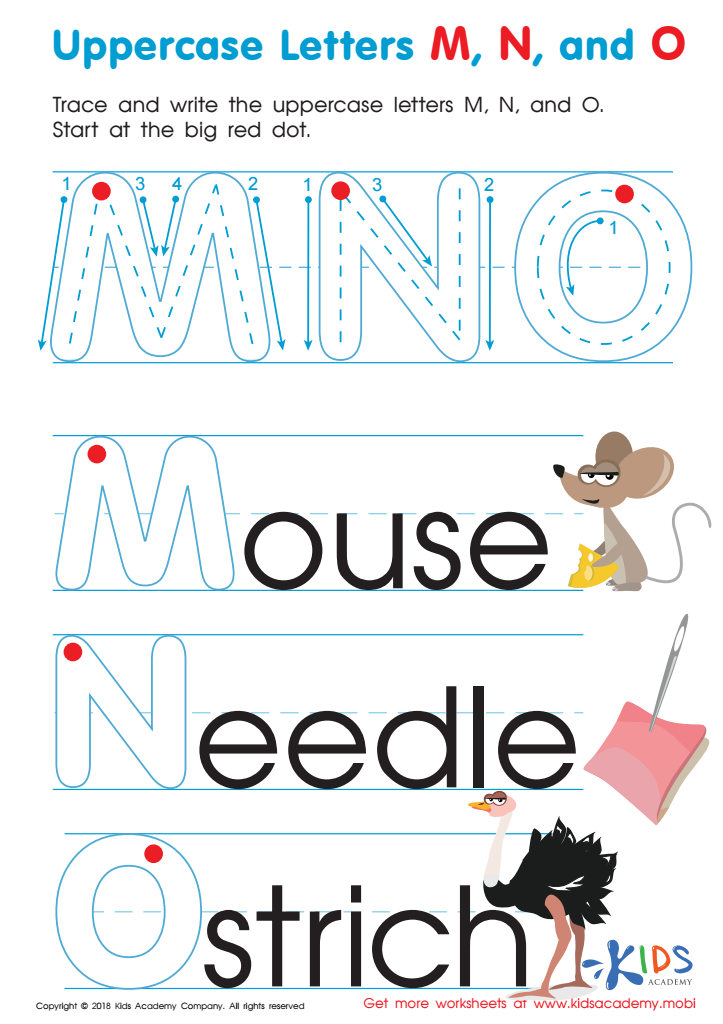
Uppercase Letters M, N, and O Worksheet
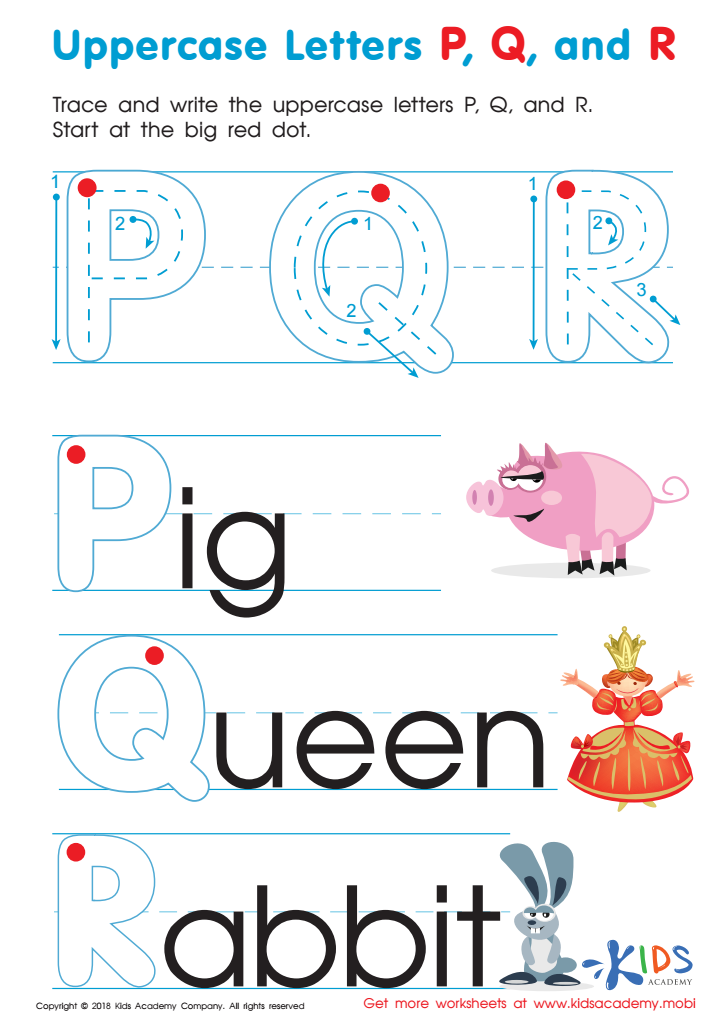
Uppercase Letters P, Q, and R Worksheet
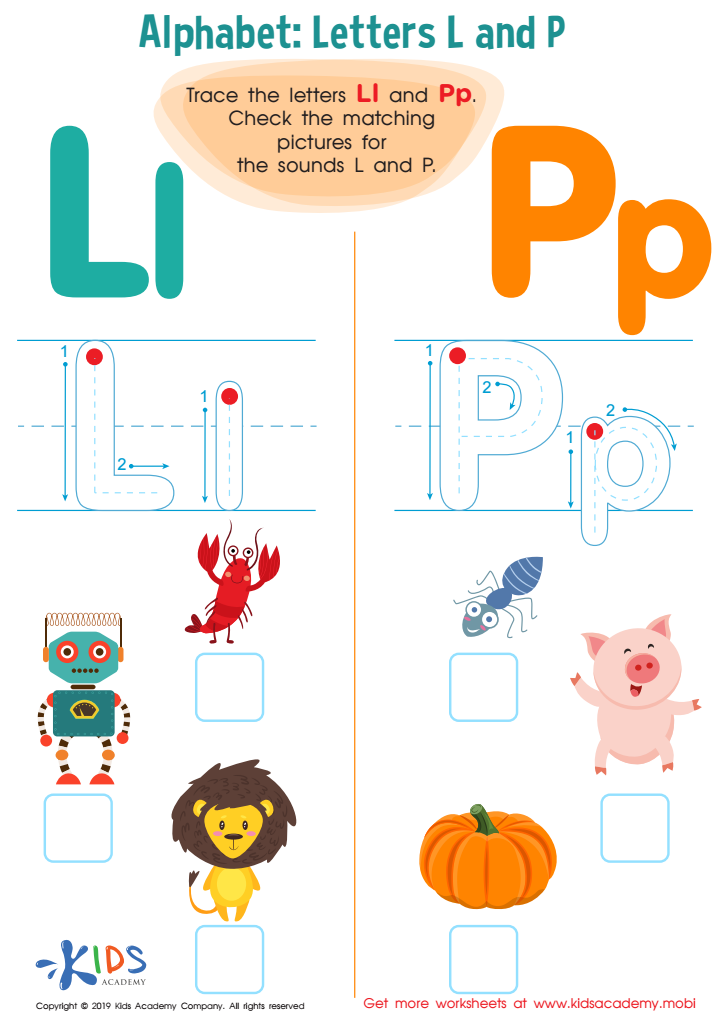
Letter L and P Tracing Worksheet







Letter tracing practice for children ages 5-7 is crucial for several reasons. Firstly, it lays a strong foundation for literacy development. This age is a formative period when kids are most receptive to learning how to read and write. Tracing helps them understand the shapes and forms of letters, making it easier for them to recognize and reproduce them independently later.
Secondly, letter tracing aids in the development of fine motor skills, particularly hand-eye coordination and pencil grip. As children trace letters, they strengthen the small muscles in their hands that are essential for writing legibly and efficiently.
Furthermore, letter tracing supports cognitive development. It teaches children patterns and sequences, helping them follow directions and stay focused on a task. These skills are important for academic success and daily functioning.
Emotionally, consistent practice builds confidence. As children see their progress, they feel a sense of accomplishment, encouraging a positive attitude toward learning.
By integrating letter tracing into early education, parents and teachers can give children a valuable head start in their educational journey, ensuring they acquire the essential skills needed for more complex literacy tasks. This foundational practice truly sets the stage for lifelong learning and success.








