Word Recognition Two Letter Phonics Worksheets for Ages 5-7
6 filtered results
-
From - To
Boost your child's reading skills with our Word Recognition Two Letter Phonics Worksheets, perfect for ages 5-7. These engaging worksheets focus on early literacy by introducing short and simple two-letter words, helping young learners build a solid phonemic foundation. Designed to enhance word recognition, each activity combines fun illustrations with interactive exercises, reinforcing the connection between letters and sounds. Ideal for preschool, kindergarten, or at-home learning, our worksheets offer a crucial stepping stone towards fluent reading. Download today from Kids Academy and watch your little one confidently begin their reading journey!
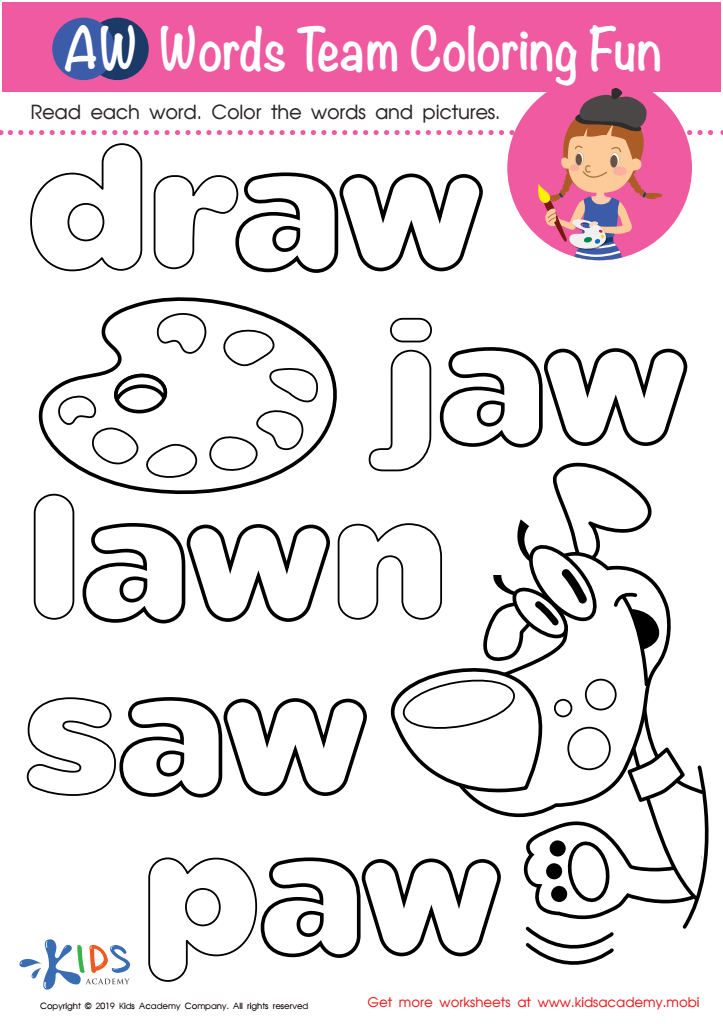
AW Words Team Coloring Fun Worksheet
 Assign to My Students
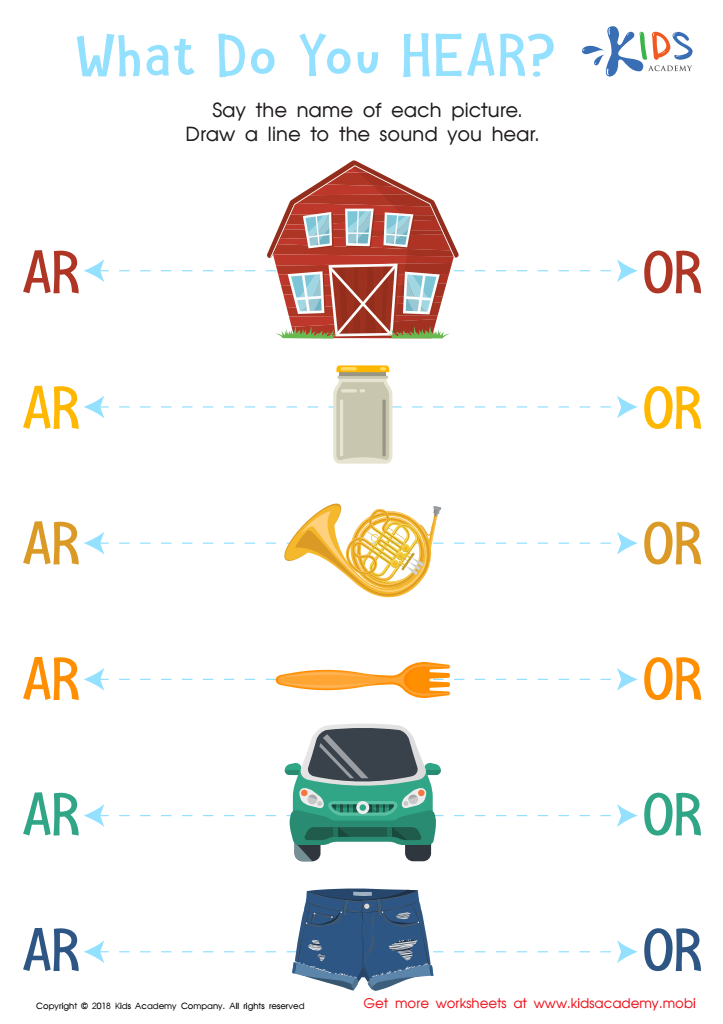
What do you hear Worksheet
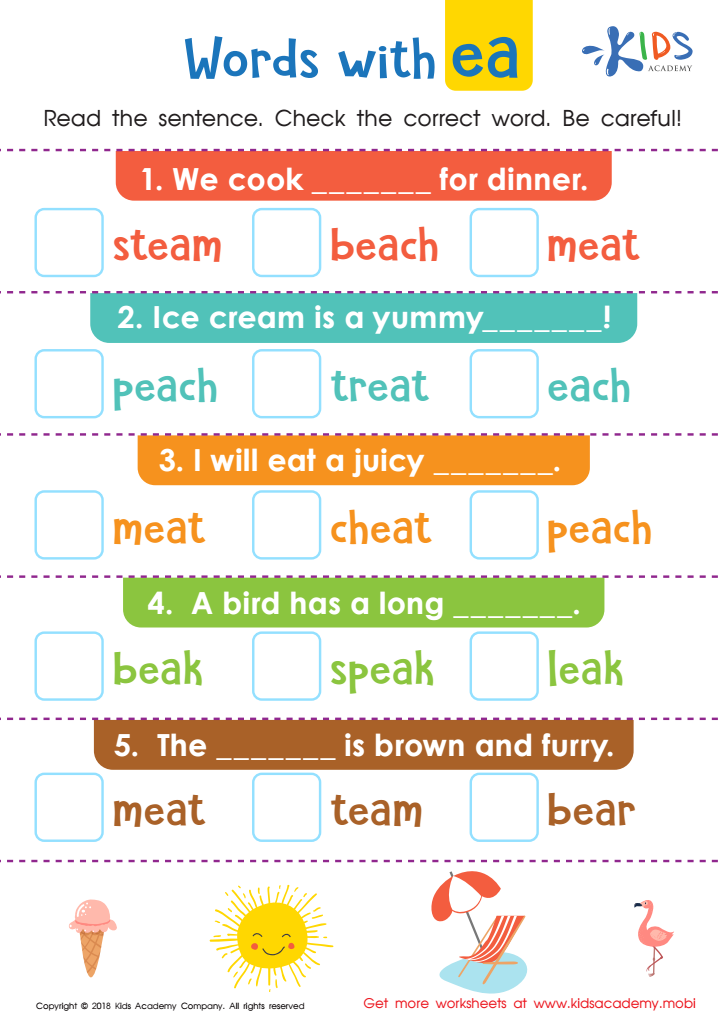
Words with ea Worksheet
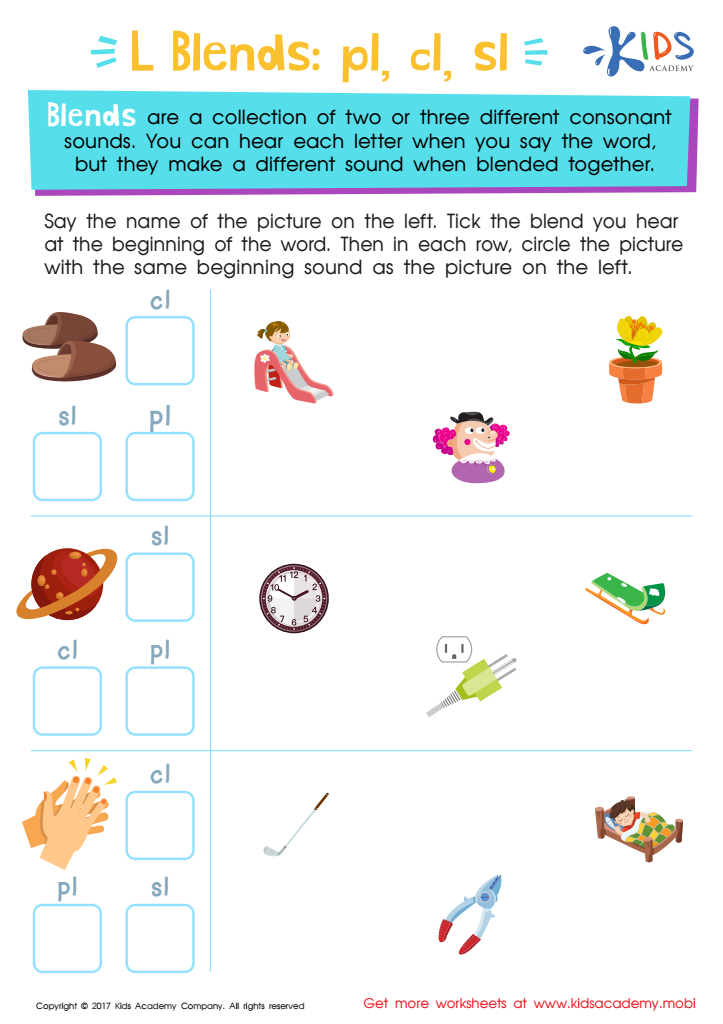
L Blends: "Pl", "Cl" and "Sl" Printable
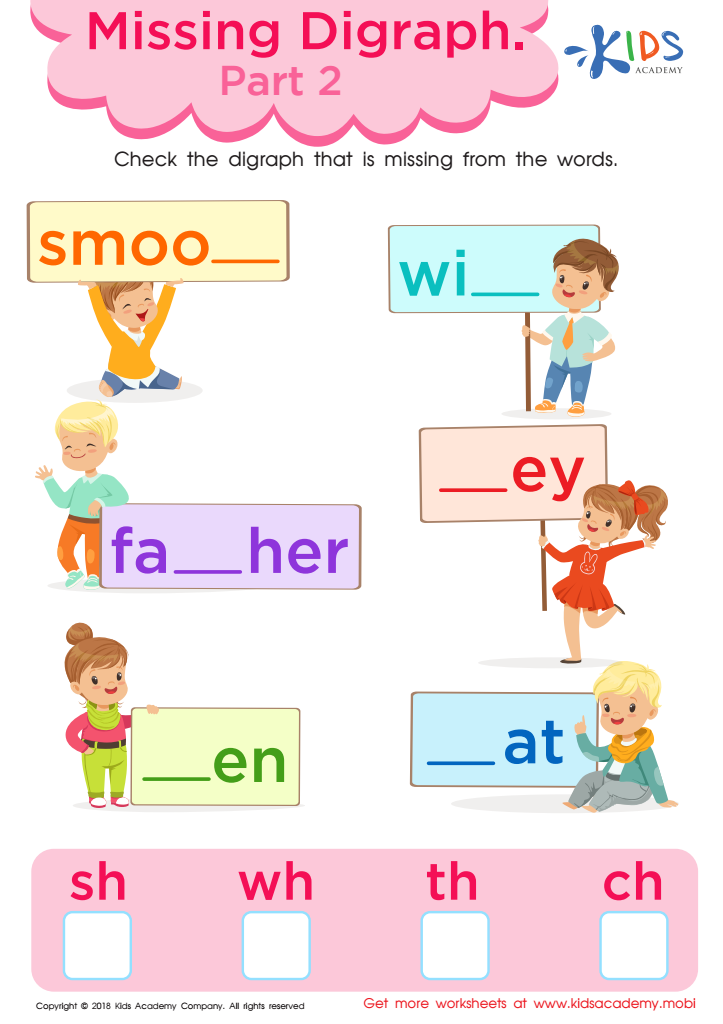
Missing Digraph: Part 2 Worksheet
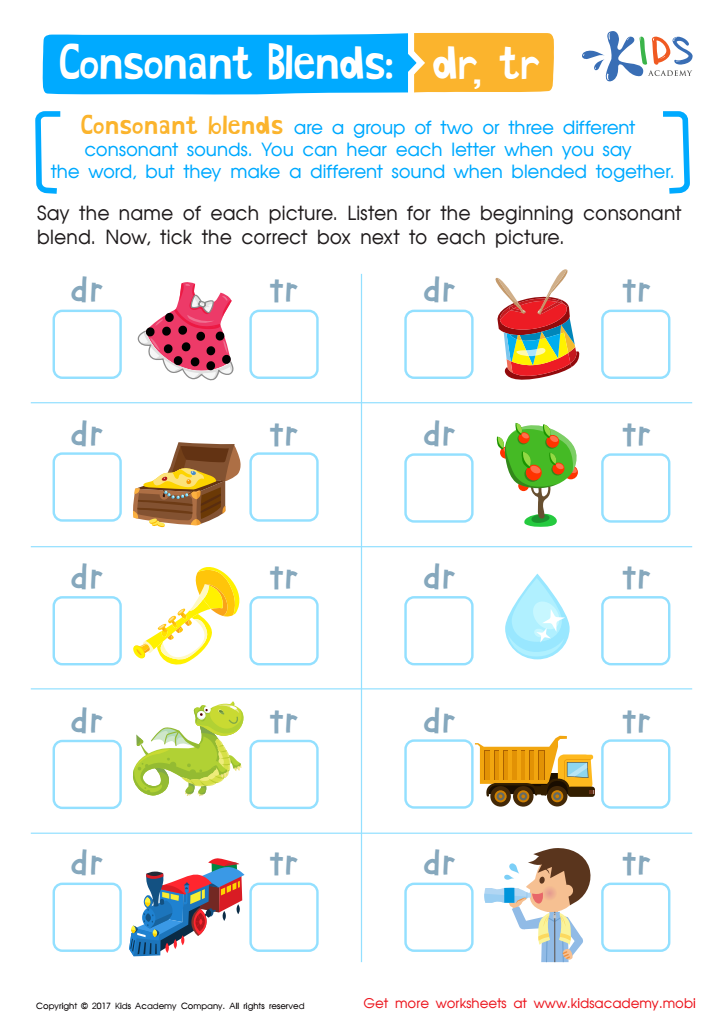
Consonant Blends: "Dr" and "Tr" Printable



Word recognition and phonics are the foundational building blocks for reading and literacy development in children ages 5-7. Focusing on two-letter phonics combinations, such as “at,” “it,” “in,” and “up,” provides a critical bridge between recognizing individual letters and understanding whole words. Mastery of these basic phonemic pairs enhances a child's ability to decode words quickly, bolstering their reading fluency and comprehension skills.
Early competence in phonics promotes confidence, turning what can be a challenging task into an enjoyable learning experience. The ability to effortlessly recognize two-letter combinations forms neural pathways in the brain that contribute to overall cognitive development, language acquisition, and communication skills. These early accomplishments set the stage for more complex learning tasks down the road.
Furthermore, children who develop strong word recognition skills are more likely to become enthusiastic readers, opening doors to endless worlds of knowledge and imagination. Consistent practice in phonics also equips children with strategies to tackle new and unfamiliar words independently, giving them a toolset they can rely on throughout their education.
In essence, dedicating effort to teaching two-letter phonics is not just about helping a child read; it’s about investing in their future academic success and their holistic development as lifelong learners.







