Chess knowledge Chess Worksheets for Ages 5-7
3 filtered results
-
From - To
Discover the joy of chess with our engaging Chess Knowledge Worksheets designed specifically for children aged 5-7. These fun and interactive worksheets aim to introduce young learners to the essential concepts and rules of chess while fostering strategic thinking and problem-solving skills. Each worksheet features colorful illustrations and age-appropriate activities, making learning enjoyable and accessible. From identifying chess pieces to understanding basic moves, our resources are perfect for classroom settings or home learning. Equip your child with valuable cognitive skills through chess and inspire a lifelong love for this timeless game. Explore our collection today and watch your child's confidence grow!
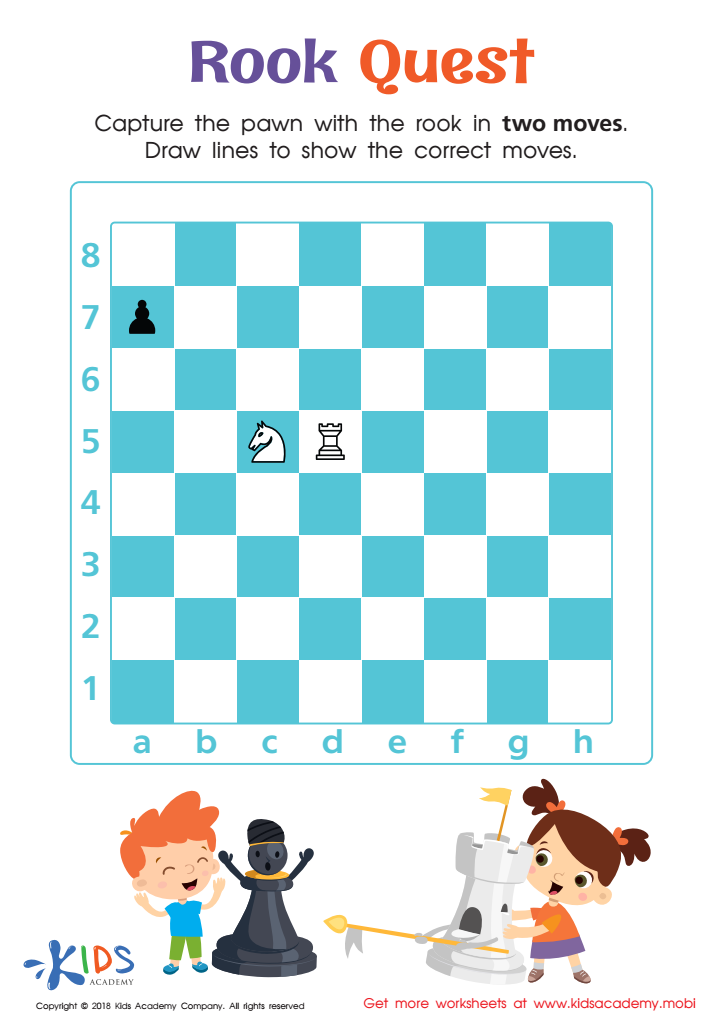
Rook Quest Worksheet
 Assign to My Students
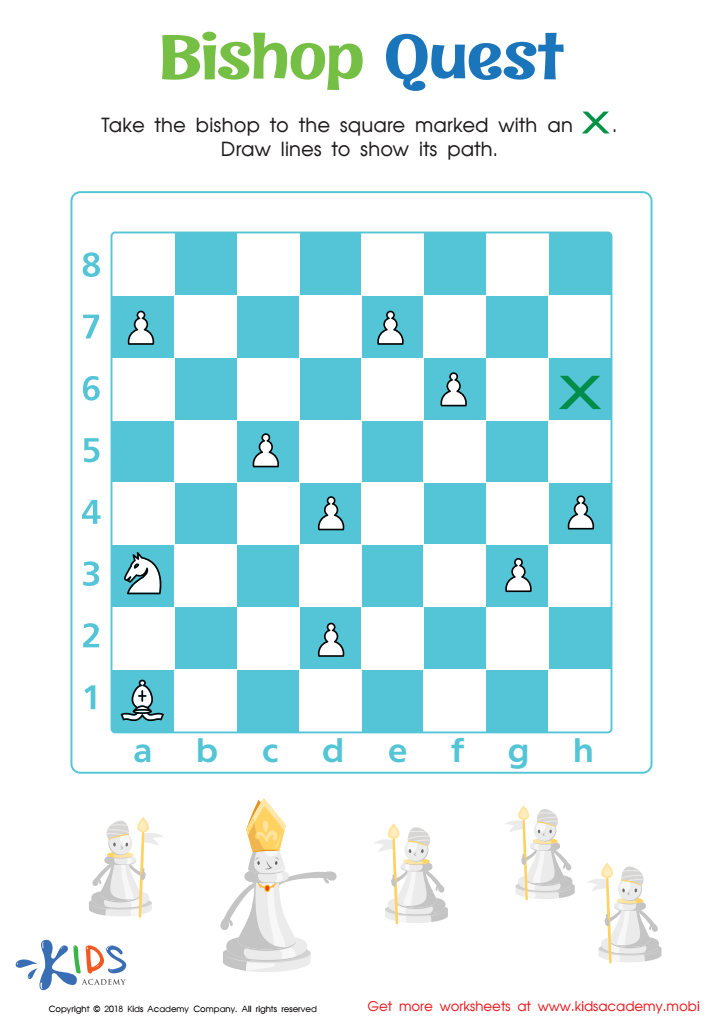
Bishop Quest Worksheet
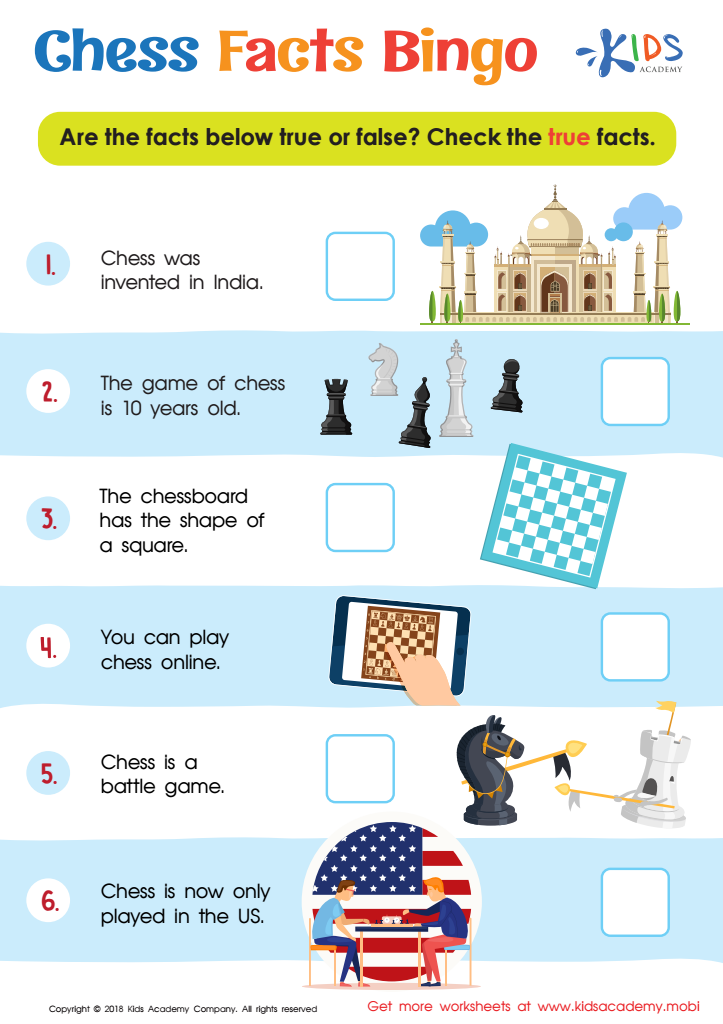
Chess Facts Bingo Worksheet







Chess is an invaluable tool for the cognitive and social development of children aged 5-7. At this formative stage, engaging in chess promotes critical thinking and problem-solving skills. The game encourages kids to think ahead, evaluate their options, and make strategic decisions—all skills that translate well into academic achievements.
Moreover, chess enhances concentration and patience. Children learn to focus on the game while managing their impulses to act quickly, fostering emotional regulation. This discipline can lead to improved performance in other subjects, such as math and language arts.
Beyond cognitive benefits, chess also encourages essential social skills. Playing with peers teaches teamwork, sportsmanship, and resilience, as children learn to cope with winning and losing gracefully. Additionally, it can serve as an engaging, inclusive activity that helps bridge gaps between different social groups.
Parents and teachers who encourage chess expose children to a world of creativity and imagination, as they explore various strategies and scenarios during gameplay. Ultimately, integrating chess into educational settings can provide a fun, enriching experience that contributes to well-rounded personal and intellectual growth. Investing in chess knowledge is investing in a child's future, equipping them with tools they will use long after they leave the chessboard.