Alphabet Recognition English for Beginners Worksheets for Ages 5-7 - Page 2
32 filtered results
-
From - To
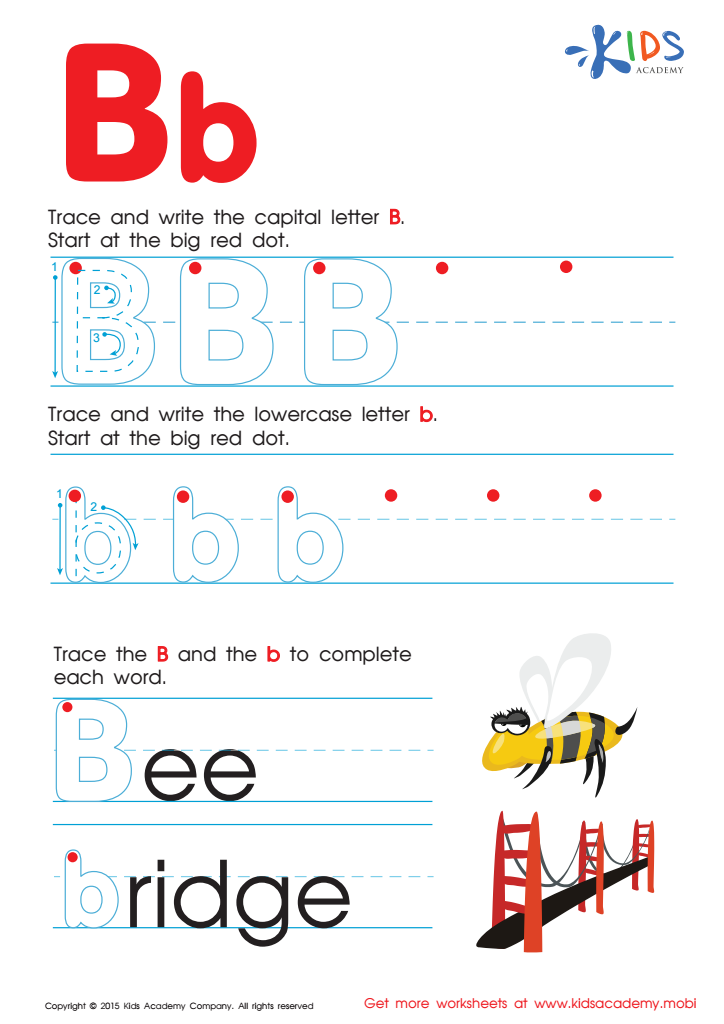
Letter B Tracing Page
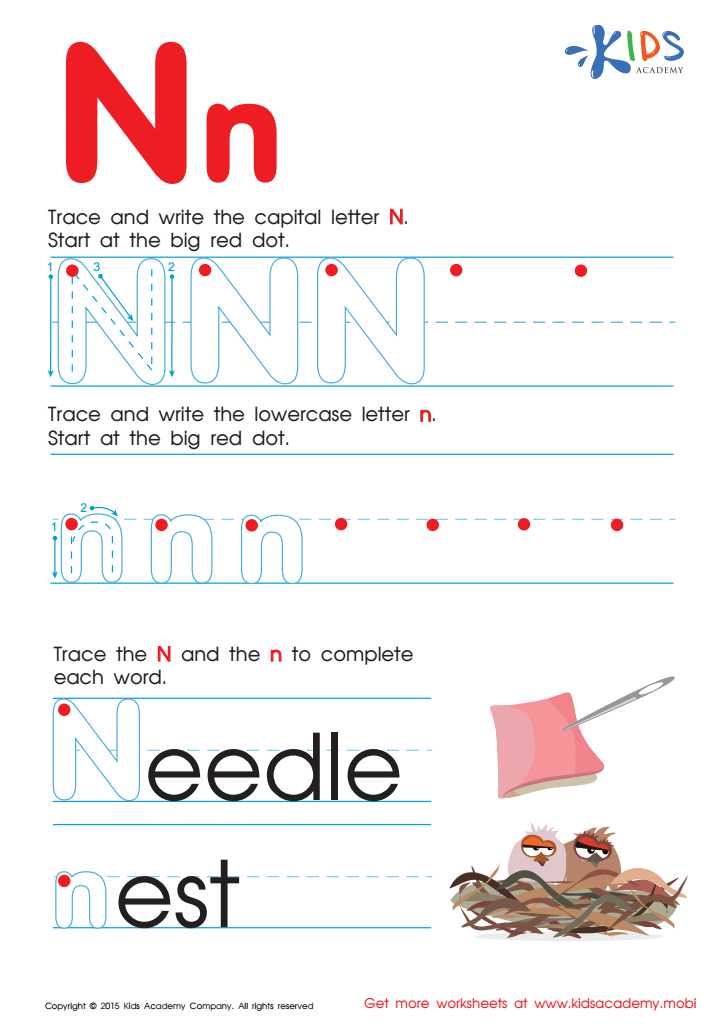
Letter N Tracing Page
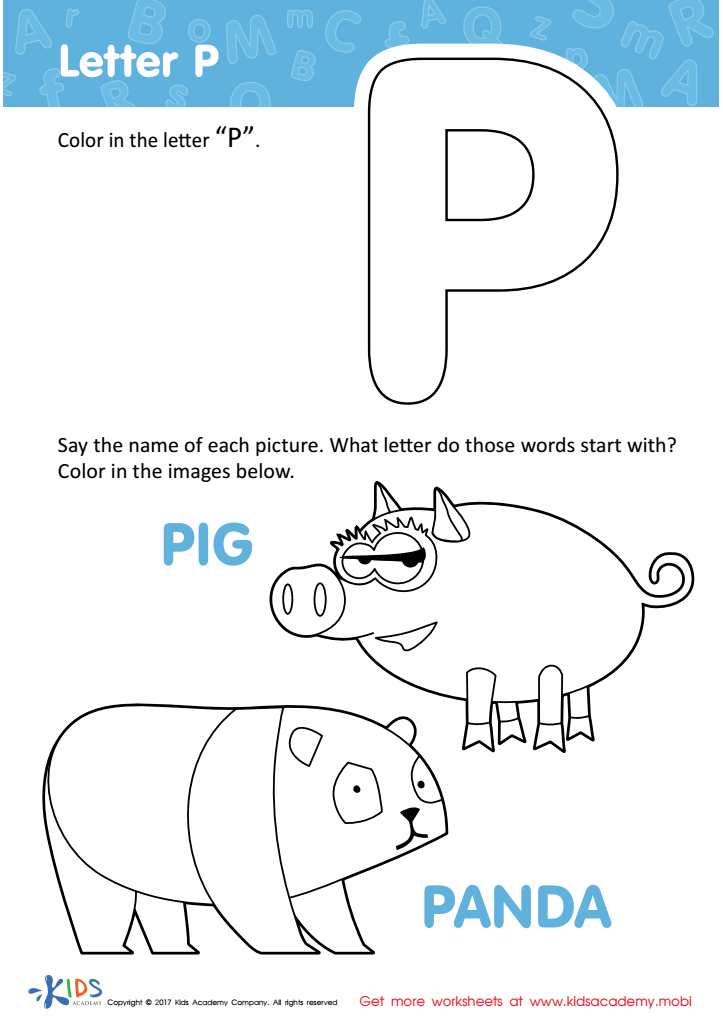
Letter P Coloring Sheet
 Assign to My Students

Letter E Tracing Page
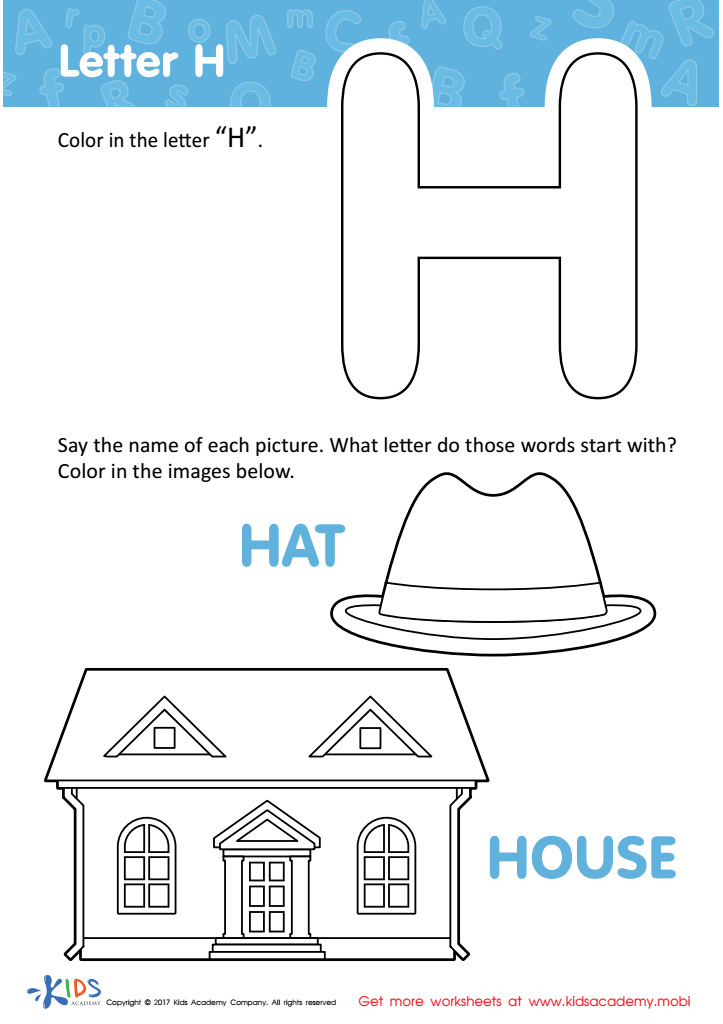
Letter H Coloring Sheet
Assign to My Students
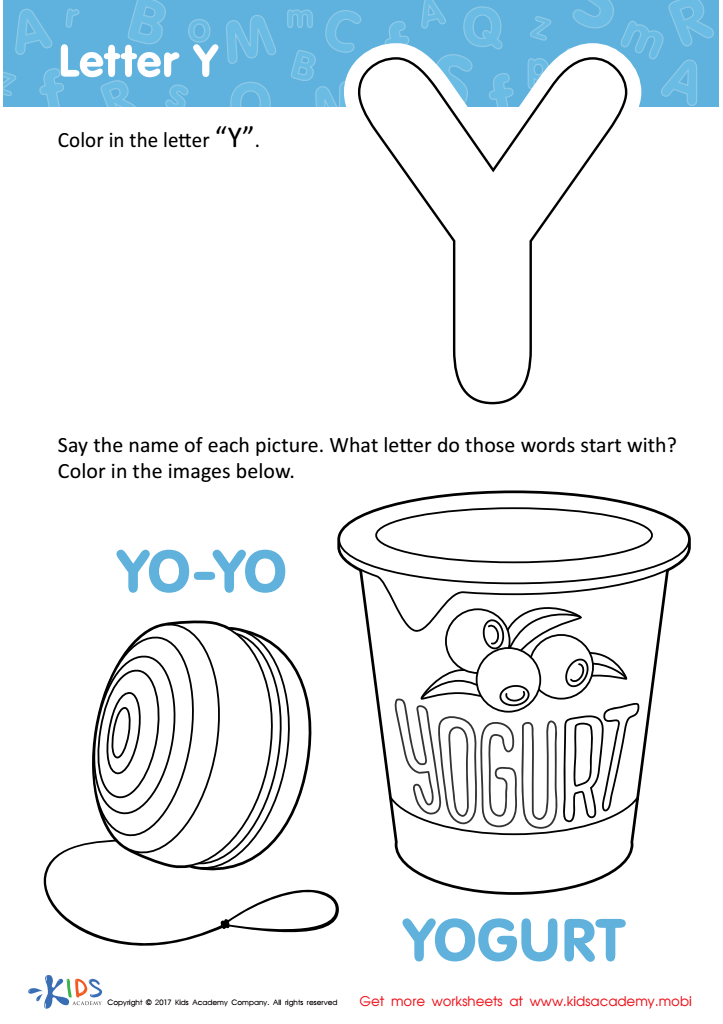
Letter Y Coloring Sheet
Assign to My Students

Letter F Coloring Sheet
Assign to My Students
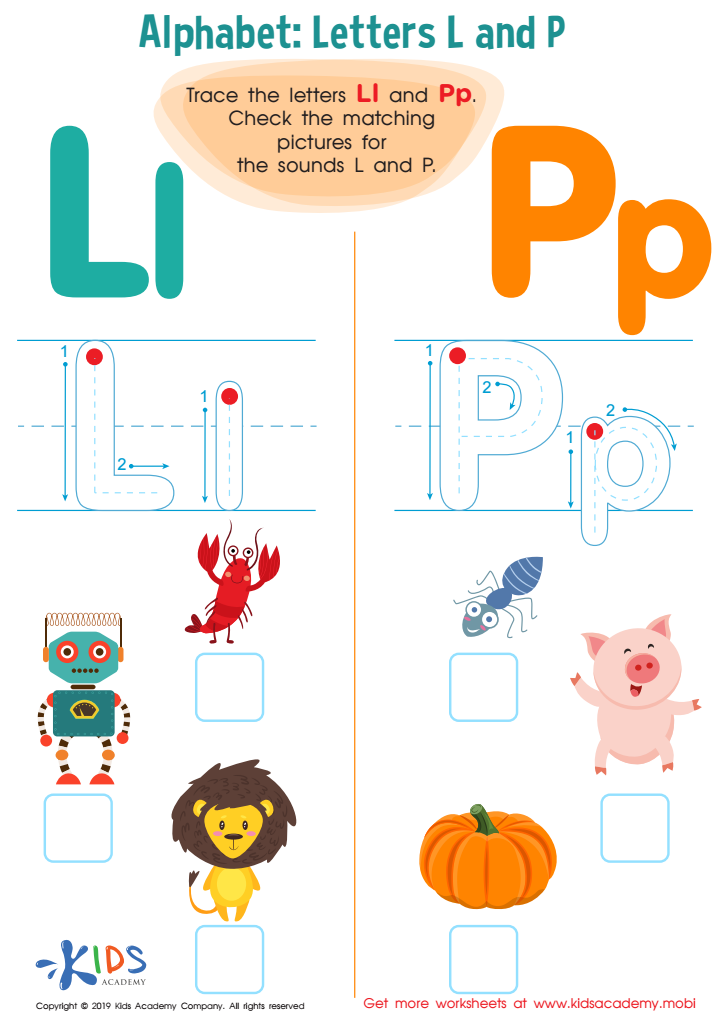
Letter L and P Tracing Worksheet





Alphabet recognition is a foundational skill critical to children's early literacy development for youngsters aged 5 to 7. At this pivotal stage, understanding the alphabet acts as a key building block for more advanced language skills, enabling children to read, spell, and write effectively.
Parents and teachers should prioritize alphabet recognition because it directly supports phonemic awareness, allowing children to connect letters with their corresponding sounds. This connection is vital as it aids in decoding words, fostering more fluent reading and richer comprehension skills as children advance in their education. This early capability often translates to higher academic achievement in later grades.
Moreover, strong alphabet knowledge enhances children's ability to express their thoughts and ideas in writing. By distinguishing and using different letters, children can begin to form meaningful words and sentences, which are crucial for effective communication.
Learning the alphabet can also boost a child’s confidence and enthusiasm towards education. A sense of mastery in recognizing and using letters can make learning enjoyable and encourage a positive attitude towards schooling.
In summary, prioritizing alphabet recognition in early education provides the essential tools for literacy, encourages academic success, supports effective communication, and lays a solid foundation for a love of learning.