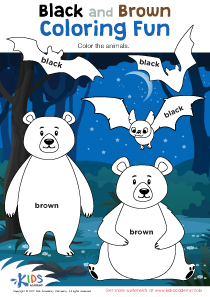
Hand-eye Coordination English for Beginners Worksheets for Ages 5-7
15 filtered results
-
From - To
Discover our engaging Hand-eye Coordination English for Beginners Worksheets for ages 5-7, designed to seamlessly blend language learning with essential motor skills development. These fun and interactive activities help young learners improve their English vocabulary, comprehension, and handwriting while enhancing their hand-eye coordination. Perfect for ESL students, each worksheet offers colorful and captivating exercises that keep kids motivated and eager to learn. Supporting both classroom and home use, our printables provide an enjoyable learning experience that fosters critical language abilities and foundational skills necessary for academic success. Start their journey towards fluent English and strong motor skills today!
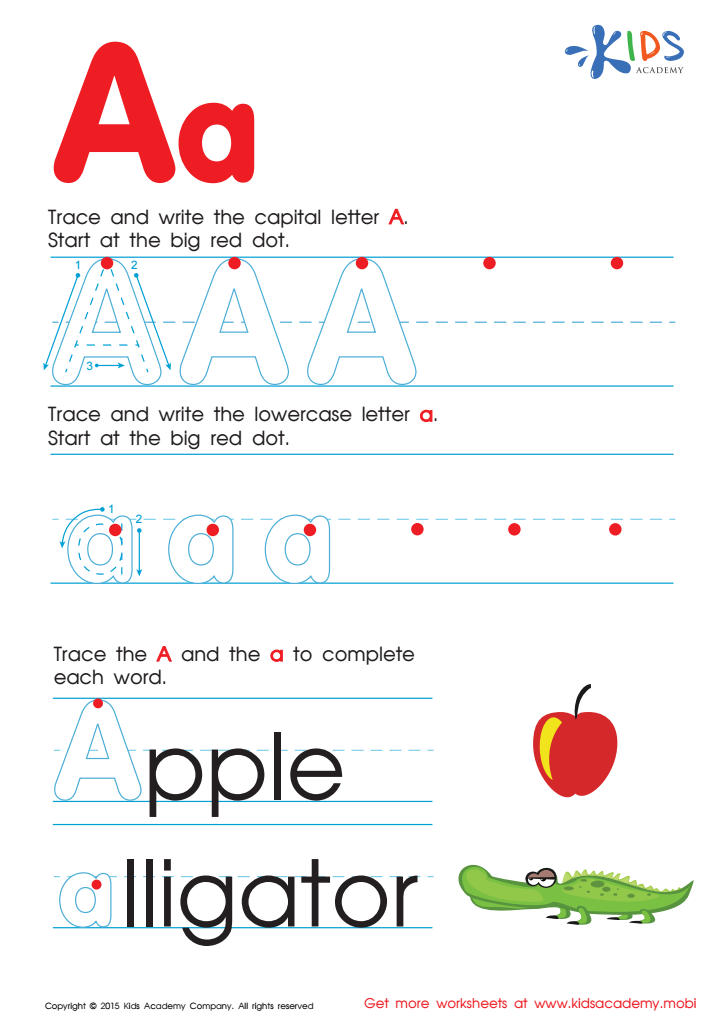
Letter A Tracing Page
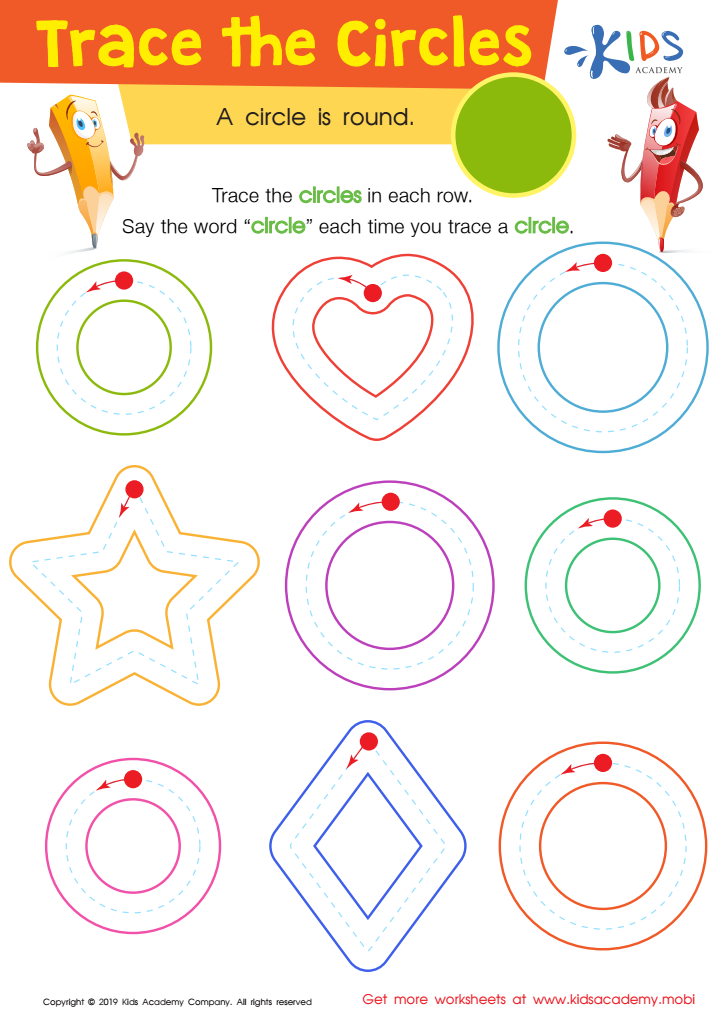
Trace The Circles Worksheet
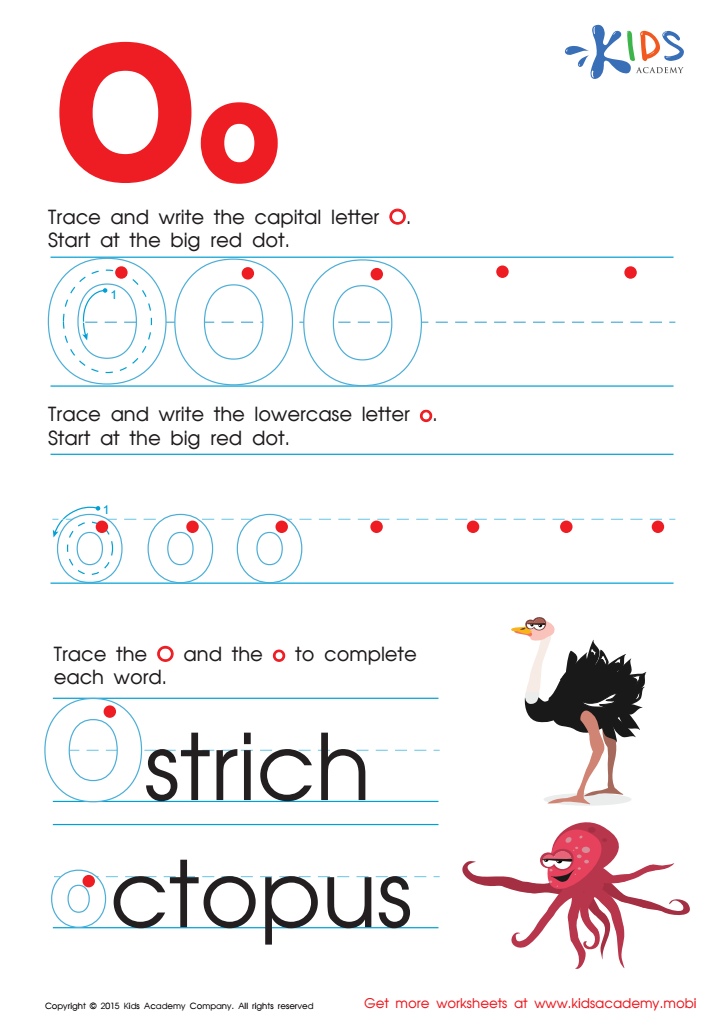
Letter O Tracing Page

Letter P Tracing Page
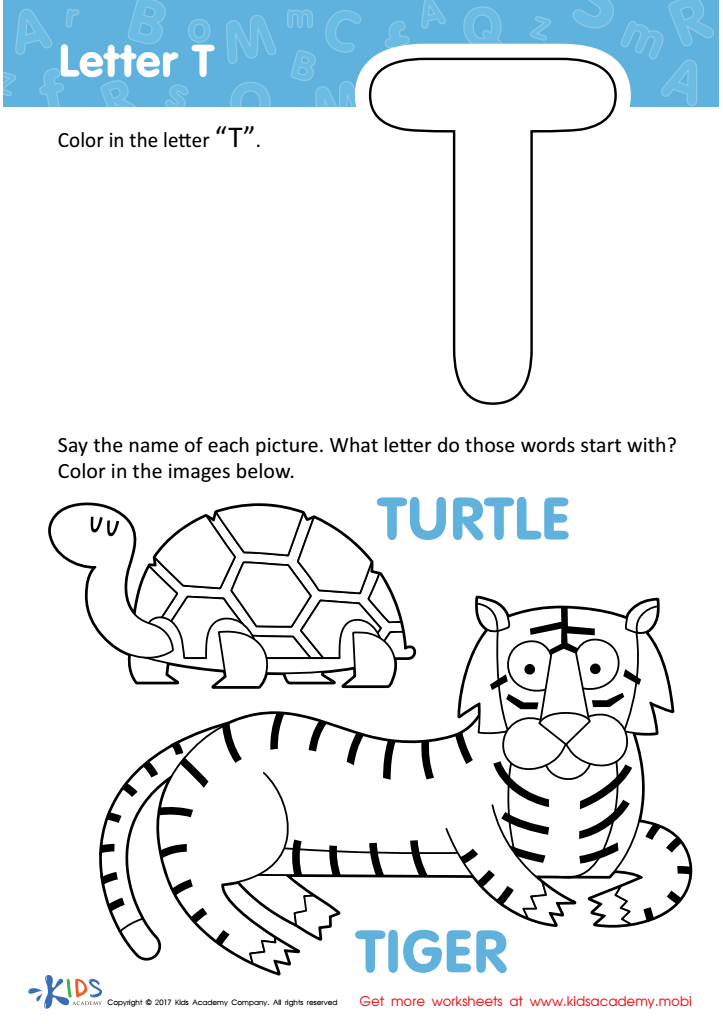
Letter T Coloring Sheet
 Assign to My Students
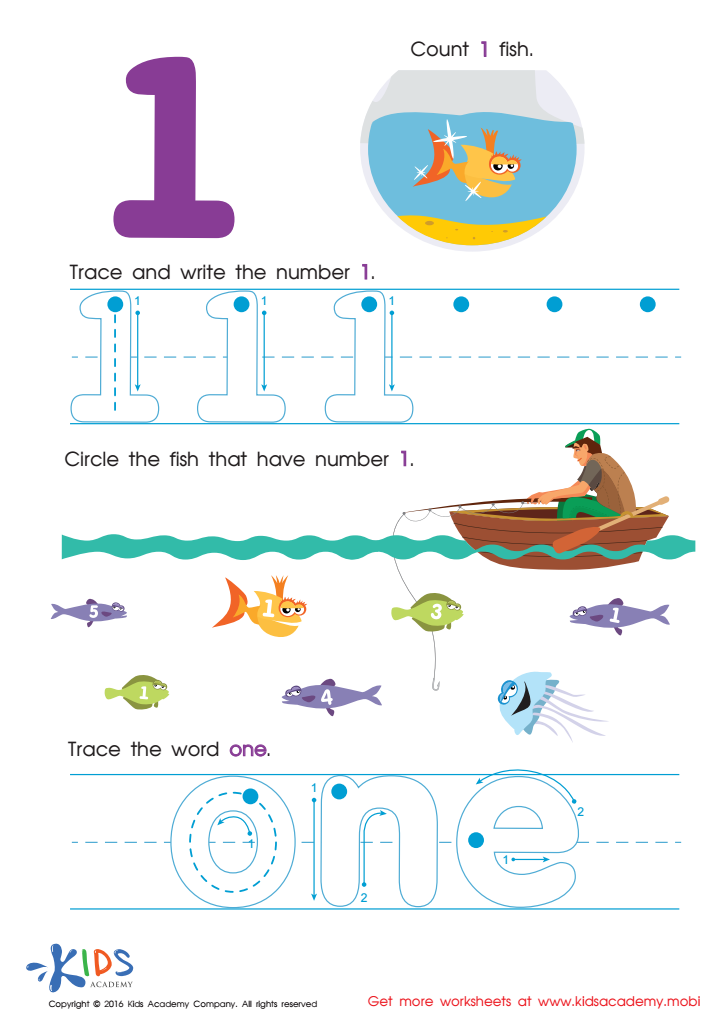
Learning to Write 1 Worksheet
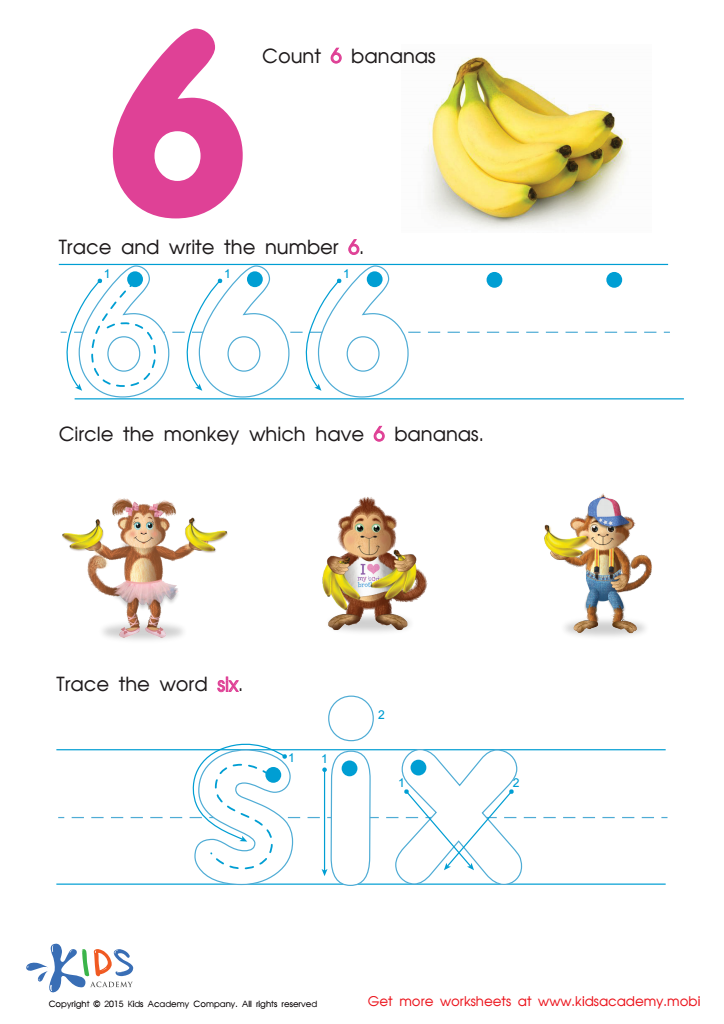
Tracing And Writing Number 6 Worksheet

Letter H Tracing Page
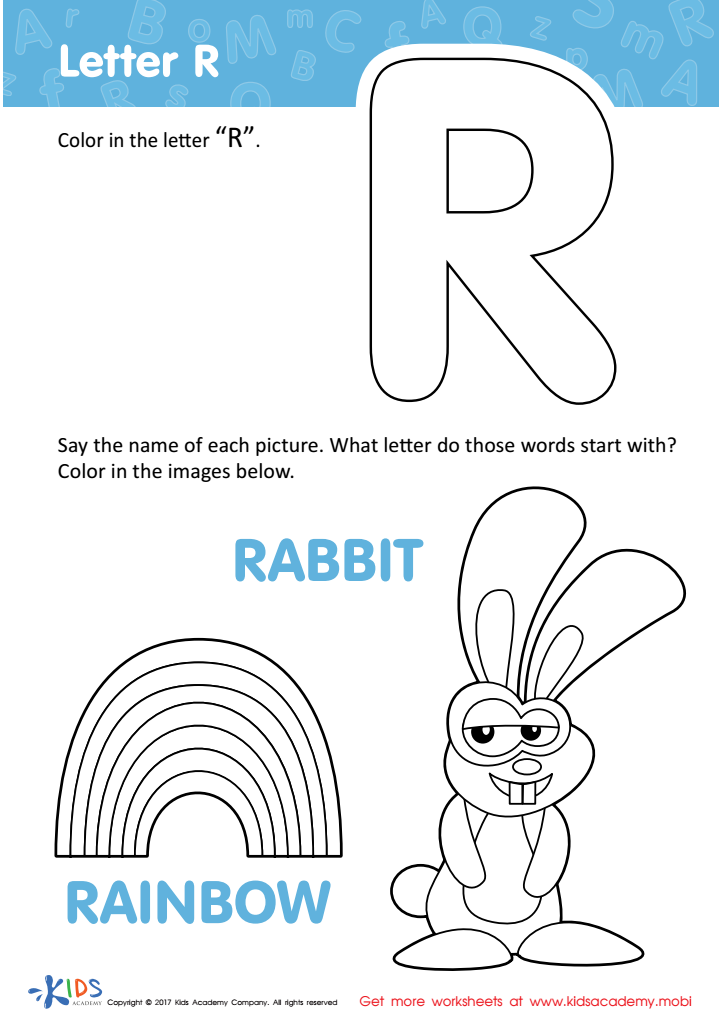
Letter R Coloring Sheet
Assign to My Students
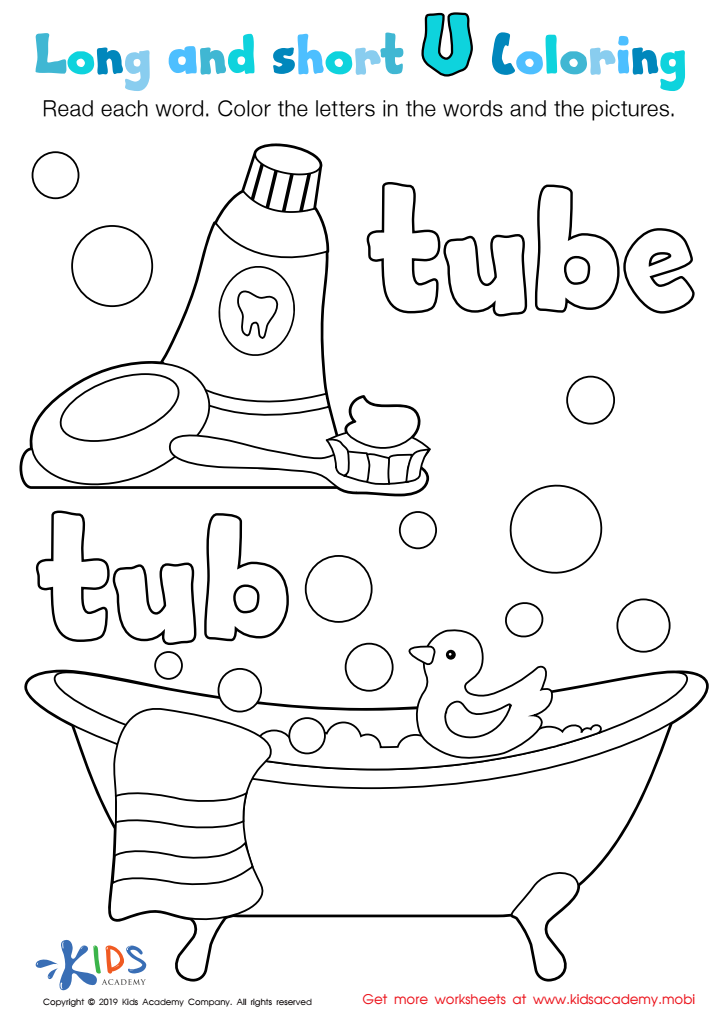
Long and Short U Worksheet
Assign to My Students
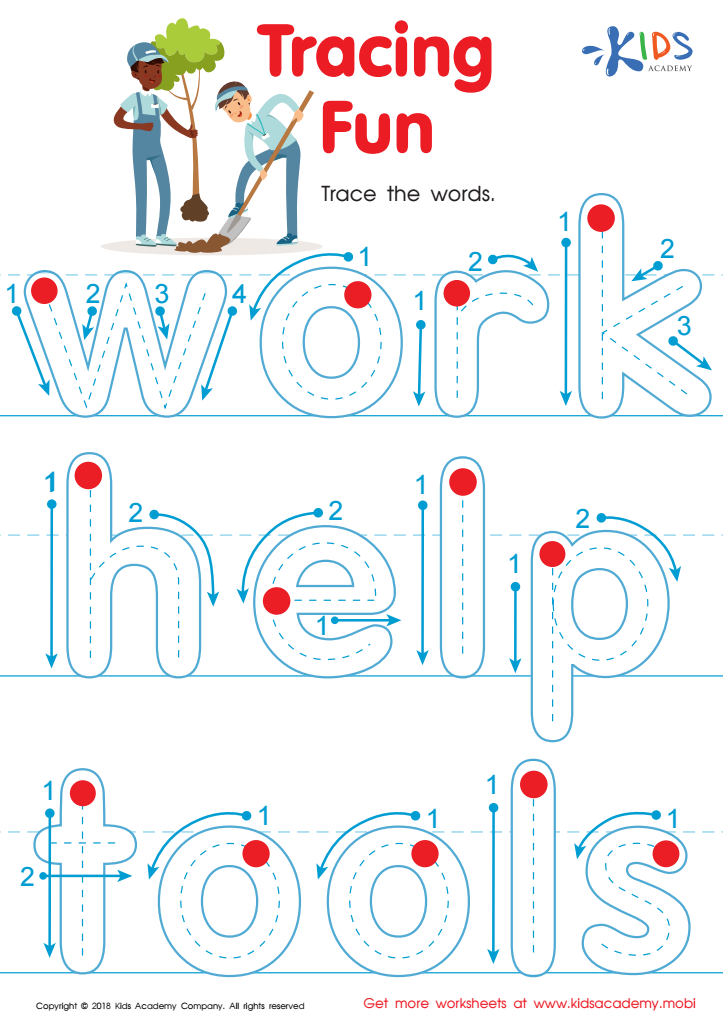
Tracing Fun Worksheet
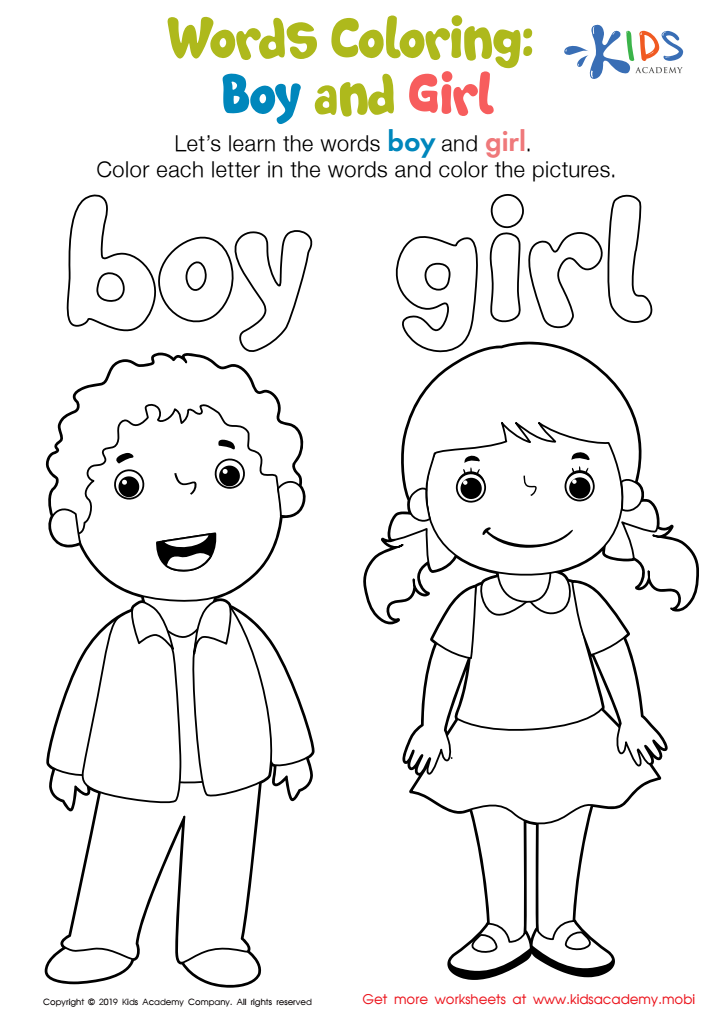
Boy and Girl Words Coloring Worksheet
Assign to My Students
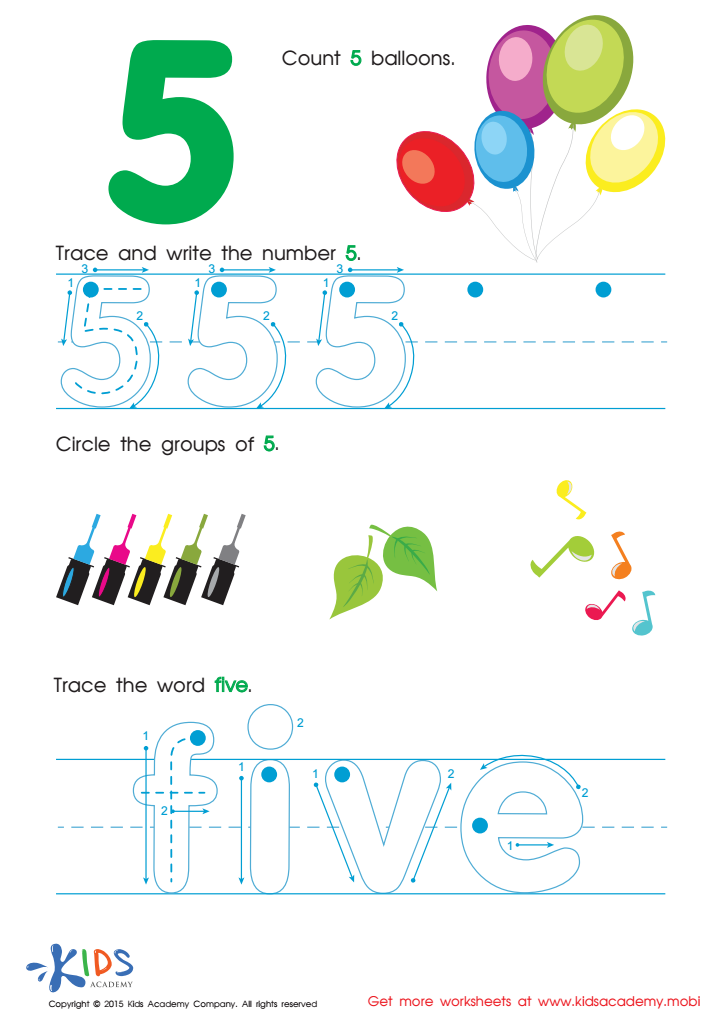
Practice Writing Number 5 Worksheet

Long and Short E Worksheet
Assign to My Students

Letter D Tracing Page





Hand-eye coordination is a critical developmental skill that intertwines with various aspects of a child's growth, and when integrated with learning English, its benefits are multifaceted. For children ages 5-7, hand-eye coordination significantly impacts their ability to perform everyday tasks and academic activities. When parents and teachers prioritize exercises that improve this skill, they lay a foundation for better handwriting, clearer communication, and more effective learning habits.
Incorporating hand-eye coordination into English lessons can make the learning experience more engaging and effective. Activities like tracing letters, cutting out words with scissors, and interactive games requiring matching of words and pictures not only teach language concepts but also refine motor skills. This dual approach supports cognitive development by enhancing memory, spatial awareness, and sequencing abilities.
Moreover, children at this age are in their prime learning phase, where building multiple skills simultaneously can lead to long-term benefits. By nurturing hand-eye coordination in concert with English language learning, parents and teachers can foster a rich learning environment that propels children towards academic success, creativity, and independence. A strong foundation in these early years sets the stage for lifelong learning and adaptation, making this approach an essential consideration.