Basic geometry comprehension Worksheets for Ages 5-7
3 filtered results
-
From - To
Discover our engaging Basic Geometry Comprehension Worksheets designed for children ages 5-7! These worksheets introduce young learners to fundamental geometric concepts in a fun and interactive way. Covering shapes, patterns, and spatial awareness, our activities help boost critical thinking and problem-solving skills. Each worksheet is crafted to encourage creativity while enhancing visual comprehension and recognition of different shapes. Perfect for use in schools or at home, these resources ensure that early learners build a solid foundation in geometry. Explore our collection today and watch your child’s understanding of geometry grow, paving the way for future math success!
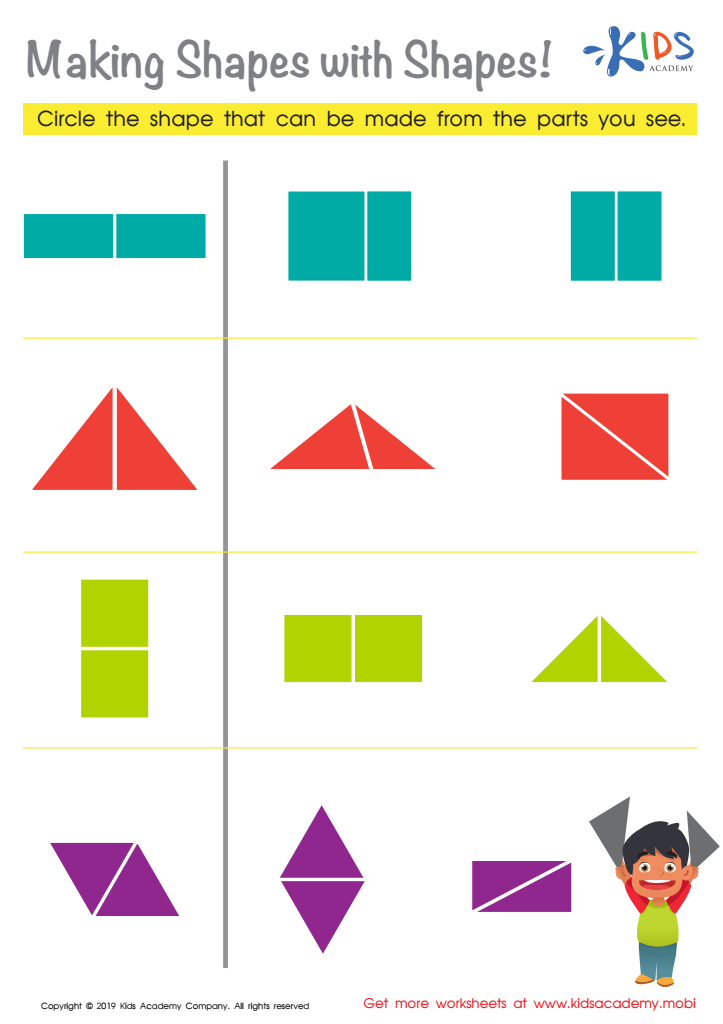
Making Shapes with Shapes Worksheet
 Assign to My Students
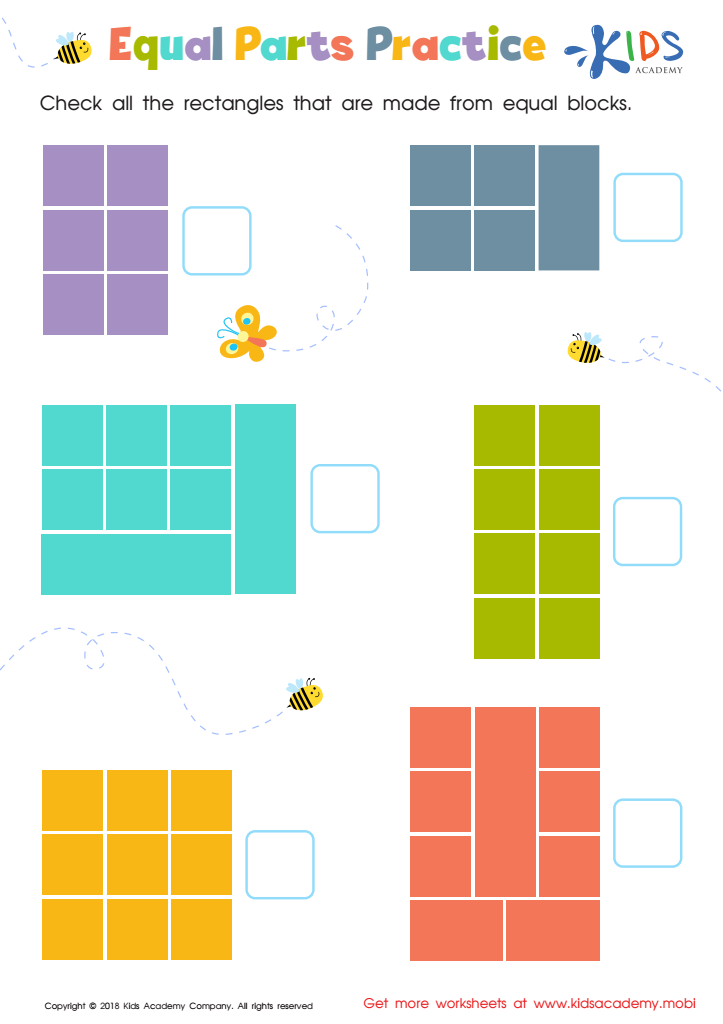
Equal Parts Practice Worksheet







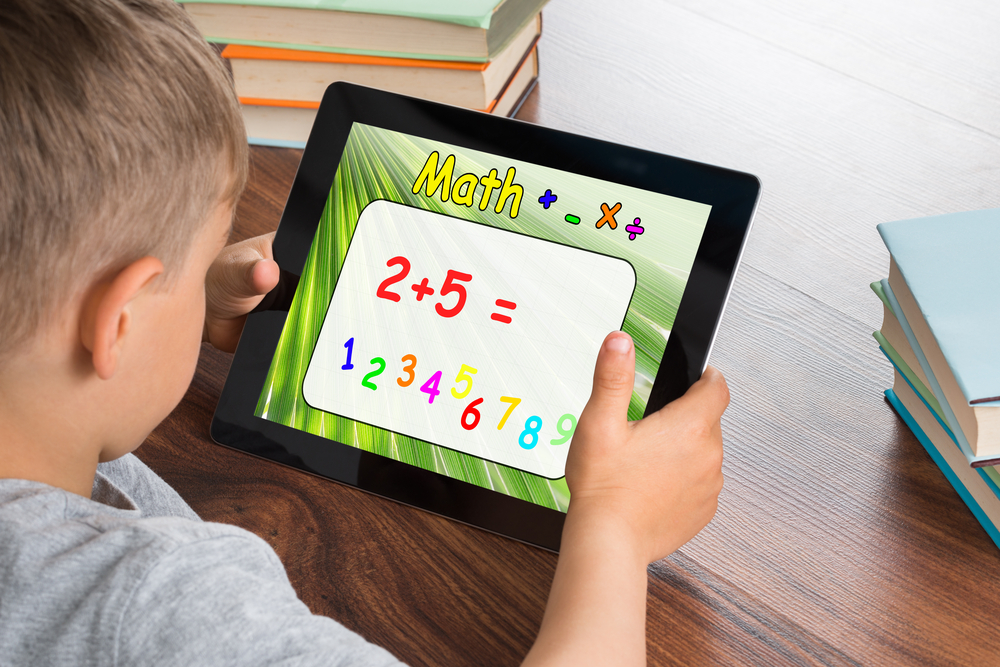
Basic geometry comprehension for ages 5-7 is crucial for several reasons. Firstly, it establishes foundational skills that support later mathematical education. Understanding shapes, sizes, and spatial relationships helps children develop critical thinking and problem-solving abilities. These early experiences foster an appreciation for math, making it a positive and engaging subject rather than a daunting one.
Secondly, geometry comprehension enhances children's cognitive development. At this age, children are naturally curious and explorative. Engaging them with geometric concepts helps improve their analytical skills and boosts their ability to observe and categorize their surroundings. Skills like recognizing shapes and understanding symmetry are also key to promoting observation and pattern recognition, enhancing their overall learning capabilities.
Furthermore, basic geometry is linked to real-world applications. Recognizing and naming shapes is integral in everyday situations: from navigating architectural structures to understanding nature. Encouraging exploration of geometry at an early age instills confidence as children encounter math in practical contexts.
Lastly, parental and teacher involvement in geometric learning fosters a supportive environment where children feel comfortable taking risks and expressing their ideas. This collaborative engagement strengthens bonds and builds a strong educational foundation that benefits lifelong learning.








