Developing logical thinking Worksheets for Ages 5-7
9 filtered results
-
From - To
Unlock your child's potential with our "Developing Logical Thinking Worksheets for Ages 5-7" from Kids Academy. These engaging, age-appropriate worksheets are designed to stimulate young minds, enhancing their problem-solving and critical thinking skills. Through playful exercises and fun puzzles, children learn to recognize patterns, make connections, and think analytically. Perfect for at-home learning or classroom use, these worksheets support cognitive development in a captivating way. Help your child build a foundation for future academic success with tools that make learning enjoyable and effective. Explore the full collection and watch your child’s logical thinking flourish!
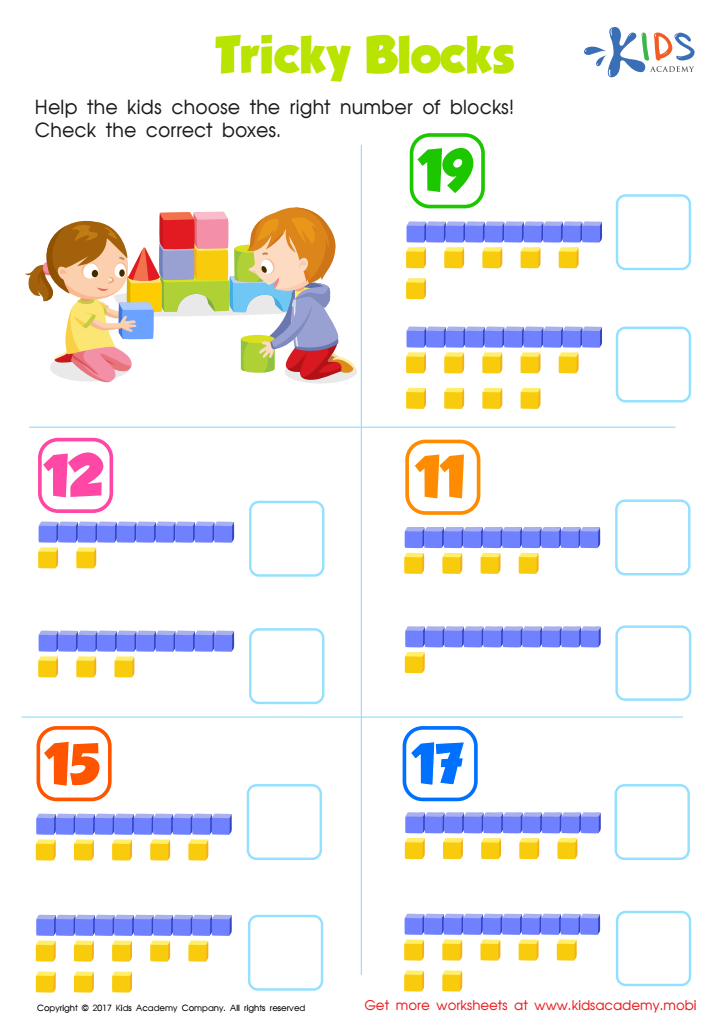
Tricky Blocks Worksheet
 Assign to My Students
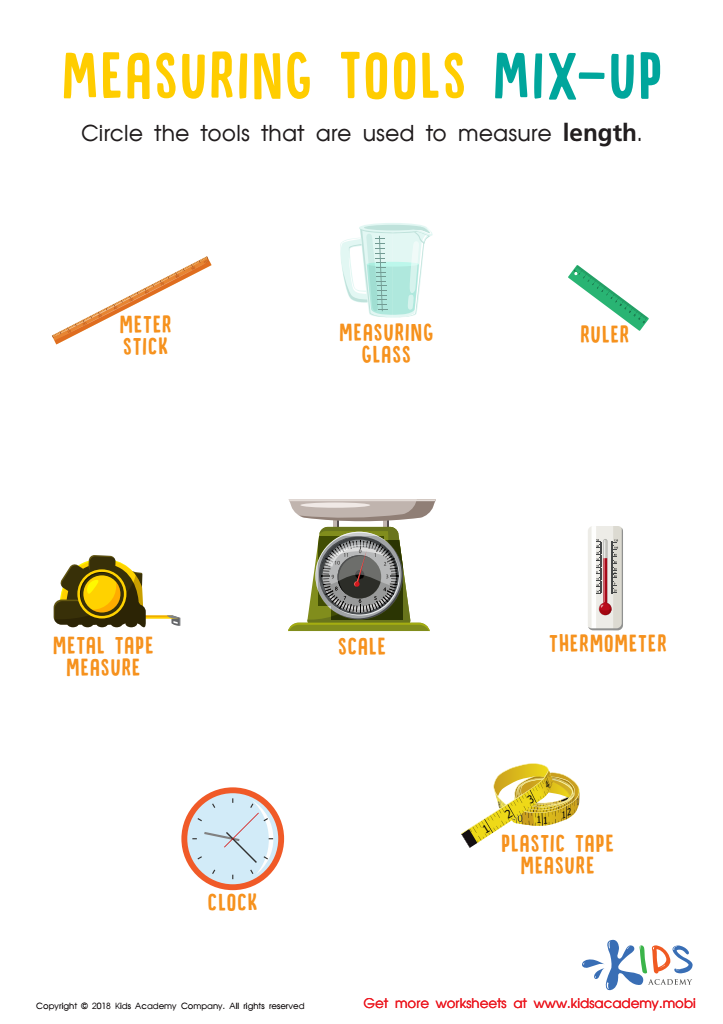
Measuring Tools Mix–up Worksheet
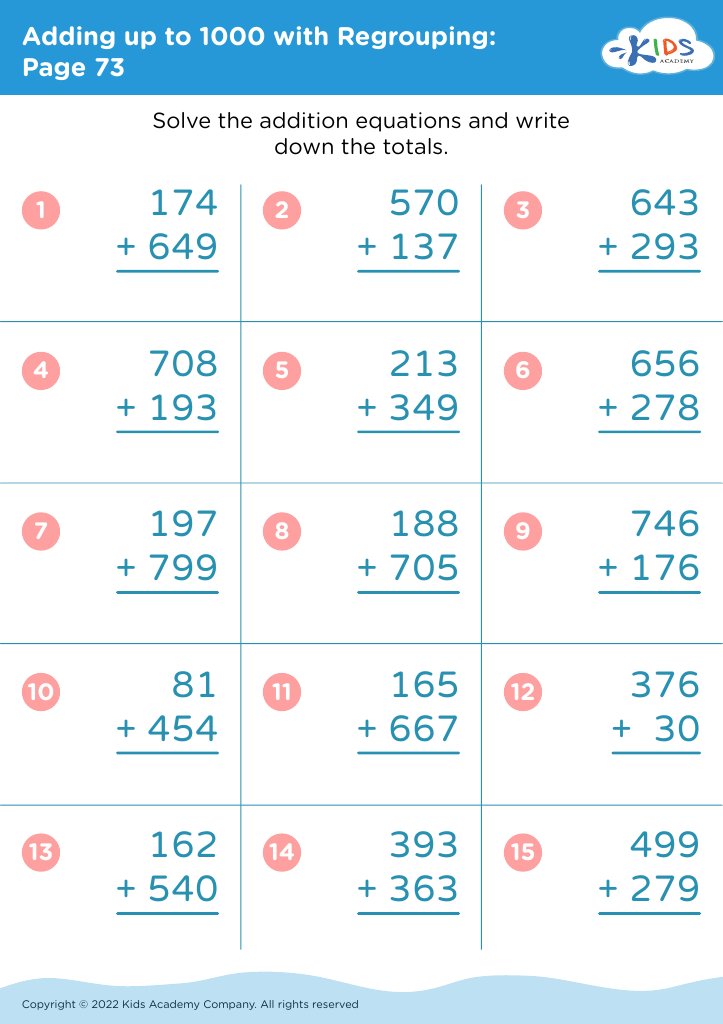
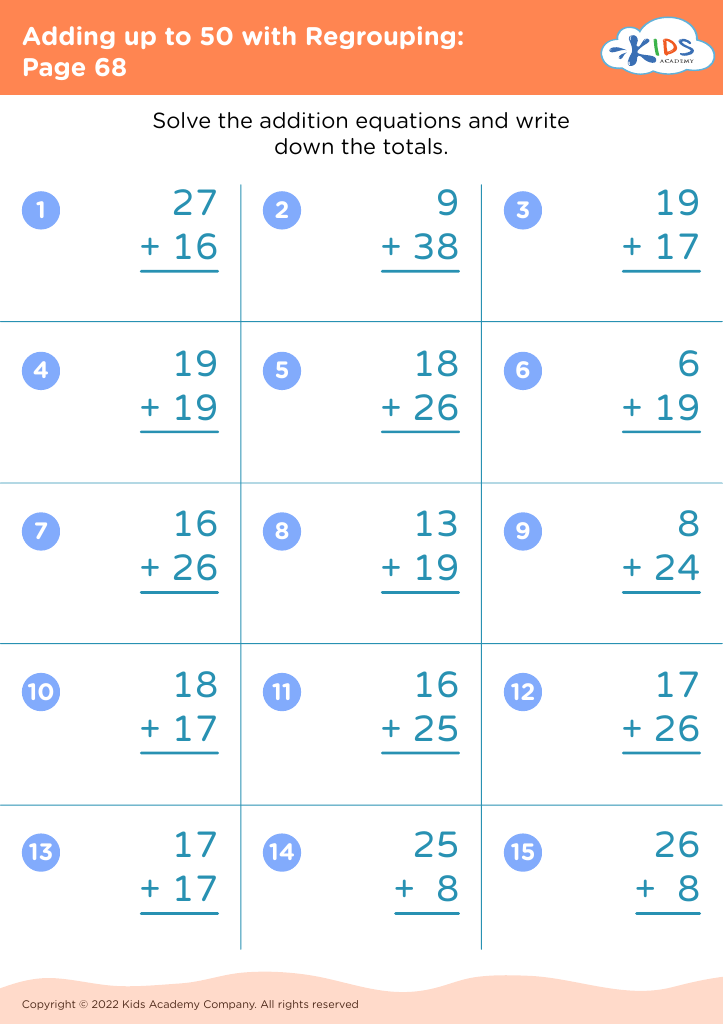
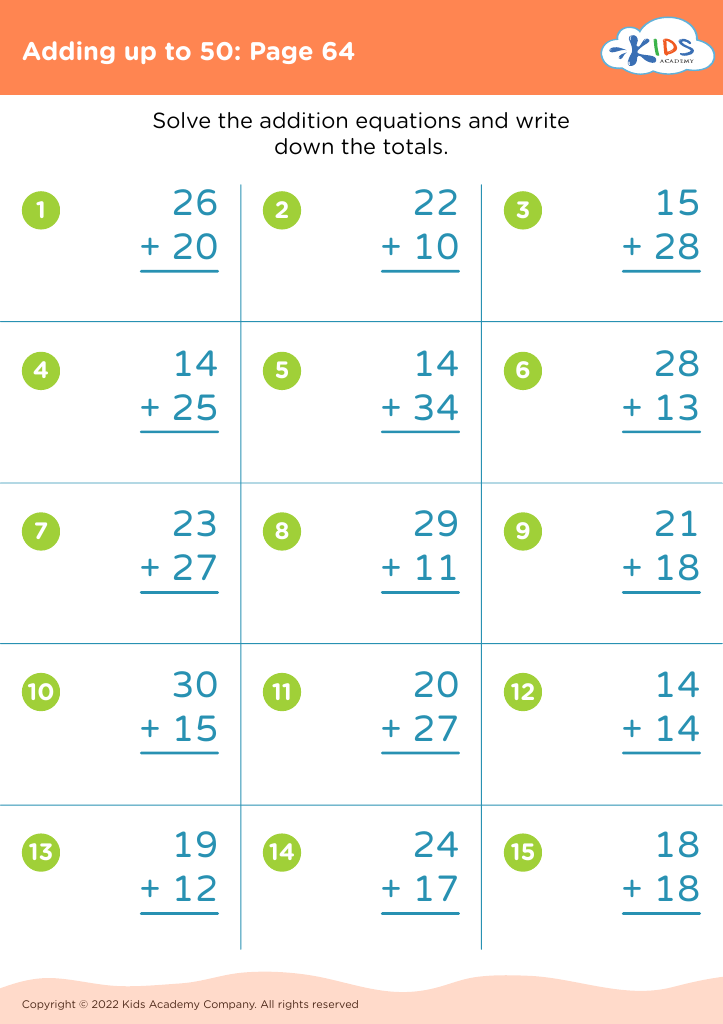
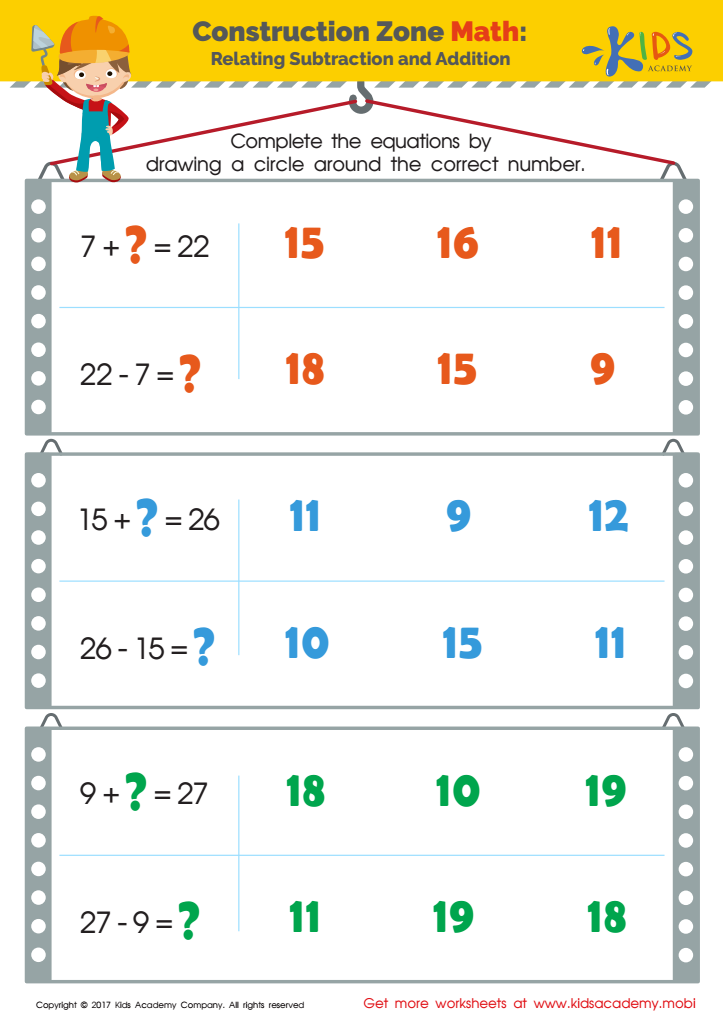
Related Addition and Subtraction Facts Worksheet
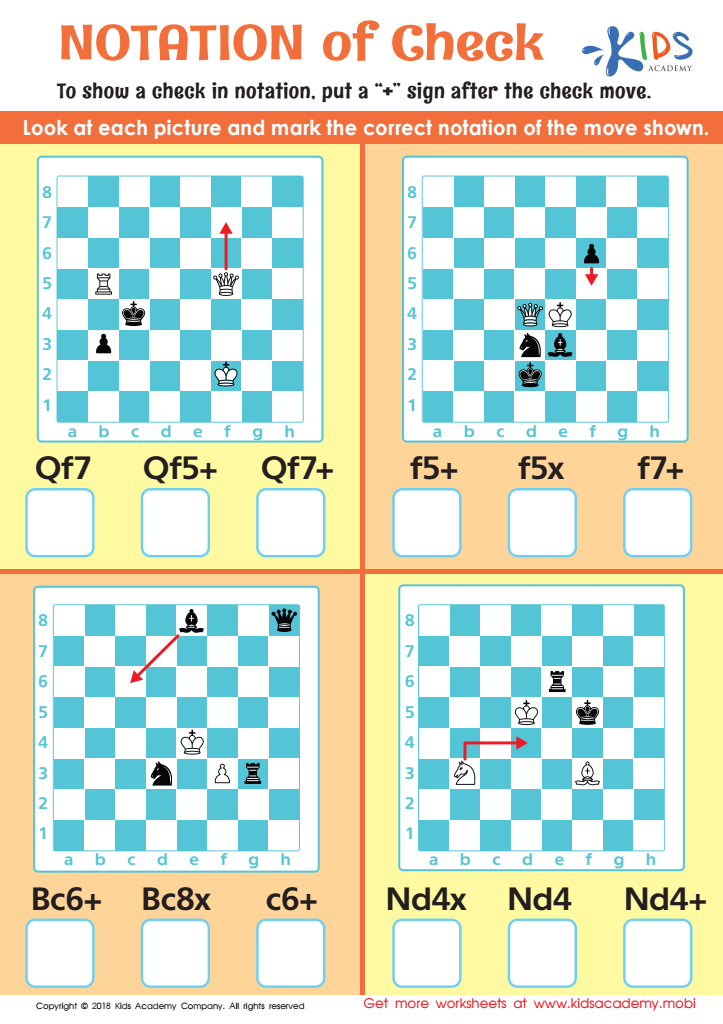
Notation of Check Worksheet
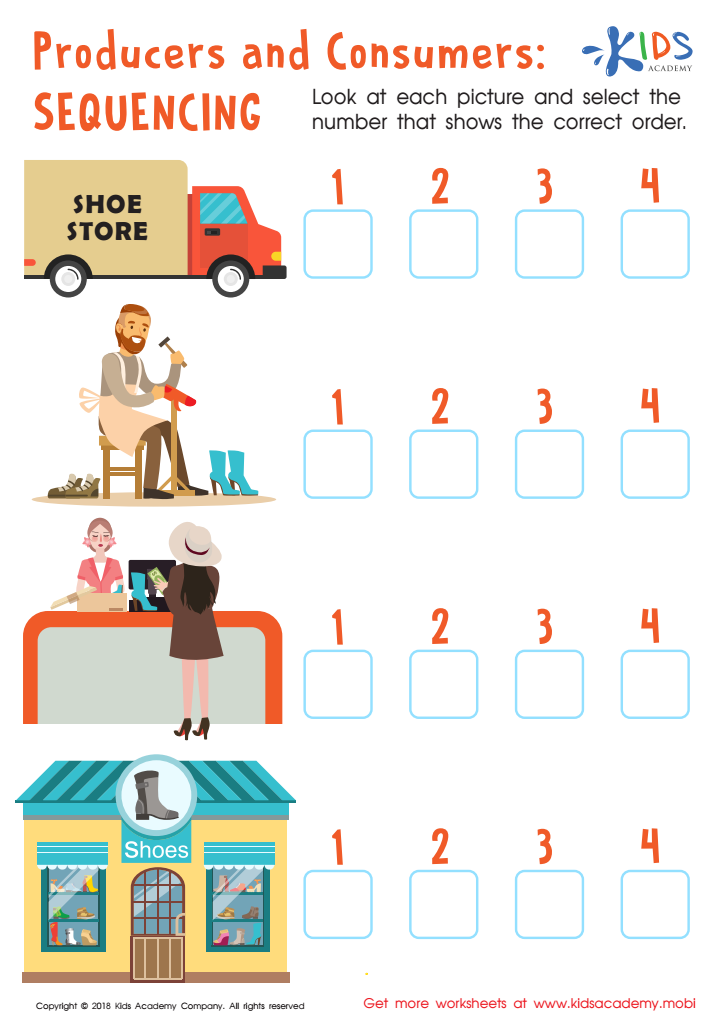
Producers and Consumers: Sequencing Worksheet
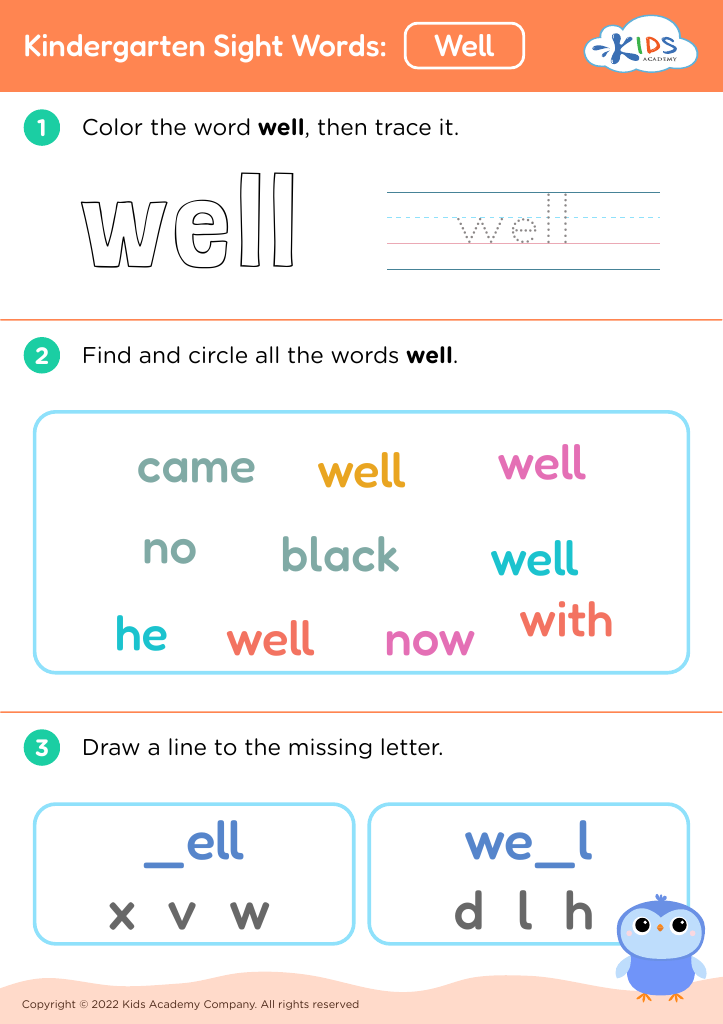








Developing logical thinking in children aged 5-7 is vital because it forms the foundation for critical cognitive and problem-solving skills, which are essential for academic success and daily life. At this age, children are beginning to engage more deeply with the world around them, and fostering logical thinking helps them make sense of their experiences through reasoned analysis rather than guesswork.
For parents and teachers, encouraging logical thinking supports intellectual growth in various subjects. In mathematics, for example, understanding concepts of cause and effect, sequencing, and making connections between ideas are all facilitated by strong logical reasoning. This translates to better performance in math and science, as well as improved reading comprehension and analytical skills when understanding story plots and characters in literature.
Additionally, children enhanced with logical thinking skills better handle social situations because they can predict outcomes, understand different perspectives, and resolve conflicts when they arise. They also become more independent learners, knowing how to approach problems methodically and ask informed questions.
Furthermore, cultivating logical thinking from an early age boosts a child's confidence in their cognitive abilities. It lays the groundwork for lifelong intellectual curiosity and resilience, empowering them to tackle more complex challenges as they grow. Therefore, parents and teachers play a critical role in nurturing these skills, ensuring a positive trajectory for continual intellectual and personal development.








