Develops fine motor skills Worksheets for Ages 5-7
5 filtered results
-
From - To
Enhance your child's fine motor skills with our expertly designed worksheets for ages 5-7. Our engaging activities help children improve hand-eye coordination, dexterity, and precision, essential for successful handwriting and everyday tasks. Through tracing, cutting, and coloring, kids develop muscle control and spatial awareness in a fun and educational way. Perfect for classrooms or at-home practice, our printable worksheets cater to young learners’ developmental needs. Foster your child's growth and confidence with activities tailored to challenge and delight. Visit Kids Academy for a wide selection of resources that make learning and skill-building enjoyable and effective!
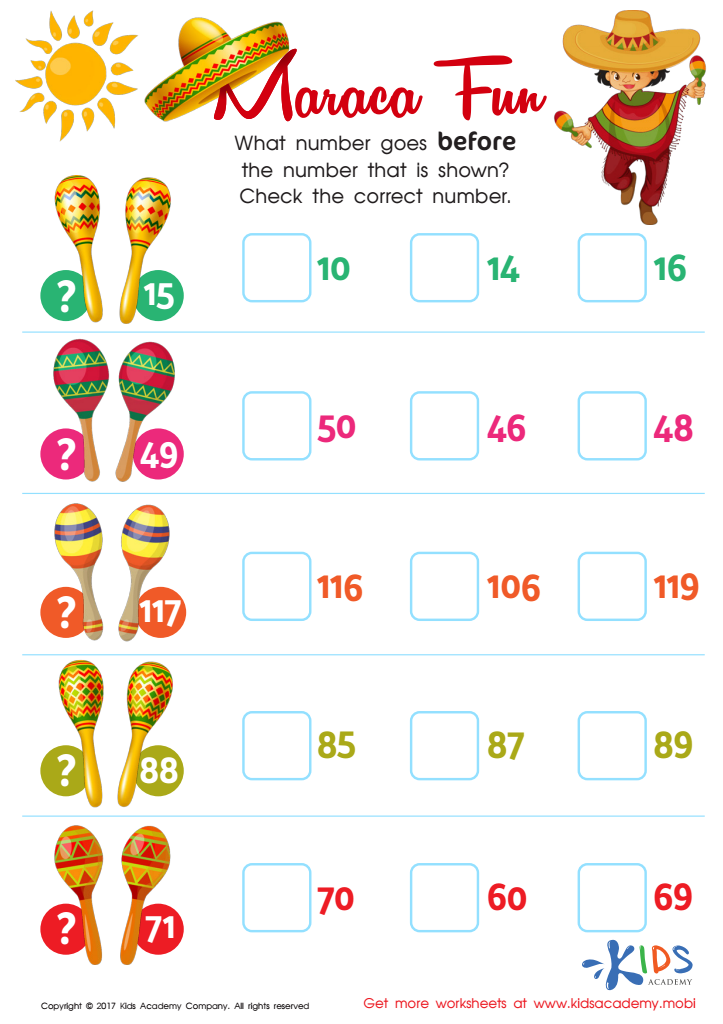
Counting: Maraca Fun Worksheet
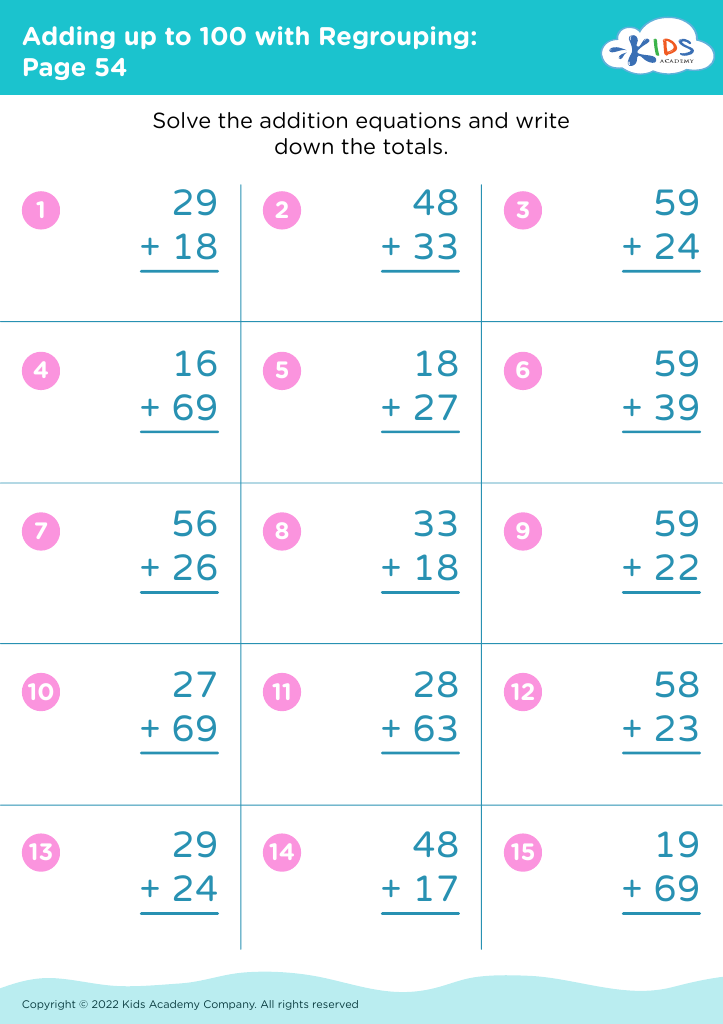
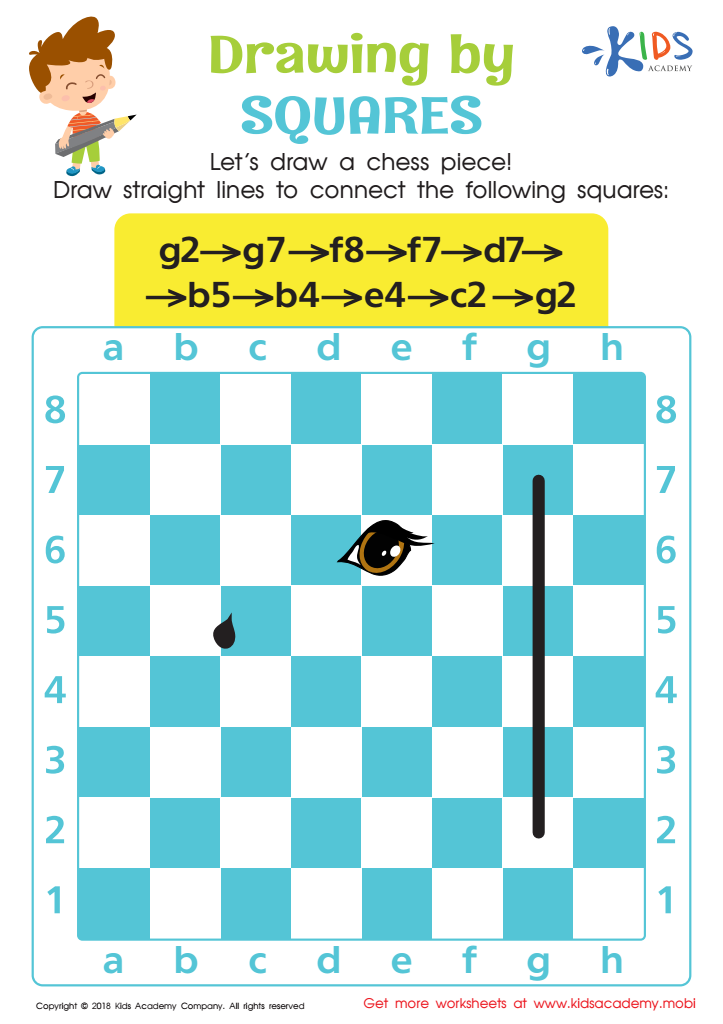
Drawing by Squares Worksheet
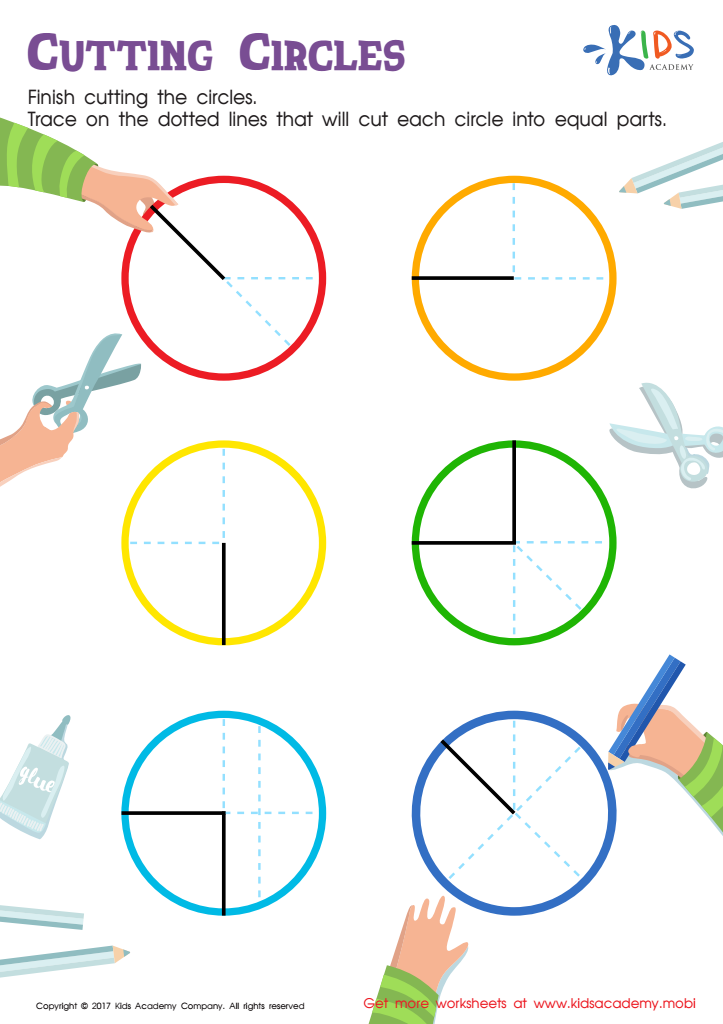
Cutting Circles Worksheet
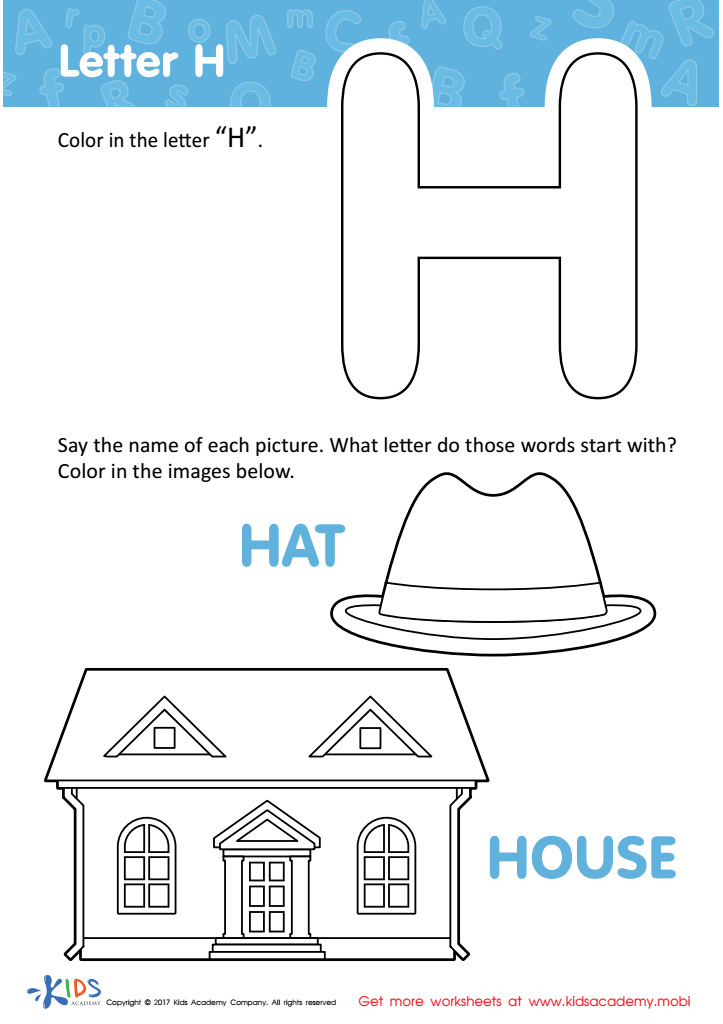
Letter H Coloring Sheet
 Assign to My Students








Parents and teachers should care about developing fine motor skills in children ages 5-7 because these skills are foundational for a child’s overall development and academic success. Fine motor skills involve the coordination of small muscles in the hands and fingers, enabling tasks such as writing, drawing, cutting with scissors, and buttoning clothes. At this crucial developmental stage, children are transitioning from preschool to more structured academic environments where these abilities become increasingly necessary.
Developing fine motor skills enhances a child’s dexterity, hand-eye coordination, and spatial awareness. These skills directly impact a child's ability to perform classroom tasks effectively, which can influence their confidence and academic readiness. For example, children who struggle with handwriting may also face challenges in expressing their knowledge and keeping up with daily assignments.
Beyond the classroom, fine motor skills are essential for everyday self-care tasks like dressing, feeding, and personal hygiene. Mastery of these activities fosters independence and self-esteem. Additionally, engaging in fine motor activities promotes cognitive development by encouraging problem-solving, planning, and attention to detail.
To support this development, parents and teachers can provide activities such as playing with building blocks, crafting, puzzles, and age-appropriate games that require hand manipulation. Such intentional practices ensure that children not only perform better academically but also build a solid foundation for lifelong skills.








