Enhance logical thinking Worksheets for Ages 5-7
4 filtered results
-
From - To
Our "Enhance Logical Thinking Worksheets for Ages 5-7" are meticulously designed to stimulate young minds and cultivate essential cognitive skills. Through engaging activities and thoughtfully crafted exercises, children can develop their problem-solving abilities, pattern recognition, and critical thinking. Ideal for early learners, our worksheets use fun, age-appropriate challenges that motivate kids and promote a love for learning. By integrating these resources into daily routines, parents and educators can support their child's intellectual growth and set a solid foundation for future academic success. Discover how our printable worksheets can enhance your child's logical reasoning and foster a curious, analytical mindset.
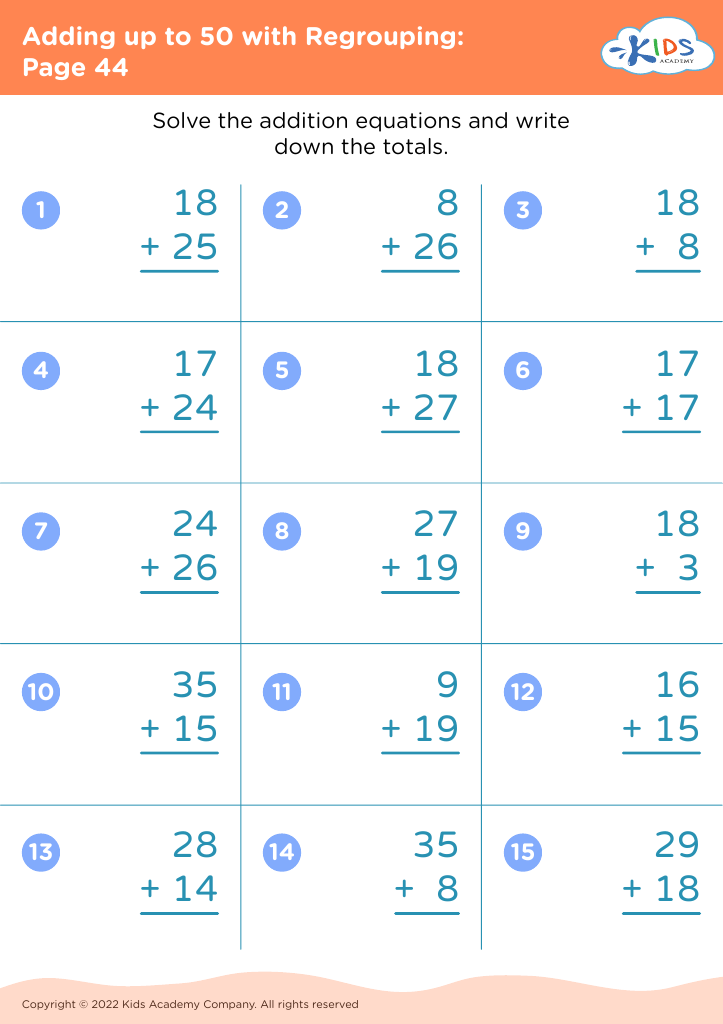
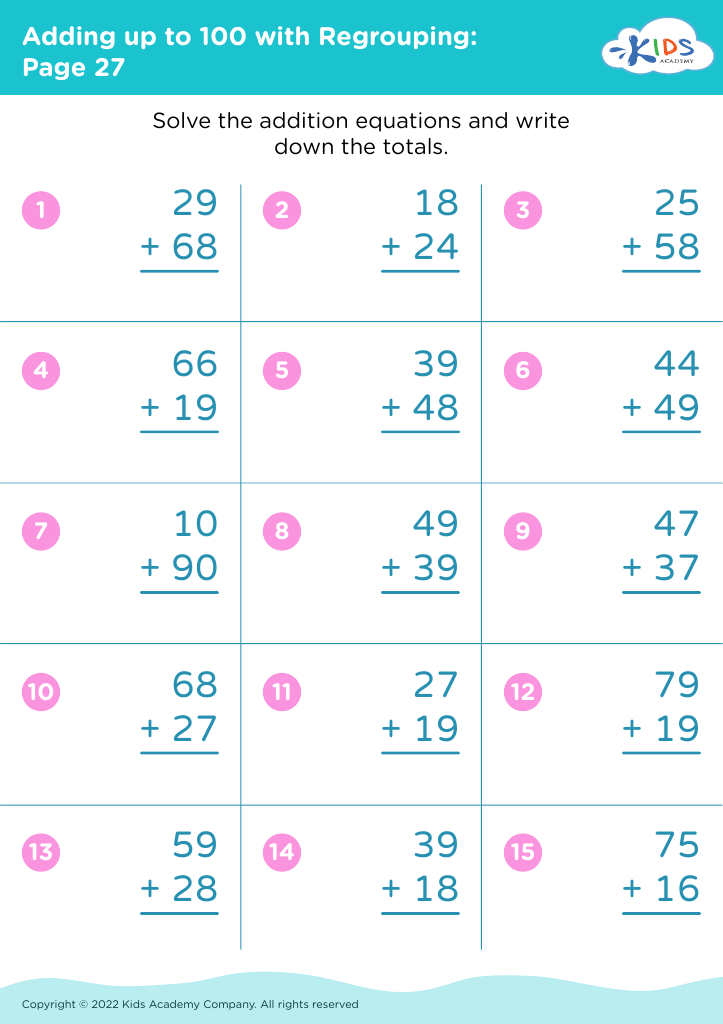
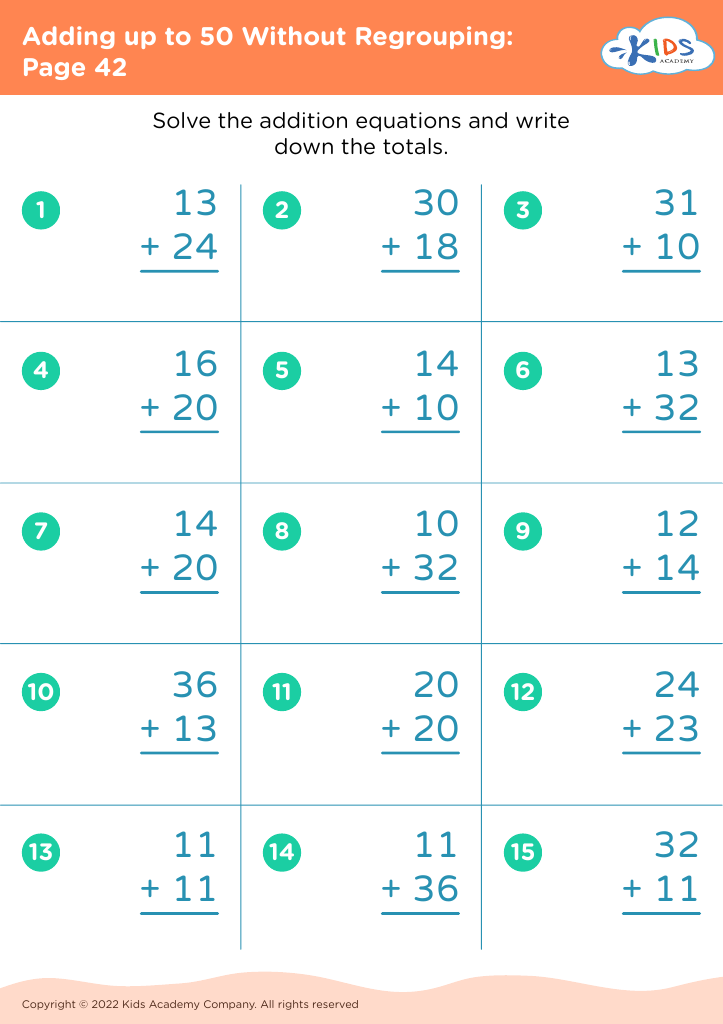
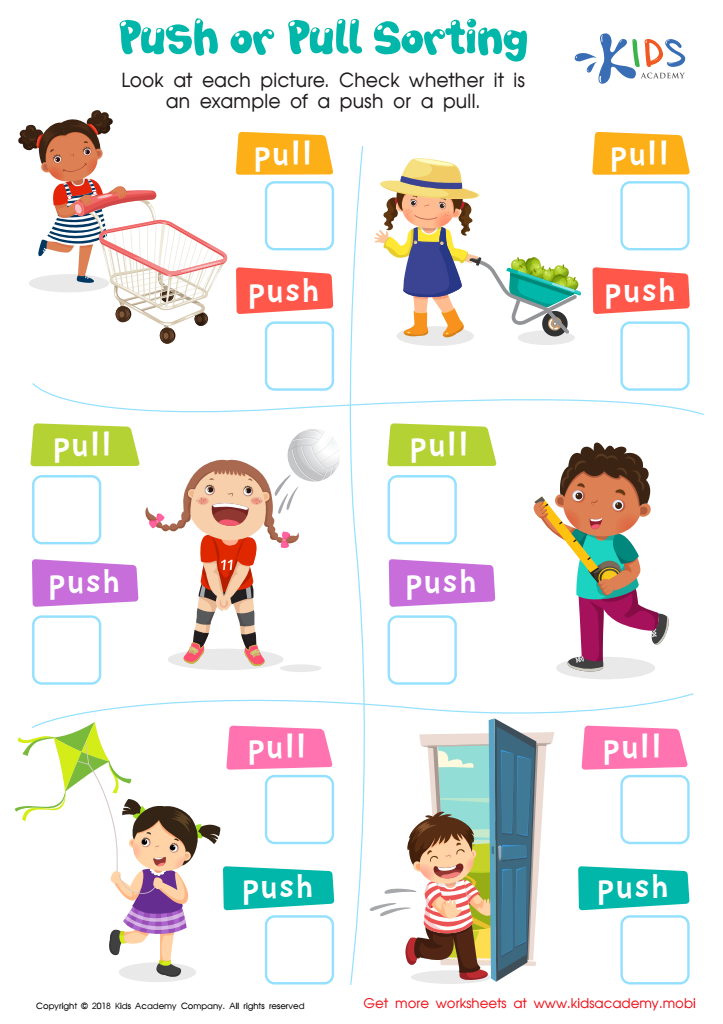
Push or Pull Sorting Worksheet
 Assign to My Students








Enhancing logical thinking in children aged 5-7 is essential for their cognitive development and overall success. During these formative years, children are naturally curious and developing foundational cognitive skills that set the stage for future learning. Logical thinking helps them understand relationships, patterns, and sequences, which are critical for problem-solving and reasoning abilities.
By fostering logical thinking, parents and teachers enable children to approach problems systematically and develop critical thinking skills. This cognitive development supports academic achievement in key areas such as mathematics and science, where understanding of cause and effect, classification, and comparison are vital.
Moreover, logical thinking promotes independence and confidence in young learners. Children become better equipped to understand and manage daily situations, from organizing their toys to following multi-step instructions. This self-confidence nurtured through problem-solving can positively influence their attitude towards learning and tackling challenges.
Additionally, logical thinking skills are vital for social interactions. Children learn to consider different perspectives, anticipate the consequences of their actions, and understand logical rules in games and social norms.
Incorporating activities that enhance logical thinking, such as puzzles, storytelling, and games, not only makes learning enjoyable but also lays a strong foundation for lifelong critical thinking skills and effective decision-making.








