
Event ordering Worksheets for Ages 5-7
3 filtered results
Difficulty Level
Grade
Age
-
From - To
Subject
Activity
Standards
Enhance your child's sequencing skills with our vibrant Event Ordering Worksheets, designed for ages 5-7. These engaging printables help young learners understand the concept of chronological order through fun and interactive exercises. Each worksheet is tailored to boost cognitive development, improve comprehension, and strengthen logical thinking. By arranging events in the correct sequence, children practice critical thinking and storytelling, essential skills for academic success. Our worksheets are perfect for both classroom and at-home activities, ensuring continual growth in a playful learning environment. Explore our collection today and set your child on a path to learning mastery!
Favorites
With answer key
Interactive
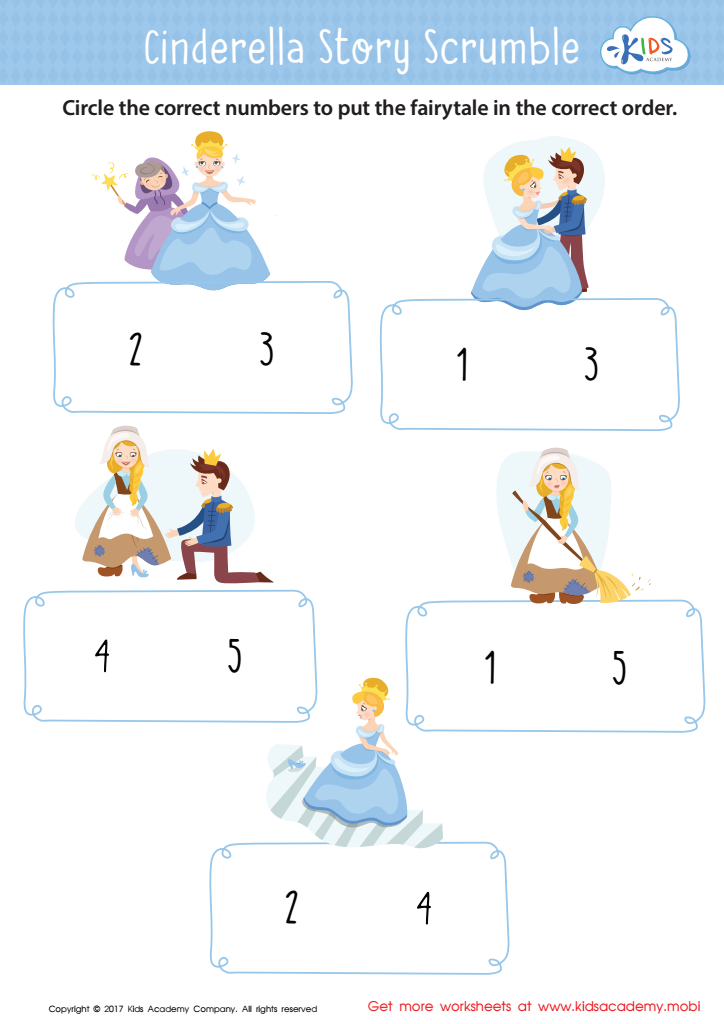
Cinderella Story Sequencing Worksheet
This worksheet helps strengthen reading comprehension skills by getting your child to remember key moments from the Cinderella story. They'll be asked to place pictures in the right order to tell the story.
 Assign to My Students
Cinderella Story Sequencing Worksheet
Worksheet
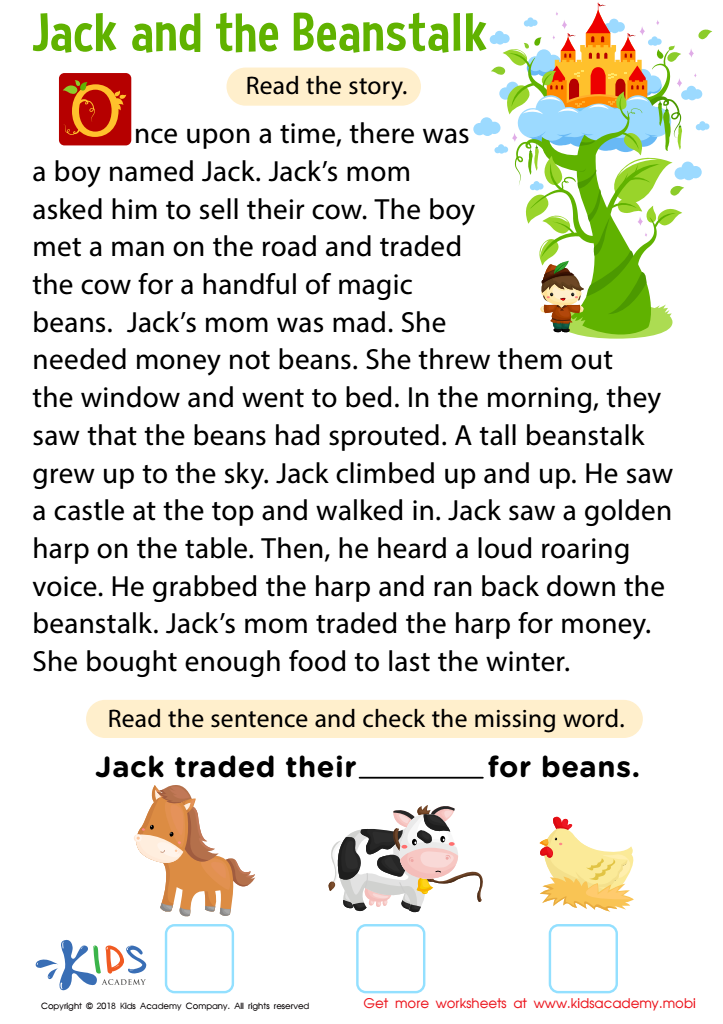
Jack and Beanstalk Worksheet
Story time can be a fun and educational experience for your kids. Read them the classic Jack and the Beanstalk - and even read it twice to help them pay attention. Afterwards, help them fill in the blank on the worksheet to expand their vocabulary and learn more from the story.
Jack and Beanstalk Worksheet
Worksheet
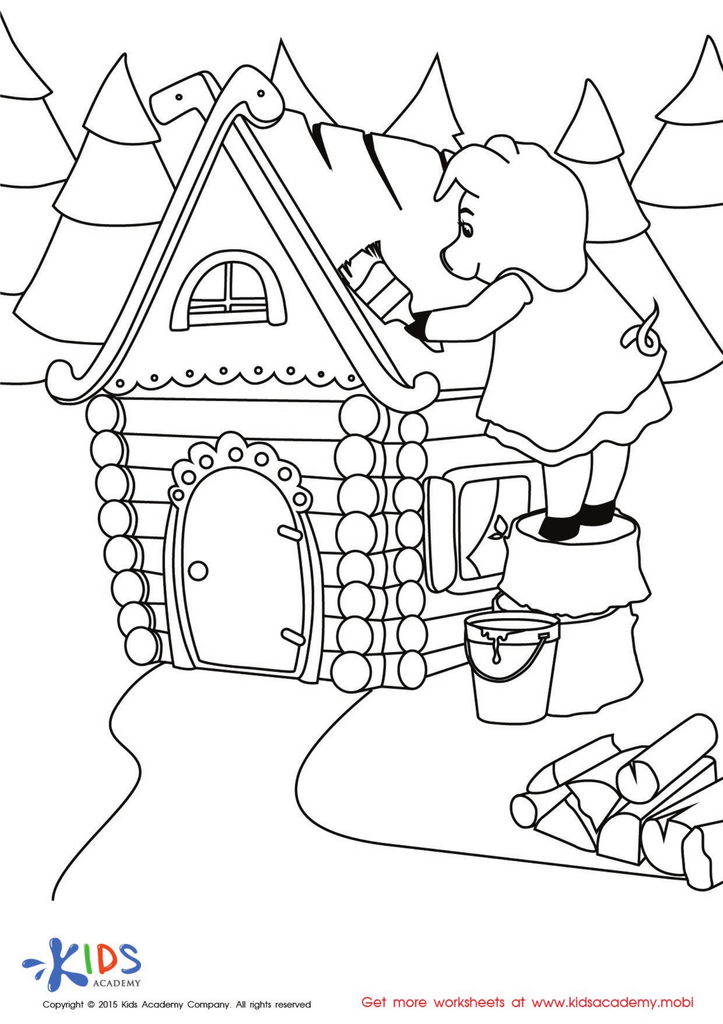
The Three Little Pigs Worksheet
Print out this fun coloring page and unleash your creativity! It features a cute little pig painting her new sticks house. What color will you choose? Work those fine motor muscles and enjoy the picture come to life! See what happens next to the three little pigs.
The Three Little Pigs Worksheet
Worksheet
Join Kids Academy for Free
Who is primarily going to use this learning content?






.jpg)
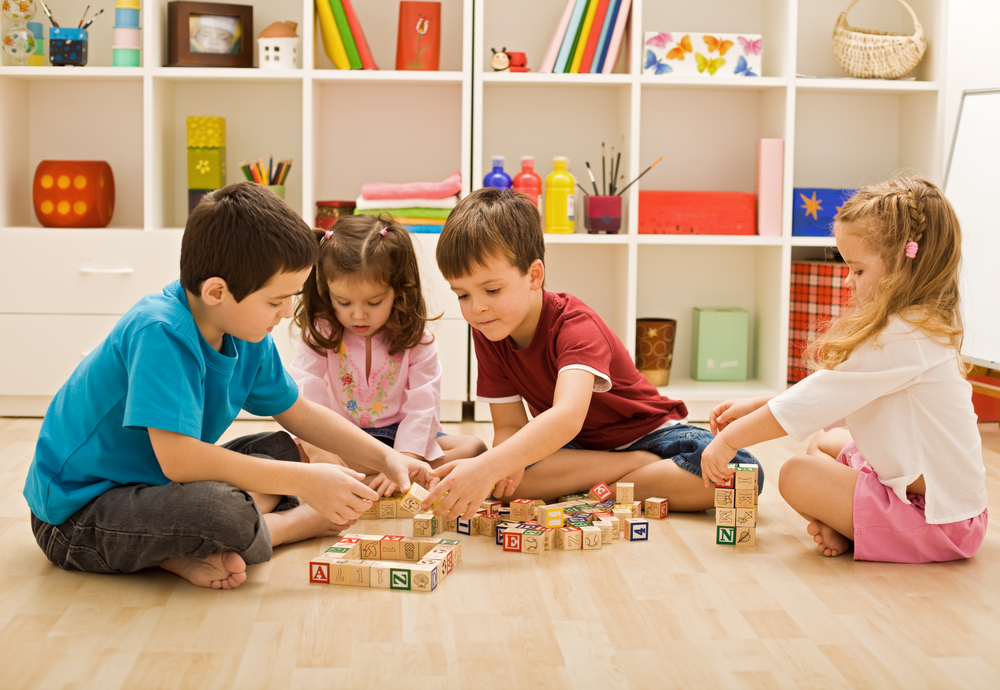
Understanding event ordering is a significant cognitive and developmental milestone for children aged 5-7. Parents and teachers play a crucial role in nurturing this skill, which involves arranging events or actions in chronological sequence. Here's why it matters:
First, it enhances a child's storytelling abilities. Being able to logically sequence events helps children express their thoughts clearly, boosting their communication and literacy skills. They can narrate what happened first, next, and last, making their stories coherent and engaging.
Second, comprehension and problem-solving improve with good event ordering skills. Many daily tasks require understanding sequences, from following routines to engaging in multi-step activities like cooking or playing games. This foundational skill underlies more complex cognitive processes they'll encounter later in academics.
Third, awareness of event ordering promotes social and emotional development. It helps children understand cause and effect, anticipate consequences, and empathize with others' experiences. When they can predict what might happen next in a story or situation, they become better problem-solvers and collaborators.
By supporting event ordering skills, parents and teachers provide children with tools to navigate their world effectively. Using activities like storytelling, sorting games, and routine discussions can foster this essential developmental ability, setting the stage for future academic and social success.








