Handwriting practice Worksheets for Ages 5-7 - Page 4
96 filtered results
-
From - To
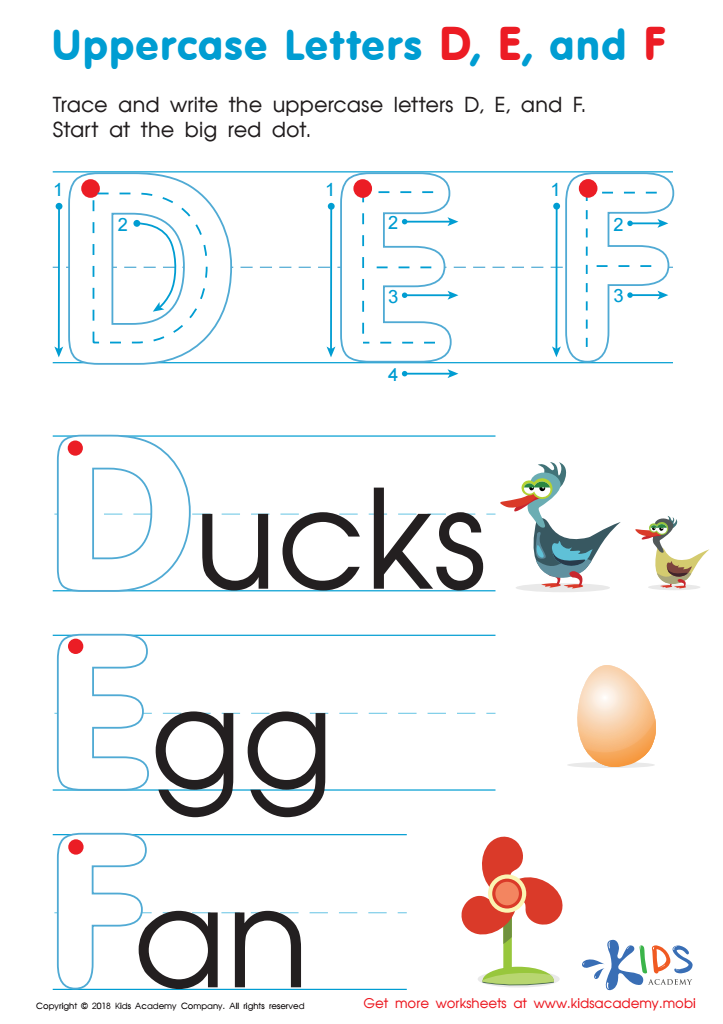
Uppercase Letters D, E, and F Worksheet
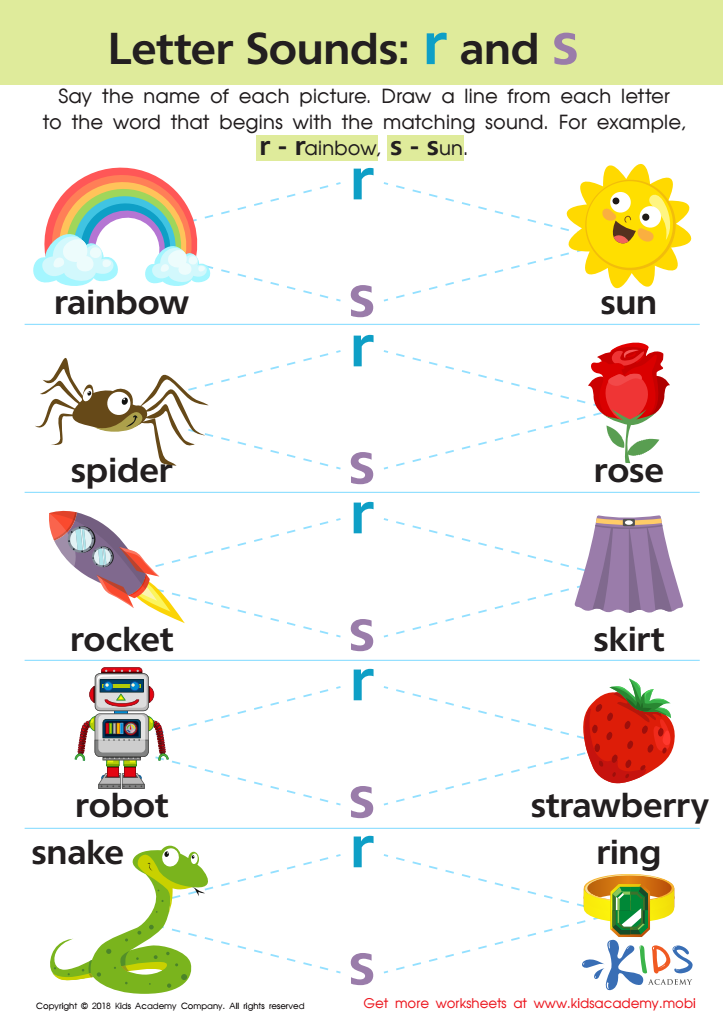
Letter R and S Sounds Worksheet

Brown Tracing Color Words Worksheet
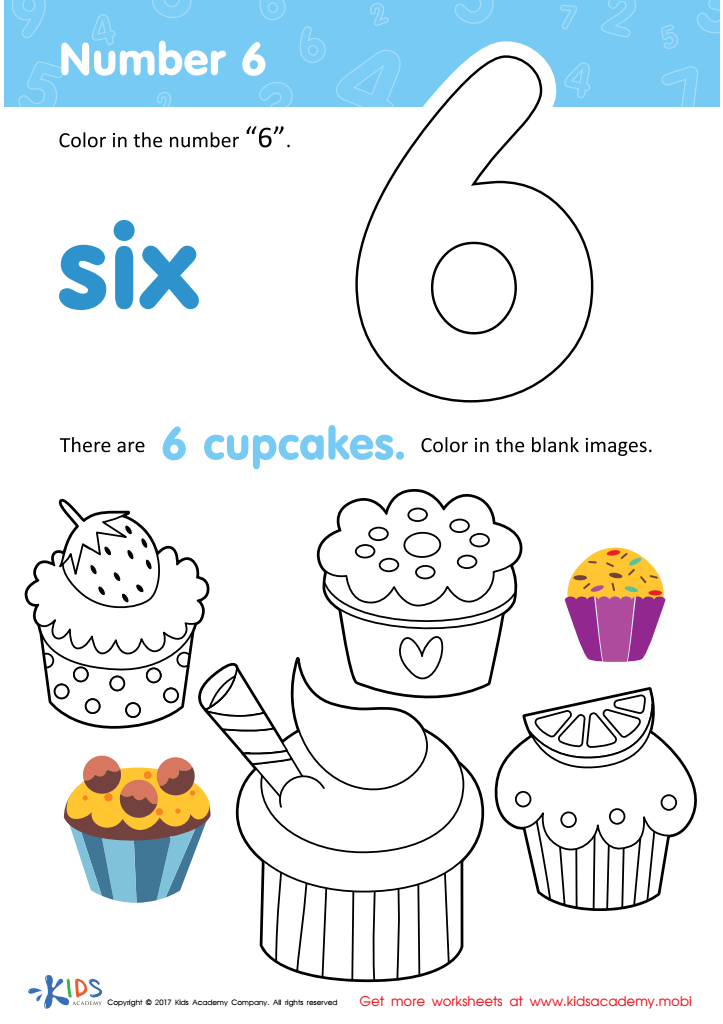
Number 6 Worksheet
 Assign to My Students
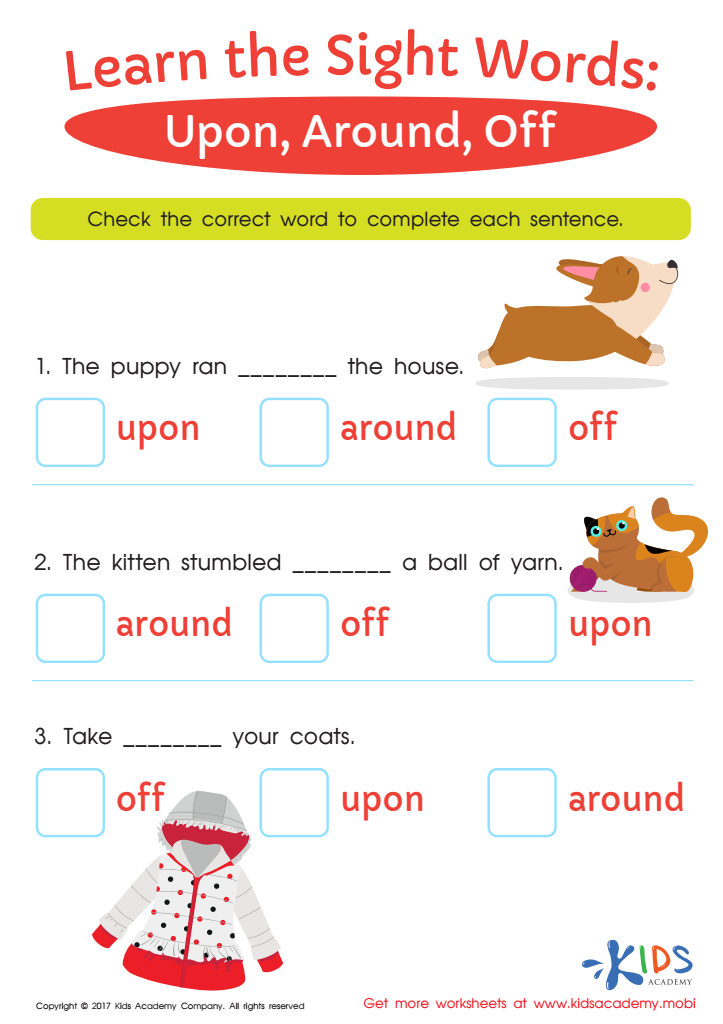
Upon, Around, Off Sight Words Worksheet
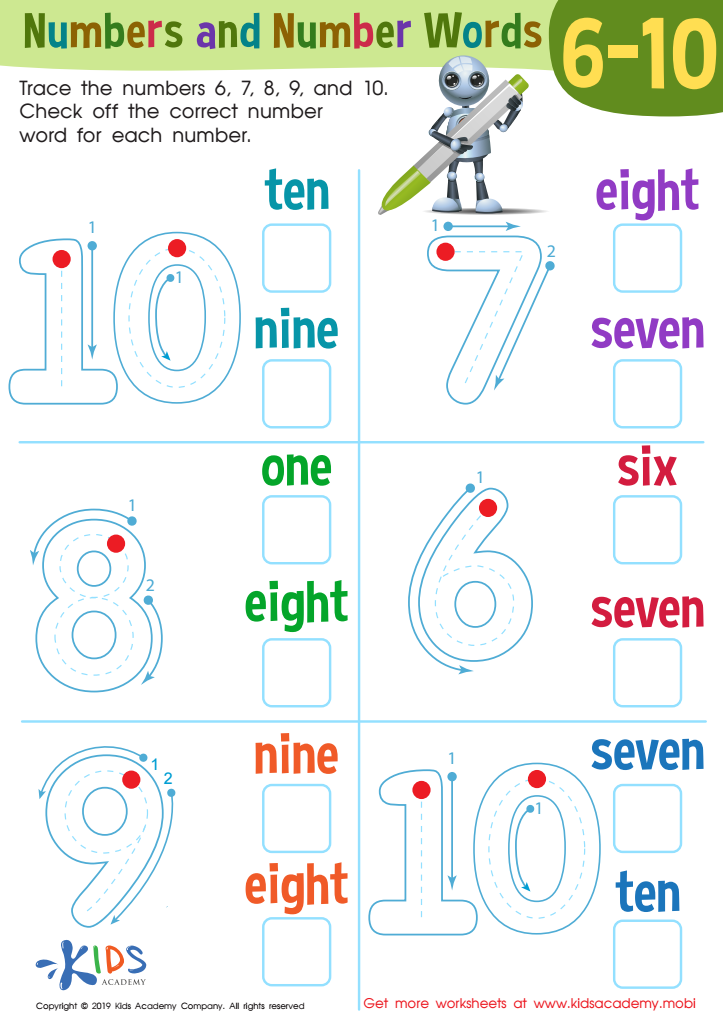
Numbers and Number Words 6–1 Worksheet
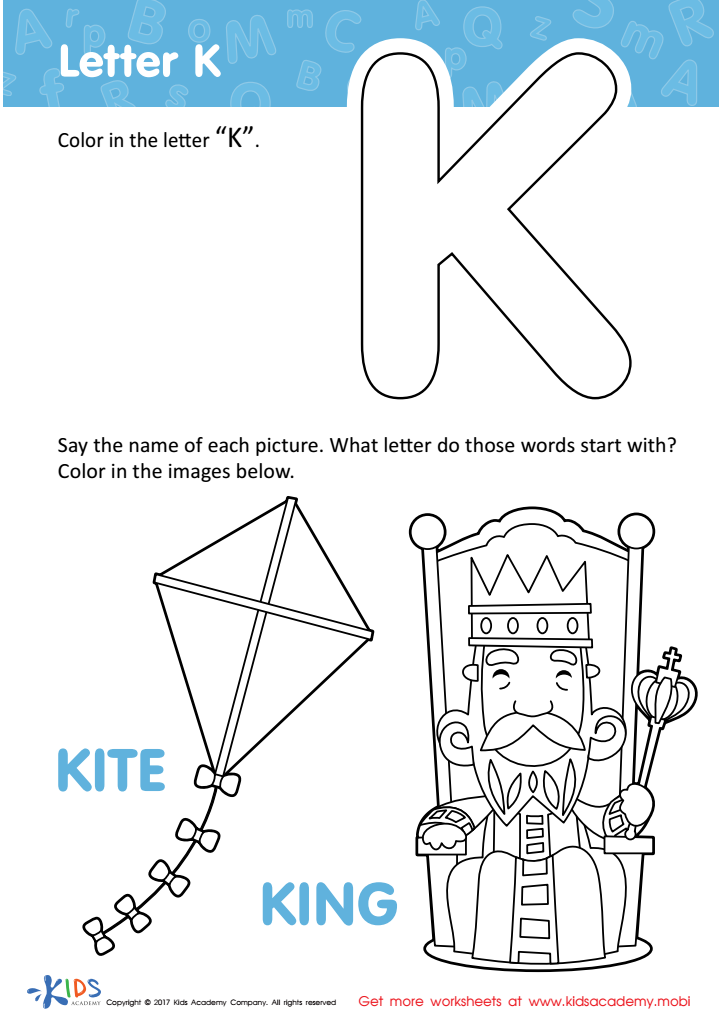
Letter K Coloring Sheet
Assign to My Students
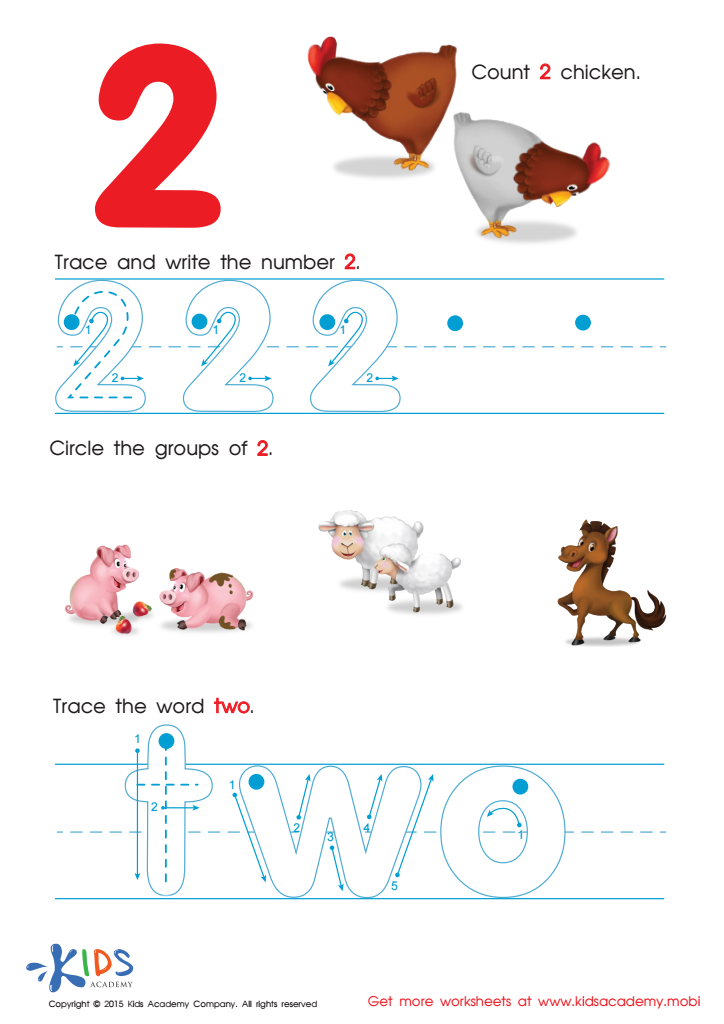
Learn to Write the Number 2 Worksheet

Count the Mushrooms and Trace the Number 3 Printable
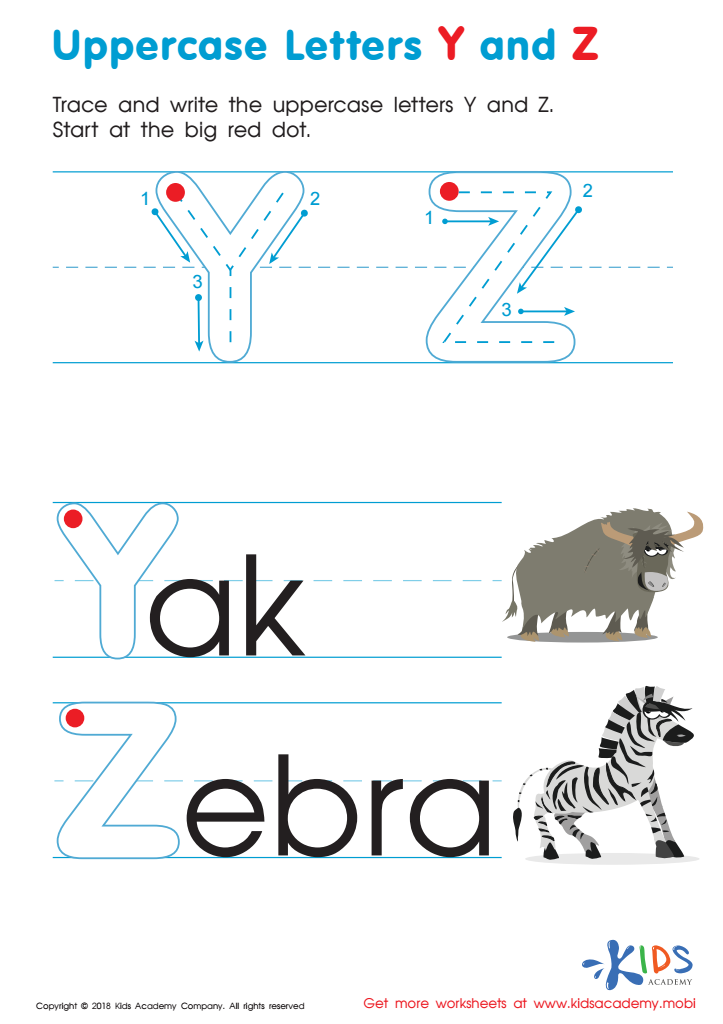
Uppercase Letters Y Z Worksheet
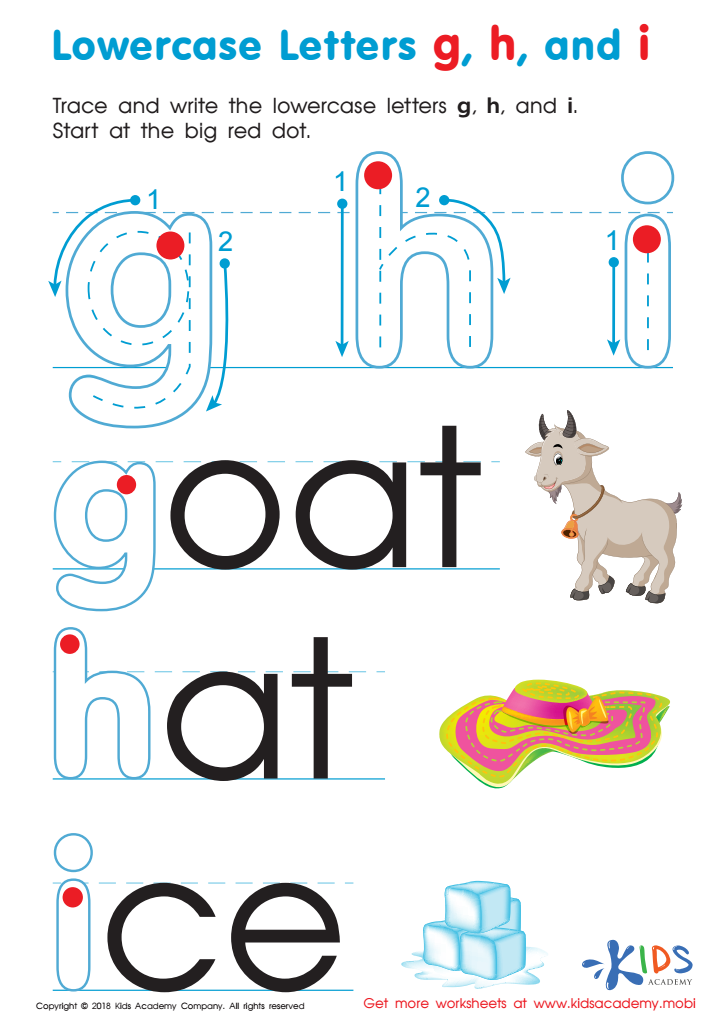
Lowercase Letters g h i Worksheet
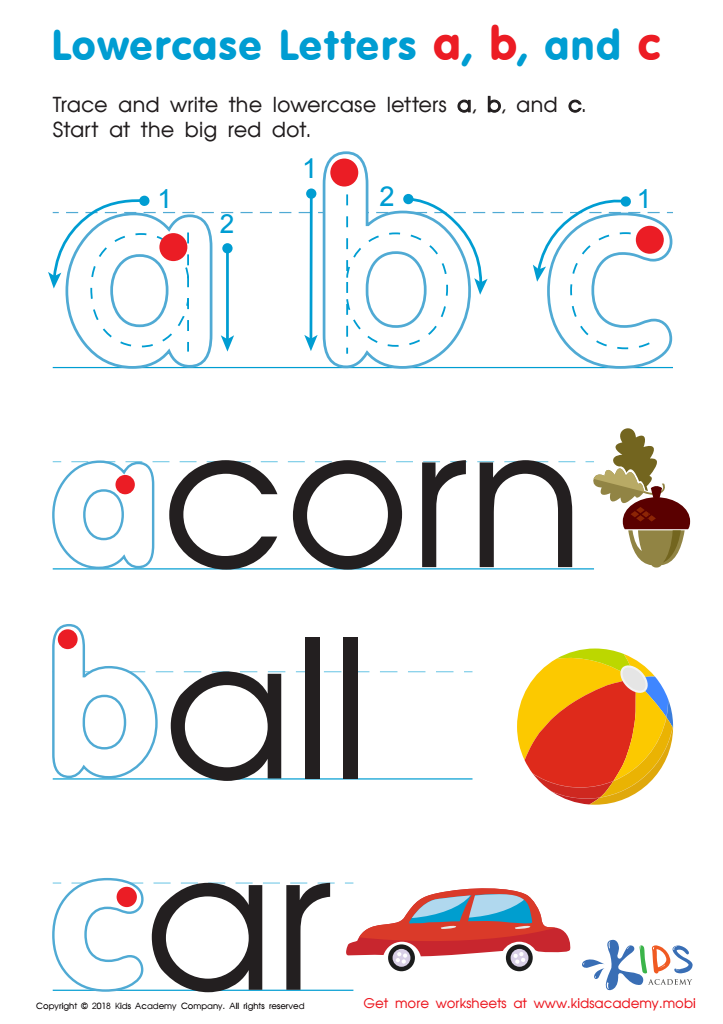
Lowercase Letters a b c Worksheet
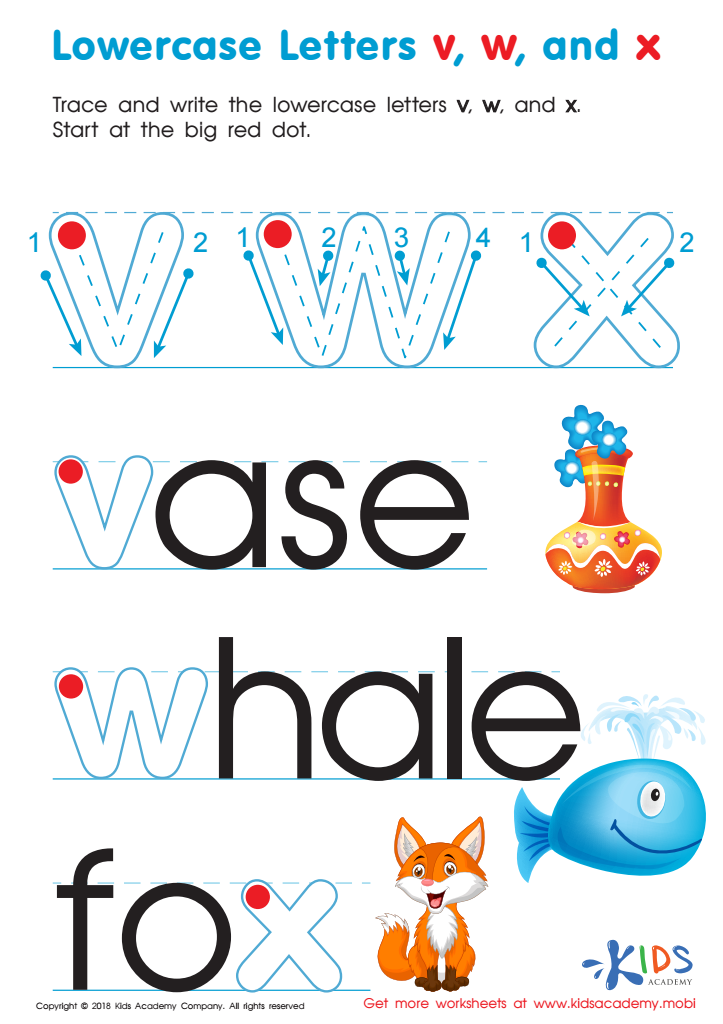
Lowercase Letters v w x Worksheet
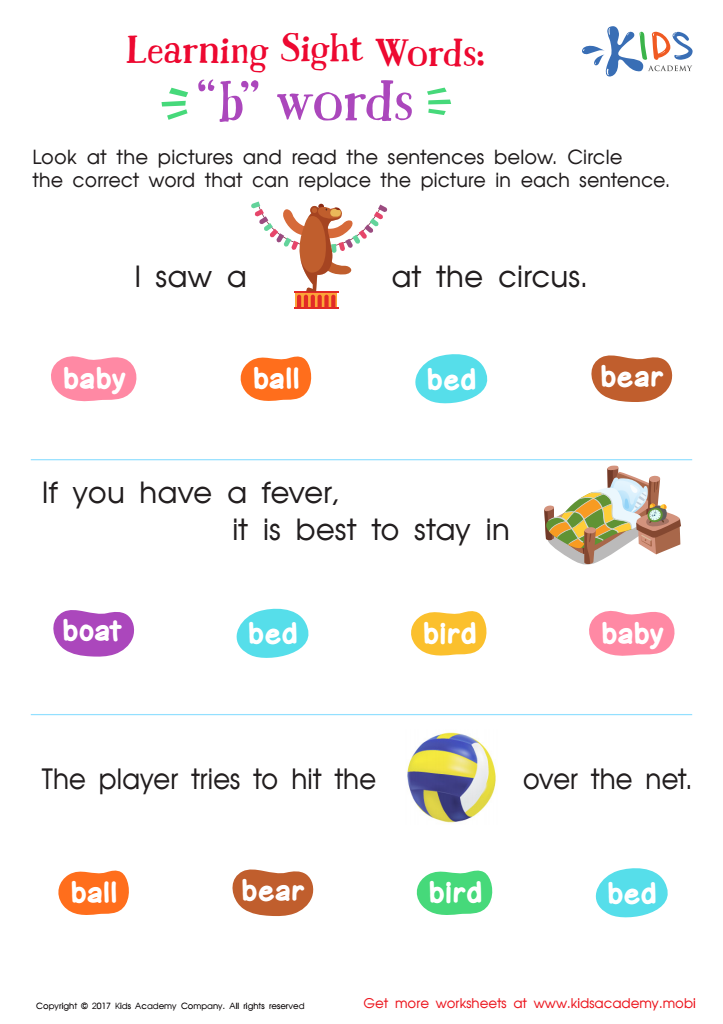
"B" Words Printable Sight Words Worksheet
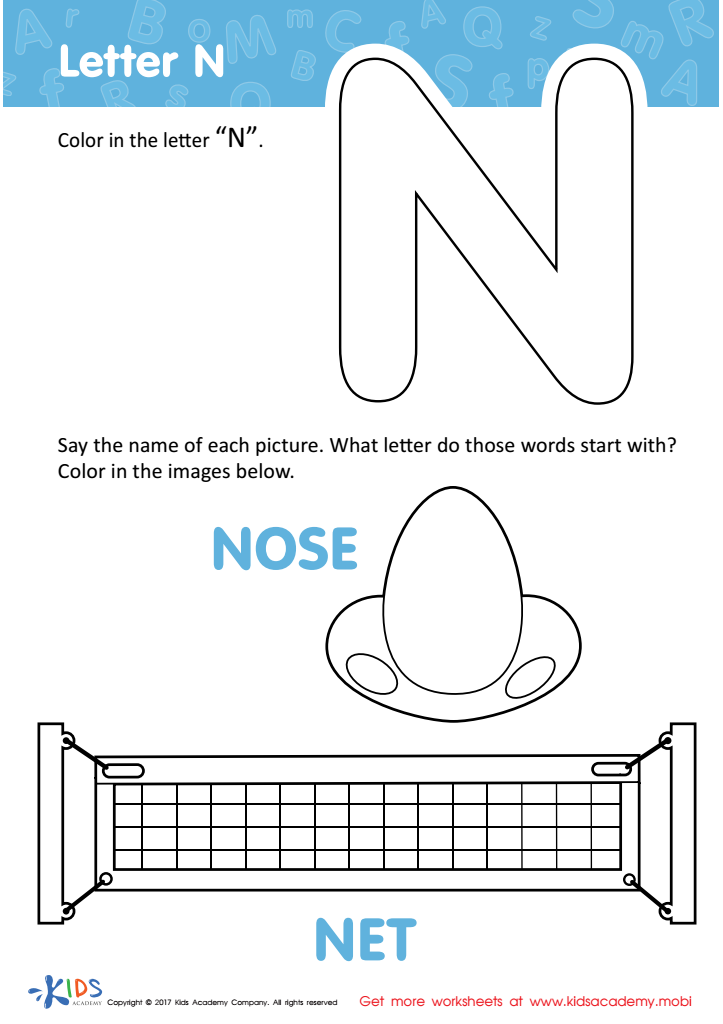
Letter N Coloring Sheet
Assign to My Students
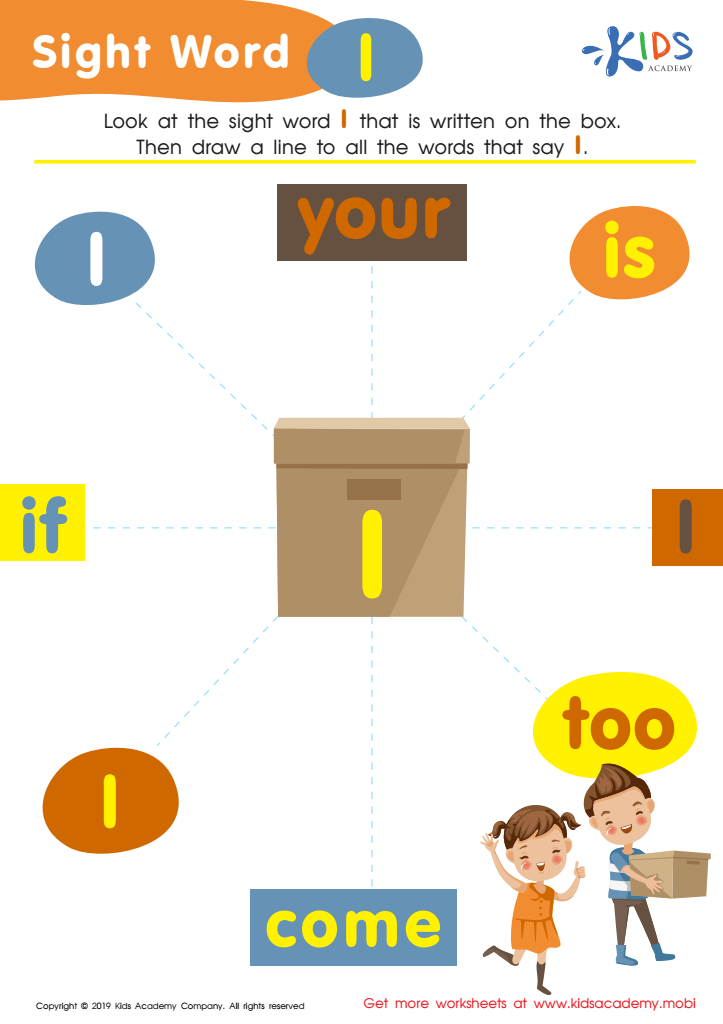
Sight Word I Worksheet
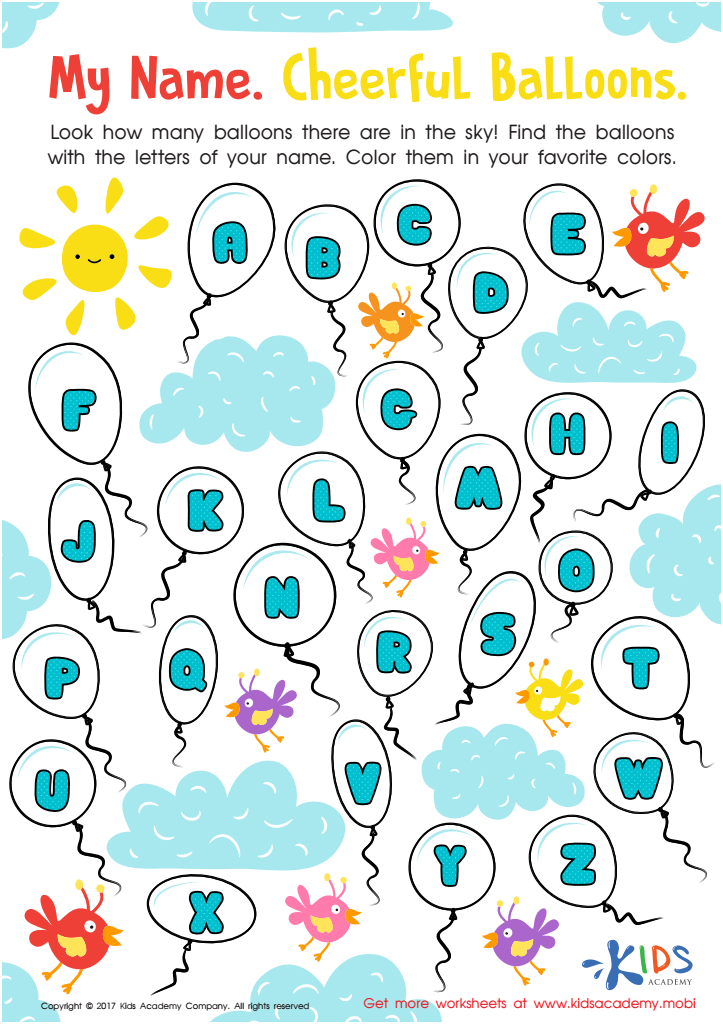
My Name: Cheerful Balloons Worksheet
Assign to My Students
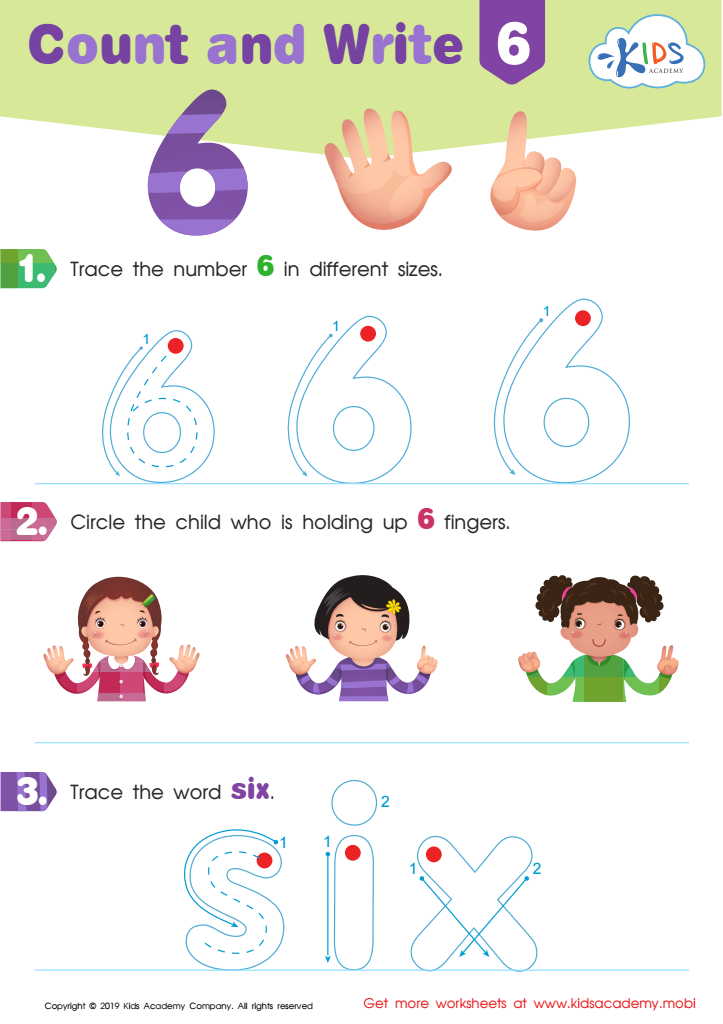
Count and Write 6 Worksheet
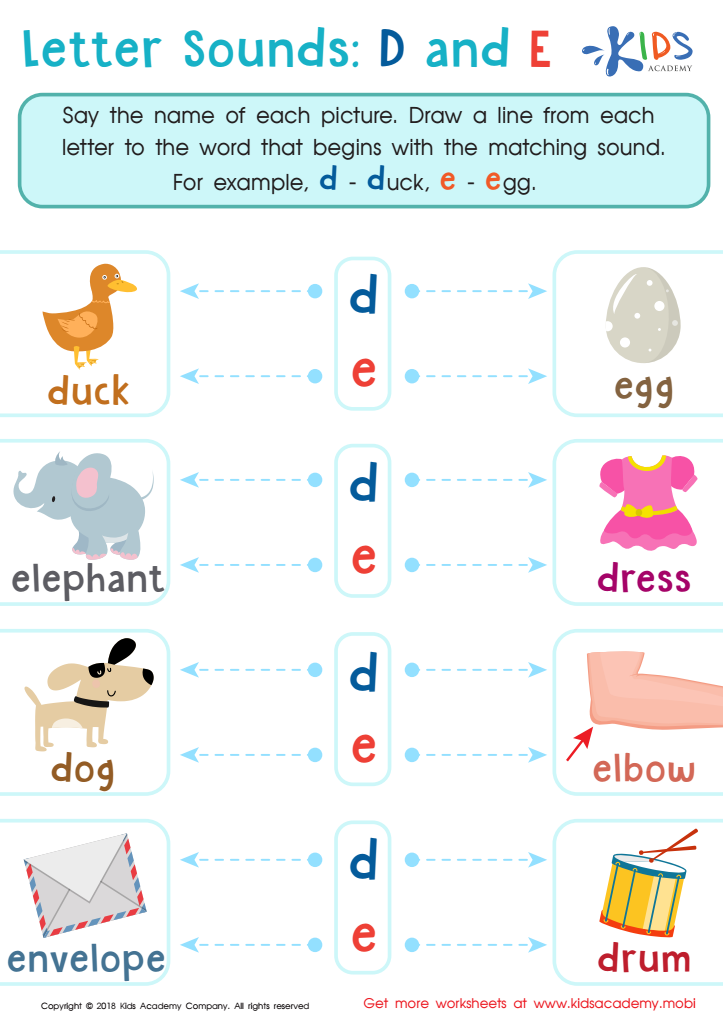
Letter D and E Sounds Worksheet
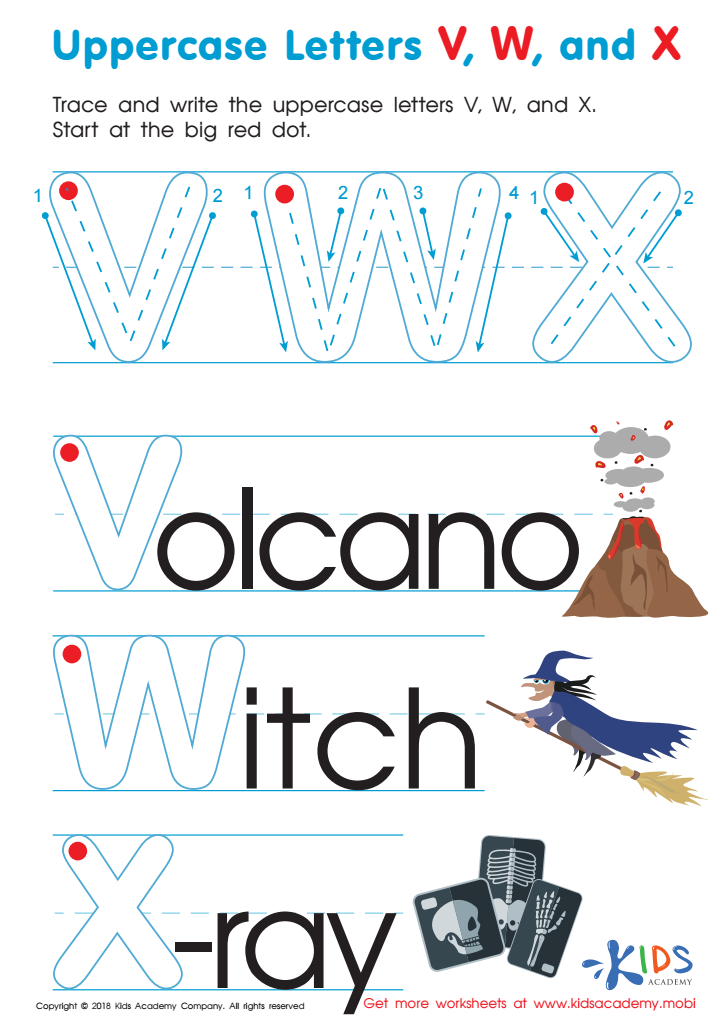
Uppercase Letters V, W, and X Worksheet
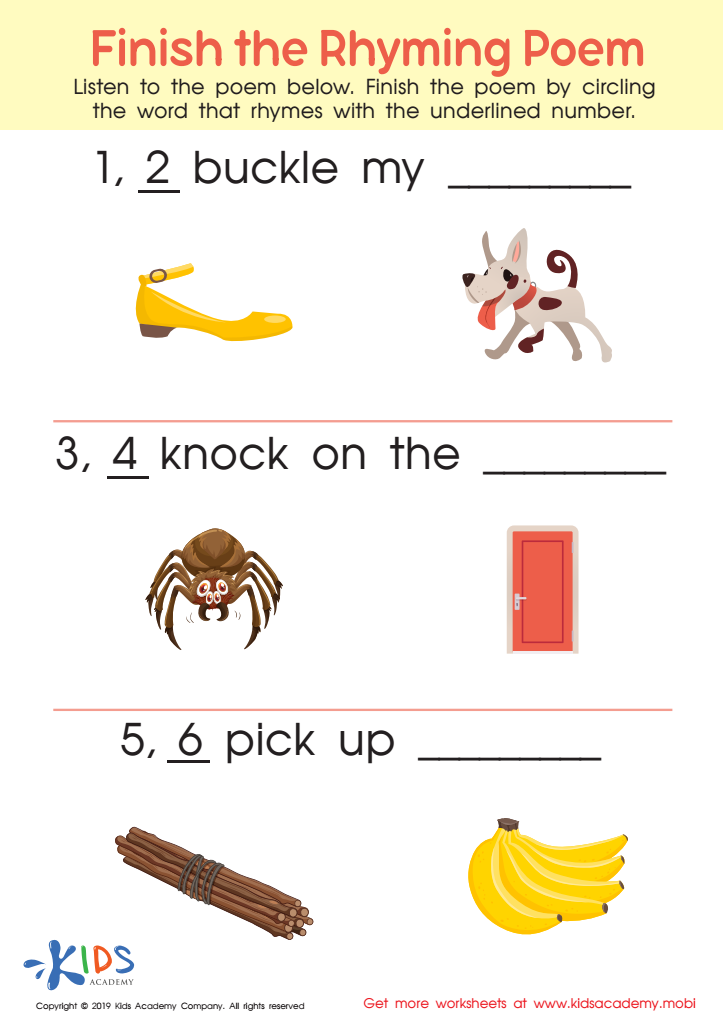
Finish Rhyming Poem Worksheet
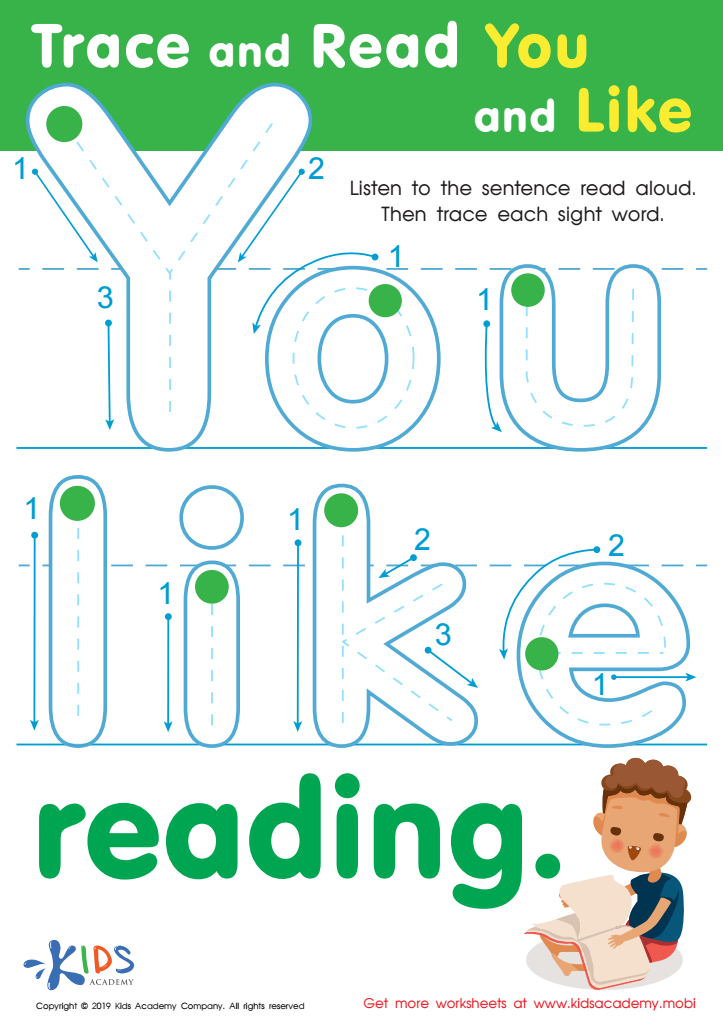
Trace Read You Like Worksheet
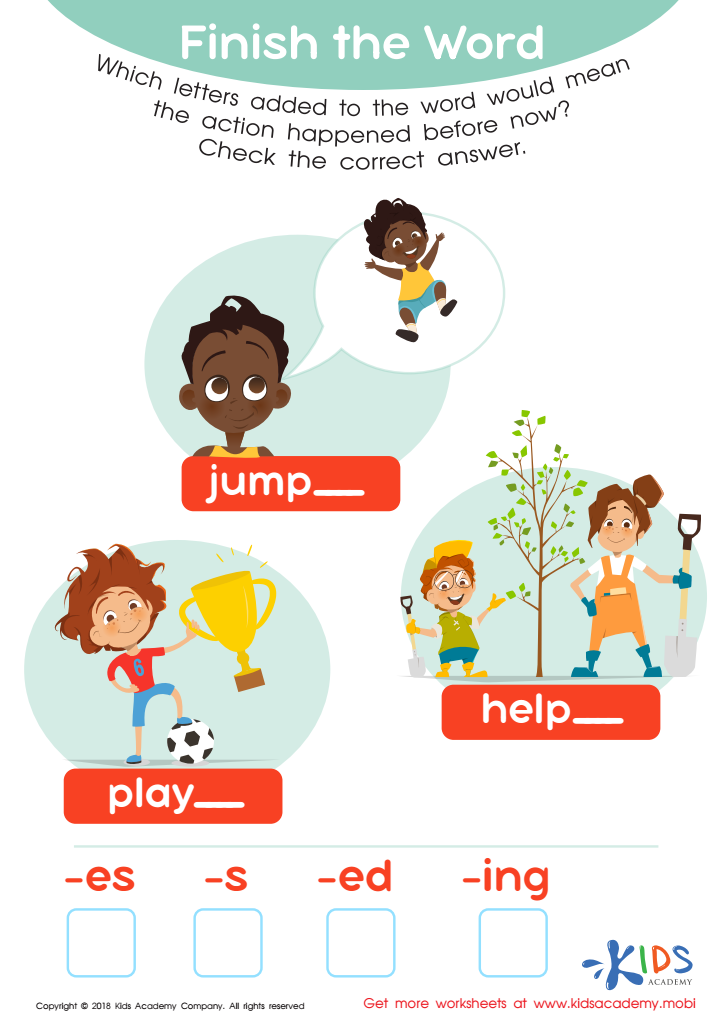
Finish the Word Worksheet








Handwriting practice for children aged 5-7 is crucial for several reasons that impact their academic and personal development. First, developing fine motor skills is essential at this age, as handwriting helps strengthen the small muscles in their hands and promotes coordination. This foundation is critical for later tasks that require dexterity, such as using scissors, typing, or playing musical instruments.
Additionally, consistent handwriting practice enhances cognitive development. Children become more familiar with letter shapes, which aids in reading and spelling. The process of writing by hand encourages better memory retention and understanding of language structure, as it requires active engagement with the material.
Beyond motor and cognitive skills, handwriting fosters a sense of pride and accomplishment in children. Writing allows them to express their thoughts and feelings, bolstering their self-esteem and emotional intelligence. It also cultivates discipline and focus, as the practice promotes patience and perseverance while developing their craft.
In sum, handwriting practice is not merely about producing neat letters; it’s about laying the groundwork for a variety of essential skills that contribute to a child’s overall growth and readiness for future academic challenges. Parents and teachers should prioritize this facet of education to ensure well-rounded development.








