Identify shapes Worksheets for Ages 5-7
13 filtered results
-
From - To
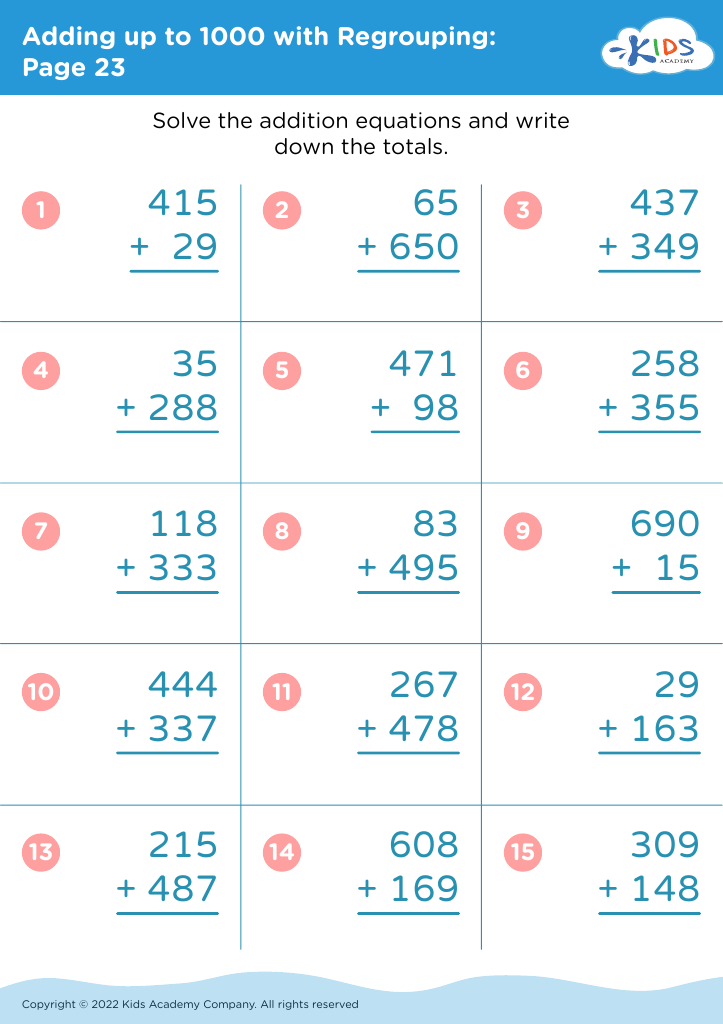
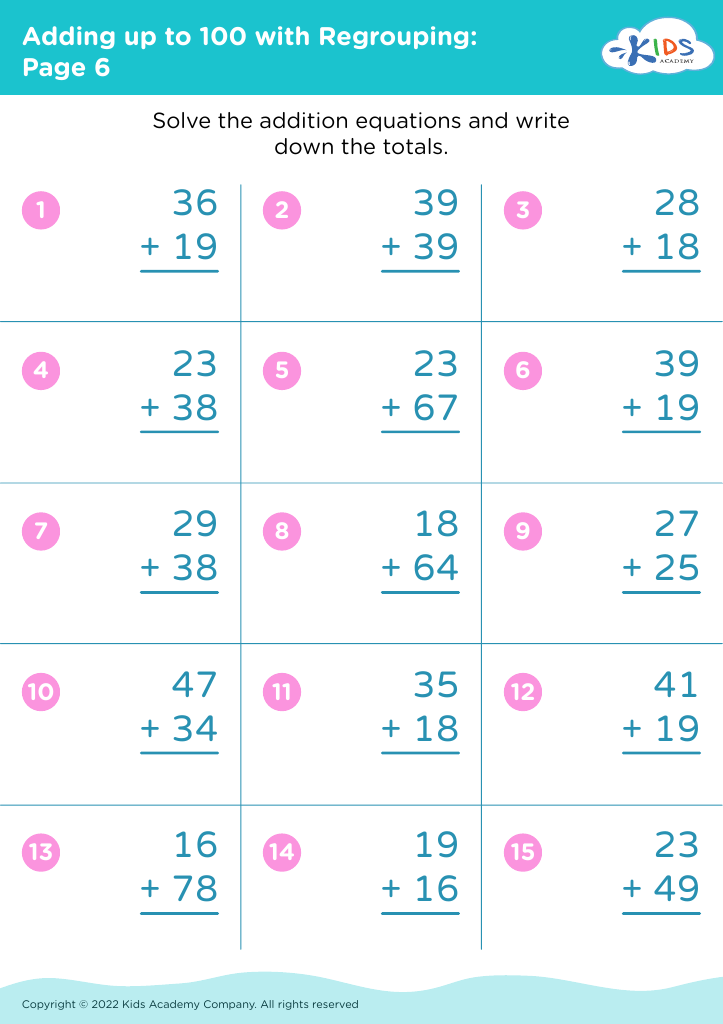
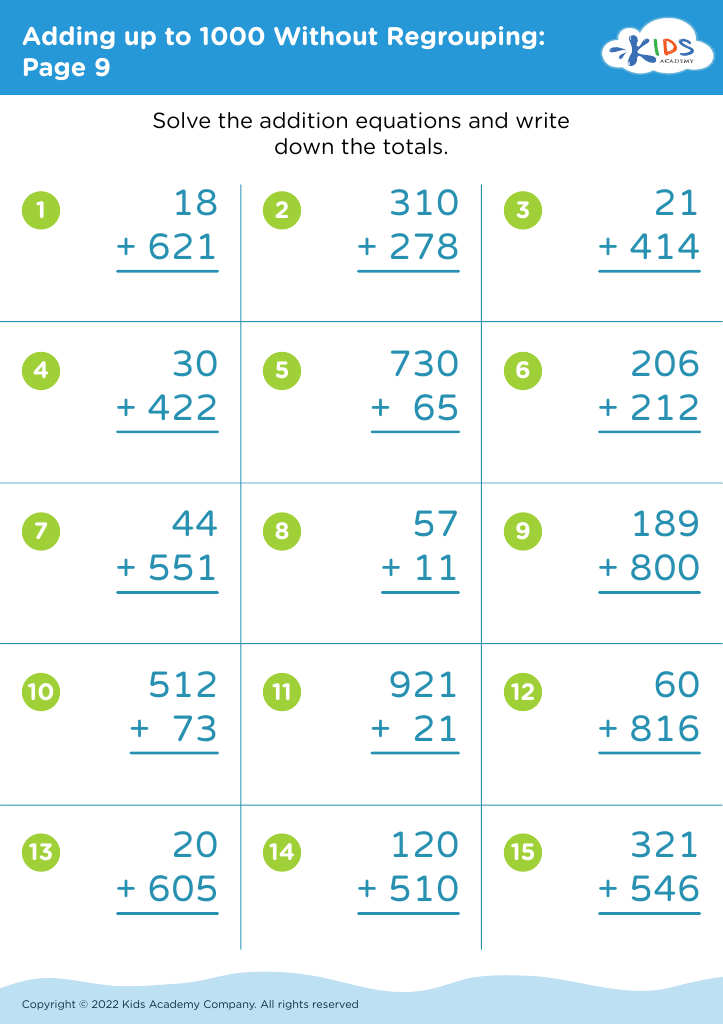
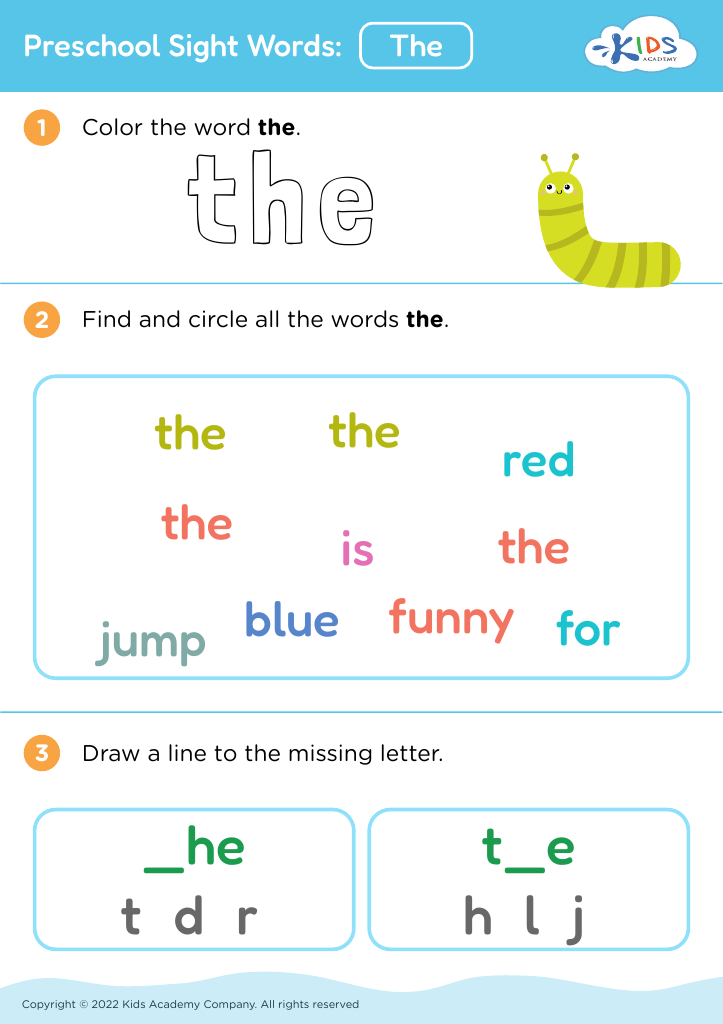
Discover our engaging "Identify Shapes Worksheets" designed for children aged 5-7! These interactive worksheets help young learners recognize, name, and categorize different shapes, enhancing their visual perception and spatial awareness. With activities that include coloring, matching, and simple puzzles, children not only enjoy themselves but also develop essential cognitive skills in a playful manner. Perfect for home or classroom use, our worksheets provide a solid foundation in geometry while encouraging creativity and critical thinking. Let your child explore the world of shapes with our thoughtfully crafted materials, making learning fun and effective! Start shaping their future today!
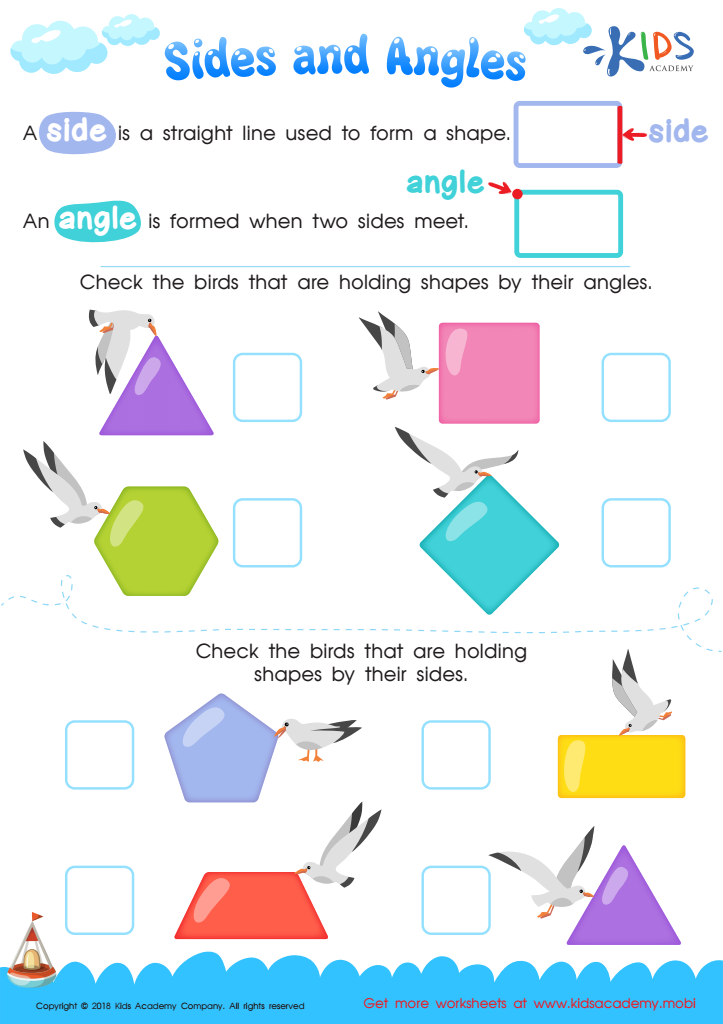
Sides and Angles Worksheet
 Assign to My Students
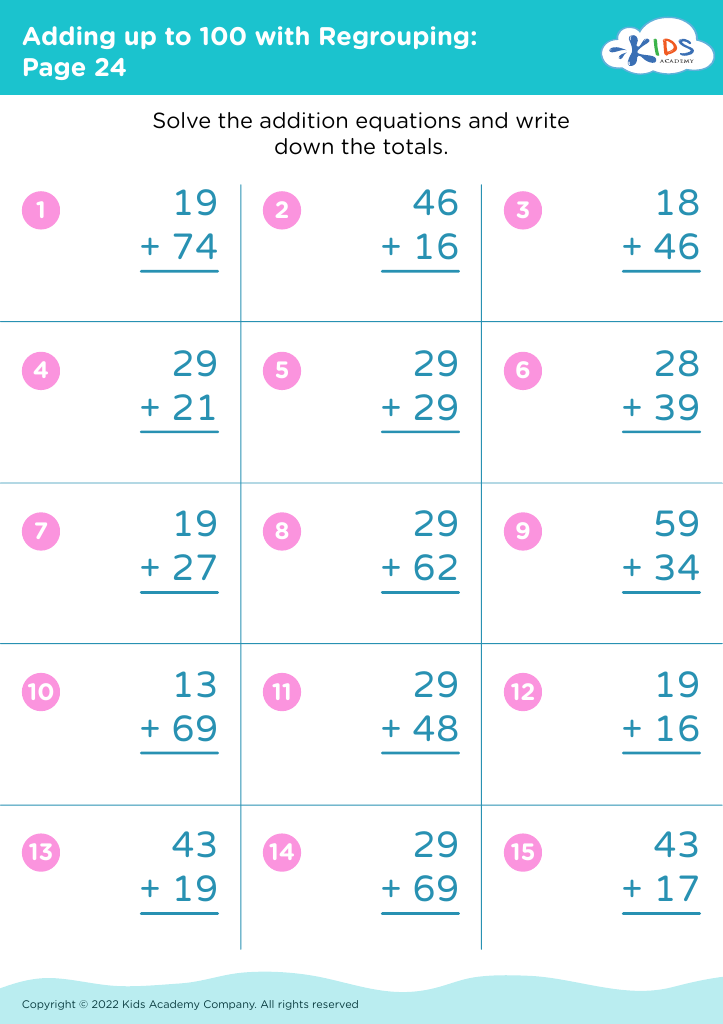
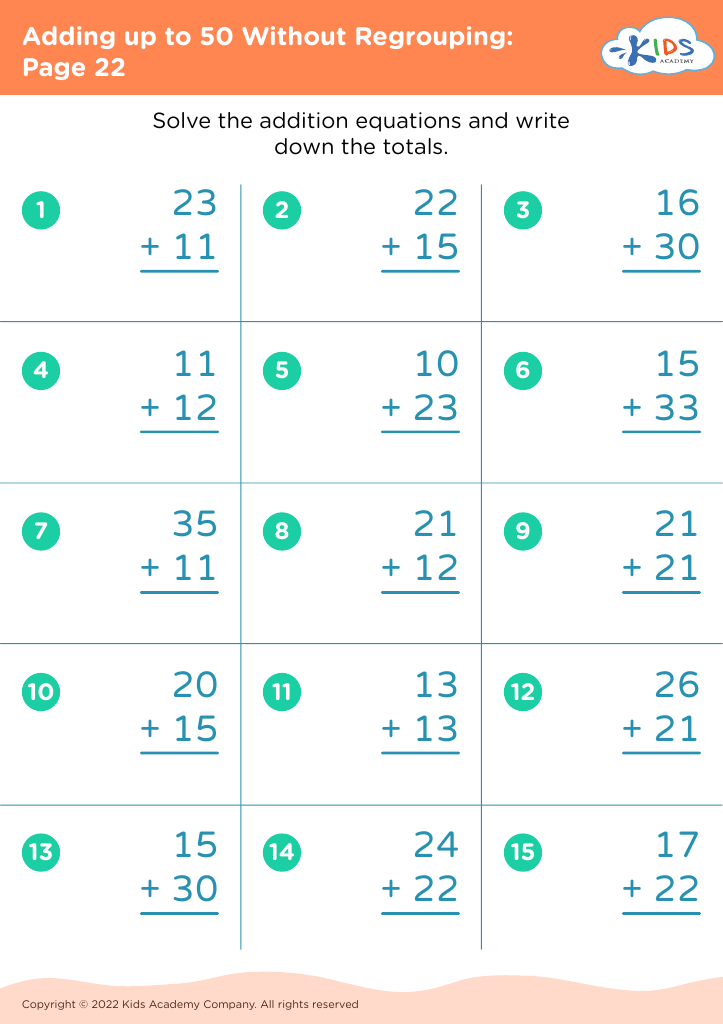
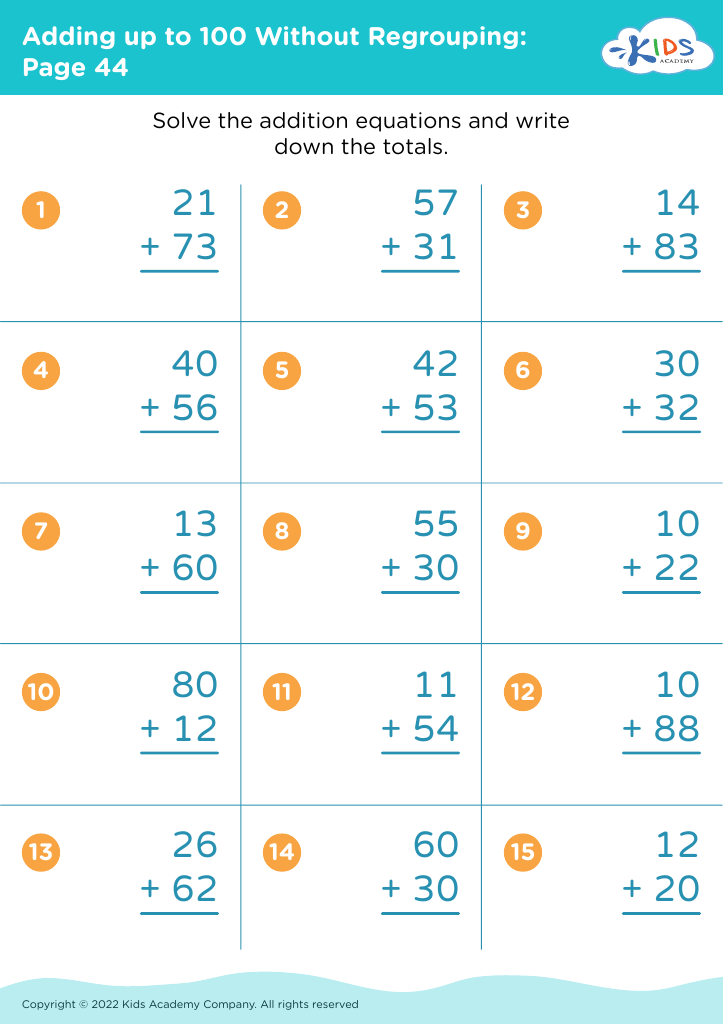



.jpg)



Identifying shapes is a foundational skill for children aged 5-7, playing a crucial role in their cognitive development and understanding of the world around them. Recognizing shapes helps children make sense of their environment, enhancing their spatial awareness. This skill lays the groundwork for more advanced mathematical concepts, such as geometry, measurement, and fractions.
Moreover, shape recognition is intricately linked to early literacy. As children identify various shapes, they develop observational skills important for reading and writing. Additionally, understanding shapes fosters critical thinking and problem-solving abilities, as children learn to categorize and differentiate objects, paving the way for analytical thinking.
Engaging with shapes encourages creativity and promotes fine motor skills through activities like drawing, cutting, and building. It also facilitates communication, as children begin to articulate their observations and thoughts about shapes in their surroundings.
Ultimately, teaching children to identify shapes informs their life skills, aiding them in navigation, art, and even basic life choices. Therefore, parents and teachers should prioritize shape recognition in early education to support overall cognitive, emotional, and social development, equipping children for future success in both academic and real-world contexts.








