Check out this FREE "Improve counting skills" Trial Lesson for age 5-7!

Exactly the Same, or Not

Favorites
With answer key
Interactive
  • 5-7
  • Improve counting skills
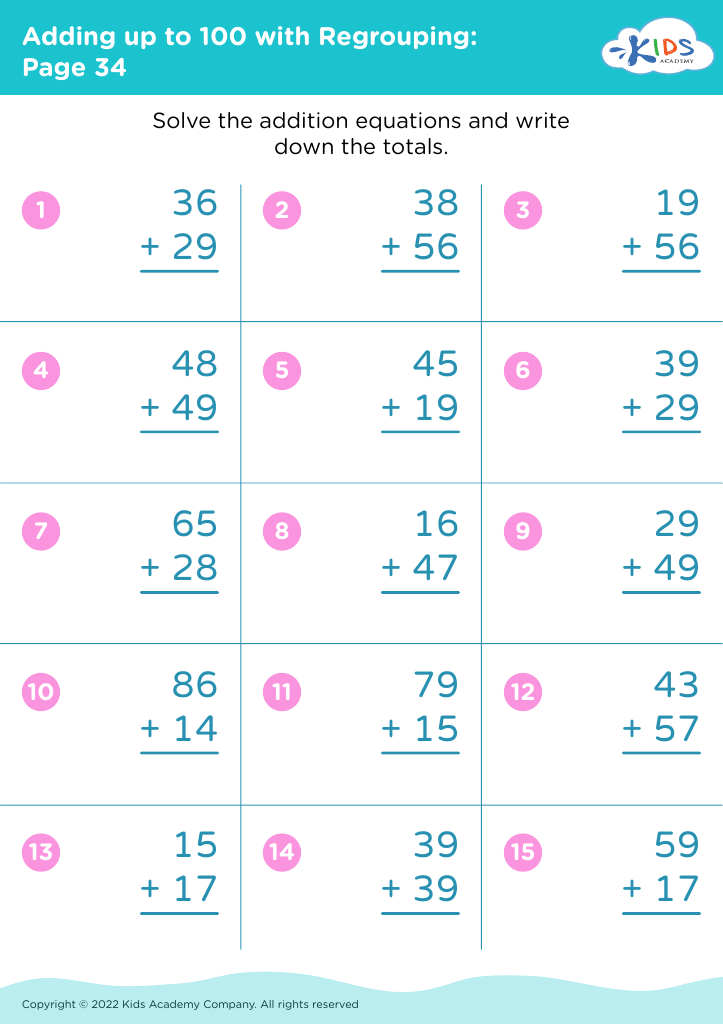
Adding up to 100 with Regrouping: Page 34
Worksheet
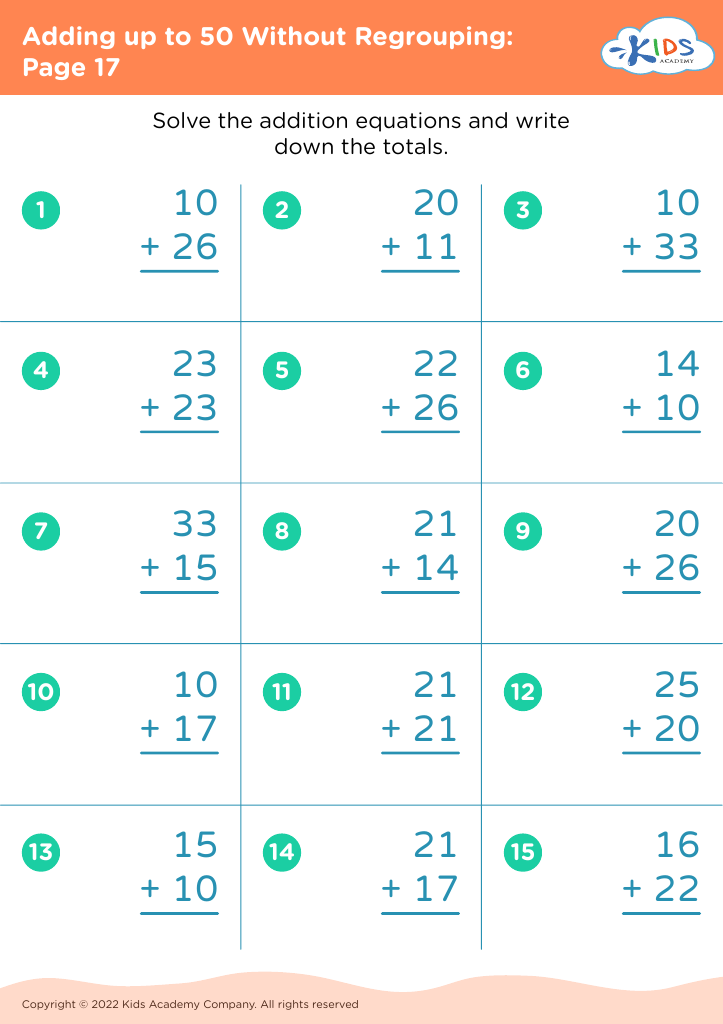
Adding up to 50 Without Regrouping: Page 17
Worksheet
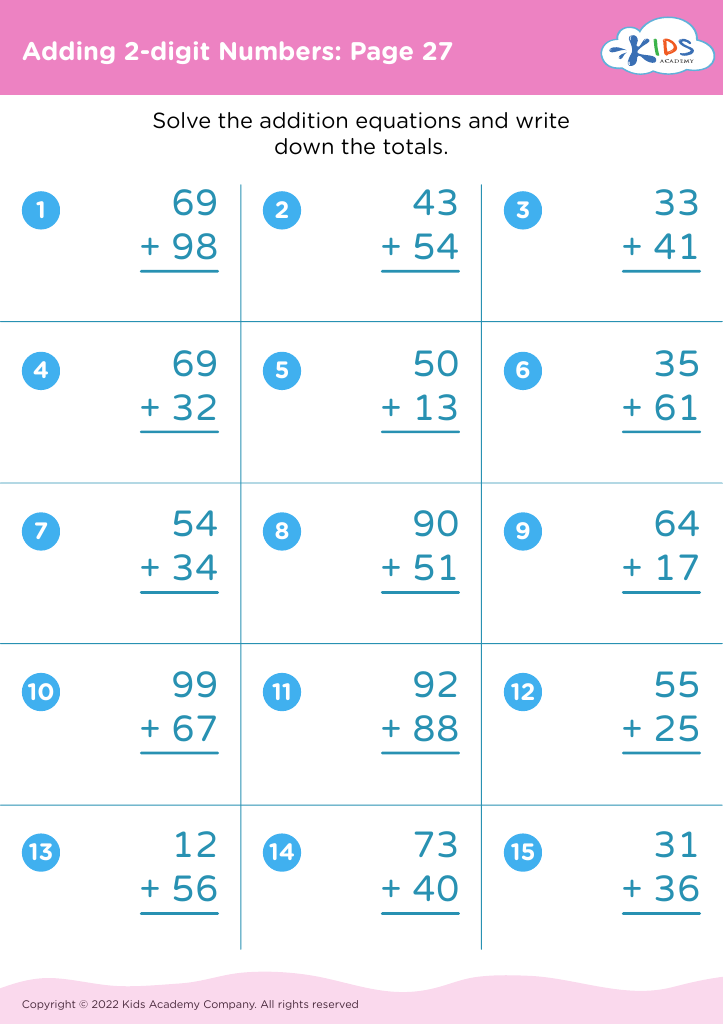
Adding 2-digit Numbers: Page 27

Adding 2-digit Numbers: Page 27

Adding 2-digit Numbers: Page 27
Worksheet
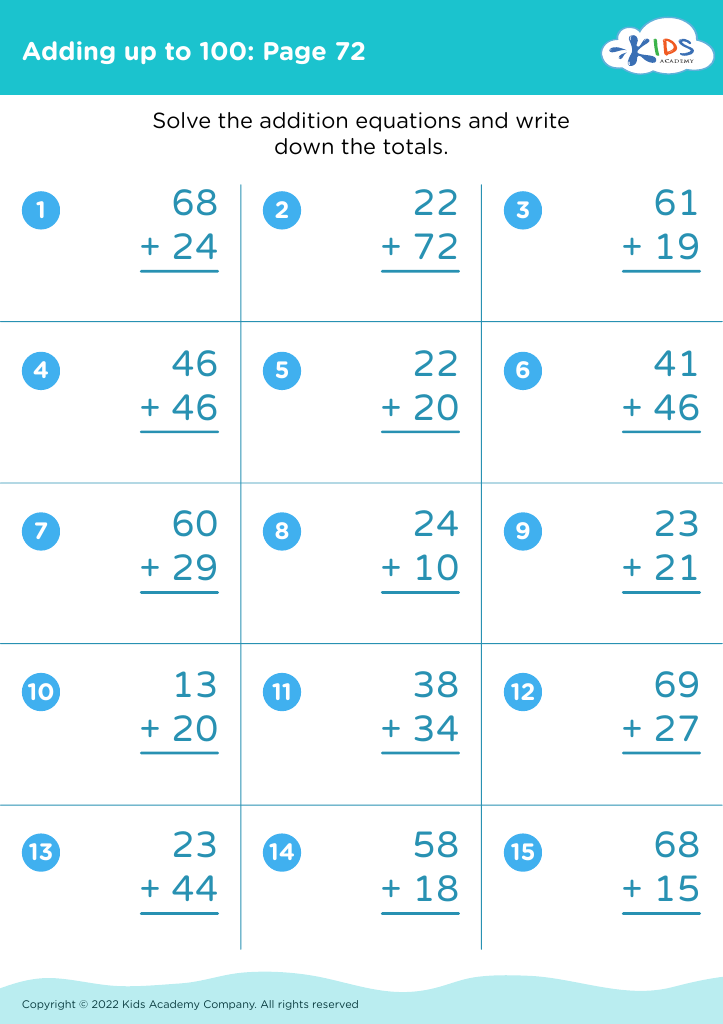
Adding up to 100: Page 72

Adding up to 100: Page 72

Adding up to 100: Page 72
Worksheet
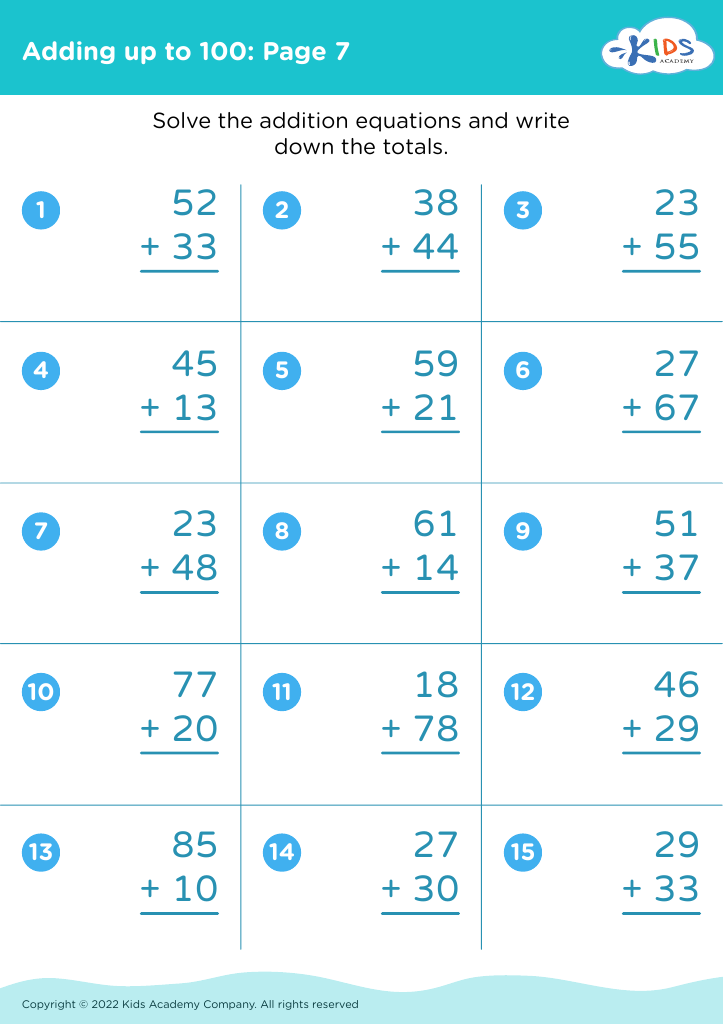
Adding up to 100: Page 7

Adding up to 100: Page 7

Adding up to 100: Page 7
Worksheet
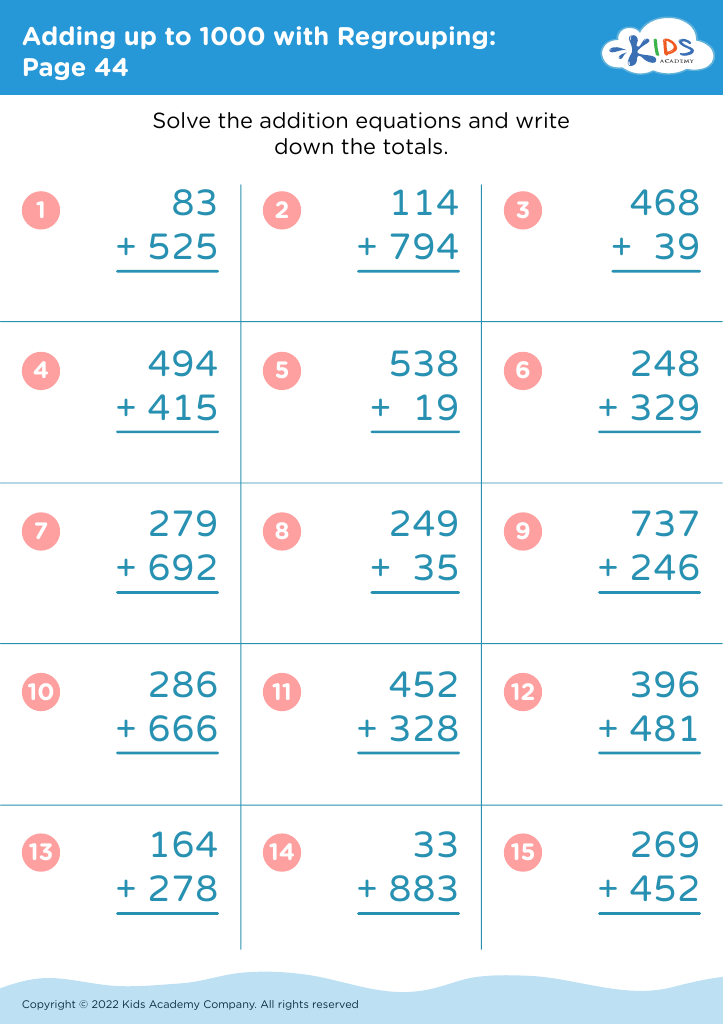
Adding up to 1000 with Regrouping: Page 44
Worksheet
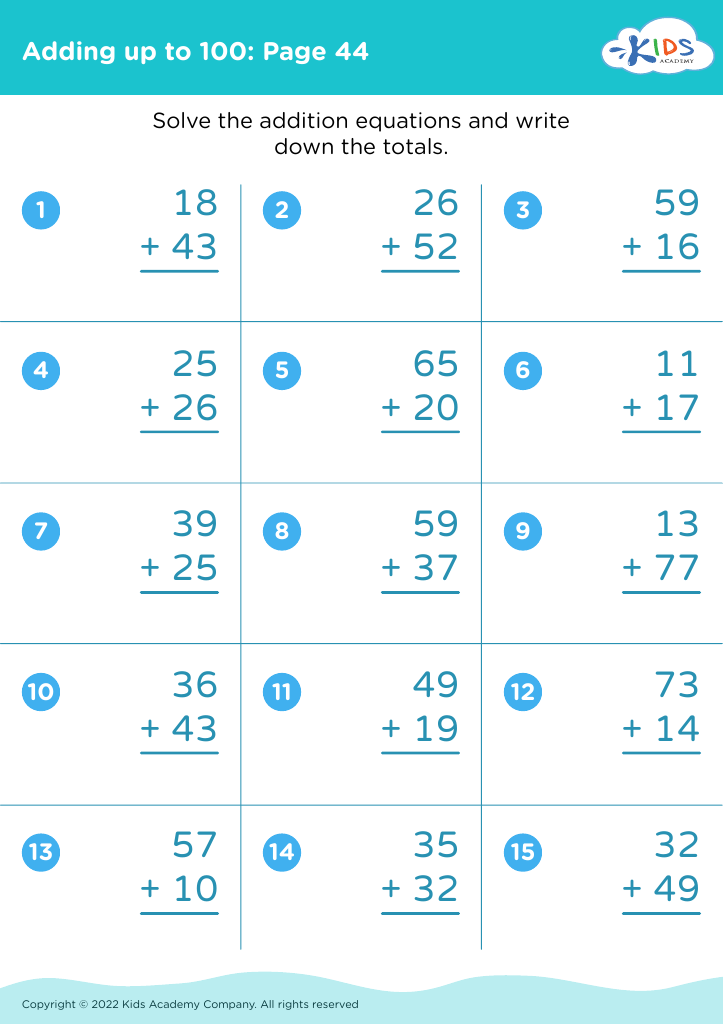
Adding up to 100: Page 44

Adding up to 100: Page 44

Adding up to 100: Page 44
Worksheet
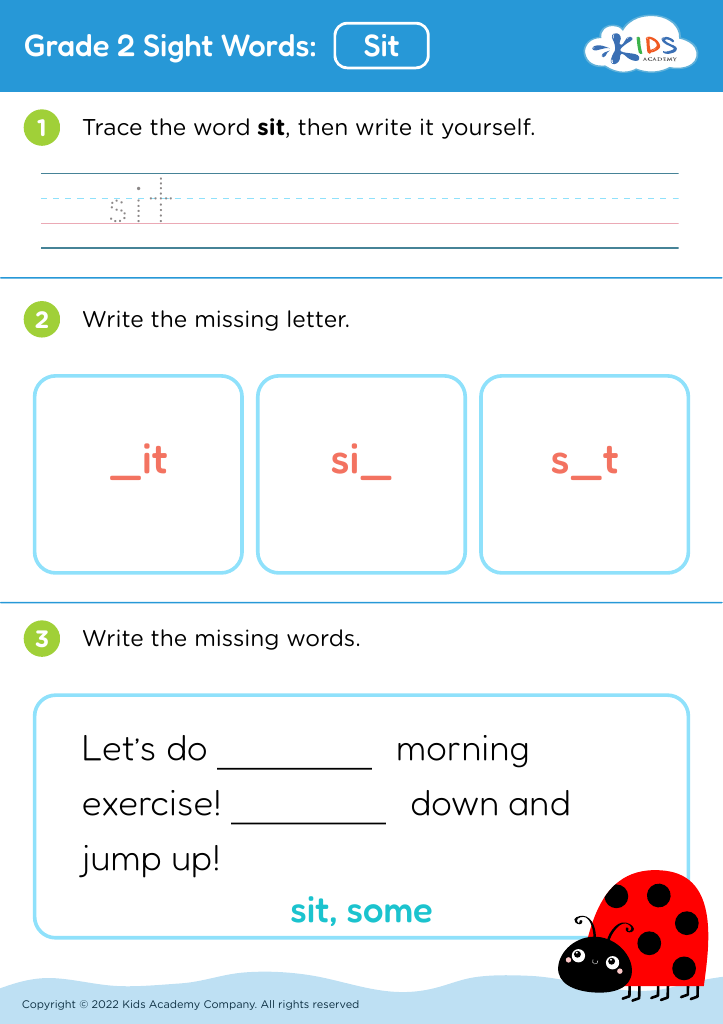
Grade 2 Sight Words: Sit

Grade 2 Sight Words: Sit

Grade 2 Sight Words: Sit
Worksheet
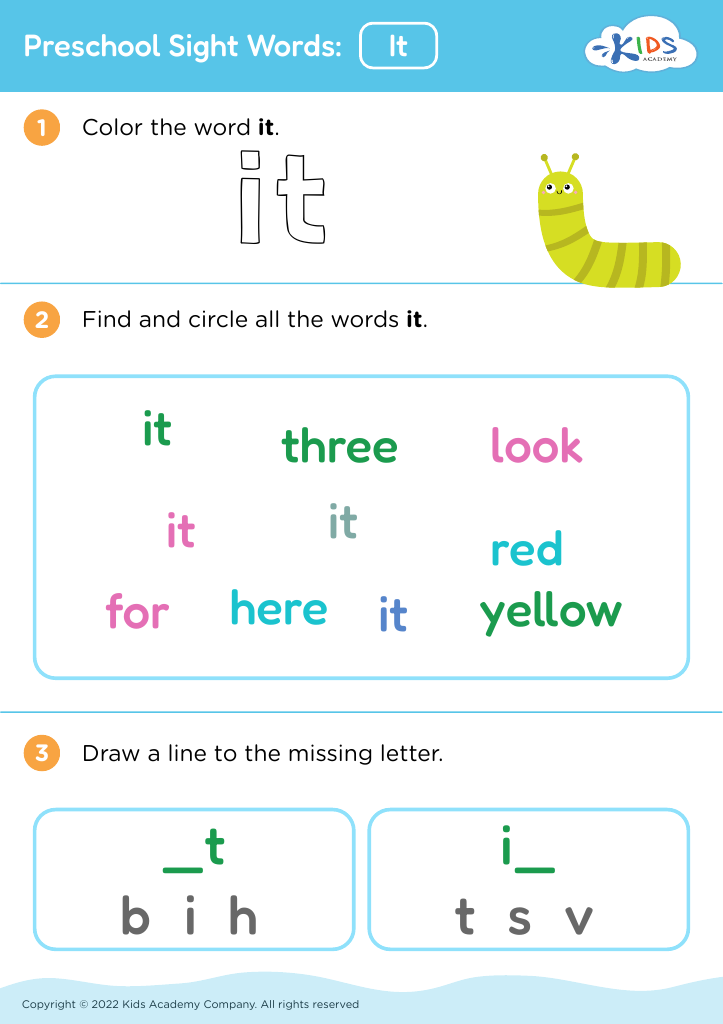
Preschool Sight Words: It

Preschool Sight Words: It

Preschool Sight Words: It
Worksheet
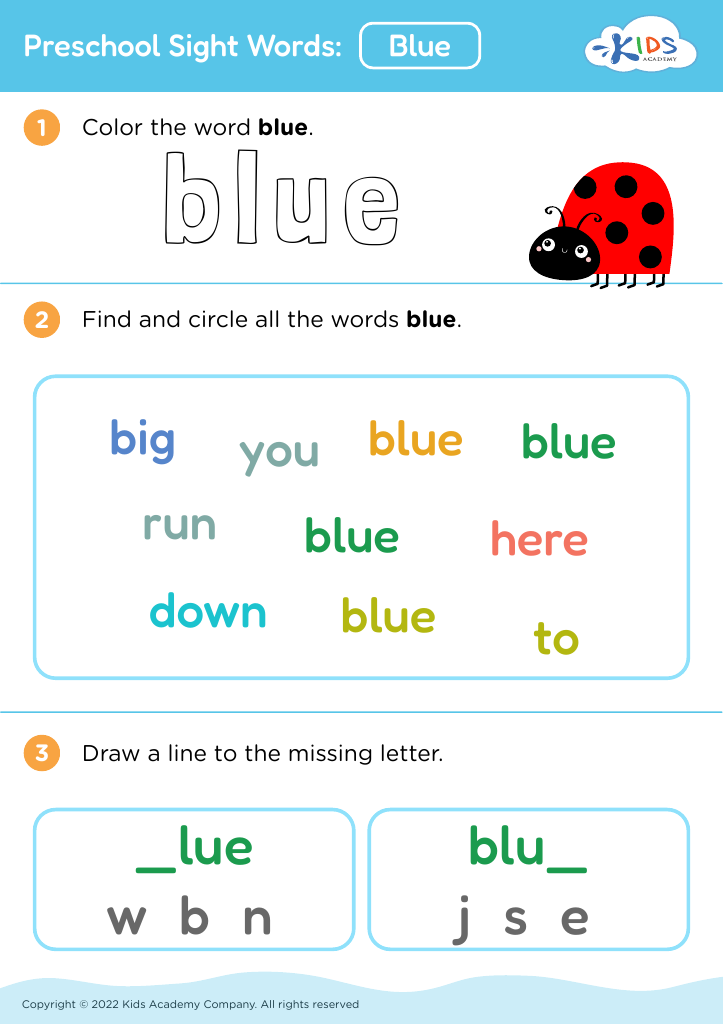
Preschool Sight Words: Blue

Preschool Sight Words: Blue

Preschool Sight Words: Blue
Worksheet
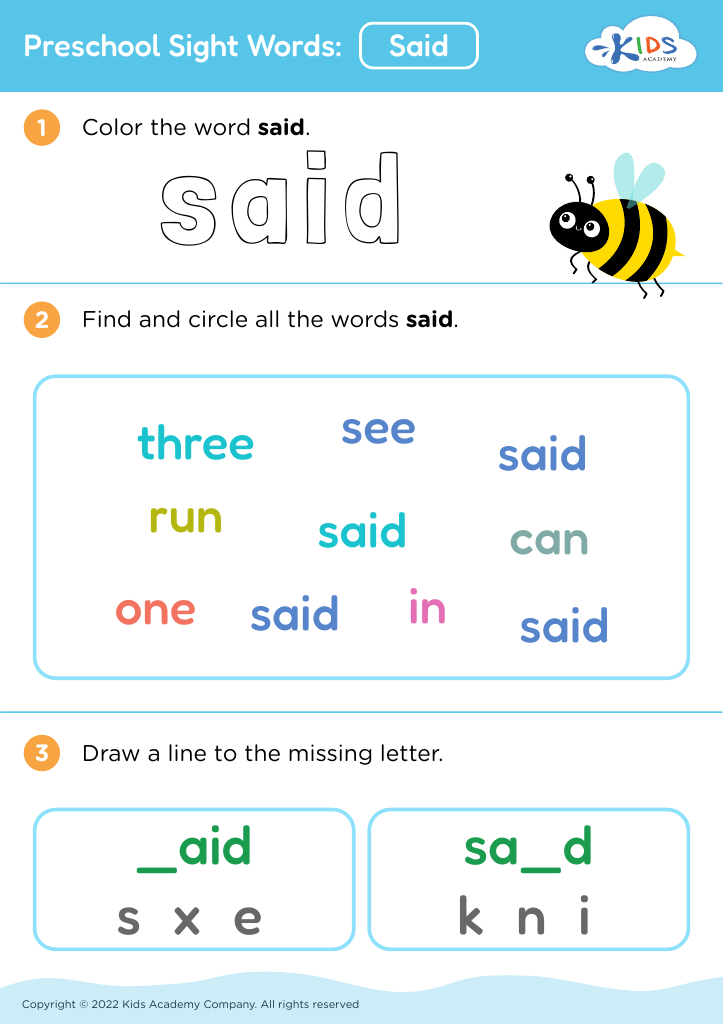
Preschool Sight Words: Said

Preschool Sight Words: Said

Preschool Sight Words: Said
Worksheet
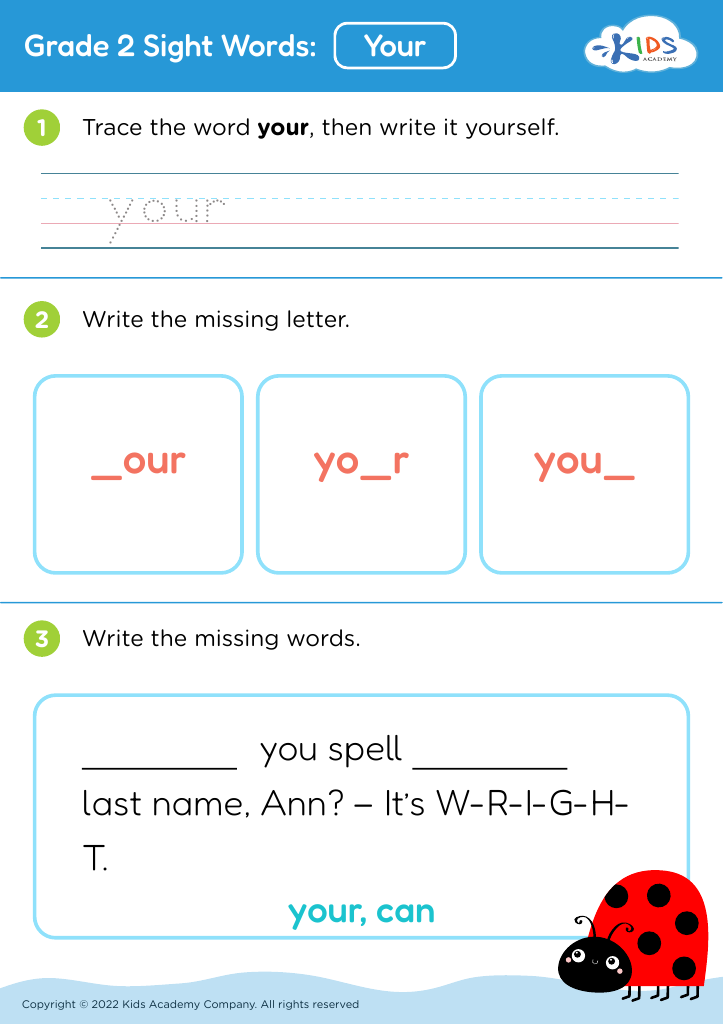
Grade 2 Sight Words: Your

Grade 2 Sight Words: Your

Grade 2 Sight Words: Your
Worksheet


... 2 3

Improving counting skills for children aged 5-7 is essential for several reasons. Firstly, counting forms the foundation of early mathematics, which is crucial for future academic success. As children at this age begin to grasp basic numerical concepts, their ability to count supports their understanding of addition, subtraction, and other mathematical operations.

Additionally, strong counting skills enable children to develop their problem-solving abilities and critical thinking. These foundational skills are transferable to everyday situations, such as handling money, measuring ingredients in cooking, and understanding time, which enhances their cognitive growth.

Moreover, nurturing counting skills fosters confidence and a positive attitude towards learning. When children master counting, they experience a sense of achievement that encourages them to engage more in classroom activities. Furthermore, counting can be integrated with play-based learning, making it enjoyable and motivational for young learners.

Lastly, collaboration among parents and teachers reinforces counting skills at home and in school. This partnership ensures that children receive consistent support, making the learning process seamless and effective. Therefore, prioritizing counting skills is an investment in a child's overall development and future academic readiness.