Improving analytical skills Worksheets for Ages 5-7
6 filtered results
-
From - To
Nurture young minds with our "Improving Analytical Skills" worksheets for ages 5-7 at Kids Academy. Designed to make learning fun, these printables help children develop critical thinking and problem-solving abilities through engaging activities. Perfect for classrooms and home use, each worksheet offers exercises that enhance logical reasoning, pattern recognition, and decision-making skills. Our expertly crafted materials ensure that your child gains confidence and mastery in essential analytical skills. Download now to give your little learner a head start in cognitive development and academic success!
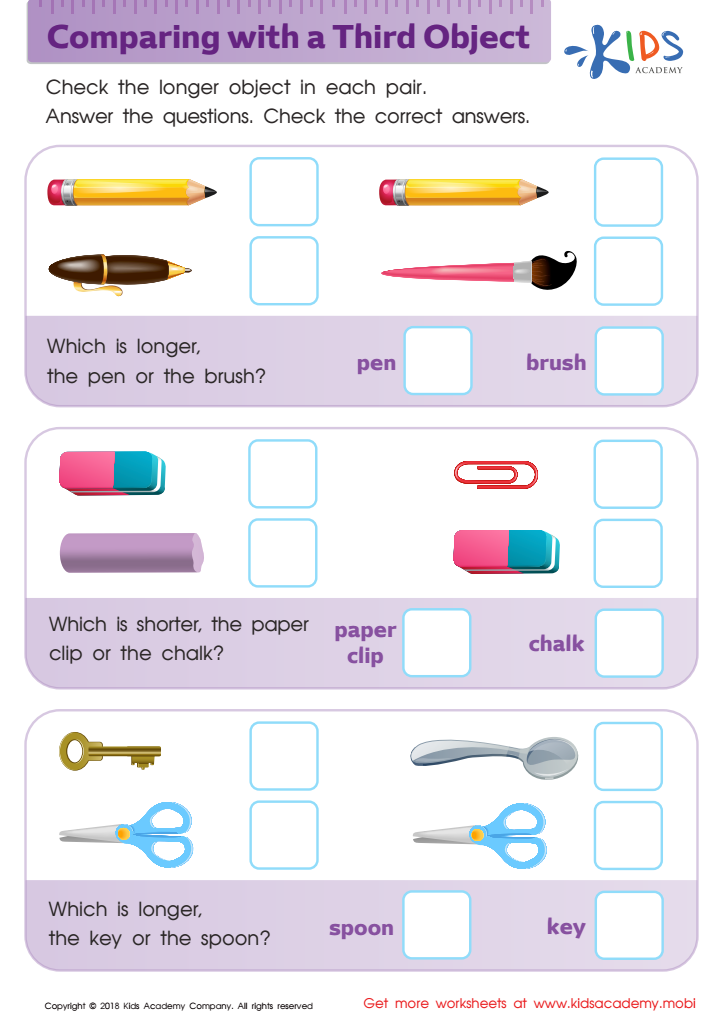
Comparing with a Third Object Worksheet
 Assign to My Students
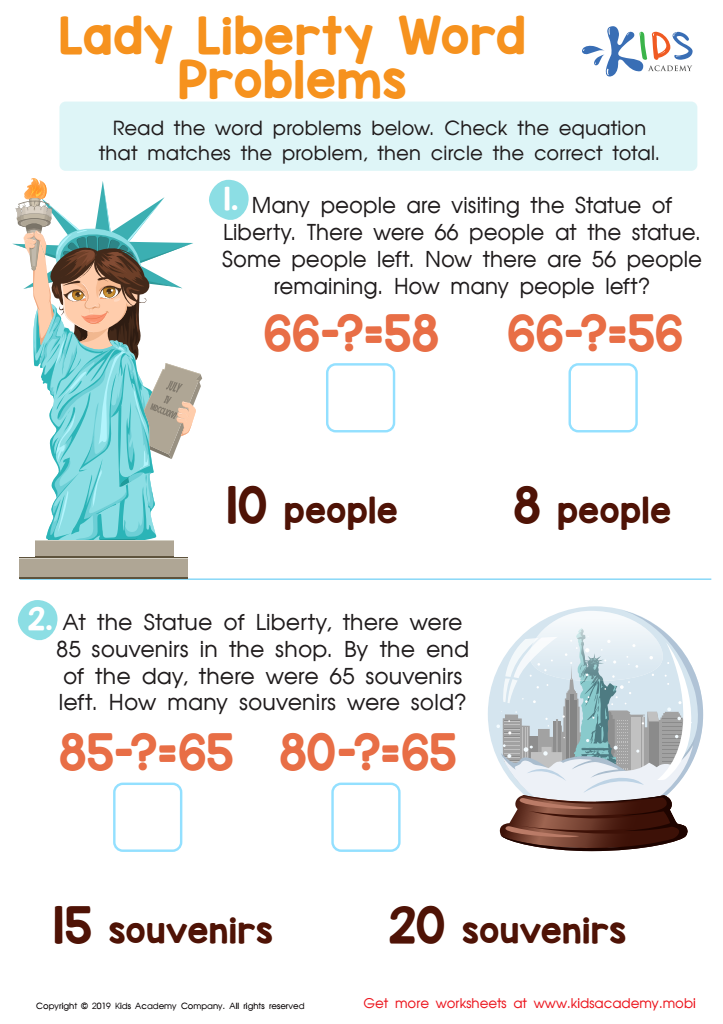
Lady Liberty Worksheet
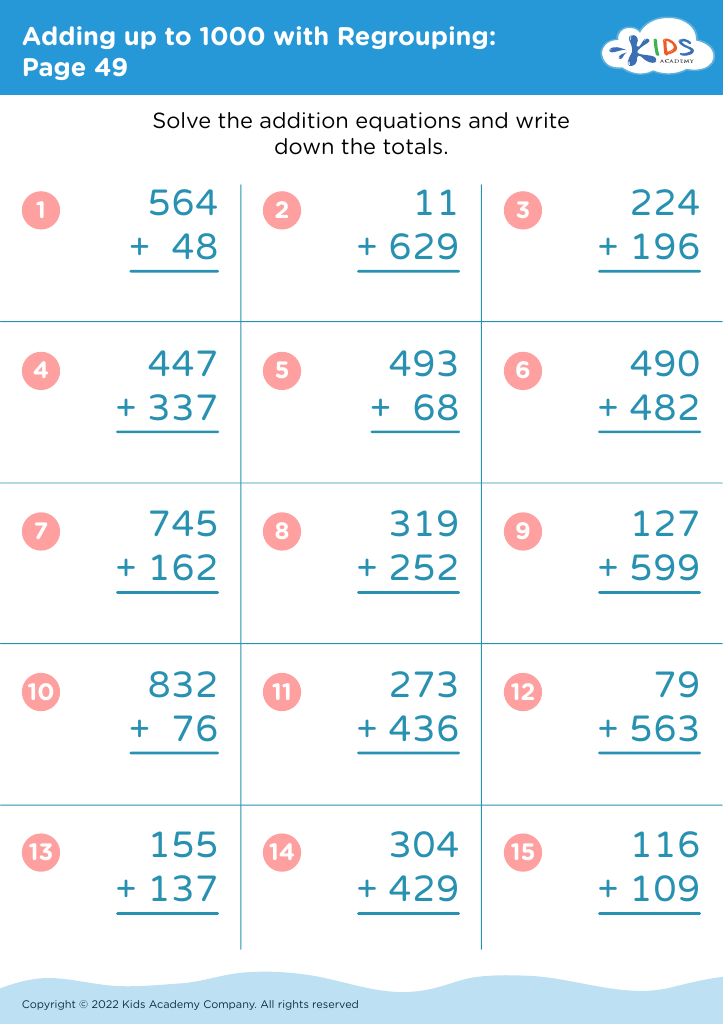
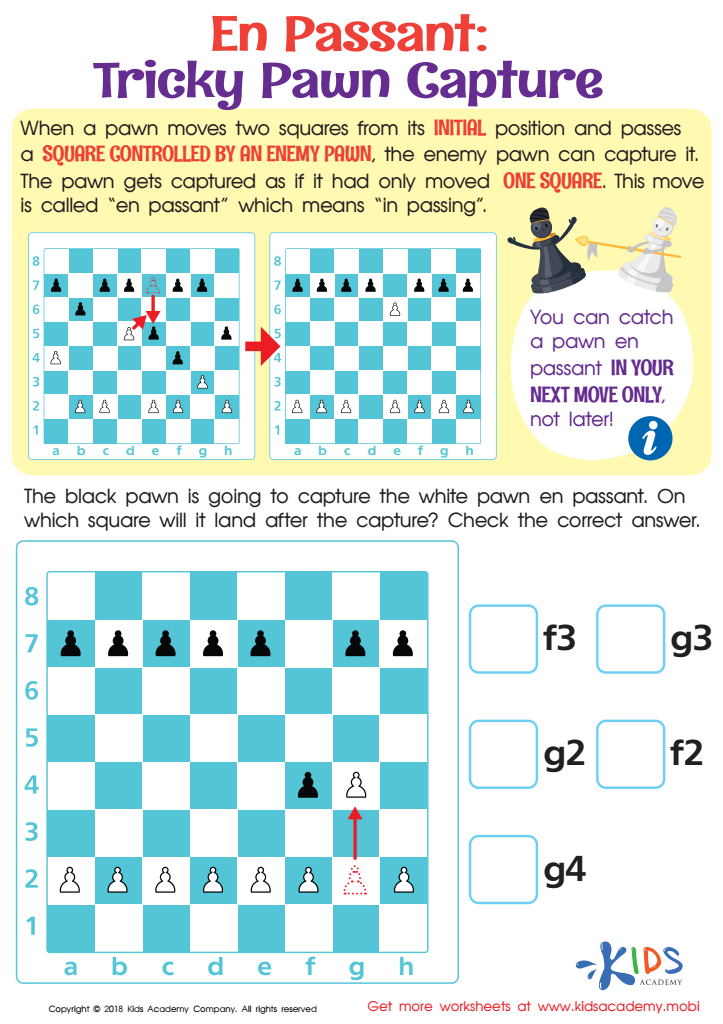
En Passant: Tricky Pawn Capture Worksheet
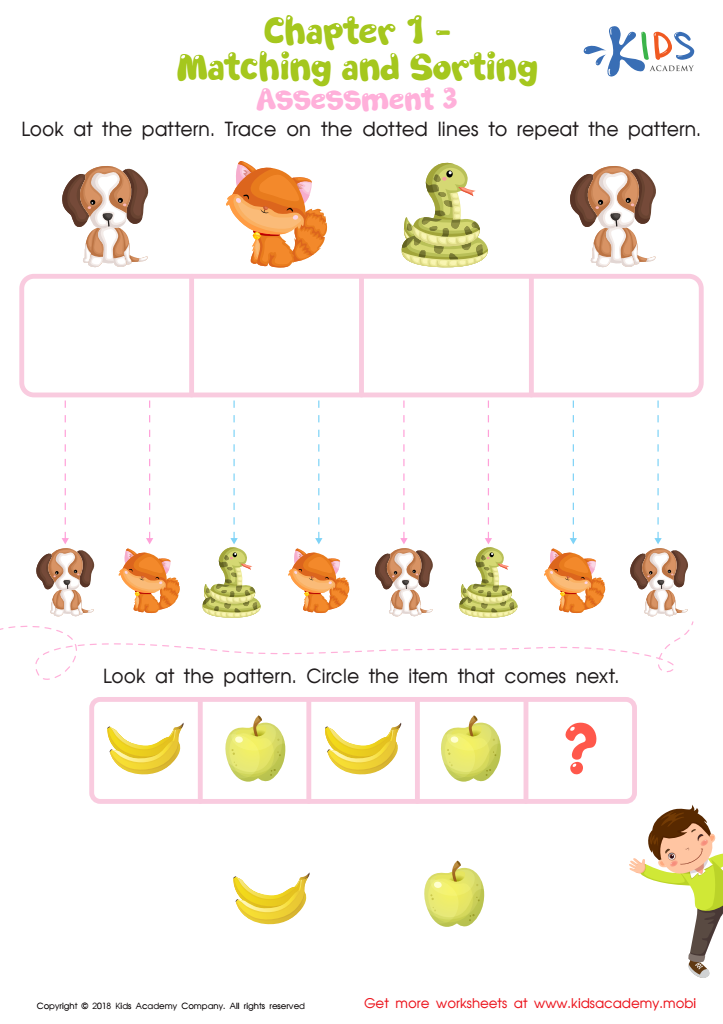
Matching and Sorting for Preschool: Assessment 3 Worksheet
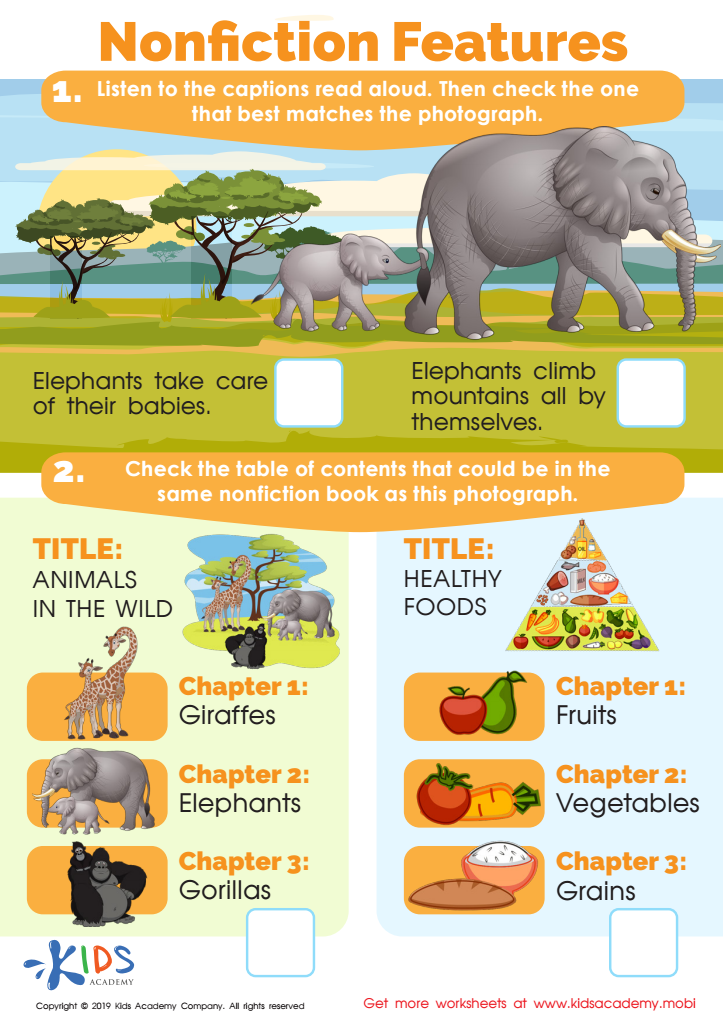
Nonfiction Features Worksheet






Improving analytical skills in children aged 5-7 is profoundly beneficial as it lays the groundwork for critical thinking and problem-solving capabilities essential throughout their lives. At this formative stage, children are naturally curious and inquisitive. Encouraging analytical thinking taps into this curiosity and helps them make sense of the world around them. By developing these skills early on, children learn to observe, compare, contrast, and categorize information. This not only enhances their academic performance, particularly in subjects like math and science, but also improves their ability to understand and retain new information.
Furthermore, strong analytical skills foster independence. Children who can think analytically are better equipped to make decisions and solve problems autonomously. This self-sufficiency is crucial as they encounter new challenges and gradually increase their responsibilities both in and outside of school.
In addition, these skills inspire a lifelong love of learning and intellectual growth. When children can analyze and understand the 'why' and 'how' of things, they become more engaged and motivated learners. Therefore, parents and teachers should prioritize fostering analytical skills through engaging activities such as puzzles, games, and exploratory questions, thereby instilling a strong foundation for future academic and personal success.








