
Improving analytical thinking Worksheets for Ages 5-7
3 filtered results
Difficulty Level
Grade
Age
-
From - To
Subject
Activity
Standards
Unlock your child's potential with our "Improving Analytical Thinking Worksheets" designed specifically for ages 5-7. These engaging and interactive worksheets foster critical thinking skills, encouraging young learners to analyze, evaluate, and solve problems creatively. With a variety of fun exercises and captivating themes, your child will enhance their ability to comprehend relationships, recognize patterns, and think logically. Our resources promote independent learning while ensuring enjoyment and excitement. Perfect for teachers and parents alike, these worksheets are a valuable tool for nurturing your child's cognitive development and preparing them for future academic success. Explore our collection today and watch their analytical skills flourish!
Favorites
With answer key
Interactive
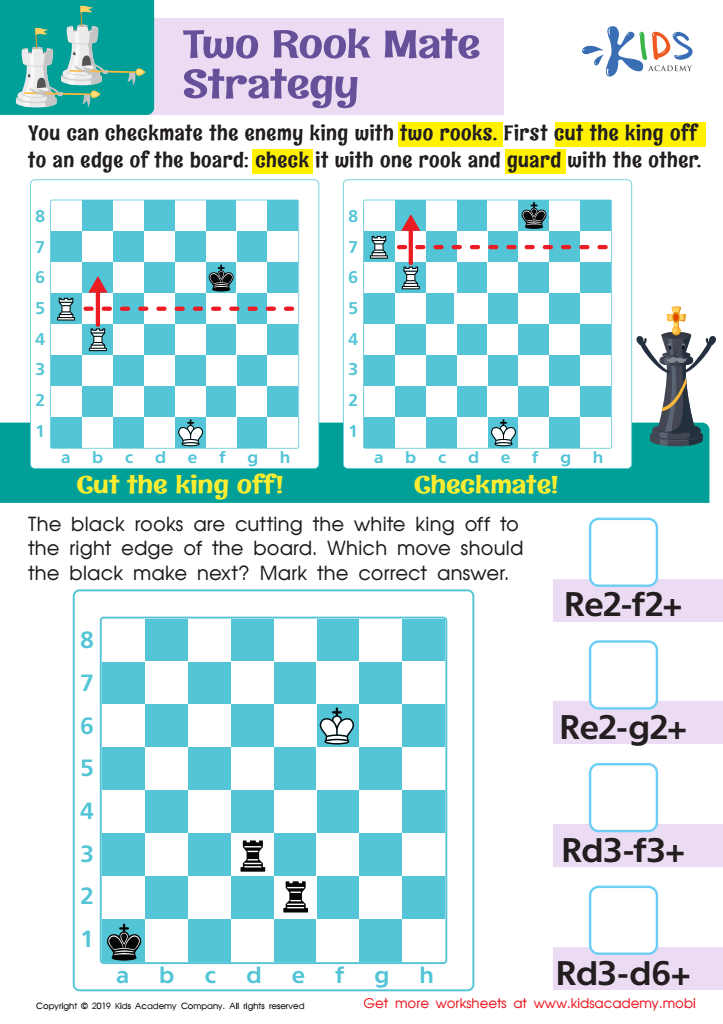
Two Rook Mate Strategy Worksheet
Kids who can play stress gain better reasoning, logic and critical thinking skills. This worksheet can teach kids the Two Rook Mate strategy to checkmate their opposite king. They'll discover how to close in the enemy king and protect with another rook, all the while enjoying a screen-free activity!
 Assign to My Students
Two Rook Mate Strategy Worksheet
Worksheet
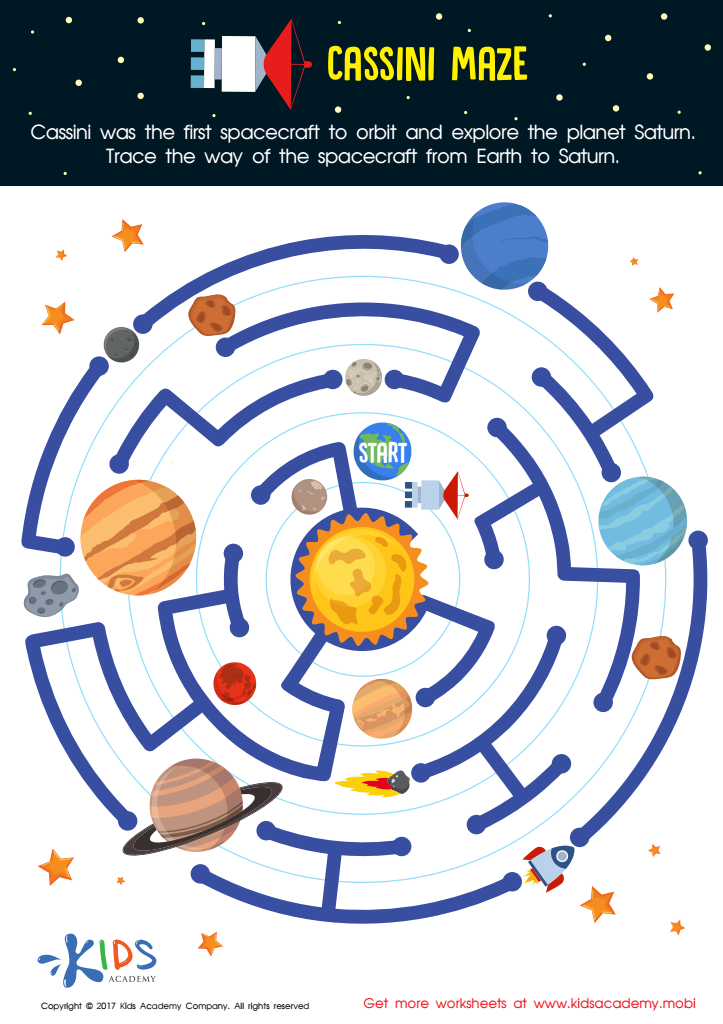
Cassini Printable Worksheet
Solve the Cassini maze and blast off to Saturn! Your child will love learning about the first spacecraft to orbit this beloved planet while navigating the tricky maze to find it.
Cassini Printable Worksheet
Worksheet
Join Kids Academy for Free
Who is primarily going to use this learning content?








Improving analytical thinking in children aged 5-7 is crucial for their cognitive development and academic success. At this age, children are naturally curious, and fostering analytical skills can help them make sense of the world around them. Parents and teachers should prioritize these skills because they lay the foundation for problem-solving, decision-making, and critical evaluation—essential skills in today's rapidly changing world.
Analytical thinking encourages children to explore, hypothesize, and ask questions. By cultivating these abilities, educators and caregivers can promote a love of learning and independent thought. For instance, engaging children in activities such as puzzles, sorting games, and open-ended questions can enhance their reasoning and self-confidence in expressing thoughts.
Moreover, developing analytical skills early sets the stage for academic achievement across subjects like math and reading. Children learn to connect ideas, understand cause and effect, and develop the ability to think logically. This skill set not only enhances their learning experience but also prepares them for future challenges in a complex environment.
Ultimately, emphasizing analytical thinking during these formative years nurtures well-rounded individuals who can navigate life's complexities, paving the way for lifelong learning and adaptability. Parents and teachers play a pivotal role in guiding this essential development.








