Improving handwriting Worksheets for Ages 5-7
3 filtered results
-
From - To
Boost young learners' handwriting with our engaging and effective worksheets designed for children ages 5-7. At Kids Academy, we create fun and easy-to-follow activities to foster fine motor skills, letter formation, and legibility. These worksheets are crafted by education experts to reinforce pencil control, proper letter placement, and consistent size. Perfect for home or classroom use, they cater to various learning styles, ensuring every child can achieve handwriting success. Through practice and play, our resources help build a solid foundation, making writing enjoyable and effortless. Empower your child’s handwriting journey with our proven methods.
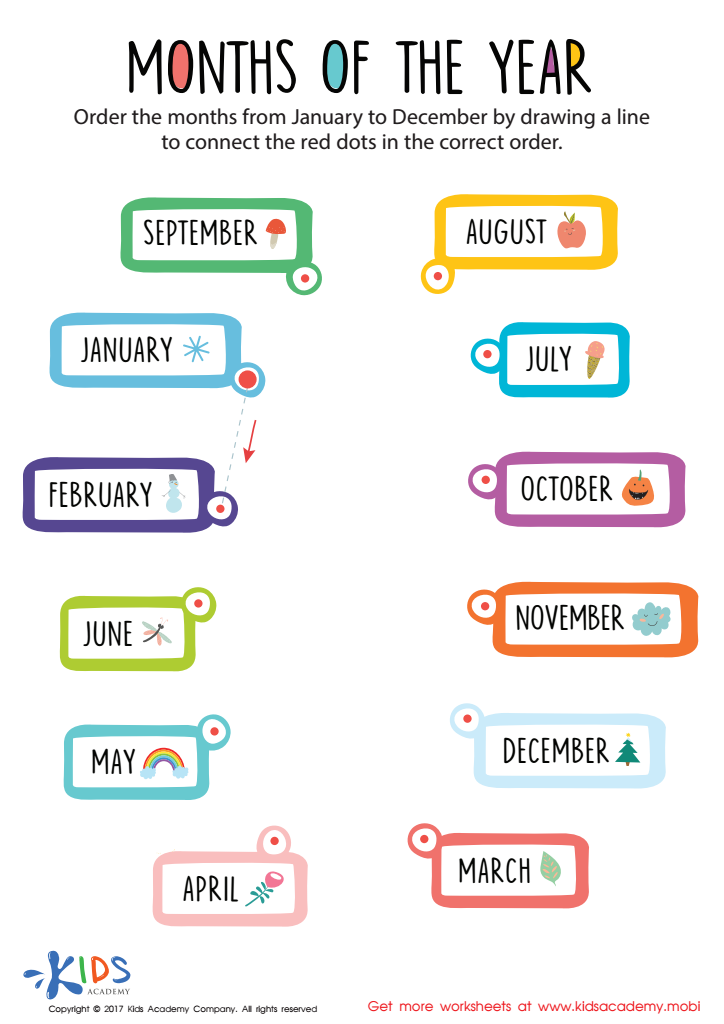
Months of the Year Worksheet
 Assign to My Students
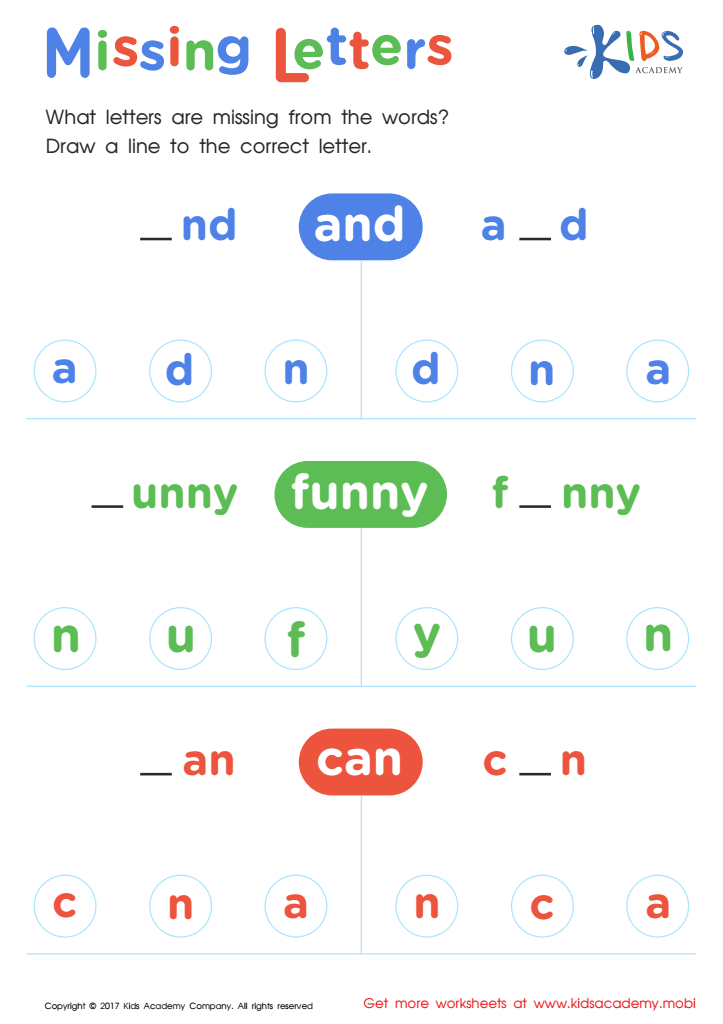
Missing Letters Worksheet
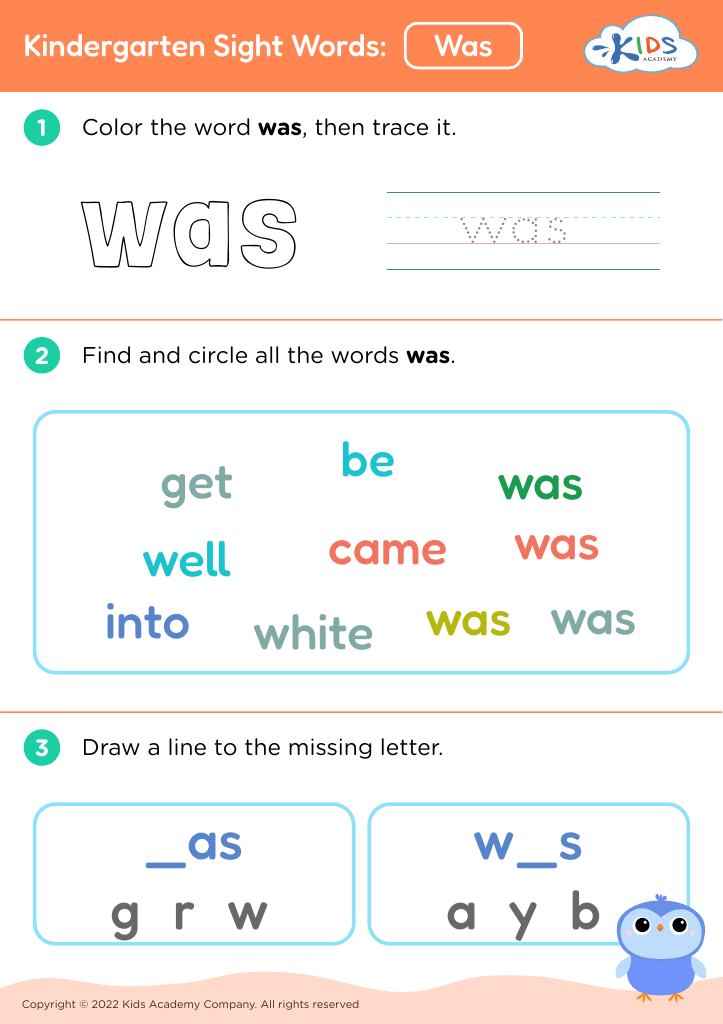







Improving handwriting for children ages 5-7 is fundamental for their overall educational development and success. At this age, children are often developing fine motor skills and hand-eye coordination, both of which are critical for writing. Good handwriting practice helps strengthen these skills, enabling children to perform better not only in writing but also in other tasks that require precise hand movements.
In the early years, clear and legible handwriting is essential for effective communication. When children can write well, they are more capable of expressing their thoughts and ideas clearly. This not only boosts their confidence but also enhances their ability to participate in class discussions and complete written assignments efficiently.
Moreover, handwriting practice aids cognitive development. Learning to form letters and words requires children to focus, pay attention to detail, and understand spatial orientation. These skills are transferrable and beneficial for other subjects such as math and reading.
Lastly, improving handwriting from an early age sets a lifelong habit of good practice. Early intervention prevents potential issues in later grades, where poor handwriting can affect academic performance and lead to frustration or negative attitudes toward schoolwork. Therefore, both parents and teachers should prioritize developing strong handwriting skills during these formative years.








