Increase vocabulary Worksheets for Ages 5-7
3 filtered results
-
From - To
Discover our engaging "Increase Vocabulary Worksheets for Ages 5-7," designed to boost young learners' language skills in a fun and interactive way! Tailored specifically for early grade students, these worksheets provide a variety of activities that help expand vocabulary through matching games, word searches, and fill-in-the-blank exercises. Our resources encourage students to explore new words while improving reading comprehension and communication skills. Perfect for both classroom and home use, these worksheets foster a love for language and learning. Equip your child with the tools they need for a successful academic journey. Unlock their potential today with our vocabulary-building activities!
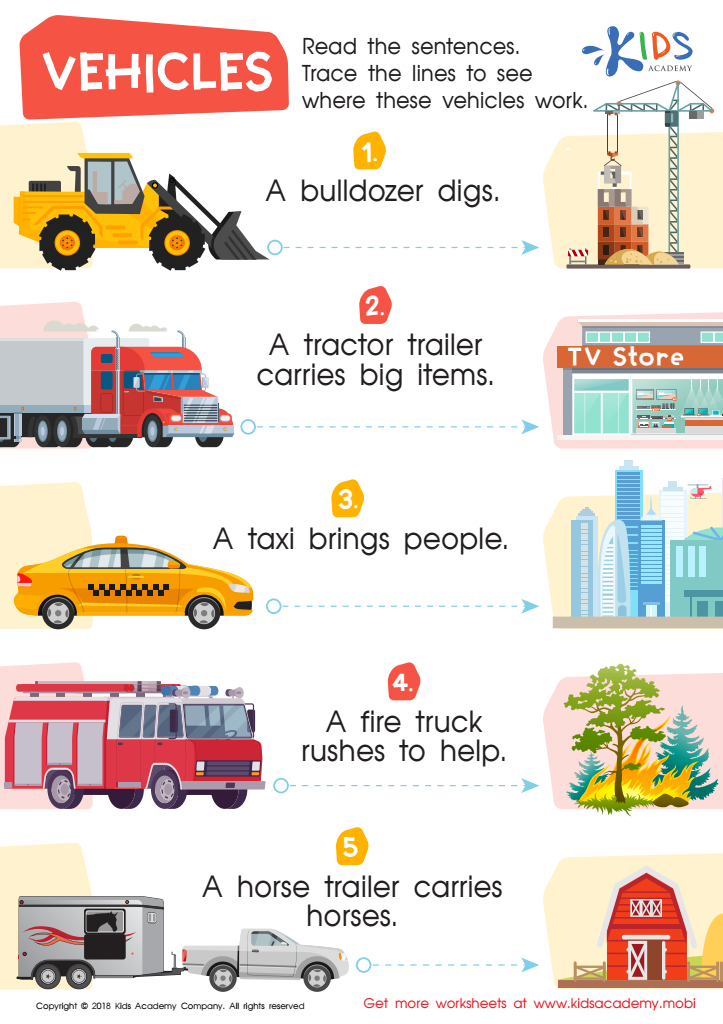
Vehicles Worksheet
 Assign to My Students
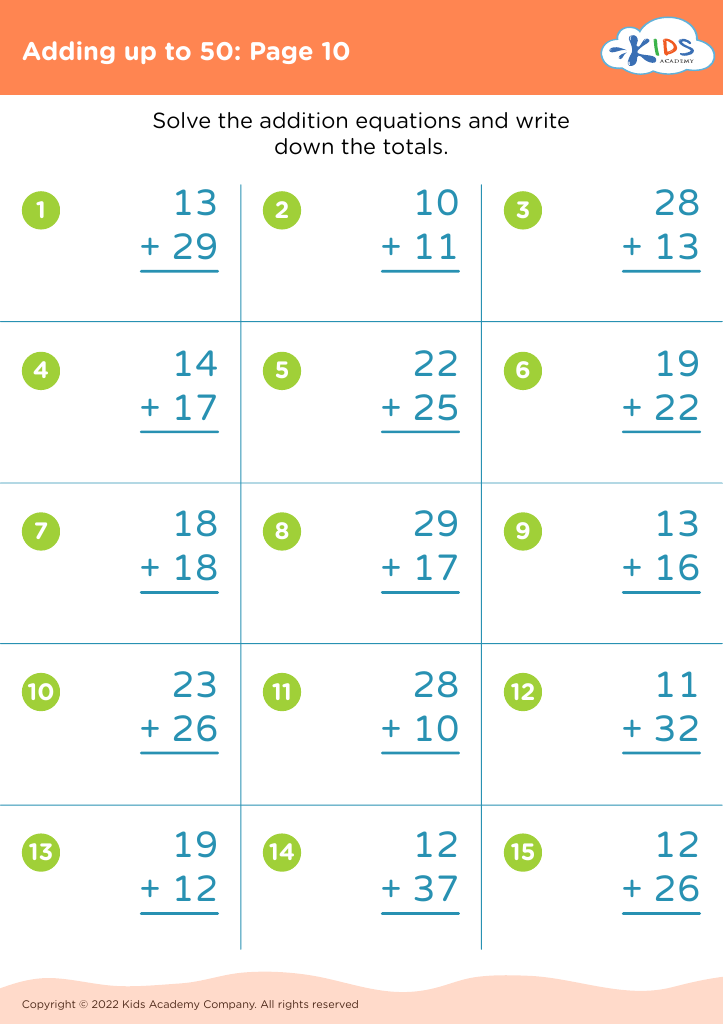
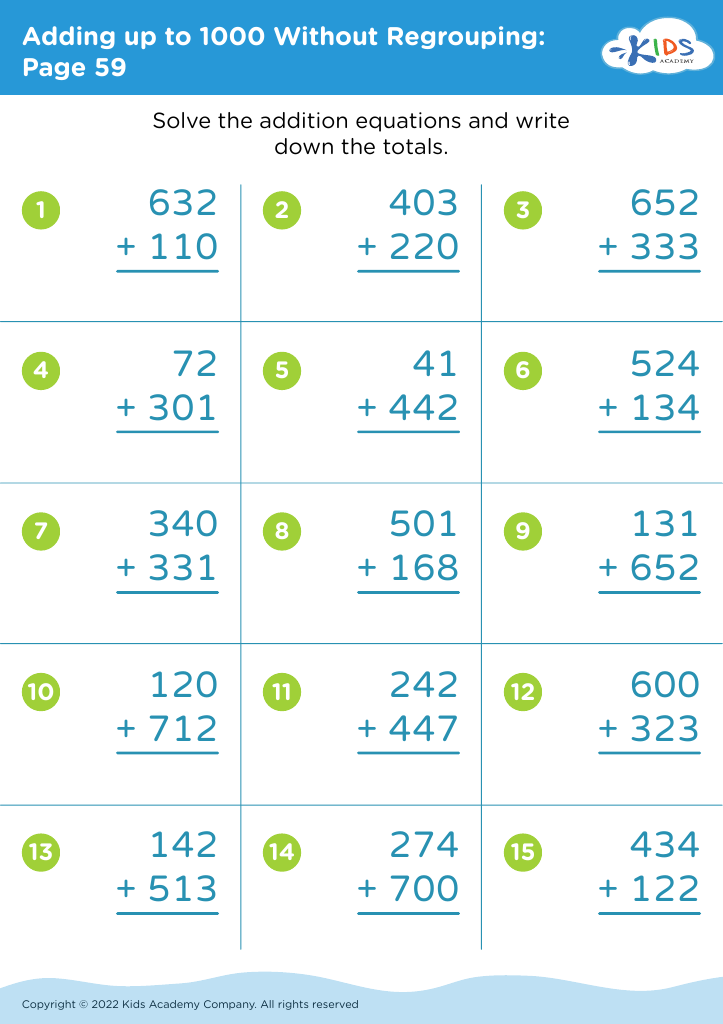




.jpg)


Increasing vocabulary for children aged 5-7 is essential for their cognitive, social, and academic development. At this age, children are rapidly expanding their language skills, which lays the foundation for effective communication and comprehension. A robust vocabulary enhances reading proficiency; children with a richer word bank can better understand texts, leading to improved literacy skills. This early grasp of language also fosters critical thinking, as children express their thoughts and ask questions more effectively.
Furthermore, a strong vocabulary supports academic success across subjects. Children are introduced to new concepts and ideas through words, and a rich vocabulary enables them to engage with lessons more fully. Moreover, improved language skills often enhance self-confidence, encouraging children to participate actively in conversations and classroom discussions.
Additionally, a well-developed vocabulary is crucial for social interactions. It helps children articulate their feelings, negotiate, and relate to peers—skills that are vital for building healthy relationships. Overall, investing in vocabulary development at this early stage not only prepares children for academic achievements but also equips them with lifelong communication skills, ultimately contributing to their successful navigation of both personal and professional worlds. Thus, parents and teachers play a vital role in this critical aspect of development.








