Letter-sound association Worksheets for Ages 5-7
13 filtered results
-
From - To
Discover our engaging Letter-Sound Association Worksheets designed for children ages 5-7! These worksheets are tailored to help young learners develop essential phonemic awareness by connecting letters with their corresponding sounds. Through interactive activities, children will practice identifying and matching sounds to letters, enhancing their literacy skills in a fun and effective way. Our colorful, age-appropriate worksheets cater to various learning styles, making it easy for educators and parents to support their child's reading journey. Strengthen your child's foundation in reading and prepare them for academic success with our expertly crafted resources. Start fostering a love for learning today!
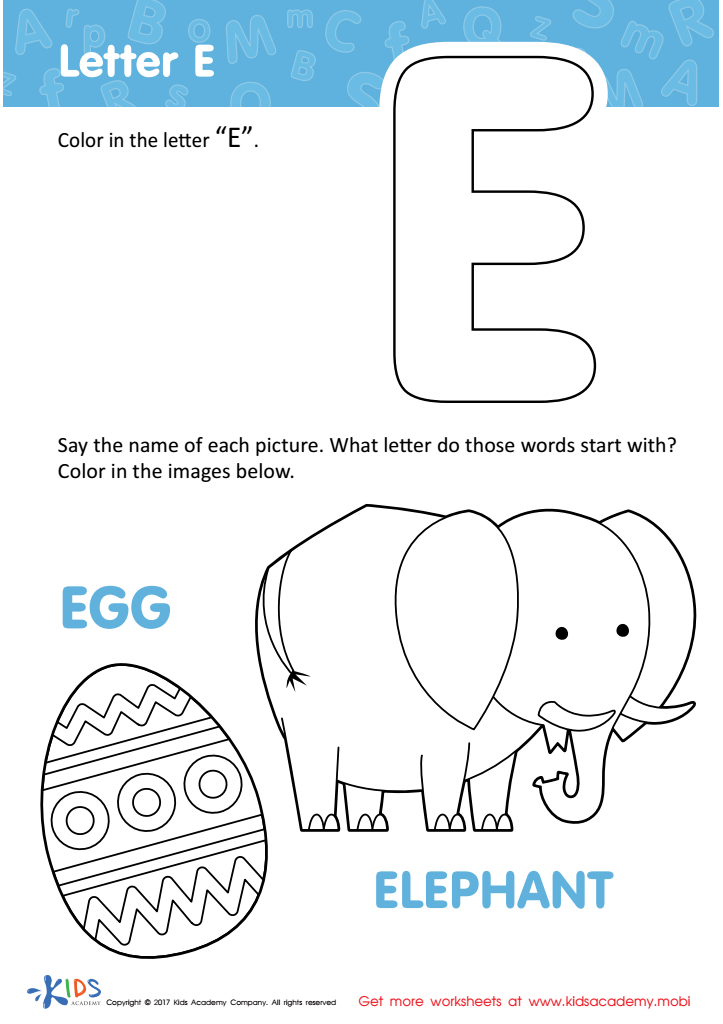
Letter E Coloring Sheet
 Assign to My Students
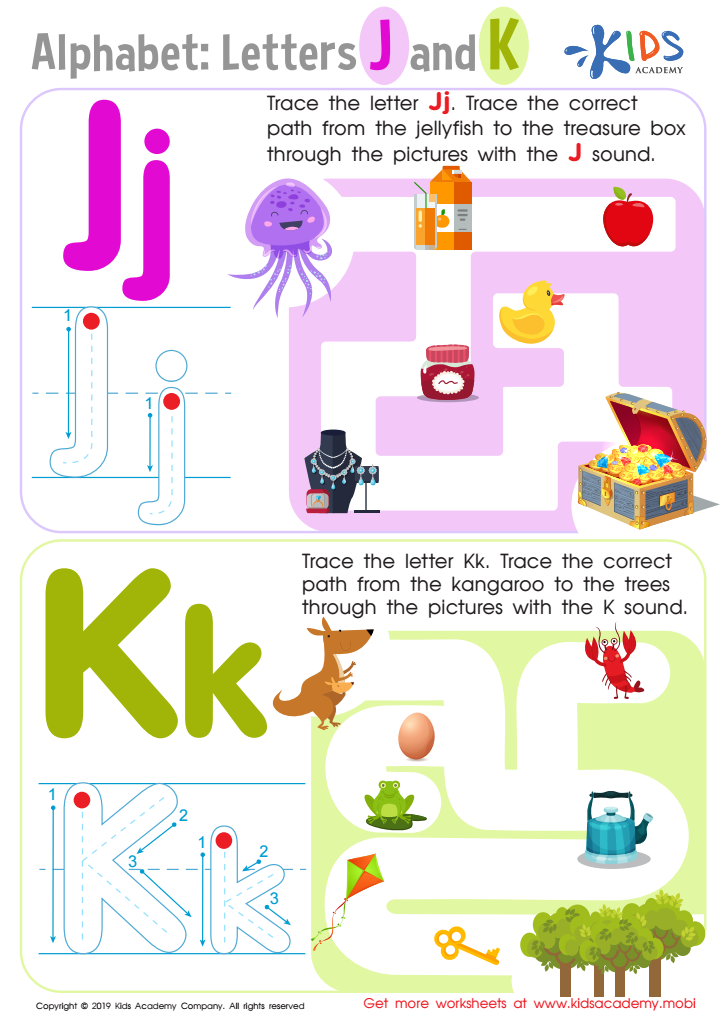
Letters J and K Tracing Worksheet
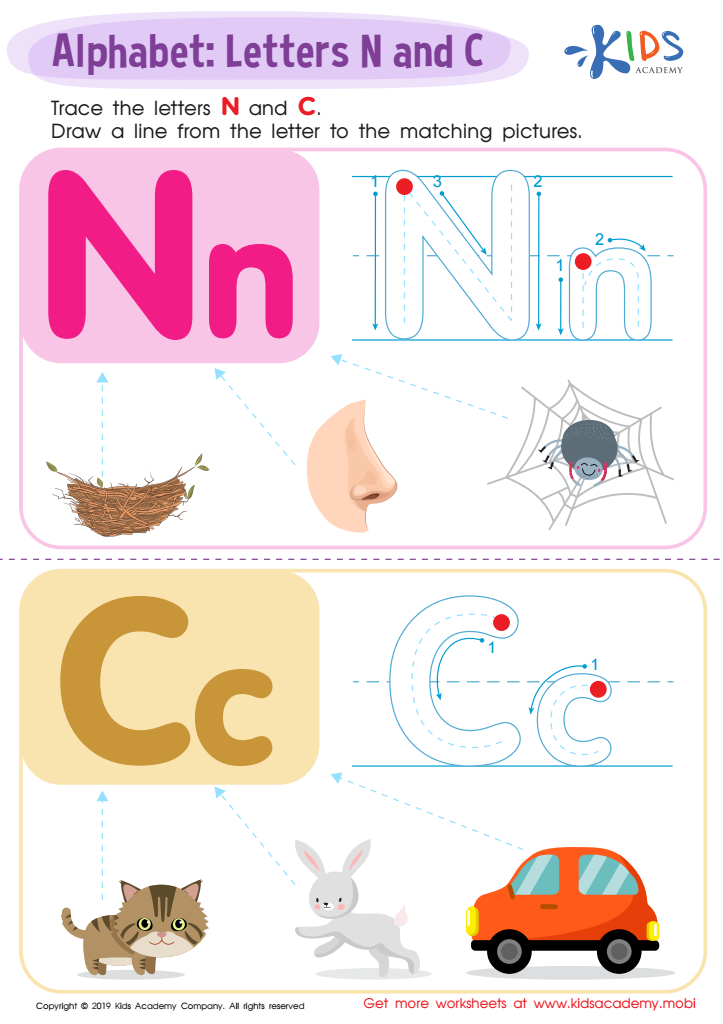
Letter N and C Tracing Worksheet
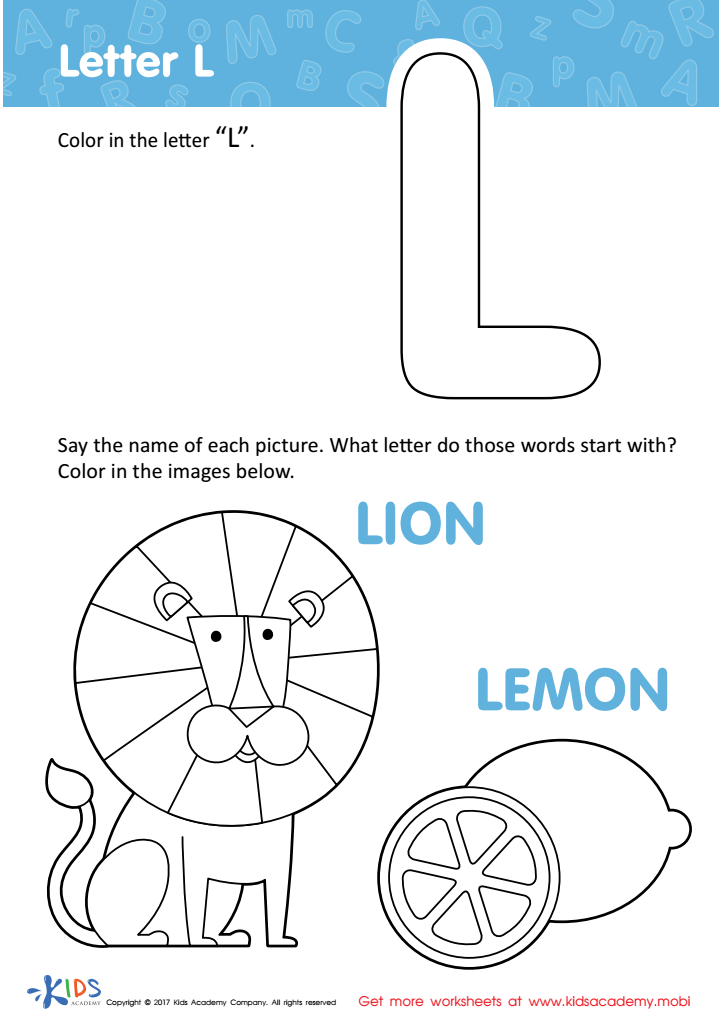
Letter L Coloring Sheet
Assign to My Students
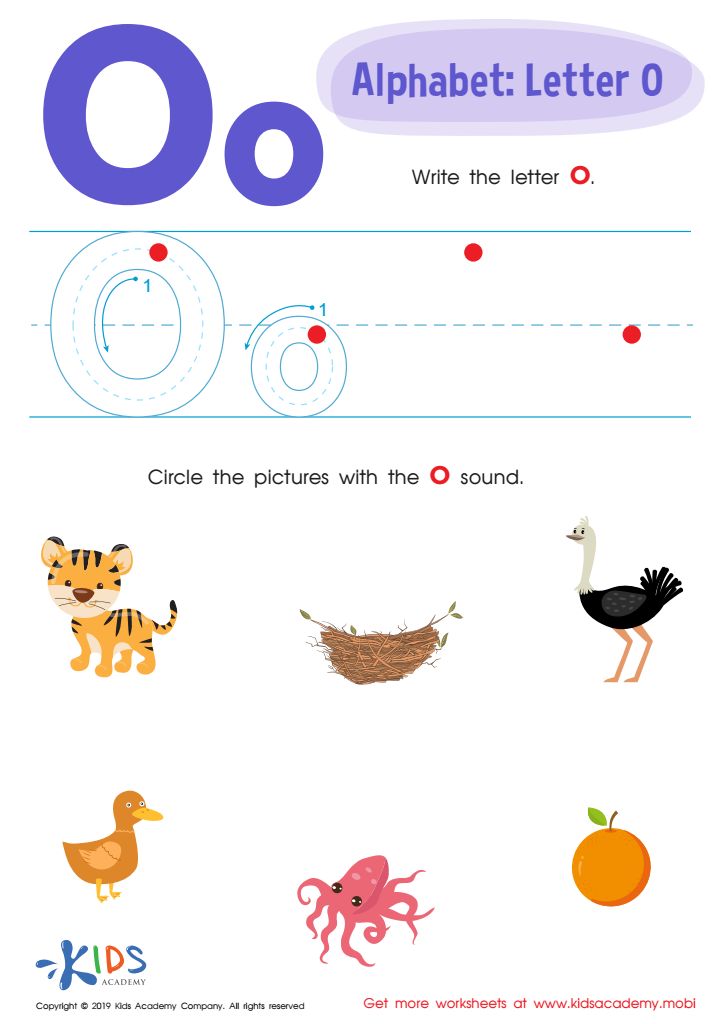
Letter O Tracing Worksheet
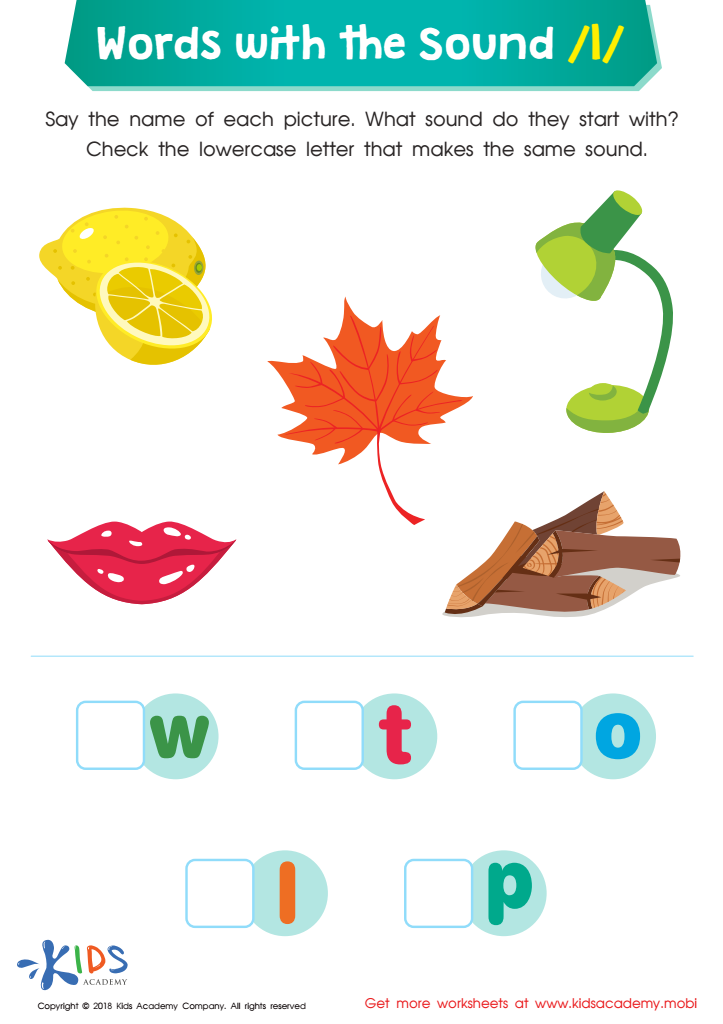
Words with Sound L Reading Worksheet
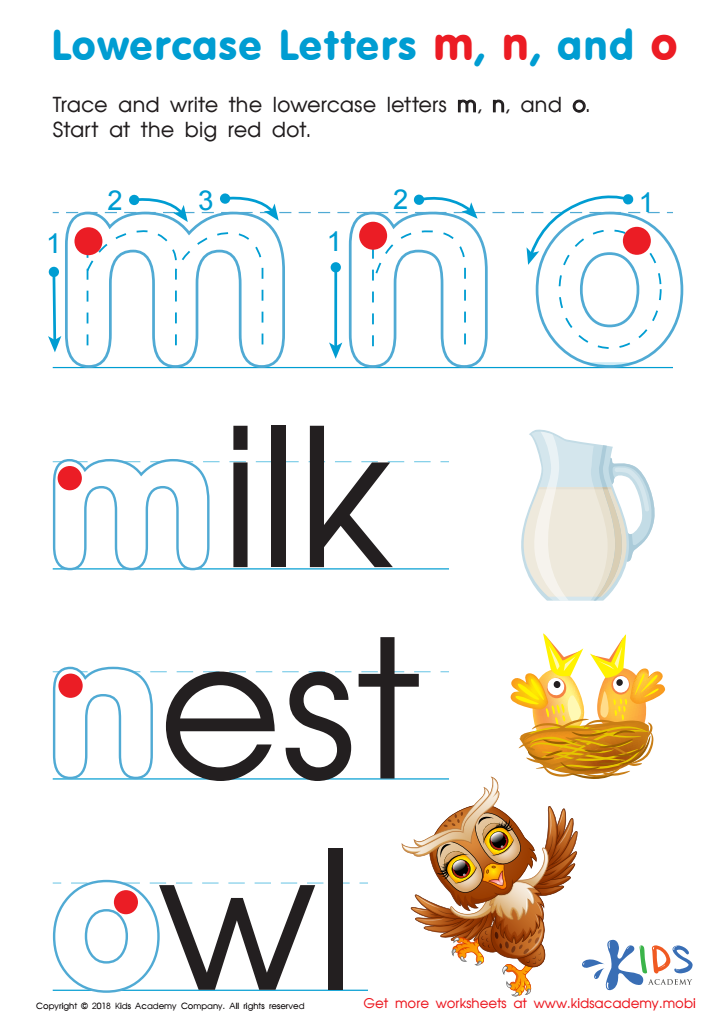
Lowercase Letters m n o Worksheet
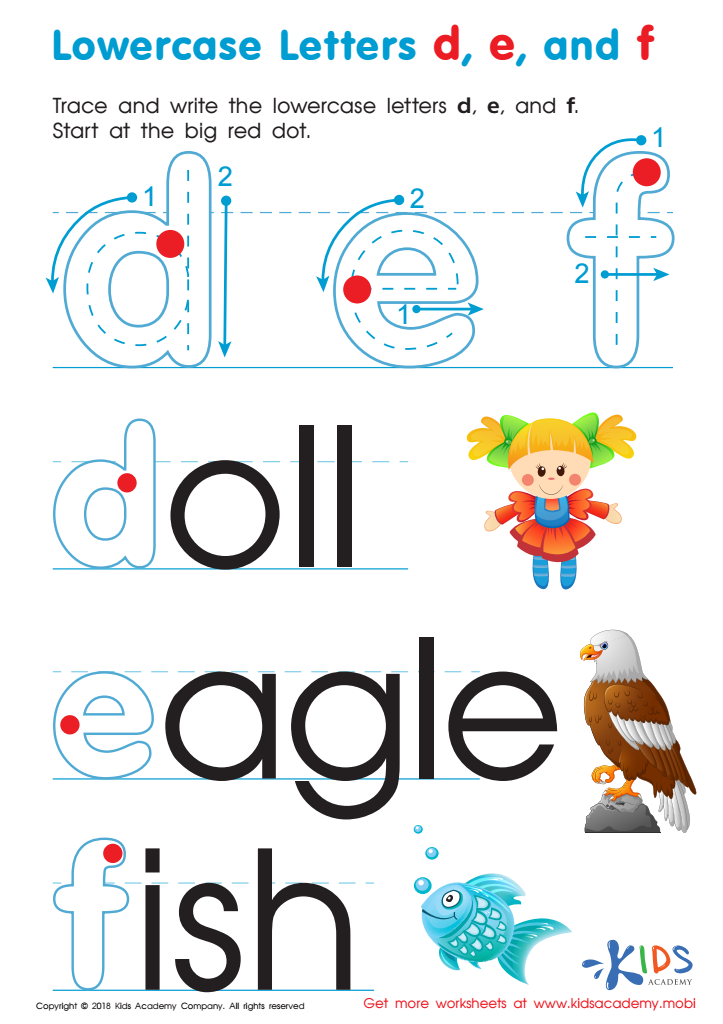
Lowercase Letters d e f Worksheet
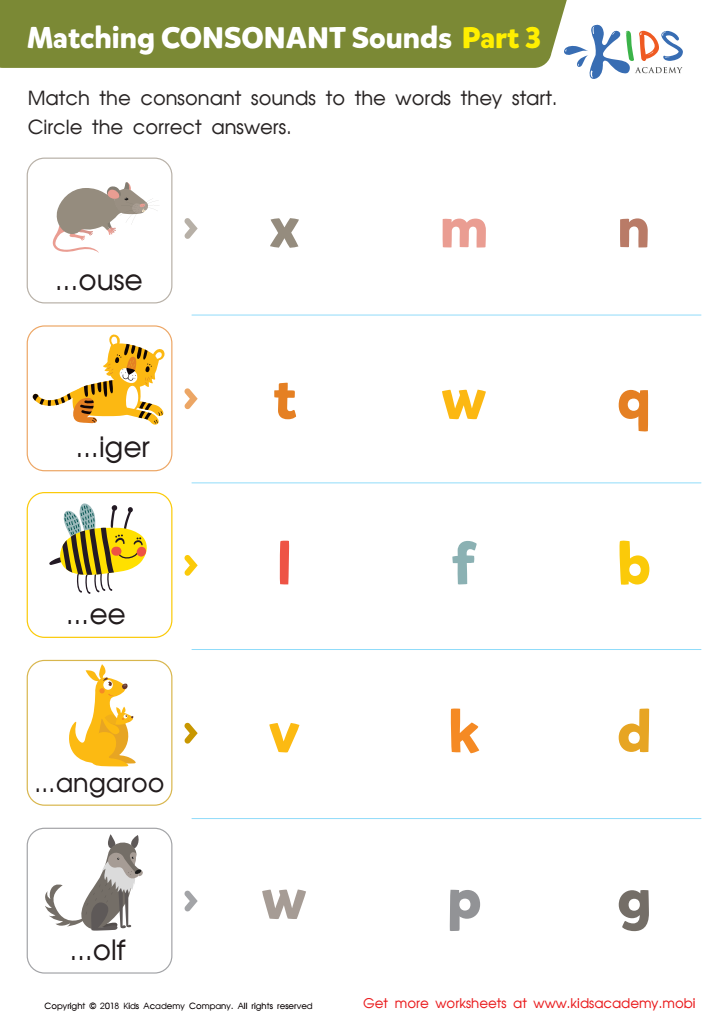
Matching Consonant Sounds: Part 3 Worksheet
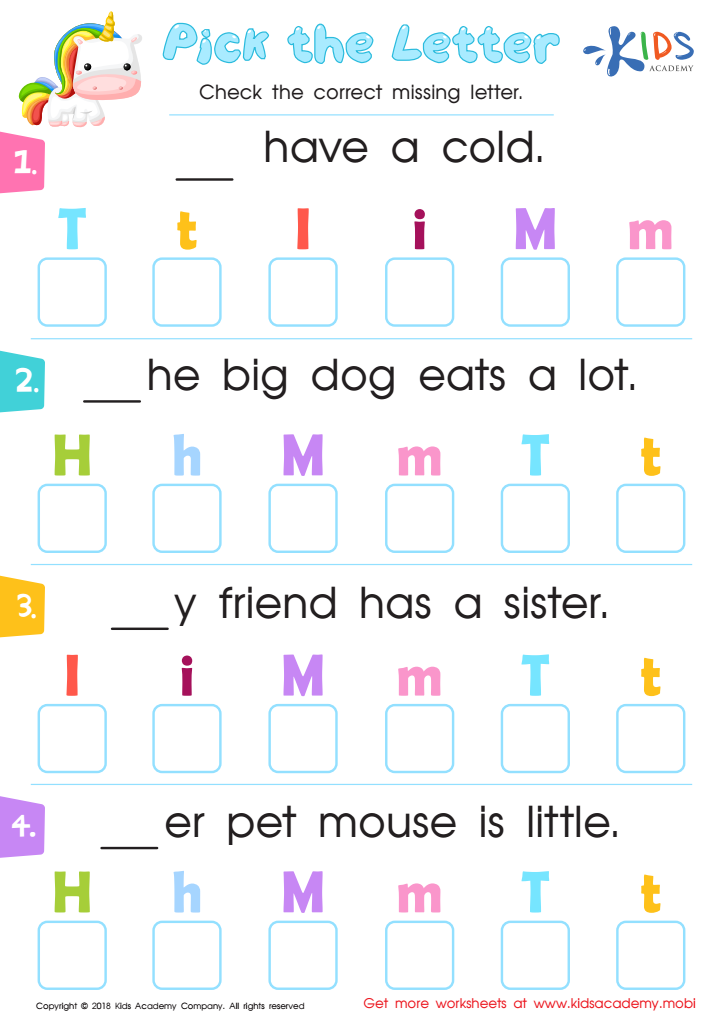
Pick the Letter Worksheet
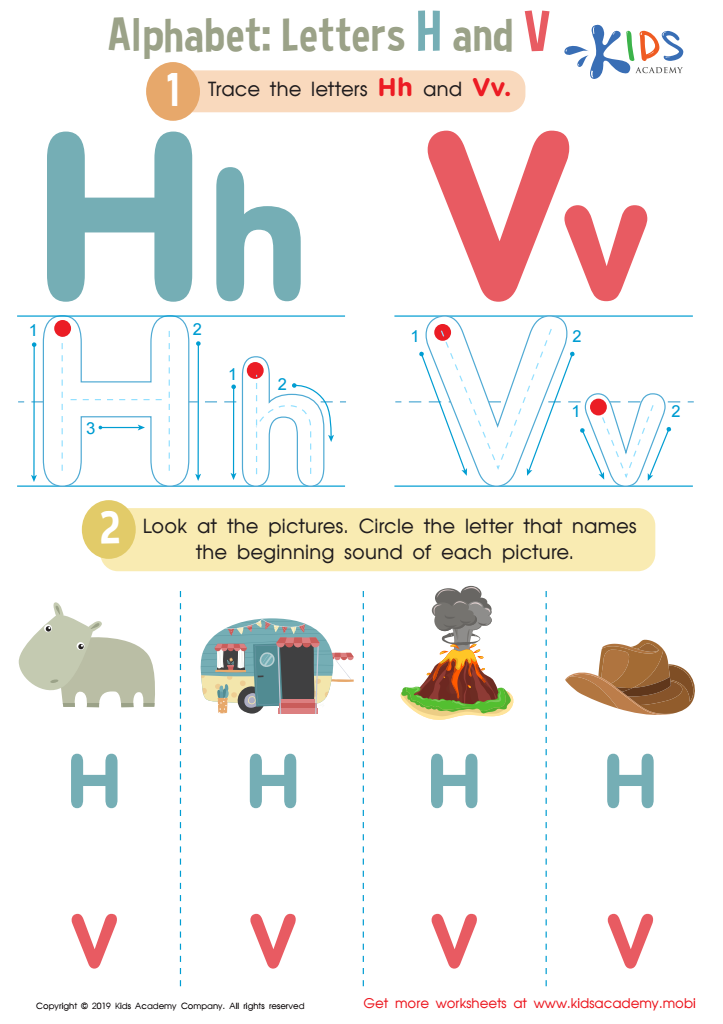
Letters H and V Tracing Worksheet
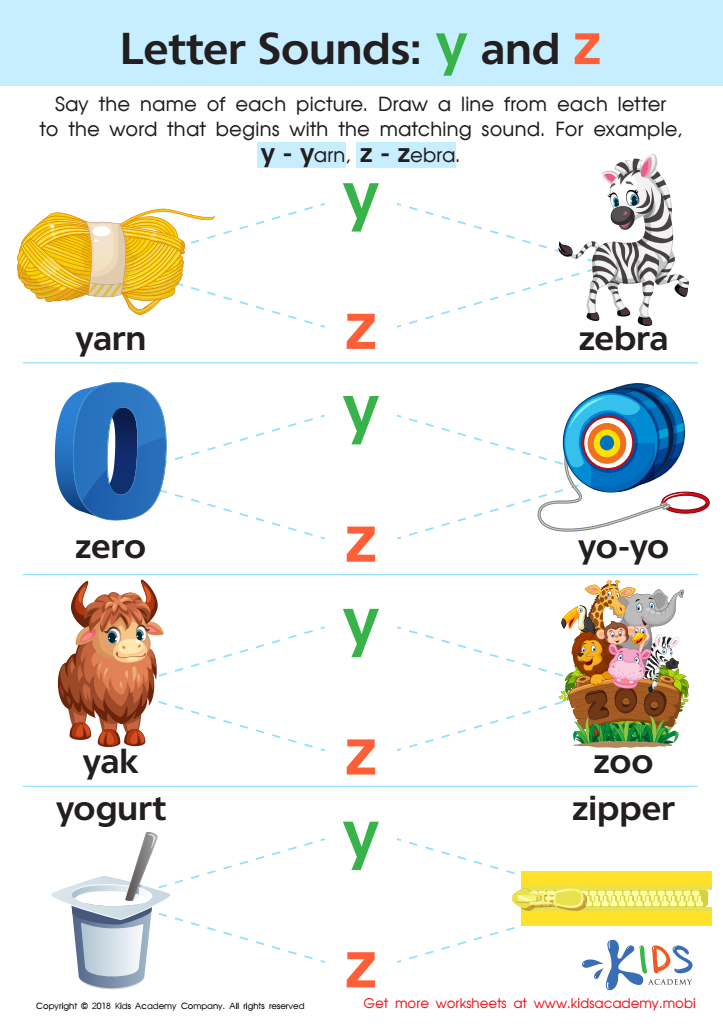
Letter Y and Z Sounds Worksheet








Letter-sound association is a fundamental skill for young learners aged 5-7 and holds immense significance for both parents and teachers. This foundational literacy skill is the bridge that connects letters to their corresponding sounds, an essential stepping stone in the reading process. Children who grasp letter-sound relationships can decode words, enabling them to read independently, comprehend texts, and engage productively in the classroom environment.
When parents prioritize letter-sound associations at home, they reinforce classroom learning and provide vital support to their children's literacy development. Interactive activities such as phonics games, reading together, or singing alphabet songs can make learning enjoyable, encouraging a love for reading.
Teachers, on the other hand, play a crucial role through structured phonics instruction, ensuring that children acquire these skills through systematic approaches. Engaging instructional strategies, such as visual aids and hands-on activities, can greatly enhance students' understanding and retention of letter-sound relationships.
In summary, investing in letter-sound association empowers children to become proficient readers and successful learners. Both parents and teachers must collaborate in this vital phase of education to promote literacy, deepen comprehension, and lay the groundwork for lifelong learning.








