Filters

59 filtered results

Clear all filters
Favorites
With answer key
Interactive

59 filtered results

Difficulty Level

Grade


Check out this FREE "Logical Reasoning" Trial Lesson for age 5-7!

Getting out of Check (Capture, Protect, Run Away)

Favorites
With answer key
Interactive
  • 5-7
  • Logical Reasoning
Run, Protect or Capture Worksheet

Run, Protect or Capture Worksheet

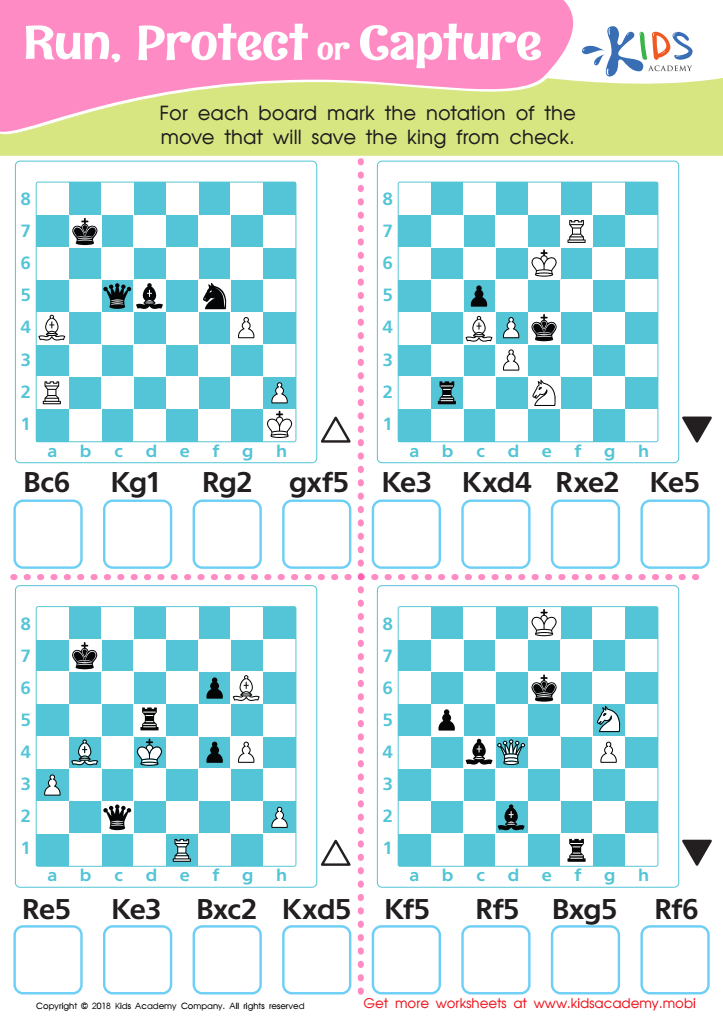
When kids play chess, they're not only striving to win - they're sharpening their critical thinking and problem-solving prowess. With this free PDF worksheet, they learn how to protect their king from check, whether it's running away, shielding it or capturing the checking piece. Sample boards offer them the chance to practice.
Run, Protect or Capture Worksheet
Worksheet
Siblings Quiz Worksheet

Siblings Quiz Worksheet

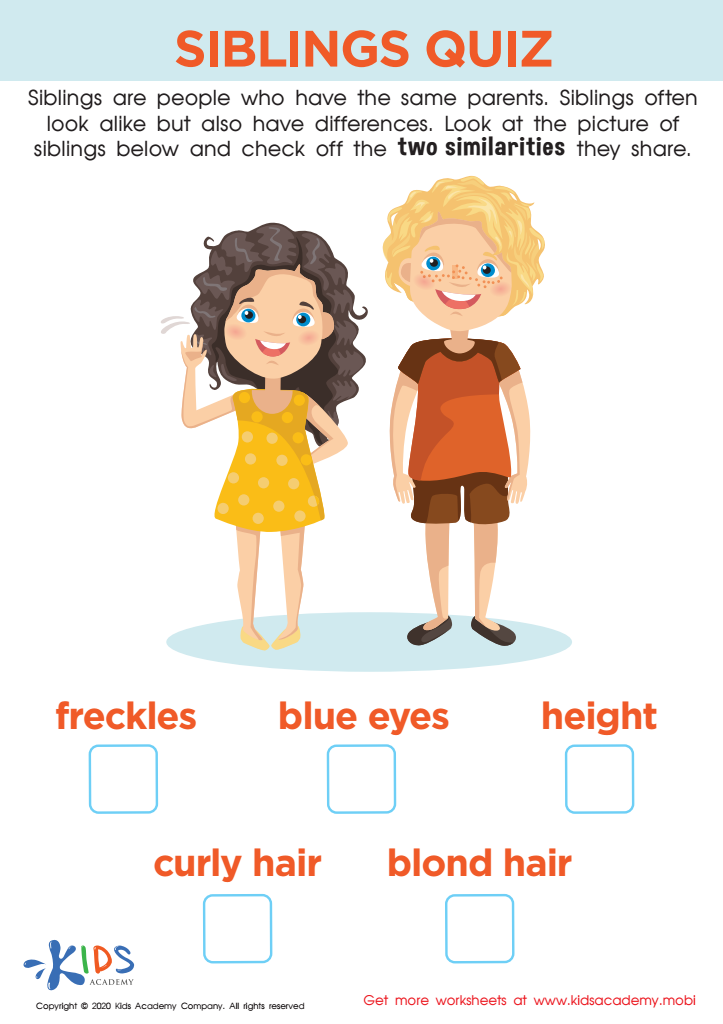
Your children may know a sibling is a sister or brother, but not realize what it means to be one. Siblings share the same parents, which means they share many genes. They are alike in many ways, but also have their own unique traits. Help your future scientist understand this early biology concept with this fun worksheet. They'll be tasked with finding similarities between two siblings on the page.
Siblings Quiz Worksheet
Worksheet
Who Does It Belong To? Worksheet
Who Does It Belong To? Worksheet

The summer season is here, and with it comes a variety of activities that can help you beat the heat. Going to the beach, taking a dip in the pool, and having a picnic in the park are some popular choices. Summer is here! Beat the heat with activities like going to the beach, swimming, and picnicking in the park. Enjoy!
Who Does It Belong To? Worksheet
Worksheet
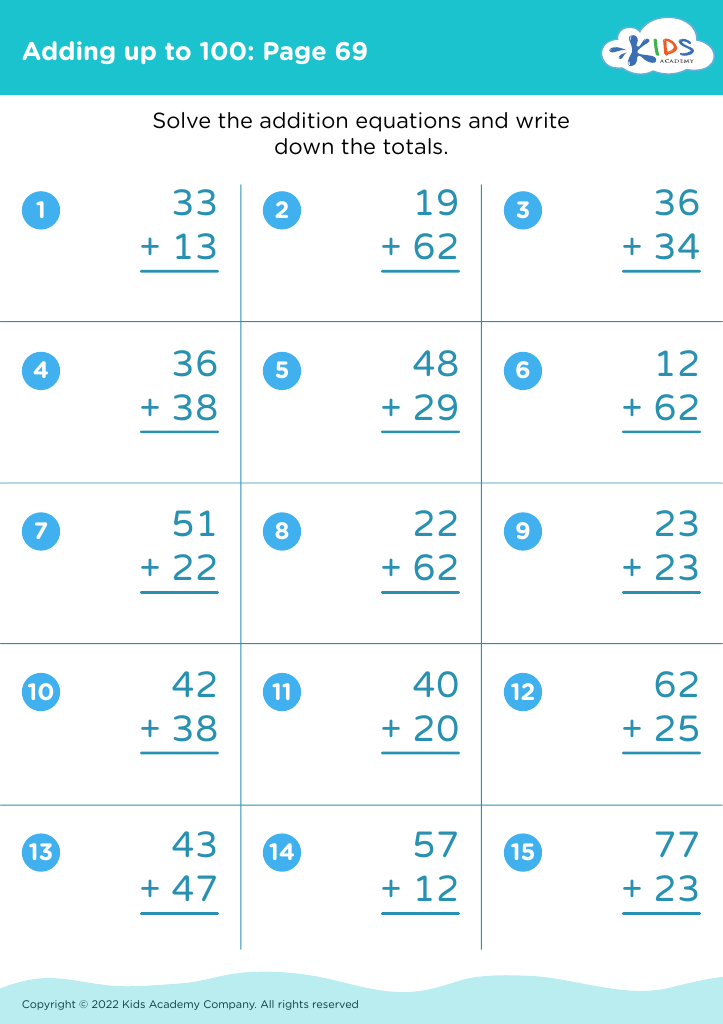
Adding up to 100: Page 69

Adding up to 100: Page 69

Adding up to 100: Page 69
Worksheet
Helpful Health Worksheet

Helpful Health Worksheet

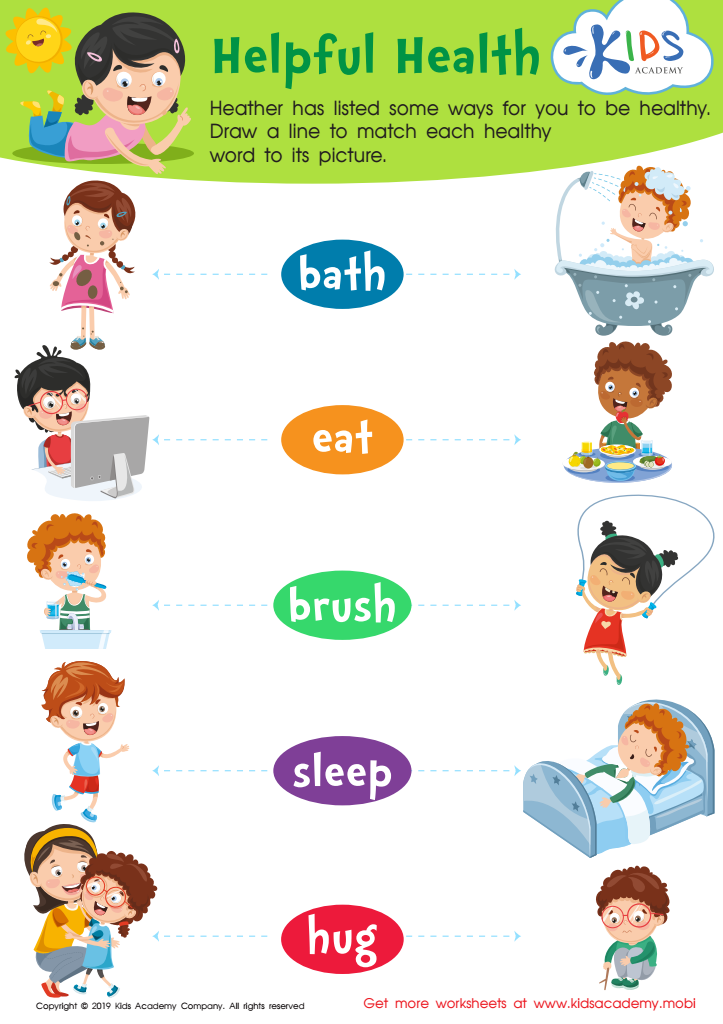
Kids can learn healthy habits with this free worksheet! With their pal Heather, they'll trace lines to connect health words with pictures like brushing teeth, hugging, and getting enough sleep. It's a great way to help young ones understand healthy activities.
Helpful Health Worksheet
Worksheet
Fairness: Sequencing Worksheet

Fairness: Sequencing Worksheet

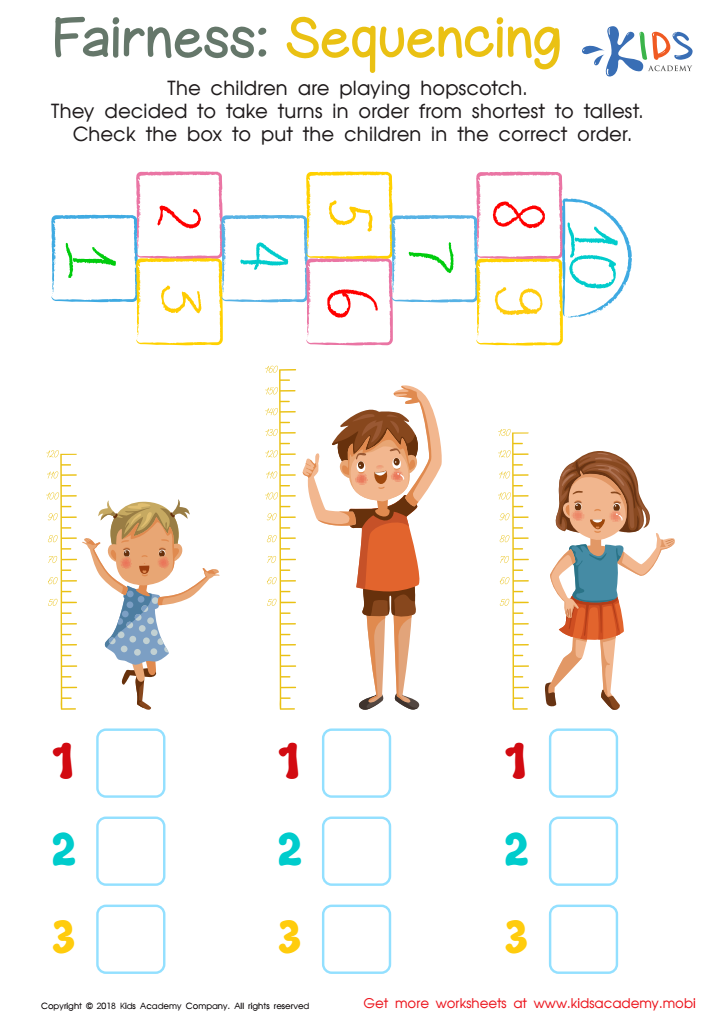
Kids likely already know how to play hopscotch. Ask them to show you the shortest, tallest and middle child in the worksheet. Then, help them order them from shortest to tallest by checking the boxes.
Fairness: Sequencing Worksheet
Worksheet
Animal Sanctuary Worksheet

Animal Sanctuary Worksheet

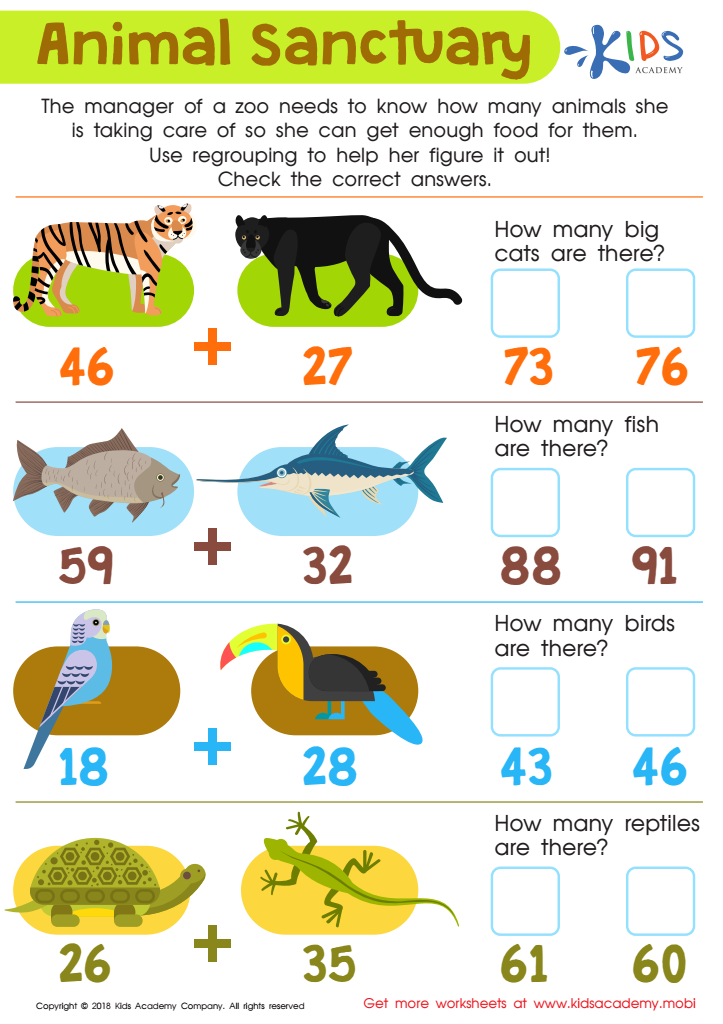
Do your kids love visiting the zoo? Ask which animals they remember & which ones they liked the most. The manager needs help to get enough food for all the animals. Help your child use regrouping to figure out how many animals there are. And ask them to check the answers.
Animal Sanctuary Worksheet
Worksheet
What Does Not Match? Worksheet
What Does Not Match? Worksheet
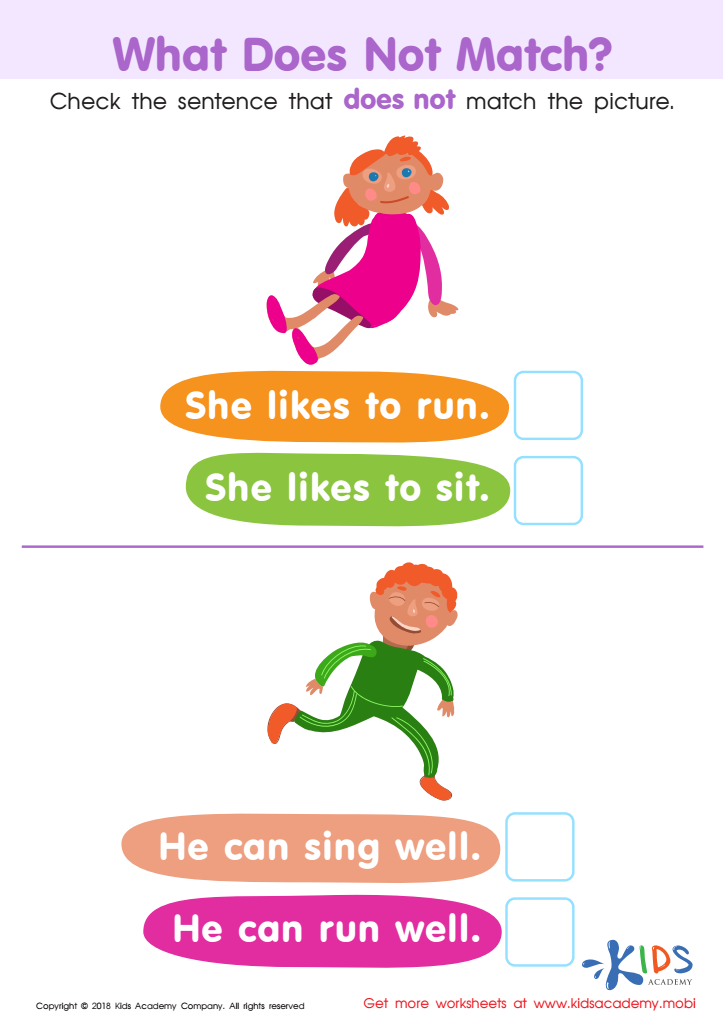
Emerging readers need to practice using visual cues and repetitive text. This colorful PDF provides them with an opportunity to look at pictures, use discrimination and discern which phrase does not match. It also enables them to gain familiarity with high-frequency words to aid decoding longer sentences.
What Does Not Match? Worksheet

Worksheet
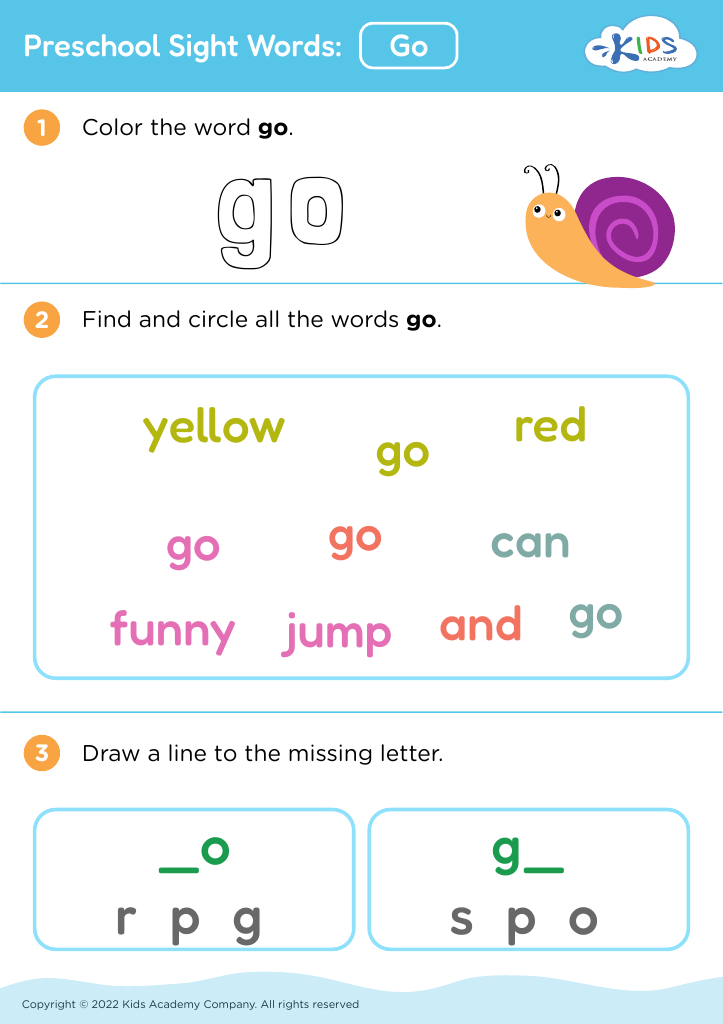
Preschool Sight Words: Go

Preschool Sight Words: Go

Preschool Sight Words: Go
Worksheet
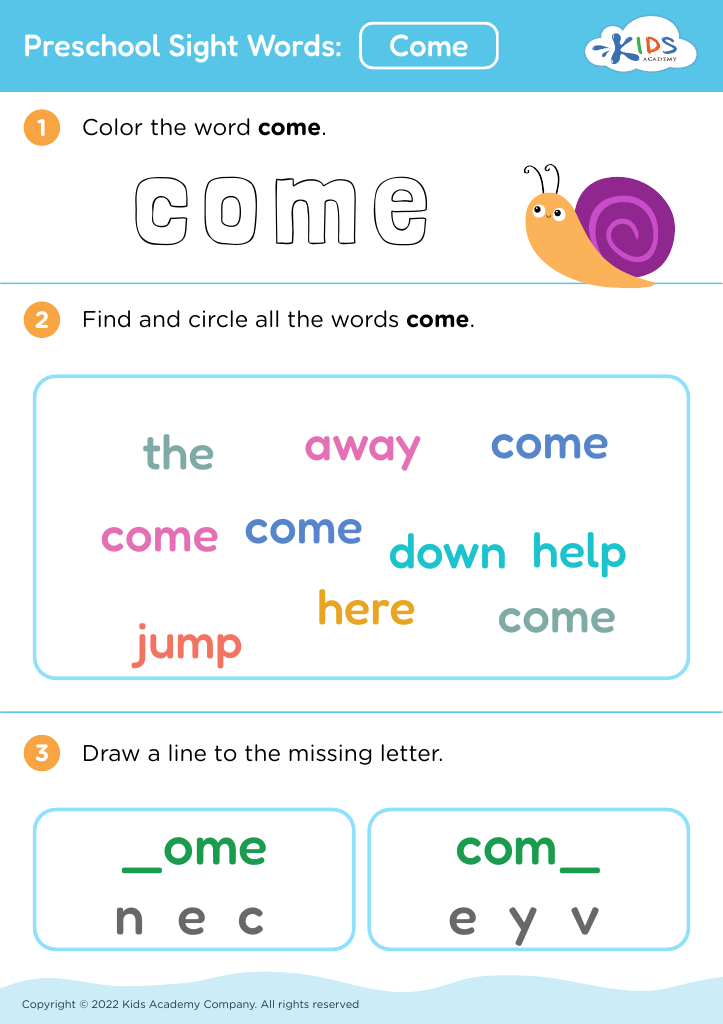
Preschool Sight Words: Come

Preschool Sight Words: Come

Preschool Sight Words: Come
Worksheet
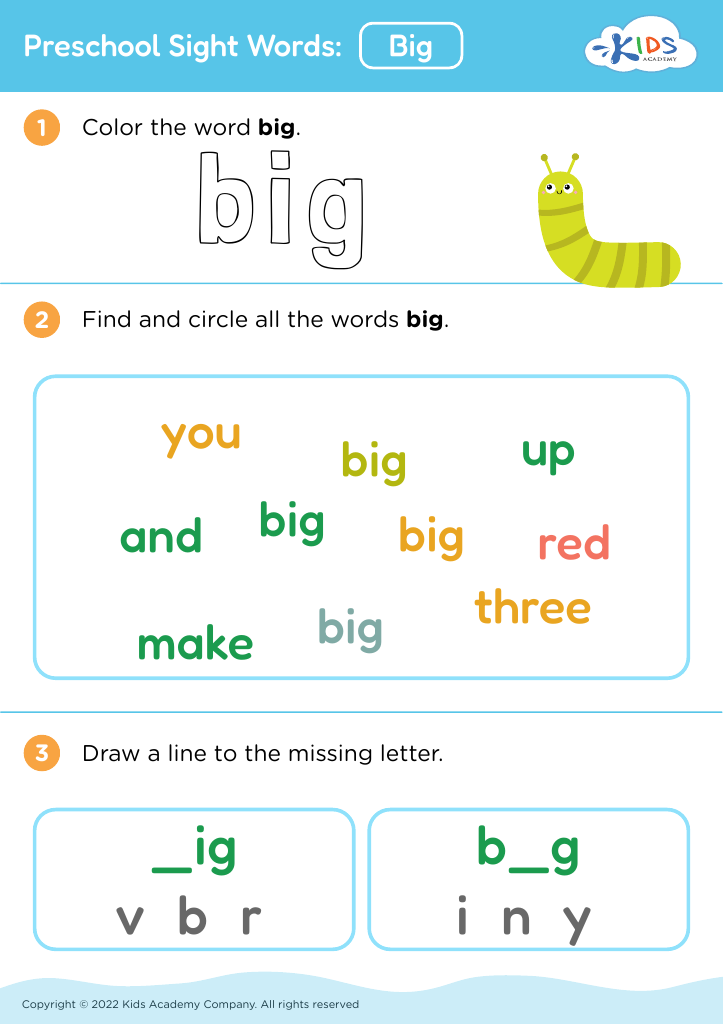
Preschool Sight Words: Big

Preschool Sight Words: Big

Preschool Sight Words: Big
Worksheet


... 2 3

Logical reasoning is a vital skill that serves as the backbone for children's cognitive development, particularly between the ages of 5 and 7. At this stage, children are rapidly growing in their mental and problem-solving abilities. Encouraging logical reasoning helps them understand cause and effect, make informed decisions, and think critically — all essential attributes for lifelong learning and success.

For parents and teachers, fostering logical reasoning in young children equips them with the ability to tackle academic challenges in subjects like math and science, where pattern recognition, sequencing, and deductive reasoning are paramount. It also provides a foundation for effective communication and social interactions. By understanding the logic behind their actions and words, children are more capable of articulating their thoughts and understanding others.

Moreover, logical reasoning enhances creativity and innovation. When kids learn to solve puzzles and think through problems systematically, they also cultivate skills like brainstorming and exploring multiple solutions to a single problem. This mental flexibility is crucial not only in academic pursuits but also in real-life scenarios.

Lastly, it boosts their self-confidence. When children can logically work through problems and see their own progress, they feel accomplished and motivated. This positive cycle encourages even more intellectual curiosity and resilience in facing new challenges. Hence, focusing on logical reasoning for young minds is crucial for their overall development and future success.