Matching skills Worksheets for Ages 5-7 - Page 2
34 filtered results
-
From - To
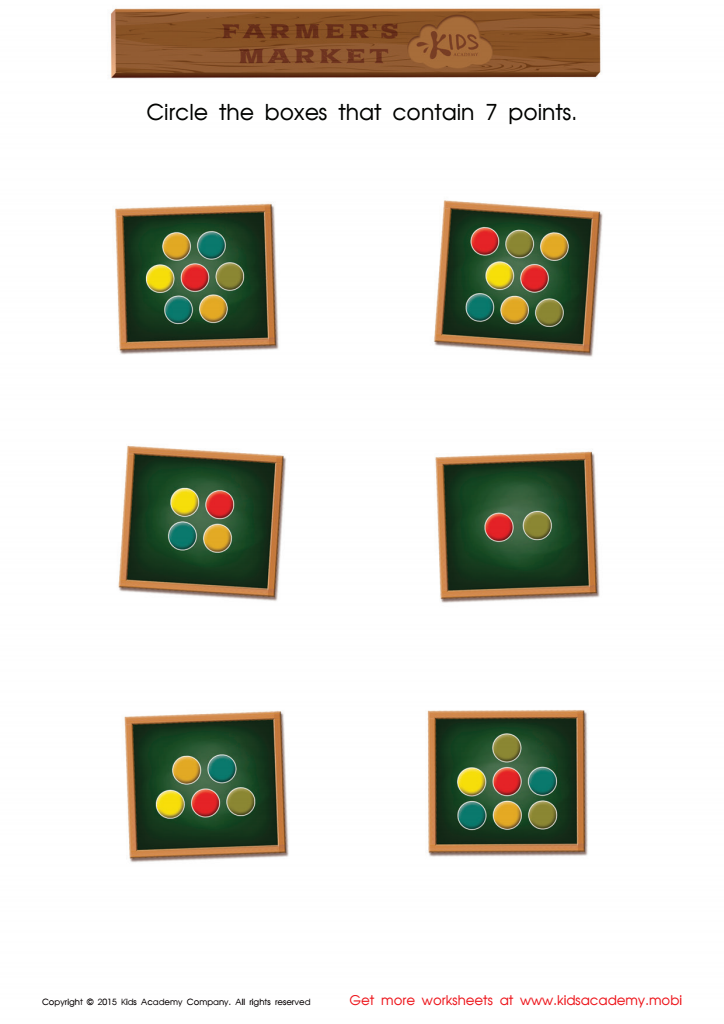
Count and Match Points 7 Math Worksheet
 Assign to My Students
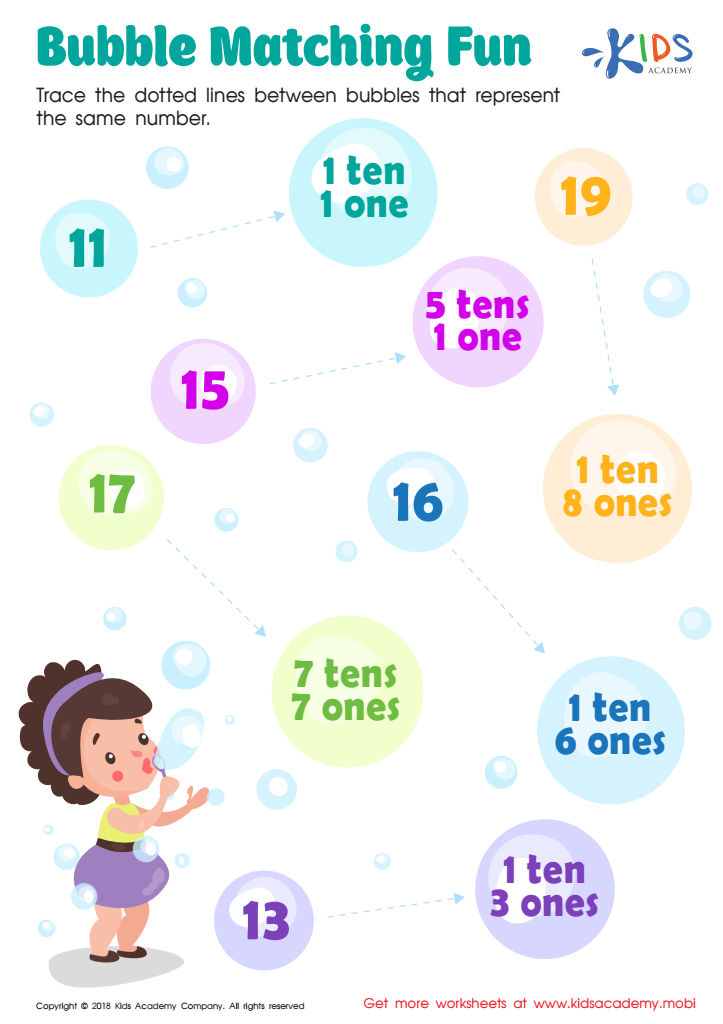
Bubble Matching Fun Worksheet
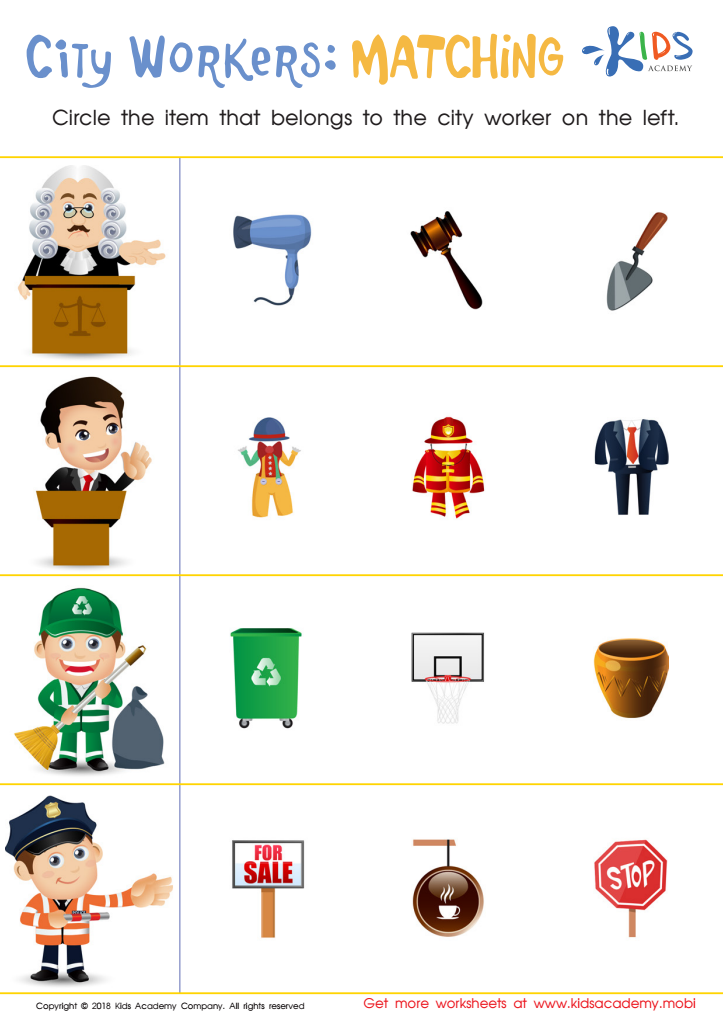
City Workers: Matching Worksheet
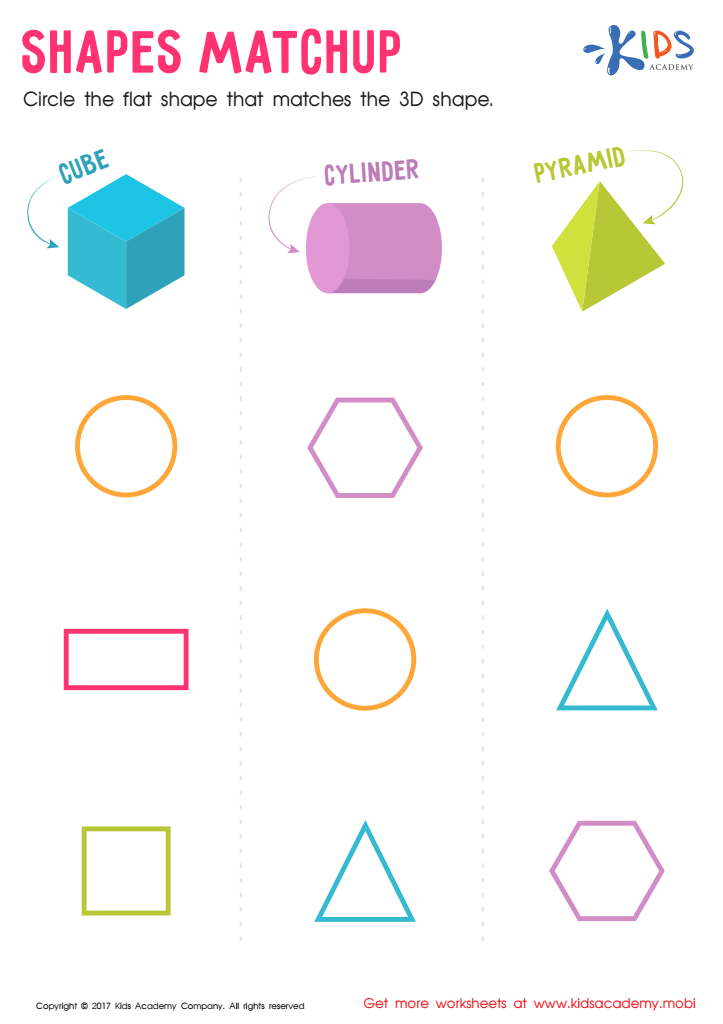
Shapes Matchup Worksheet
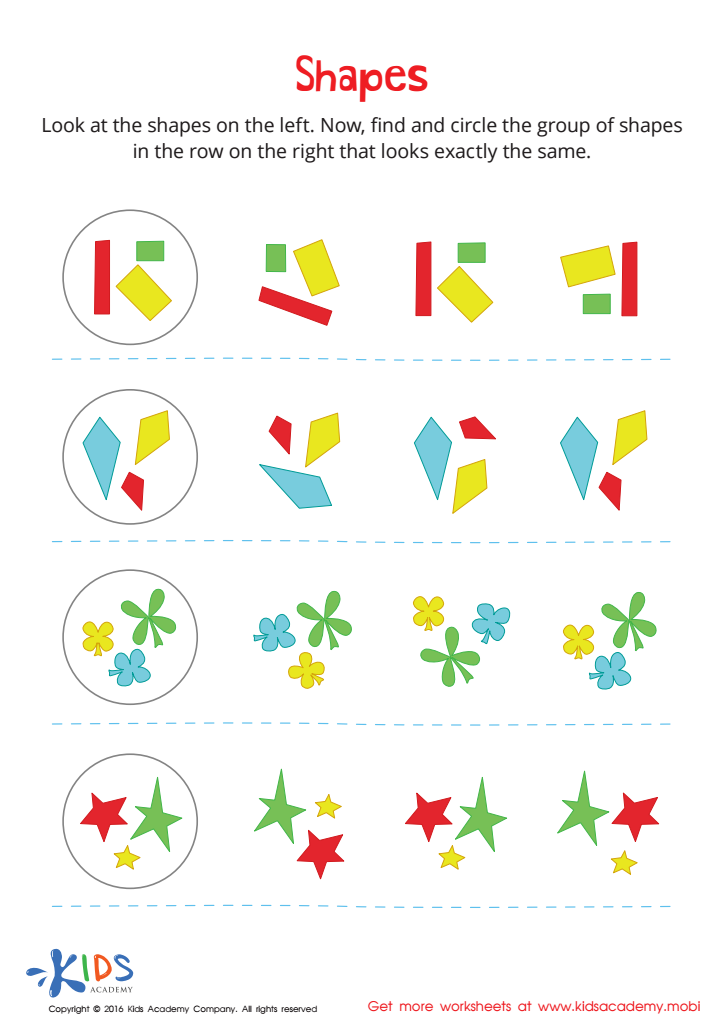
Shapes Worksheet
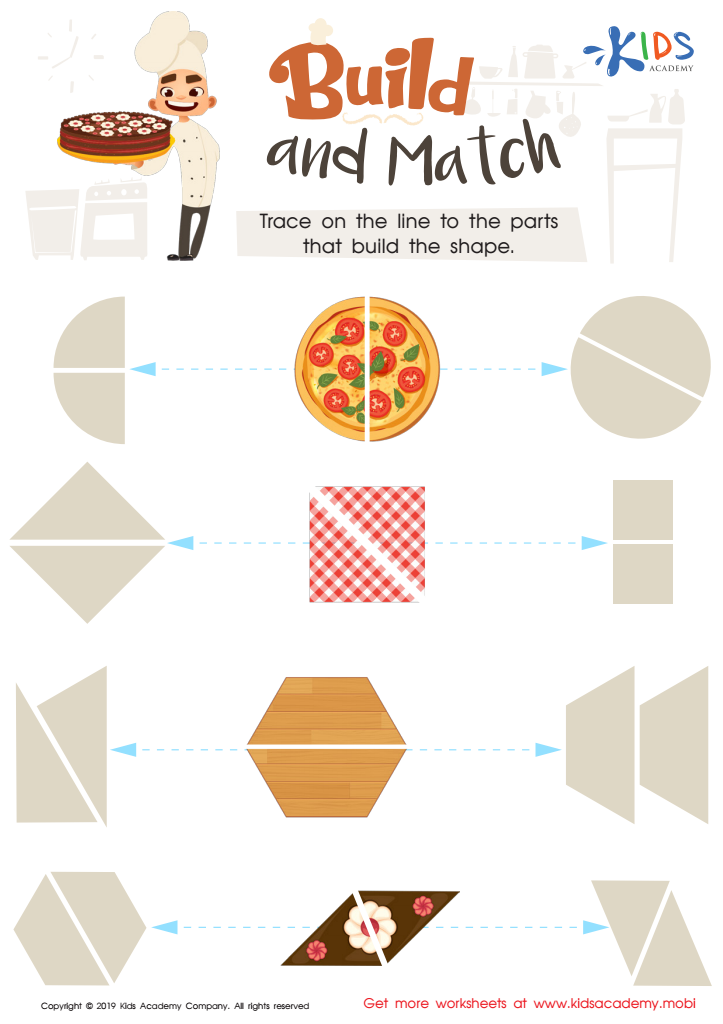
Build and Match Worksheet
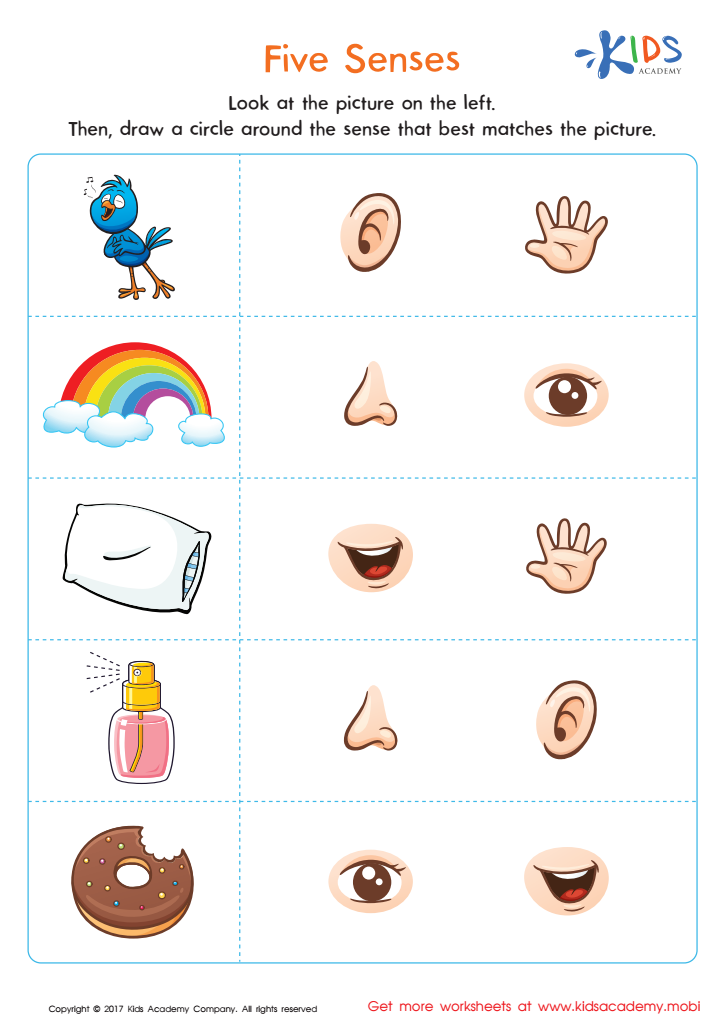
Five Senses Printable
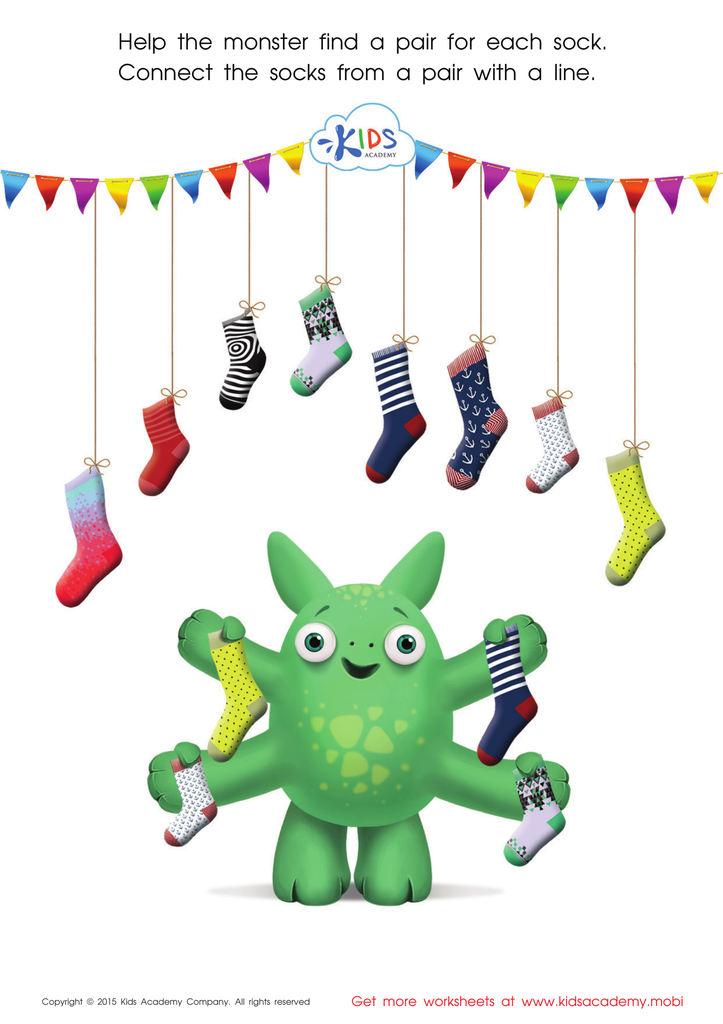
Math Matching Pairs Game: Monsterв's Socks Worksheet
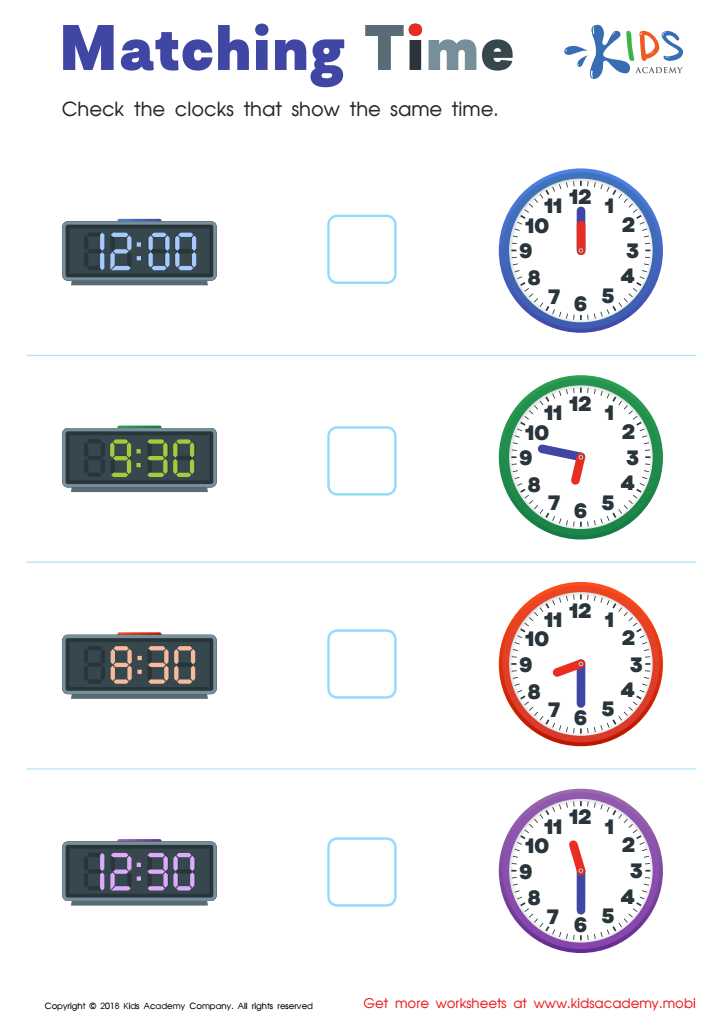
Matching Time Worksheet
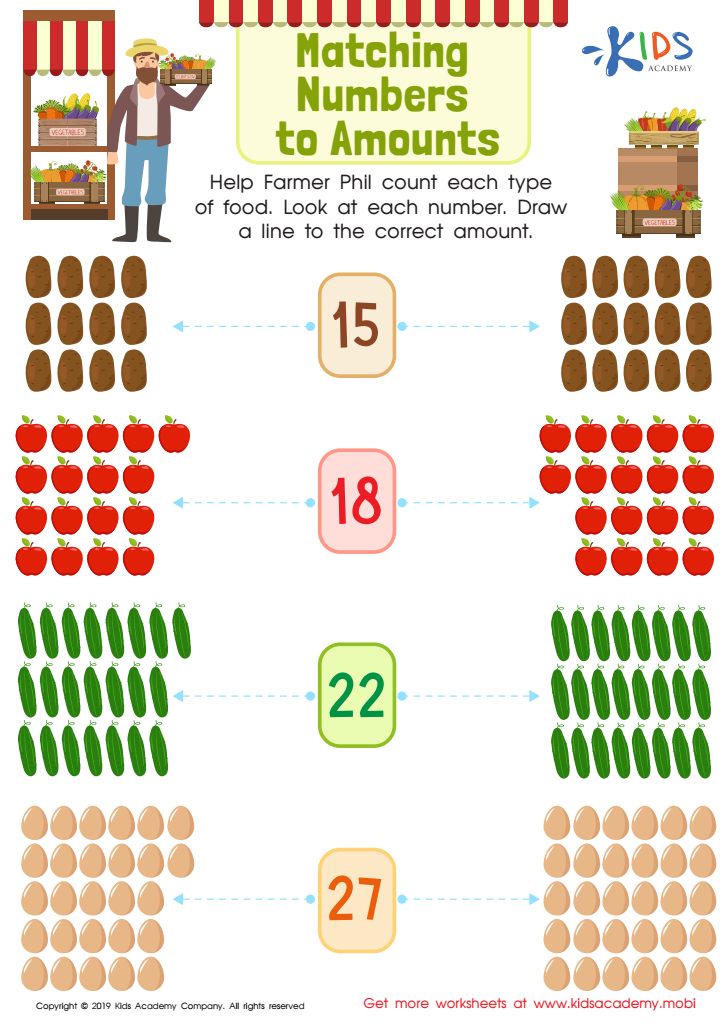
Matching Numbers to Amounts Worksheet


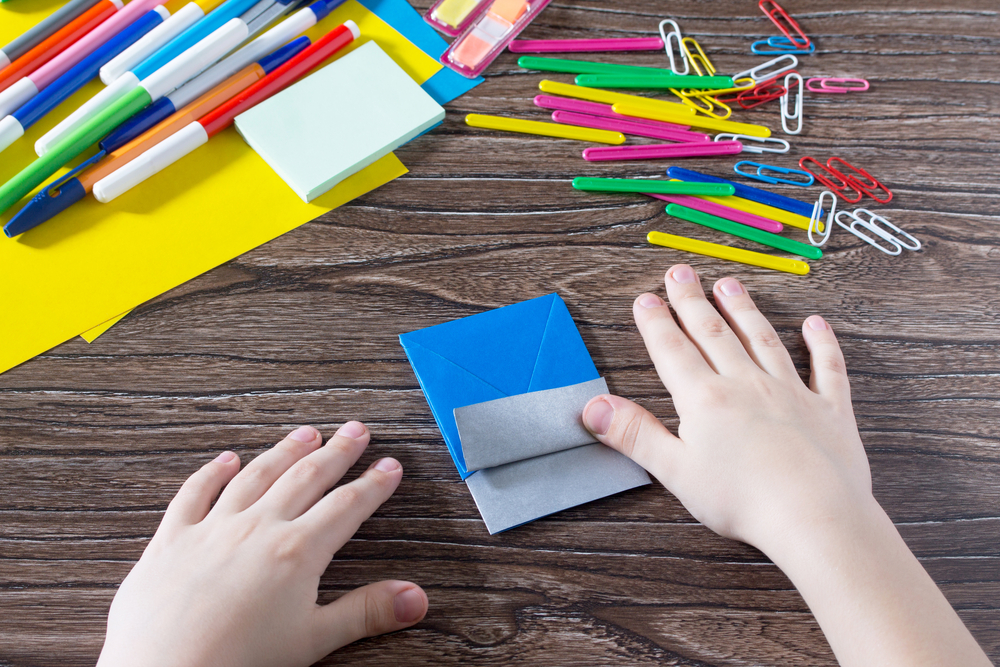
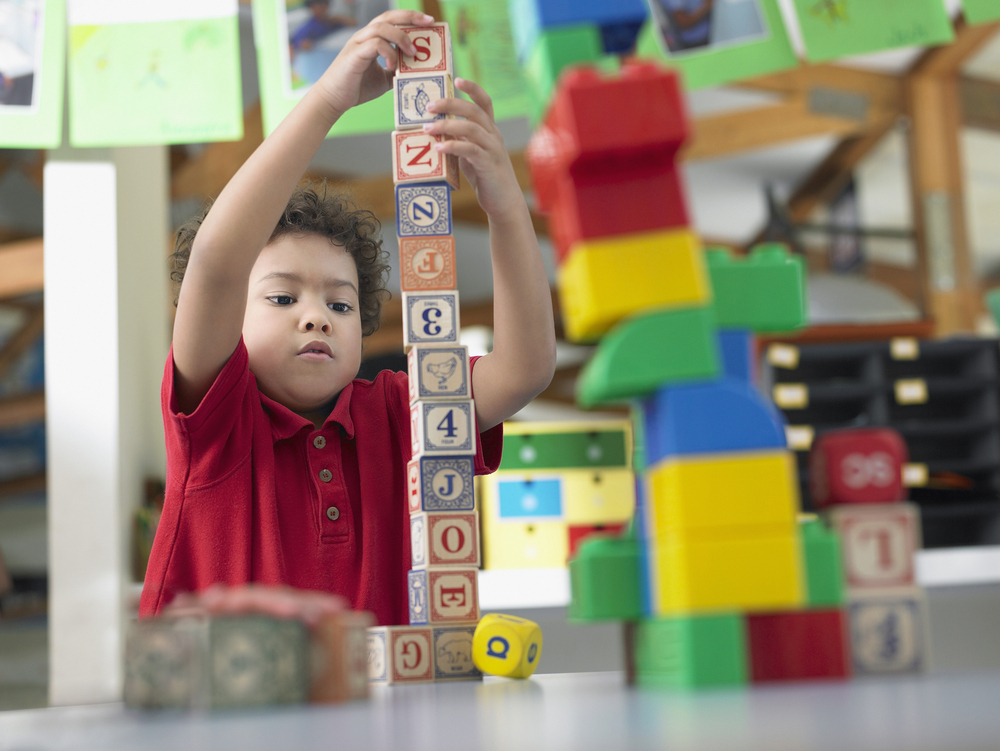



Matching skills are fundamental skills that play a crucial role in early childhood development, particularly for children aged 5 to 7 years. Parents and teachers should care about these skills for several reasons.
Firstly, matching skills help enhance cognitive development. When children engage in matching activities, such as pairing objects or identifying similar shapes and colors, they develop critical thinking and problem-solving abilities. These cognitive processes lay the foundation for more advanced skills they will learn later in life.
Secondly, matching activities promote social skills and cooperation. Group activities, such as matching games, encourage children to interact, collaborate, and communicate with their peers, fostering teamwork and social competence.
Moreover, developing matching skills is essential for literacy and numeracy. For example, recognizing letters and numbers requires an understanding of similarities and differences. Mastering these foundational skills prepares children for future academic success.
Finally, matching skills can enhance a child's self-esteem. As children successfully pair items or identify similarities, they gain confidence in their abilities, promoting a positive attitude toward learning.
In summary, caregivers should prioritize matching skills as they are integral to cognitive, social, and academic development, creating a holistic approach to nurturing well-rounded, confident learners.








